REVIEW · LUXOR
Dahabiya Nile Cruise From Luxor To Aswan 4 Nights 5 Days
Book on Viator →Operated by Egypt Sunny Trips · Bookable on Viator
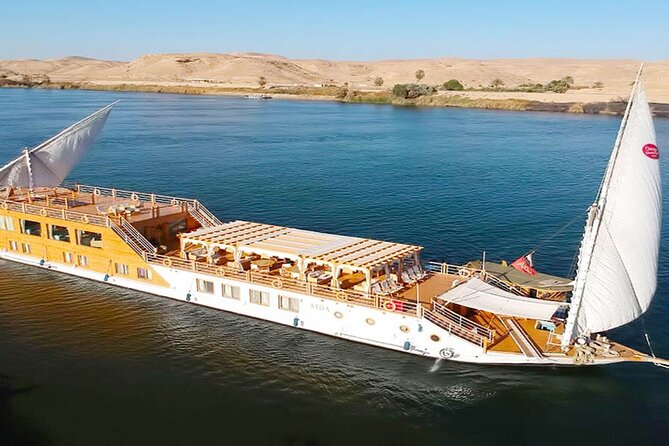
Luxor to Aswan sounds like a busy route, but this Dahabiya Nile cruise keeps it human and relaxed. You get private sightseeing with a guide, plus full-day temple time on both banks—then you slide back onto the water for the slow part of Egypt. I especially like the mix of big-name sites (Karnak, Valley of the Kings, Edfu, Philae) and the classic “small boat” feel many people look for. Another win: the package includes tickets and meals onboard, so you’re not constantly sorting logistics. One possible drawback is that temple days can feel time-tight, so if you hate a fast pace, you’ll want to plan to move with the group.
The trip is priced at $786 per person for about 5 days, and it’s built around private transfers, a private guide, and lots of included admissions. It’s also listed as a private group experience, which usually means you won’t be shoved into a giant bus day after day. Do keep in mind that add-ons like a hot air balloon are optional and cost extra, and you should expect some variation in timing on sailing days.
In This Review
- Key highlights you’ll actually care about
- Why a Dahabiya cruise beats the usual “bus + boat” days
- Price and logistics: where the $786 value comes from
- Day 1 in Luxor: Karnak precincts and Luxor Temple on the East Bank
- Day 2 in Luxor’s West Bank: optional balloon, Valley of the Kings, Hatshepsut, and the Colossi
- Day 3: Edfu’s Horus temple and Kom Ombo’s Sobek shrine
- Day 4 in Aswan: Philae, High Dam, Unfinished Obelisk, and a felucca ride
- Day 5: Abu Simbel Temple Complex and your transfer out of Aswan
- Pacing, guide style, and how to dodge common headaches
- Who this Luxor to Aswan Dahabiya cruise is best for
- Should you book this Dahabiya Luxor to Aswan cruise?
- FAQ
- Is pickup included for this Luxor to Aswan cruise?
- How long is the cruise?
- What’s included in the price?
- Are there any optional activities?
- Which major temples are included?
- Is a felucca ride included?
- Do I get transfers at the end of the trip?
- What’s the cancellation rule for a full refund?
Key highlights you’ll actually care about
- Dahabiya-style sailing: a more traditional, slower way to travel than a big ship
- Private guide + private sightseeing: you won’t just follow a crowd
- Temple-heavy route: Karnak, Valley of the Kings, Edfu, Kom Ombo, Philae, and Abu Simbel
- Optional sunrise balloon over the west bank of Luxor
- Aswan extras: High Dam, Unfinished Obelisk, and a felucca ride around Kitchener Island
- Onboard routine is included: full board plus coffee/tea, soft drinks, snacks
Why a Dahabiya cruise beats the usual “bus + boat” days
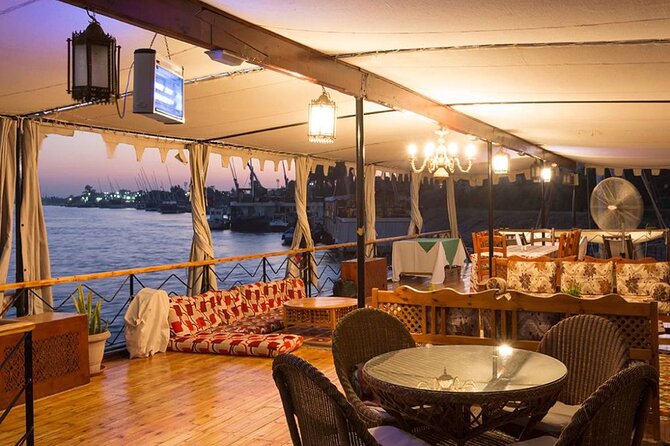
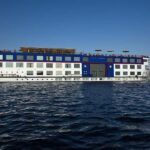
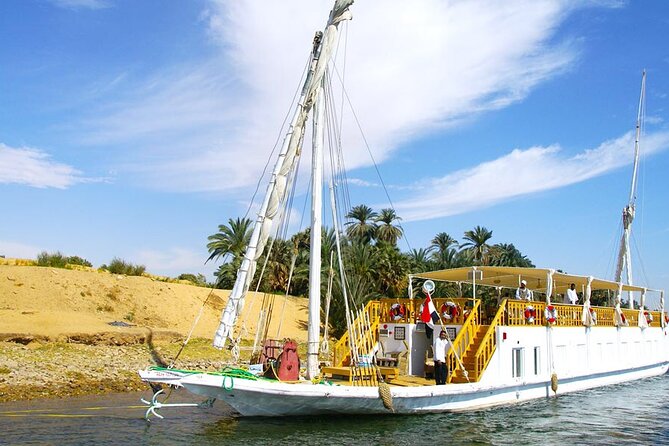
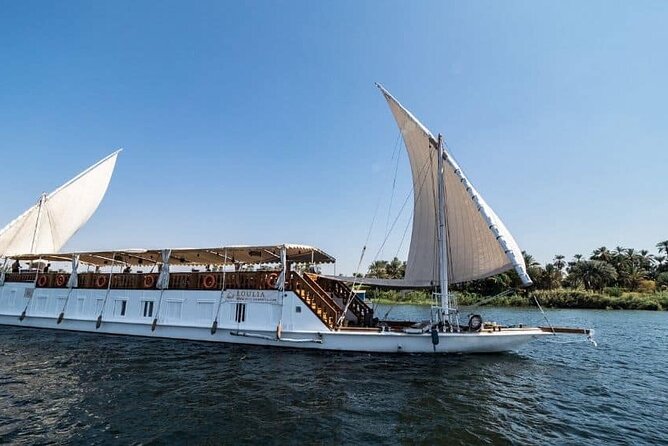
A Dahabiya isn’t just transport—it’s part of the feeling of the trip. Instead of spending the day staring out from a coach window, you’re living on the Nile between temple visits. That means you start the morning focused, then finish the day with that slow “Egypt is moving past me” feeling.
This specific route is also designed around classic Upper Egypt sights, so you don’t waste your time on random stops. You’ll spend meaningful time at major temples on the east and west banks of Luxor, then continue south with dedicated temple visits at Edfu and Kom Ombo before reaching Aswan’s big targets. In other words, the cruise days are built to match the places people actually dream about.
Finally, the setup is private for your group, with a private guide for the sightseeing blocks. That matters because Egypt site timing can be chaotic if you’re trying to decode everything alone. When you have a guide, you get the “what you’re looking at and why it matters” piece without losing half your day to confusion.
You can also read our reviews of more boat tours in Luxor
Price and logistics: where the $786 value comes from
$786 per person can look steep at first glance—until you break down what’s included. This package covers:
- Transfers with a professional driver and meeting/assistance in Luxor
- Onboard accommodation on the Dahabiya with full board (plus soft drinks)
- All private sightseeing as scheduled
- Admission tickets for the listed sites
- Meals: breakfast, lunch, and dinner onboard across the days
- Coffee/tea and snacks, plus soda/pop
For a temple route, admission fees and guided entry add up fast—especially when you’re pairing multiple sites across multiple days. You’re also getting a private car for transfers, which is typically more comfortable (and faster) than trying to manage taxis through busy areas.
Two things to double-check before you go:
1) Whether your schedule includes a stop tied to Gebel Silsileh (it’s mentioned as part of the Dahabiya experience in the tour description, though your exact day plan can shift).
2) Your budget for optional extras like the balloon.
Day 1 in Luxor: Karnak precincts and Luxor Temple on the East Bank
Day 1 is all about getting oriented in Luxor the right way. You’ll be met and assisted at your arrival point in Luxor (airport or train station), then transferred to embark before lunch. After lunch onboard, you head straight to the East Bank.
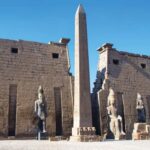
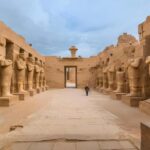
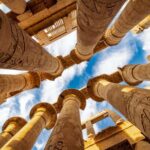
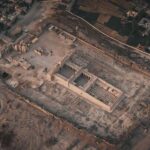
The highlight here is Karnak, but not in the bare-minimum way. You’ll visit the complex across multiple precincts: Amun-Ra, Mut, Montu, and you’ll also see the ruins tied to Amenhotep IV (Ankhenaten). Even if you’ve seen photos of Karnak before, walking through it with a guide is a different experience. The architecture and the way the space is organized make it easier to understand why Karnak was more than a single building—it was a whole religious machine.
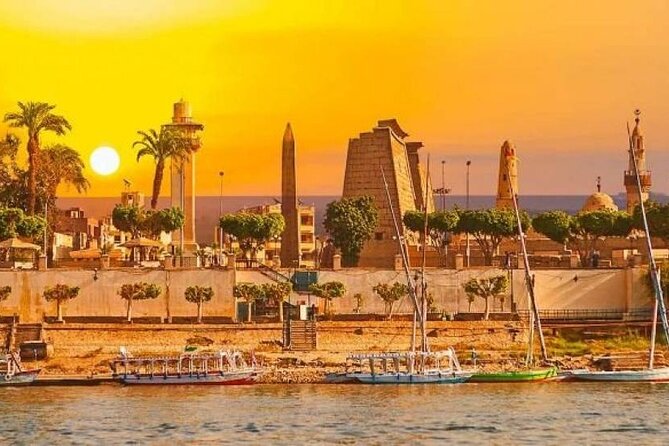
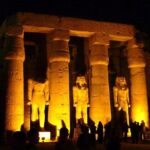
Then you move to Luxor Temple, also on the East Bank. It’s a good “welcome mat” to the city because it’s close enough to feel approachable, but important enough that you’re still thinking about Egypt’s scale by the time you’re done.
Tip for this day: wear shoes that handle uneven ground and bring something for sun protection. Luxor can feel bright and hot even when the day is moving at a slower cruise rhythm.
Day 2 in Luxor’s West Bank: optional balloon, Valley of the Kings, Hatshepsut, and the Colossi
This is the day most people remember because it mixes optional early magic with deep-meaning tomb and temple visits.
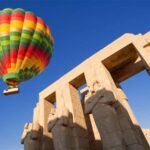
If you choose it, there’s an optional hot air balloon that starts around sunrise with a view over the west bank. It’s extra cost, and availability depends on scheduling—so ask about timing early if balloon is a must.
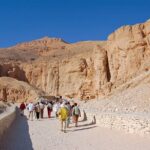
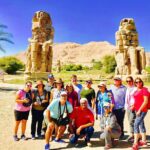
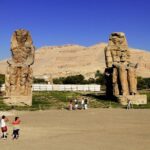
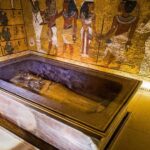
After breakfast, you go to the Valley of the Kings. You’ll also see the Temple of Queen Hatshepsut at Deir el Bahari and the Colossi of Memnon. The Valley of the Kings is known as the Valley of the Gates of the Kings, which is a nice way to remember what you’re walking into: a landscape of royal tombs built over centuries for the New Kingdom elite.
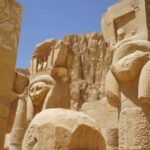
Hatshepsut’s temple is next to the mortuary complex of Mentuhotep II, which gives you a strong sense of how dynasties and power shaped temple-building over time. Even if you don’t go into every tomb (often not possible on guided routes), the overall setting makes the west bank feel like a purpose-built world.
Then you sail south via Esna to Edfu. That sailing leg matters because it breaks up the “all museums all day” feeling. Instead of ending the day exhausted, you’re transitioning into the Nile routine.
Day 3: Edfu’s Horus temple and Kom Ombo’s Sobek shrine
Day 3 is a classic “two temples, one stretch of sailing” kind of day.
First stop: Edfu Temple, dedicated to Horus. This is one of those sites where the sheer clarity of the iconography helps. Horus, with his falcon connection, gives a strong theme for the carvings and wall scenes. Edfu is also described as being built in the Greco-Roman era style, so you’re seeing Egypt’s traditions continuing in a later architectural language.
After Edfu, you continue sailing to Kom Ombo, with an overnight in Aswan. Kom Ombo’s temple is dedicated to Sobek, the crocodile god. It’s a different energy from Edfu—less about one single royal “center,” more about a dual-purpose feel in the way the sanctuary is presented.
A fun scheduled touch is the galabia party after dinner. Even if you skip the dancing, it’s a nice cultural moment built into the cruise format, and it’s usually the kind of night that helps you bond with your group pace (without turning your trip into a theme park).
One practical note: temple floors and stairs add up. Pace yourself on day 3 so you enjoy the temples, not just survive them.
A few more Luxor tours and experiences worth a look

Day 4 in Aswan: Philae, High Dam, Unfinished Obelisk, and a felucca ride
Aswan day mixes modern engineering with ancient craftsmanship, and that contrast is a big reason people fall for this part of Egypt.
You start with Temple of Philae. The schedule also includes the High Dam and the Unfinished Obelisk, plus lunch onboard and a felucca ride later around Kitchener Island. That means you’re not only seeing monuments—you’re also getting the Nile’s story from different angles: ancient religion on one side, and modern intervention on the other.
At Philae, the temple space is all about sacred continuity. It’s one of those places where you can feel why people kept returning to these locations over time.
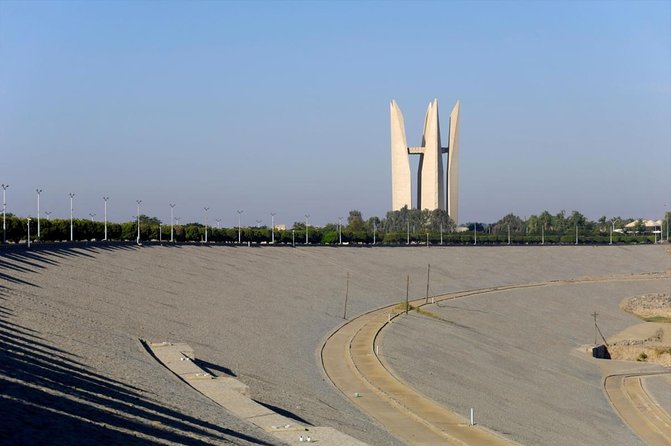
Then you head to the Aswan High Dam, which is an important piece of Egypt’s modern water story. Seeing it during a temple route helps you understand that Egypt’s relationship with the Nile isn’t only ancient—it’s ongoing.
The star “engineering curiosity” stop is the Unfinished Obelisk. It’s famous because the obelisk was commissioned by Pharaoh Hatshepsut in the 15th century BC, intended to be the largest ever carved from a single granite piece. The description for this monument is specific: about 41.75 meters (137 feet) long and around 1,200 tons, partially embedded in bedrock. It was abandoned due to cracks that appeared during construction—so you’re looking at ambition meeting limits.
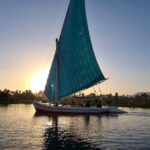
Later, you get a felucca ride around Kitchener Island. This is a perfect cooldown after temples and hard walking—gentle, scenic, and a reminder that the Nile isn’t just a backdrop.
Day 5: Abu Simbel Temple Complex and your transfer out of Aswan
The final day is built around Abu Simbel. You’ll have breakfast onboard, check out, and then get a free transfer to your Aswan hotel, airport, or train station. The important part: admission tickets are included for this temple complex, so you don’t reach the end of your trip only to learn you still have to pay to see the main target.
Abu Simbel is one of Egypt’s big finale moments. Even without extra bells and whistles, it’s the kind of place that closes the story of Upper Egypt with scale. It also makes the whole Luxor-to-Aswan arc feel complete: you started with temples on the banks, and you end at a monument far enough away to feel like a separate chapter.
As you plan your departure, leave enough buffer for the transfer time. You’ll want to land, sit down, and decompress—no heroic last-minute plans after this.
Pacing, guide style, and how to dodge common headaches
This cruise is temple-focused, so pacing is part of the deal. Some days are structured with multiple major stops, and that means you won’t linger for hours at every wall. If you love long museum-style wandering, plan to take photos and soak in what you can during the guided time, then enjoy the calmer onboard evenings.
Guide quality can matter a lot on days with heavy walking. Some people have described guides as very organized and professional, and others have had a more negative experience with a less engaging style. My advice: be direct on what you want. If you’re interested in architecture, ask for it. If you want story-driven context, say so early.
Also, watch for extra spending pressure related to add-ons. On Egypt tours, it’s common for vendors to try to sell upgrades or experiences near sites. The balloon is already listed as an optional extra, so treat that as your main planned splurge and keep your boundaries clear with anything else that comes up.
Lastly, tips are listed as not compulsory, left to your appreciation. That helps you decide your budget in a way that feels respectful and not stressful.
Who this Luxor to Aswan Dahabiya cruise is best for
This fits best if you want:
- A Nile cruise feel without giving up major temple time
- A route that hits both Luxor’s east and west banks and then continues south
- A private guide and admissions included, which makes the experience smoother day to day
- The onboard rhythm of meals and relaxation between sightseeing blocks
It’s also a strong choice if you’re traveling in a group that wants shared logistics: private transfers, private sightseeing, and meals handled for you.
If you’re the type who gets restless waiting in lines, you’ll likely appreciate having tickets and a guide strategy so your day doesn’t melt away. If you need a slow, quiet day with no sites, this may feel a bit too structured—because the route is built to see a lot.
Should you book this Dahabiya Luxor to Aswan cruise?
I’d book it if you want the classic Upper Egypt “temples plus Nile sailing” combo, and you like the idea of having most of the hard work handled: tickets, guide time, private transfers, and onboard full board. The price is easier to justify when you compare it to what admissions and guided entry typically cost when booked separately.
I would pause before booking if you’re sensitive to fast pacing or you hate any chance of extra spending pressure around major sites. In that case, ask questions upfront: what’s included versus optional, what’s the balloon timing, and whether Gebel Silsileh is on your exact schedule.
FAQ
Is pickup included for this Luxor to Aswan cruise?
Yes. The package includes meet and assist in Luxor (airport or train station) and transfers by private air-conditioned car with a professional driver.
How long is the cruise?
It’s listed as approximately 5 days.
What’s included in the price?
Included features cover accommodation on board in Dahabiya with full board and soft drinks, private sightseeing with a guide, admission tickets for the listed sites, and onboard meals (breakfast, lunch, dinner), plus coffee/tea, snacks, and soda/pop.
Are there any optional activities?
Yes. A hot air balloon over Luxor’s west bank is optional and comes with an additional cost (subject to availability).
Which major temples are included?
The scheduled highlights include Luxor Temple and Karnak in Luxor, Valley of the Kings area with Hatshepsut and the Colossi of Memnon, Edfu Temple (Horus), Kom Ombo Temple (Sobek), Temple of Philae, and the Abu Simbel Temple Complex.
Is a felucca ride included?
Yes. There’s a felucca ride on the Nile around Kitchener Island included on Day 4.
Do I get transfers at the end of the trip?
Yes. On Day 5 there is a free transfer to your Aswan hotel, Aswan airport, or Aswan train station.
What’s the cancellation rule for a full refund?
You can cancel up to 24 hours in advance for a full refund. If you cancel less than 24 hours before the experience starts, the amount paid is not refunded.