REVIEW · LUXOR
Best Private 5 Days in a Deluxe Nile Cruise from Luxor to Aswan
Book on Viator →Operated by Bastet Travel · Bookable on Viator
The Nile does the heavy lifting.
This Luxor-to-Aswan deluxe cruise mixes must-see temples with an actual Egyptologist’s explanations, and the slow-moving onboard life gives you real time to enjoy the river views. The trade-off is an early start if you add Abu Simbel—pickup is around 4:30.
What I like most is the pairing of top Karnak and Luxor Temple sights with quieter West Bank stops like Hatshepsut and the Valley of the Kings, all with guide-led context. Plus, feedback keeps pointing to the people on the ground—one name that shows up is Ahmed, praised for good behavior, which matters when you’re bouncing between big sites and need the day to feel organized.
One more thing to keep in mind: this is a fast-moving 5-day program, so if you want long, unstructured hours in each place, you might feel the schedule pressing a bit. Still, for most first-timers, it’s a strong way to see a lot without doing the logistics yourself.
In This Review
- Key highlights at a glance
- From Luxor pickup to checking in on the Nile
- Karnak Open Air Museum and Luxor Temple: the iconic first punch
- Colossi of Memnon: a quick landmark that sets the mood
- Valley of the Kings and Hatshepsut at Deir el Bahari
- Valley of the Kings
- Temple of Hatshepsut
- Edfu Temple and Kom Ombo: ancient gods as you sail
- Edfu Temple (Temple of Horus)
- Kom Ombo
- Aswan High Dam and Philae Temple: the Nubia story in real form
- Aswan High Dam
- Philae Temple
- Abu Simbel (optional): the early start that’s worth it
- Onboard life: meals, pool time, and river views
- Egyptologist guidance: turning monuments into meaning
- Price and value: what $665 buys you in real terms
- Who should book this Luxor to Aswan deluxe cruise?
- Should you book this deluxe Nile cruise?
- FAQ
- FAQ
- What is included in the price?
- Do I get pickup in Luxor?
- How long is the cruise?
- Which temples and sites are included?
- Is Abu Simbel included?
- Are meals included?
- Is there a swimming pool onboard?
- Are entrance tickets included?
- What’s not included?
- Is this tour private?
- What if weather is bad?
- Can I cancel for a refund?
Key highlights at a glance
- Karnak + Luxor Temple on the first day, with a smooth start from your pickup
- Valley of the Kings and Hatshepsut on the West Bank, the places that make Luxor feel real
- Edfu (Temple of Horus) and Kom Ombo while you cruise, not just as road trips
- Philae Temple at Aswan, moved and saved during the Nubia rescue effort
- Onboard full-board with meals included, plus a pool and entertainment
- Optional Abu Simbel for those who want the big-ticket, early-morning highlight
From Luxor pickup to checking in on the Nile

This trip starts in Luxor, and you get a practical setup right away. Your pickup can be arranged from the Luxor train station, the airport, or your hotel. That matters because Luxor can be chaotic at peak times, and you don’t want to spend your first hours hunting down transport.
Once you’re transferred to the cruise, you check in and have lunch onboard. It’s a smart pacing choice: you get on the boat while you’re fresh, then start temple sightseeing once you’ve got your bearings. The tour also includes meet-and-assist on arrival and departure, which usually means less waiting around and fewer confusing handoffs.
You’ll also travel between sights using air-conditioned vehicles, including a private car connection after the first temple day. That’s not just comfort—it’s time you keep for the things you came for: Karnak, Luxor Temple, and the West Bank tomb world.
You can also read our reviews of more boat tours in Luxor
Karnak Open Air Museum and Luxor Temple: the iconic first punch
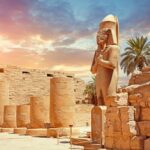
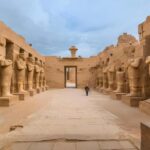
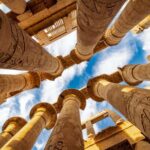
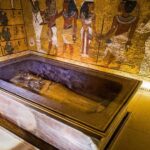
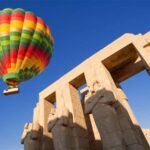
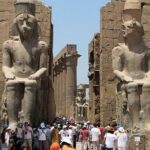
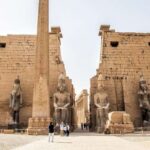
Your first major stop is Karnak, and it’s a good choice to start here. Even if you’ve seen photos, Karnak hits differently in person because it’s not one temple. It’s a whole complex of sanctuaries and pylons built for the Theban gods. Give yourself space to look up, walk slowly, and take in how the scale changes as you move through the grounds.
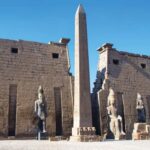
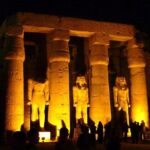
In the package, Karnak has a 2-hour visit window, with admission tickets listed as free in the tour details. After Karnak, you head to Luxor Temple, a site built about 3,400 years ago by Amenhotep III and Ramses II. It’s the kind of temple that helps you connect the names you hear in Egypt stories to actual stonework.
What makes this first day valuable is how it sets the tone: you’re not just checking boxes; you’re getting guided context before the cruise movement starts to feel like part of the experience. If your goal is to understand what you’re seeing, starting with these two temples is a win.
Potential drawback: because Karnak is so huge, it can be exhausting if you pack too much energy. Bring water and plan for some sun exposure, even if your guide keeps the day organized.
Colossi of Memnon: a quick landmark that sets the mood
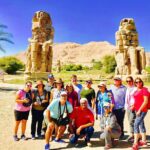
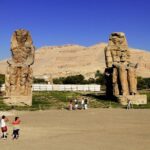
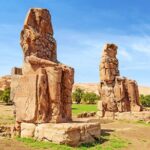
Before the bigger West Bank moments, you’ll see the Colossi of Memnon. This is a short stop—about 10 minutes—but it works well as a breather. Two massive statues are hard to ignore, and they give you a strong visual anchor for what’s ahead on the western side of Luxor.
Even in a short time, you can get value here by using the moment to orient yourself. The Colossi are part of how visitors mentally map ancient Thebes, and they’re a good “before you enter the tomb story” checkpoint.
Because the stop is brief, it shouldn’t feel like filler. It’s more like a dramatic curtain raise.
Valley of the Kings and Hatshepsut at Deir el Bahari
This is where the cruise turns from beautiful scenery into emotional history.
Valley of the Kings
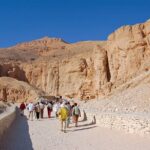
The Valley of the Kings is the royal graveyard of New Kingdom pharaohs, tied to the area behind Dayr al-Baḥrī. You get about 2 hours here, and it’s time well spent. The valley contains tombs from the 18th, 19th, and 20th dynasties, and UNESCO status is part of why the area feels carefully protected and respected.
The biggest reason to go with a guide isn’t just facts—it’s understanding how the tombs relate to time, power, and belief. A good Egyptologist helps you see the tombs as more than “rooms in a hill.” You start to notice patterns in planning and decoration, even when you’re moving between spaces.
You can also read our reviews of more private tours in Luxor
Temple of Hatshepsut
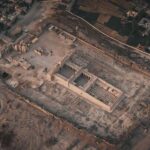
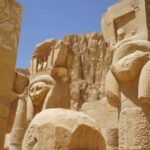
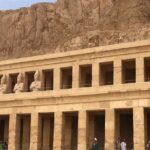
Then you go to the Temple of Hatshepsut at Deir el Bahari, built around 1400 BC. This visit is about 1.5 hours, and it tends to feel different from the tomb energy of the Valley of the Kings.
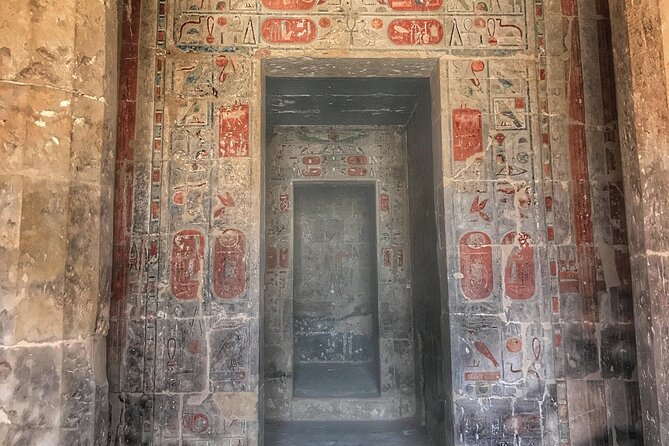
Hatshepsut’s temple is a strong reminder that ancient Egypt wasn’t only about kings in the usual story form. The site gives you a physical sense of how her authority was expressed in architecture. It’s also visually striking, with the temple’s positioning in the landscape giving it a natural “wow” factor.
Practical consideration: expect a lot of walking and uneven surfaces. Comfortable shoes are the boring answer, but it’s the right one here.
Edfu Temple and Kom Ombo: ancient gods as you sail
A big perk of this cruise format is that you’re not always land-traveling from one site to the next. Instead, the program fits Edfu and Kom Ombo into the river rhythm.
Edfu Temple (Temple of Horus)
In the morning, you visit Edfu Temple, also known as the Temple of Horus. It’s described as the best-preserved temple in Egypt dedicated to the falcon god Horus, and you get about 2 hours. This is the kind of place where preservation helps your understanding. Details that might be damaged elsewhere are clearer here, and that makes your guide’s explanations easier to follow.
Kom Ombo
In the afternoon, you head to Kom Ombo for about 2 hours. Kom Ombo is a good pacing shift after Edfu because you get to compare how Egyptian temple designs express different religious themes.
What I like about combining these two is how it builds a sense of continuity. You’re learning about ancient Egypt across multiple sites in one stretch—while the river scenery outside the windows keeps reminding you that this civilization lived along water, trade routes, and predictable travel corridors.
Aswan High Dam and Philae Temple: the Nubia story in real form
Aswan is often where a Nile trip starts to feel bigger than Egypt-in-a-day. The sights connect history to geography and modern change.
Aswan High Dam
You’ll see the Aswan High Dam, with a short stop of about 30 minutes. The program gives you the big picture: it’s one of the world’s largest embankment dams and was completed between 1960 and 1970. You also hear it described as the tallest earthen dam of its time.
Even if you’re not a dam-nerd (no shame), this stop helps you understand why the next one matters.
Philae Temple
Then comes Philae Temple, about 2 hours. This is an island-based temple complex that was moved during the UNESCO Nubia rescue effort. The tour details that the temple complex was dismantled and moved to Agilkia Island to protect it before the completion of the Aswan High Dam.
This is one of those places where you realize you’re not just seeing ancient Egypt—you’re seeing the modern world trying to save it. The guidance around that history makes Philae feel more meaningful than a typical temple stop.
If you’re the type who loves context, you’ll appreciate this. It ties together why sites look the way they do today.
Abu Simbel (optional): the early start that’s worth it
If you add Abu Simbel, be ready for a very long, very early day. The pickup is around 4:30, and the tour says you arrive around 8:00. It’s also described as an optional tour sharing a small group.
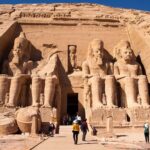
Abu Simbel is famous for the rock-cut temples built for Ramesses II and his beloved Queen Nefertary. This is one of those “only in Egypt” experiences where the architecture and its intent feel built to impress from far away.
The practical challenge is time. After days of temple walking, early pickups can feel like a second jet lag. But if you’re excited by the idea of seeing one of Egypt’s most dramatic sites, this optional add-on is the kind of thing that can tip the whole trip from good to memorable.
Onboard life: meals, pool time, and river views
The cruise is full-board, with breakfast, lunch, and dinner included for the days listed. That’s more than convenience. It means you can plan your energy around sightseeing instead of budgeting every meal and searching for a place that fits your schedule.
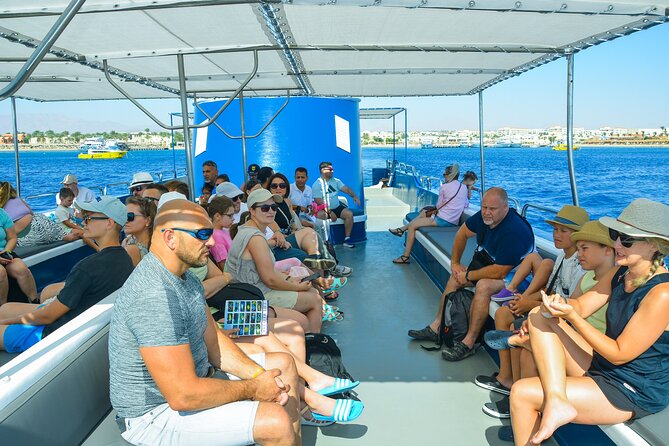
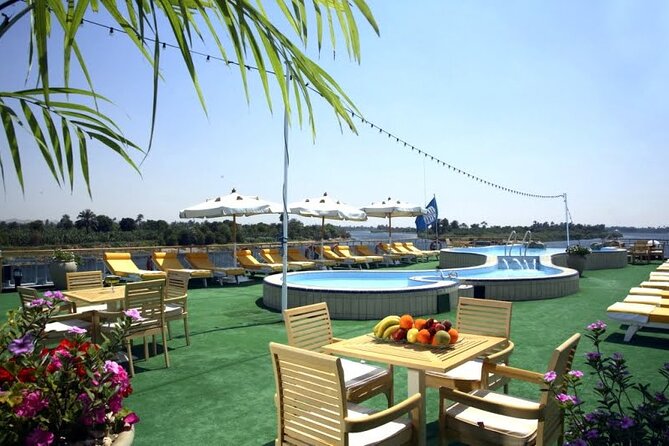
There’s also a swimming pool onboard and entertainment. You may not use the pool every day, but having the option helps when the sun has been heavy during temple visits. Even 30 minutes of downtime can reset your mood.
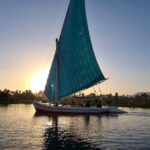
On the river itself, early morning and late afternoon light tends to make the scenery feel calmer. Your schedule gives you built-in “in-between moments” where you’re not constantly in a car. That’s a big reason people end up liking the cruise part as much as the temples.
One note: the cruise doesn’t slow down everything. Temple time still takes priority. So if you want a pure relaxation getaway, you may have to manage your expectations.
Egyptologist guidance: turning monuments into meaning
A main selling point here is having a qualified Egyptologist tour guide. That’s what separates a “temple tour” from a “learn-and-see” trip.
At big sites like Karnak and the Valley of the Kings, it’s easy to get lost in walls, columns, and names. A good guide helps you pick up what the site is trying to communicate—religion, kingship, and symbolism. It also helps you move at a pace that keeps you oriented, instead of rushing to the next photo.
In the feedback, one recurring detail is the importance of the guide’s behavior. Ahmed was specifically thanked for good behavior, which signals that the tour team focuses on keeping the experience smooth and respectful—not just informative.
Price and value: what $665 buys you in real terms
At $665 per person for 5 days and 4 nights, you’re paying for a packaged rhythm: guided temples, transfers, onboard accommodation, and full-board meals. That’s the key value driver.
If you tried to build this trip yourself, you’d likely spend time coordinating trains/boats, guides, entrance fees, and daily transport. Here, the tour handles those connections with air-conditioned vehicles, meet-and-assist, and private-car transfers where listed.
One small thing to double-check: the details mention entry fees (optional), while the sightseeing stops list admission tickets as free. To avoid surprises, confirm what’s included for any optional components, especially if you’re adding Abu Simbel.
Also, plan for tips. Gratuities for cruise staff and guides/drivers are not included, so you’ll want a budget for that.
Who should book this Luxor to Aswan deluxe cruise?
This is a strong fit if you:
- Want a Luxor-to-Aswan cruise route with major temples in a tight window
- Like the idea of guided context from an Egyptologist at multiple sites
- Prefer having meals and transfers handled rather than self-planning every day
- Enjoy mixing big monuments with downtime onboard and Nile views
It might be less ideal if you:
- Hate early mornings, since Abu Simbel pickup is around 4:30
- Want more free time at each temple without a scheduled pace
- Plan to skip optional add-ons but still expect the day structure to feel fully relaxed
Should you book this deluxe Nile cruise?
If your goal is a smooth, guided 5-day luxury Nile experience that covers Luxor’s headline sights, Aswan’s key monuments, and the option to go all-in with Abu Simbel, I’d say yes. The value comes from the package structure: Egyptologist-led temples, air-conditioned transfers, and full-board time onboard.
Just be honest with yourself about energy. If you’re willing to get up early for Abu Simbel and you’re okay with a busy schedule, this trip is a very practical way to see Egypt’s core Nile highlights without turning your vacation into a spreadsheet.
FAQ
FAQ
What is included in the price?
The tour includes a qualified Egyptologist guide, air-conditioned vehicle, meet and assist upon arrival and departure, accommodation for 5 days/4 nights on a full-board basis, lunch (4), breakfast (4), dinner (4), and entry fees are listed as optional in the package details.
Do I get pickup in Luxor?
Yes. Pickup is offered from Luxor train station, Luxor airport, or your hotel.
How long is the cruise?
It’s a 5-day trip (about 5 days) with 4 nights onboard.
Which temples and sites are included?
You’ll visit Karnak Temple, Luxor Temple, the Colossi of Memnon, the Valley of the Kings, the Temple of Hatshepsut, Edfu Temple, Kom Ombo Temple, Aswan High Dam, and Philae Temple. Abu Simbel is optional.
Is Abu Simbel included?
Abu Simbel is optional. If you choose it, there is a pickup around 4:30 and you arrive around 8 am, and the option is described as a small group sharing tour.
Are meals included?
Yes. Breakfast, lunch, and dinner are included for the days listed (full-board).
Is there a swimming pool onboard?
Yes. The cruise includes a swimming pool and onboard entertainment.
Are entrance tickets included?
The tour details show admission ticket access as free for the listed sights, but the included section also notes entry fees as optional. I recommend confirming exactly what is covered for your dates, especially for optional parts like Abu Simbel.
What’s not included?
Gratuities (tipping) for cruise staff, guides, and drivers are not included.
Is this tour private?
It is described as private, meaning only your group participates.
What if weather is bad?
This experience requires good weather. If it’s canceled due to poor weather, you’ll be offered a different date or a full refund.
Can I cancel for a refund?
Yes. You can cancel up to 24 hours in advance for a full refund.