Sunrise temples start your Nile story. This private Dahabiya cruise strings together Luxor, Edfu, Kom Ombo, Philae, and Abu Simbel with early starts and real time on the river. I love the way the plan gives you a smooth mix of must-see sights and calmer onboard moments, like brunch, dinner, and tea as you sail. The one downside to know upfront: Abu Simbel runs on a very early pickup, starting around 3:30 AM.
I also like that transfers are handled for you, with a modern, air-conditioned car meeting you in Luxor and a private ride back on key days. Some guides associated with this operator, like Ashraf Borai, have a reputation for keeping the mood light while still moving efficiently through the sites. That matters because temple days in Egypt can feel long.
Finally, the private setup is great, but it also means you’re committing to this exact route and pace for six days. If you want lots of free-floating time to wander alone, you’ll need to be intentional about where you add extra stops.
In This Review
- Key highlights to plan around
- Luxor to Aswan by private Dahabiya: why this route feels practical
- Day 1 in Luxor: Karnak and Temple of Luxor with an onboard dinner
- Day 2 West Bank sunrise: Valley of the Kings, Hatshepsut, and the Colossi
- Day 3 Edfu and Kom Ombo: Temple of Horus to the crocodile-and-falcon story
- Day 4 Philae temple morning and an Aswan evening reset
- Day 5 Abu Simbel with the 3:30 AM pickup: intense, famous, worth discussing
- Day 6 flights and a calm last morning on the Nile
- Price and what you actually get for $1,580 per person
- Who should book this private cruise (and who might not)
- Should you book this Luxor to Aswan Dahabiya cruise?
- FAQ
- What is the duration and route of this Dahabiya cruise?
- Is this tour private?
- Where do you meet the guide or representative?
- Are temple admissions included?
- What happens on the last day?
- What is the cancellation policy and what affects it?
Key highlights to plan around
- Private Dahabiya time: You’re not just hopping between temples; you’re living on the Nile for 5 nights.
- Sunrise West Bank touring: Valley of the Kings is paced for the morning light and the crowds.
- Edfu + Kom Ombo in one rhythm: Two temple visits, then back to sailing and downtime.
- Philae plus the Unfinished Obelisk: A quieter counterpoint to the big-name complexes.
- Abu Simbel at 3:30 AM: Early start, big payoff, and a long day by design.
Luxor to Aswan by private Dahabiya: why this route feels practical
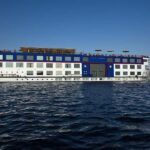
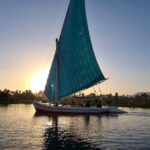
The big appeal here is that you’re traveling the classic Nile spine—Luxor to Aswan—without the stress of stitching bus schedules and ticket lines together. On a Dahabiya, the travel time is part of the experience, not something you endure. You get meals built into the day (brunch, breakfast, dinner, plus tea breaks), and the itinerary naturally alternates between temple intensity and river calm.
This also helps with logistics. You’re met in Luxor for check-in and travel, then you keep moving as the boat sails between regions. The private format means you’re not squeezed into a huge group at each stop, which is a real difference at places like the Valley of the Kings.
One thing to watch: it’s still sightseeing. Egypt’s temple days involve lots of walking and standing, and the day structure intentionally starts early on multiple mornings. If mornings drain you fast, plan on leaning into water, hats, and a slower pace onboard.
You can also read our reviews of more boat tours in Luxor
Day 1 in Luxor: Karnak and Temple of Luxor with an onboard dinner
Day 1 starts the way you want a Nile cruise to start: with easy arrival and a lived-in check-in vibe. You’re met at Luxor International Airport, transferred in a modern air-conditioned car, and guided through check-in on the Dahabiya.
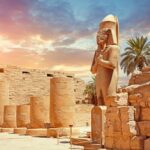
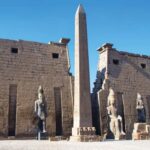
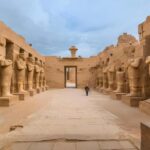
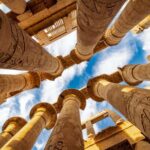
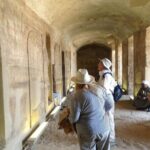
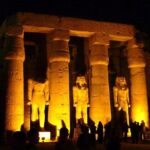
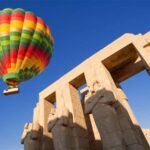
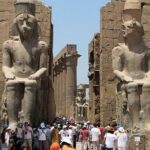
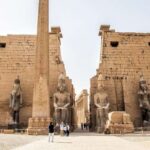
Then you get an afternoon brunch onboard. That sounds simple, but it’s a smart move: you’re not thrown into temples immediately after travel. After that, you drive to the grand Temple of Luxor area and the Karnak Temples, built in devotion to Amon, his wife Mut, and their son Khonsu. If you’ve seen photos of Karnak, it’s still shocking in person—scale alone does the talking.
The day finishes with dinner onboard and some quiet time as the cruise settles into its Nile rhythm. I like that you aren’t rushing to pack in more sites after dark. It sets you up for the next morning’s sunrise touring.
A practical note: Karnak and Luxor temple areas can feel warm and bright even when you’re excited. Wear breathable layers and plan on sunglasses; you’ll thank yourself when you’re reading inscriptions and moving between pylons and courtyards.
Day 2 West Bank sunrise: Valley of the Kings, Hatshepsut, and the Colossi
This is one of the strongest days because it’s built around the West Bank at its best: early light, fewer time-wasting moments, and a clear route through major monuments.
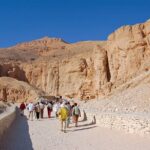
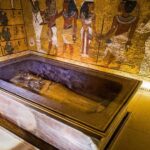
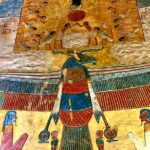
After breakfast onboard as you head toward Luxor’s West Bank, you step off the Dahabiya for a guided tour. The headline stop is the Valley of the Kings. The West Bank is where you feel the real weight of royal burials and mortuary planning. It’s not just one temple—it’s a whole landscape of chambers, myths, and surviving rock-cut architecture.
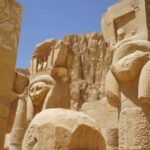
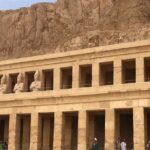
Next comes the mortuary Holy Shrine of Queen Hatshepsut, credited to the draftsman of the New Monarchy during the 15th century BCE. This temple is a great contrast to the Valley. In the Valley you’re looking at how rulers were buried; at Hatshepsut you’re seeing monumental storytelling—architecture designed to project power and legitimacy.
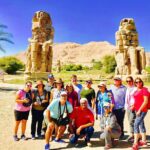
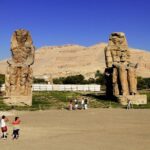
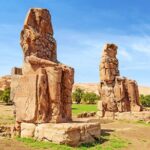
You then visit the Royal Cemetery for 62 Pharaohs, followed by the Colossi of Memnon. These giant statues are famous for a reason: they’re still impressive even after you’ve seen other monumental pieces. They’re also a good pacing reset. You can take in the view and photos without the same claustrophobic feel as inside tomb spaces.
Later, you return to your Dahabiya for lunch during sailing. The schedule then includes time at Esna, with the cruise unlocking around 13:30 and continuing to Edfou overnight. I like that this is handled as part of the day flow. Locks and sailing transitions are one of those details that make a Dahabiya feel real rather than staged.
If you’re the type who gets temple fatigue, this day is long but structured. You’re not jumping randomly—you’re following a logical West Bank path.
Day 3 Edfu and Kom Ombo: Temple of Horus to the crocodile-and-falcon story
Day 3 starts with another sunrise-style rhythm: breakfast onboard, then off to Edfu for the Temple of Horus. Edfu is often called one of Egypt’s best-preserved religious sites, and it shows. Horus is the god of protection, and you can feel the temple’s focus as you move through imposing sandstone structures.
This stop is also rich in myth. The story centers on Horus seeking revenge upon Seth, after Seth murdered Osiris. Even if mythology isn’t your main interest, it helps you read the temple’s symbolism and the way scenes are arranged.
After Edfu, you head back to the Dahabiya for tea during sailing. Then it’s time for Kom Ombo, with a visit to the Kom Ombo Temple built in devotion to two divinities: Haroeris (falcon-headed Horus) and Sobek (crocodile-headed god of fertility). The layout encourages you to see how the Egyptians paired concepts—protection and power on one side, fertility and other forces on another.
Later, you return onboard for dinner as the cruise heads toward Aswan, where you stay overnight. This kind of shift—temple day, then return to the boat—keeps the trip from turning into an exhausting checklist. You get a chance to cool down and reset.
Packing tip for days like this: keep a small water bottle ready for temple stops. You’ll be moving enough that you’ll want steady hydration.
Day 4 Philae temple morning and an Aswan evening reset
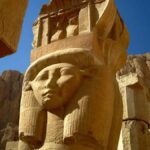
Philae is a favorite because it feels both iconic and a bit more personal than some of the mega-complexes. In the morning, you head to the Temple of Philae, dedicated to Hathor and Isis. You also visit the Unfinished Obelisk, lying on its side in the ancient gem mines of Egypt.
The Unfinished Obelisk stop is a nice reality check. It reminds you that these monuments weren’t built by magic—they were carved, planned, adjusted, and sometimes interrupted. That kind of detail makes the broader story of Egypt feel more human.
After the temple visit, you’re transferred back to the Dahabiya in Aswan. In the evening, you have free time for a city tour around Aswan, then return to rest.
I like this day because it breaks the pattern. You’re not waking up for a once-in-a-lifetime early departure or cramming in another long temple route. Instead, you get a strong monument morning, then a flexible Aswan evening.
Practical thought: Aswan evenings can be pleasant, but still bright and warm. If you want photos, aim for later in the day and bring something light to cover up while still staying comfortable.
You can also read our reviews of more private tours in Luxor
Day 5 Abu Simbel with the 3:30 AM pickup: intense, famous, worth discussing
Abu Simbel is the day that tests your motivation—and often rewards it in a big way. You get picked up from your lodge in Aswan in a private modern air-conditioned vehicle starting around 3:30 AM, and then you travel to the temples.
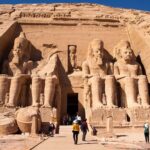
You’ll tour two major temples: the Sun Temple of Ramesses II and the temple dedicated to Nefertari, tied to Hathor and the sun god. The way the itinerary frames the two temples is helpful: it highlights how the monuments connect royalty, divine figures, and the idea of unity between them.
This is where you should be honest with yourself. Abu Simbel is a long, early day. If you’re not a morning person, build in a slower evening after. The itinerary doesn’t spell out extra sightseeing after the tour, so plan to recover once you’re back in Aswan.
Also, the provided info notes admission is free for this stop. That’s a meaningful value item because it removes one potential cost headache on top of a day that already involves heavy transit and time.
Day 6 flights and a calm last morning on the Nile
Day 6 is built for a graceful landing. You have breakfast on the boat, then you get about two hours of relaxed time before flight time. After that, you’re directed to Aswan Airport for your flight to Cairo, followed by your international flight home.
This matters more than you might think. The worst kind of cruise is the one where you wake up, rush off, and never enjoy your last hours onboard. Here, there’s at least a small buffer so you can pack without feeling panicked.
If you have a lot of small items—cables, chargers, a hat you wore in the sun—use that last onboard time to tidy up early. It makes the airport transfer smoother.
Price and what you actually get for $1,580 per person
At $1,580 per person for about six days (5 nights), this isn’t a budget-only cruise. But it’s also not priced like the top end of the luxury market. What makes it feel like value is how much the trip tries to handle for you:
- Private tour format: only your group participates.
- Transfers and pickup help: meet in Luxor for airport arrival, private vehicle for Abu Simbel, and the Day 6 flight connection out.
- Temples with included admissions for key days (day 1, day 2, day 4 are marked as admission included).
- Abu Simbel admission noted as free in the itinerary.
- Onboard meals rhythm: brunch, breakfast, dinner, plus tea pauses during sailing.
The biggest “value” piece is that you’re paying for reduced decision fatigue. You don’t need to figure out which taxi to take, how early to arrive for sunrise touring, or how to coordinate between Luxor, Edfou, Kom Ombo, and Aswan. That’s worth real money when you’re moving through a country with intense traffic and temple crowds.
One more small consideration: you’re paying for a defined route and a private experience. If you want to spend half your time in markets or off-the-map stops, you may find this itinerary a bit tight.
Who should book this private cruise (and who might not)
This works best for you if you want:
- A private Dahabiya experience rather than a crowded group cruise.
- The classic Luxor-to-Aswan temple lineup in a single trip.
- Sunrise visits on the West Bank and a clear plan for Edfu and Kom Ombo.
- A day trip to Abu Simbel that doesn’t require you to plan transport yourself.
It may feel like overkill if you:
- Want lots of unscheduled downtime on your own schedule.
- Can’t handle very early starts.
- Prefer to design every stop yourself, down to the minutes.
Also, if you’re traveling with a service animal, it’s noted as allowed.
Should you book this Luxor to Aswan Dahabiya cruise?
Yes, if you want an organized, private way to cover Luxor, the Nile corridor, and Aswan with less hassle than DIY planning. The strongest argument is the balance: big-name temples (Karnak, Valley of the Kings, Philae, Abu Simbel) plus real river time and practical onboard pacing like brunch, breakfast, dinner, and tea breaks.
Be sure you’re comfortable with early mornings, especially the Abu Simbel pickup around 3:30 AM. If that fits your energy level, this is exactly the kind of trip that makes Egypt feel smooth and focused without turning it into a rushing blur.
If you’d like, tell me your travel month and whether you prefer museums, temples, or more local street time. I can suggest the best “extra” add-ons to pair with this cruise while still keeping the schedule realistic.
FAQ
What is the duration and route of this Dahabiya cruise?
It’s listed as a 6-day cruise with about 5 nights, traveling along the Nile from Luxor to Aswan.
Is this tour private?
Yes. It’s a private tour/activity, and only your group participates.
Where do you meet the guide or representative?
In Luxor, you meet a tour representative at Luxor International Airport for transfer to the Dahabiya and check-in assistance. On the Abu Simbel day, pickup is described from your lodge in Aswan.
Are temple admissions included?
Admission tickets are included for Day 1 (Karnak-related stop), Day 2 (West Bank stops), and Day 4 (Philae). For Day 5 (Abu Simbel), admission is noted as free.
What happens on the last day?
You have breakfast on the boat, then relax for about two hours before the flight. You’re transferred to Aswan Airport for a flight to Cairo, then an international flight home.
What is the cancellation policy and what affects it?
Free cancellation is available up to 24 hours in advance for a full refund. The experience requires good weather; if it’s canceled due to poor weather, you’ll be offered a different date or a full refund.