Luxor to Aswan is a straight shot through some of Egypt’s most unforgettable monuments. This tour’s mix of a luxury Nile cruise plus guided temple time hits the sweet spot between comfort and real sightseeing. I like that you get a full “temples in the right order” flow, starting with the west-bank legends and ending with Aswan’s highlights.
I also love the included hot-air balloon ride over Luxor, timed early so you get the best views with fewer daytime crowds and heat stress. The main drawback to plan for: the balloon is weather-dependent (with a refund if canceled), and Abu Simbel is a very long early day.
Key points at a glance
- Hot-air balloon over Luxor’s west bank (45 to 55 minutes) with an early pickup
- Egyptologist-led visits to Karnak, Luxor Temple, Edfu, Kom Ombo, Philae, and more
- A 5-star Nile cruise with 4 nights full-board (breakfast, lunch, dinner included)
- Smart pacing across east bank and west bank: living cities vs royal funerary sites
- Abu Simbel admission not included, and it’s a long guided outing (about 7 hours)
In This Review
- West Bank Icons in Luxor: Valley of the Kings, Hatshepsut, Colossi of Memnon
- Early Morning Over Luxor: Hot-Air Balloon Views and the East Bank Temples
- Cruise Day 3: Edfu’s Temple of Horus and Kom Ombo’s Double Temple
- Abu Simbel in the Morning: A Long Day That’s Built for Big Wow Moments
- Aswan’s Finale: Philae Temple by Boat and the High Dam
- The Value Math: What You’re Really Paying For
- Comfort and Service: Why the Cruise Part Matters
- Small Things to Plan For (So the Big Things Stay Fun)
- Should You Book This Luxor-to-Aswan Cruise With Hot-Air Balloon?
- FAQ
- What’s the duration of the tour?
- What’s included in the price?
- Is the hot-air balloon ride included, and what if it’s canceled?
- Are temple and monument admission tickets included?
- Do you get pickup and drop-off?
- What about tipping?
- When does the experience start?
West Bank Icons in Luxor: Valley of the Kings, Hatshepsut, Colossi of Memnon
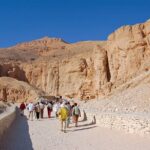
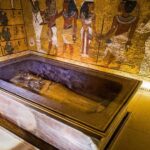
Your first day is all about Luxor’s west bank, the side opposite modern Luxor that served as a royal burial zone for centuries. You’ll start with the Valley of the Kings, used for pharaohs and nobles roughly from the 16th to the 11th centuries BC. It’s not just a “pretty valley.” It’s where you get a clear sense of why ancient Egypt treated death as a long, planned journey.
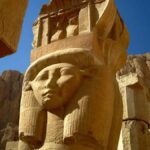
Next comes the Temple of Hatshepsut at Deir el-Bahari. This is one of the most dramatic settings in the Luxor area, and it’s tied to a specific historical figure: Queen Hatshepsut, built in Egypt’s 18th Dynasty era (about 3,500 years ago). You’ll walk through a funerary temple that feels theatrical even before you start paying attention to the details.
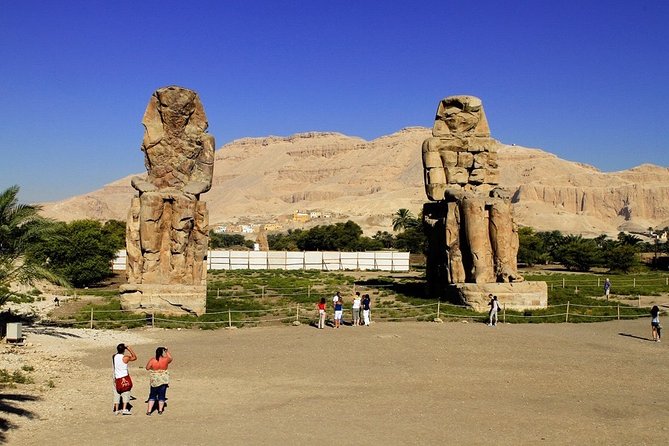
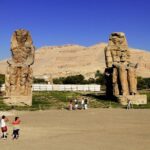
To wrap up the day, you visit the Colossi of Memnon—two huge statues from around 1350 BC. They’re basically all that’s left from a bigger complex honoring Amenhotep III. It’s a good “scale check” after the earlier tomb and temple sites.
Practical note: this day is listed as about 2 hours + 2 hours + 30 minutes. Plan to move at a steady pace and bring something for sun and dust, because west-bank sites can feel exposed.
Early Morning Over Luxor: Hot-Air Balloon Views and the East Bank Temples
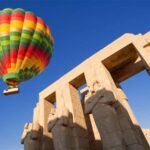
Day 2 starts before the day gets loud. You’ll be picked up early for a hot-air balloon ride over Luxor’s west bank. The flight time is about 45 to 55 minutes, and the big payoff is seeing the “open-air museum” look of Luxor—temples, mountains, and the river corridor all spread below you.
If you hate waiting around in the heat, this balloon timing is a big win. You get your views early, then switch back to comfortable, guided temple time.
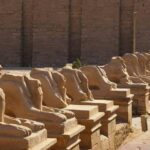
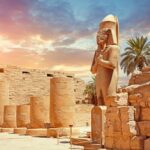
After the balloon, you go to the Temple of Karnak, one of the largest and most impressive temple complexes in Egypt. You’ll spend about 2 hours here, with stops that include the Avenue of Sphinxes and the Hypostyle Hall (with its many tall columns). You’ll also see key elements tied to different rulers, which helps you understand how Karnak grew over time rather than being built in one single moment.
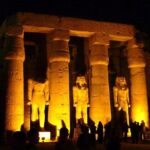
Then you finish with the Luxor Temple on the east bank, about 2 hours. Built around 1400 BCE, it connects to the broader theme of Karnak and Amun worship in the region. Seeing both Karnak and Luxor Temple in the same day gives you a clearer mental picture of how the east bank functioned as a living ceremonial center.
Balance check: this is a full day with an early start and two major temple visits. If you’re the type who needs long recovery naps, keep that in mind.
You can also read our reviews of more boat tours in Luxor
Cruise Day 3: Edfu’s Temple of Horus and Kom Ombo’s Double Temple
You shift from Luxor’s major complexes to more “focused” temple architecture as the cruise heads south. After breakfast, you visit the Temple of Horus in Edfu, guided and well-preserved for the kind of temple it is. The temple is dedicated to the falcon-headed god Horus, and it’s set up so you can appreciate the craftsmanship without it feeling like you’re sprinting through rooms.
Then you go to Kom Ombo, where the key feature is that it’s a double temple. It was constructed in the Ptolemaic dynasty era (180–47 BC), with later Roman additions. In plain terms: you’re seeing a temple designed with two worship areas in mind, which makes the layout feel unusual compared with many other Egyptian temples.
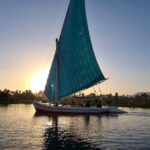
Lunch is on board as the ship sails toward Aswan, and you’ll overnight in Aswan. That “temples, then lunch at the right time” rhythm is one reason cruise formats work. Instead of constantly changing cities and checking into new hotels, you keep one base and let the river do the traveling.
Abu Simbel in the Morning: A Long Day That’s Built for Big Wow Moments
Day 4 is the tour’s marathon. Early in the morning you go to the Abu Simbel Temple Complex for a guided visit. The time listed is about 7 hours, and that number matters: you’re committing to a full-day excursion even though you’re staying on a ship.
Admission is not included for Abu Simbel, so this is one place where the “all-in” feeling is a little less complete than the rest of the itinerary. Still, for many people, this is the highlight because the site is so distinctive in scale and visual impact.
After the guided visit, you return to the cruise for lunch. The afternoon is left open for the ship’s activities, and then dinner and a second overnight on board in Aswan.
What makes this day feel worth it: the schedule protects your time. You’re not trying to piece Abu Simbel together on your own while handling transport and timing. The ship-to-bus-to-temple rhythm keeps the stress level down.
Aswan’s Finale: Philae Temple by Boat and the High Dam
On Day 5, you check out at 8am and begin with a boat trip to Temple of Philae, dedicated to the goddess Isis. You’ll have about 2 hours here. The boat transfer matters because it changes the feel of the visit—you start with movement across the river, then slow down into the temple experience.
Next you head to the Aswan High Dam, about 1 hour. This is a modern engineering stop that explains how the Nile was managed in the 20th century. It’s also helpful context for understanding why the river has shaped life in so many ways, long before and long after the ancient monuments were carved.
After the High Dam visit, the tour concludes in Aswan. It’s a clean ending: you finish with a mix of sacred space (Philae) and the modern story of water control (High Dam).
The Value Math: What You’re Really Paying For
At $799.33 per person for roughly 5 days, the first thing to check is what’s actually included beyond the tours.
This package includes 4 nights on a 5-star cruise ship, full-board with breakfast (4), lunch (4), and dinner (4). It also includes an Egyptologist-speaking guide for excursions and pickup and drop-off by air-conditioned car, plus meet-and-greet service upon arrival and departure. For anyone who doesn’t want to coordinate logistics day by day, that bundled structure is a big deal.
Most major admissions are listed as included (Valley of the Kings, Hatshepsut, Karnak, Luxor Temple, Edfu, Kom Ombo, Philae, and the High Dam). The two “exceptions” you should note are:
- Hot-air balloon is included, but it can be canceled due to weather (refund is stated as $24 per person if canceled).
- Abu Simbel admission is not included, and that’s a key add-on to budget for if you’re trying to estimate total costs.
Then there’s tipping. Tips for tour guides, drivers, and Nile cruise crew are not included, so you’ll want to plan for that extra expense. Even when a tour is well priced, tips are how staff are recognized for the long days.
A few more Luxor tours and experiences worth a look



Comfort and Service: Why the Cruise Part Matters
A big part of why people love this style of trip is the pace. When your “hotel” moves with you, your days can stay focused on sites rather than check-in lines and packing.
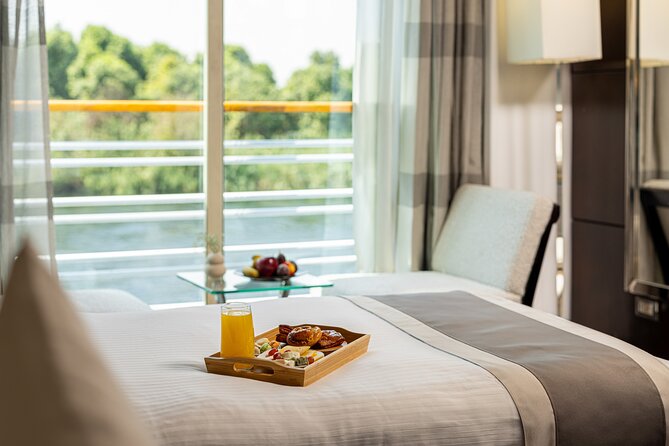
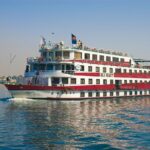
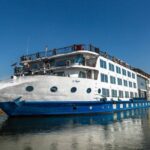
The cruise is listed as 5 stars, with clean, comfortable rooms and service that aims to keep you taken care of while you’re out. On travel days, the ship structure also gives you a predictable base for meals. A lot of Egypt itineraries can feel like you’re eating whenever you manage to get a moment. Here, the schedule gives you set meal times.
And when the day ends, you’re not stuck planning how you’ll get back to your room. The tour format builds in transfers so your main job is showing up and wearing sunscreen.
Small Things to Plan For (So the Big Things Stay Fun)
A couple practical considerations can make your experience smoother:
- Early starts are real. Day 2 begins with the balloon pickup, and Day 4 includes an early Abu Simbel trip. If you’re sensitive to morning schedules, you’ll feel it.
- Walking and heat are part of the deal. Even with guided visits, Egyptian temples and royal sites usually mean uneven ground, stairs, and sun exposure.
- Keep a budget buffer for extras. Abu Simbel admission isn’t included, and tipping isn’t included. Also remember the balloon refund applies only if the ride is canceled due to weather.
- Know you’re on a private tour for your group. The “private tour/activity” setup can be a plus if you want your guide to tailor pacing a bit to your group.
Should You Book This Luxor-to-Aswan Cruise With Hot-Air Balloon?
Book it if you want a single planned route from Luxor to Aswan that includes a luxury cruise base, expert-led temple stops, and a balloon ride that many Egypt trips don’t include. It’s also a strong match if you like having meals and transport handled, so your time goes toward sights instead of logistics.
Skip it or look for an alternative if:
- You don’t handle very early mornings well.
- You prefer to pay for tickets à la carte and manage transport yourself.
- You want every major admission included—since Abu Simbel admission isn’t included here, you’ll want to budget for that extra cost.
If your goal is a comfortable, well-timed Upper Egypt route that hits Luxor’s west and east banks, then cruises to Edfu, Kom Ombo, and Aswan with a big Abu Simbel day in the middle, this itinerary fits the bill.
FAQ
What’s the duration of the tour?
The tour is listed as 5 days (approx.), with 4 nights on a 5-star cruise included.
What’s included in the price?
The package includes the 5-star Nile cruise on a full-board basis (breakfast, lunch, dinner), Egyptologist-speaking guide during excursions, air-conditioned car pickup and drop-off, meet-and-greet upon arrival and departure, and admissions for most included stops. It also includes the hot-air balloon ride.
Is the hot-air balloon ride included, and what if it’s canceled?
Yes, the hot-air balloon ride is included. If it’s canceled due to unfavorable weather conditions, you’ll be refunded $24 per person.
Are temple and monument admission tickets included?
Most admission tickets are included for the listed stops (Valley of the Kings, Hatshepsut, Karnak, Luxor Temple, Edfu, Kom Ombo, Philae, and Aswan High Dam). Abu Simbel Temple Complex admission is not included.
Do you get pickup and drop-off?
Yes. The tour includes pickup and drop-off by air-conditioned car, plus meet-and-greet service on arrival and departure.
What about tipping?
Tipping for tour guides, drivers, and the Nile cruise crew is not included, so you should plan for that.
When does the experience start?
The meeting point is listed with a start time of 12:00 pm.