REVIEW · LUXOR
5 Days Nile Cruise From Luxor To Aswan Including Hot Air Balloon & Abu Simbel
Book on Viator →Operated by Let's Discover Egypt · Bookable on Viator
Temples by day, skies by dawn. This 5-day Luxor to Aswan Nile cruise strings together Karnak, Edfu, Kom Ombo, Philae, and Abu Simbel, plus a hot air balloon over Luxor West. You’re on a five-star cruise for full-board days, guided by an Egyptologist as you hop between East Bank and West Bank hits.
I especially like the pace and comfort. The ship setup tends to feel calm in the afternoon, while mornings are packed with temple time, and reviews specifically praise clean, comfortable cabins and strong on-board service and food. I also like that the history isn’t just recited. You get guided context on what you’re seeing, and in real experiences, guides like Jimmy (Gimbel) and Muhammad were singled out for being friendly and professional.
One drawback to plan for: Abu Simbel starts extremely early (around 4:30 AM), and it turns into a long day.
In This Review
- Key things to know before you go
- Luxor to Aswan Nile Cruise: how this 5 days really feels
- Day 1 in Luxor: Karnak and Luxor Temple before the ship rhythm kicks in
- Day 2 West Bank classics: hot air balloon, Colossi of Memnon, Hatshepsut, and Kings Valley
- Day 3 Edfu and Kom Ombo: preserved temple walls and riverbank power
- Day 4 Aswan High Dam and Philae: big modern engineering plus one of the most beautiful temple settings
- Day 5 Abu Simbel: the 4:30 AM start that makes the whole trip feel worth it
- Price and value at $695: what’s included, what costs extra, and who it suits
- Group size, guides, and the small details that affect your day
- What to pack and how to survive the temple days
- Should you book this Luxor to Aswan cruise with hot air balloon and Abu Simbel?
- FAQ
- What is included in the $695 per person price?
- Are entrance fees included for Karnak, temples, and other sites?
- If the hot air balloon is canceled because of bad weather, do I get money back?
- Is there an age limit for the hot air balloon ride?
- How early is Abu Simbel pickup on the last day?
- Are tips included in the tour price?
Key things to know before you go
- Hot-air balloon over Luxor West (included in the price), with a weather-cancellation refund of $25 per person
- Egyptologist-led temple circuit across Luxor East Bank, plus West Bank classics like Hatshepsut and the Valley of the Kings
- Edfu + Kom Ombo stops built into the cruise sailing, with temple visits on arrival
- Aswan High Dam and Philae Temple with the Philae crossing by small motorboat
- Abu Simbel is a shared, small-group day that takes you far earlier than most people expect
- Group size capped at 15 and a cruise style that isn’t rushed in the afternoons
Luxor to Aswan Nile Cruise: how this 5 days really feels
This is a classic Nile route with modern comfort. You start in Luxor, sail south through Edfu and Kom Ombo, and finish in Aswan—then throw in two major “wow” add-ons: the Luxor hot air balloon and an Abu Simbel day trip.
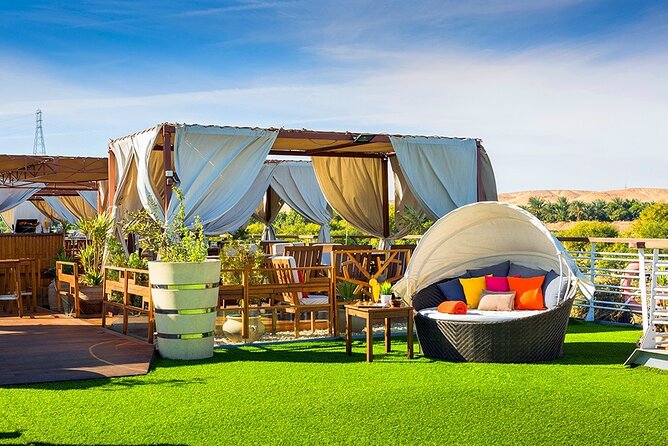
What makes this trip work for many first-timers is the rhythm. Mornings are temple-heavy, then you get more relaxed time later—think sundeck breaks and afternoon tea while the ship sails. Even better, the tour uses guided explanations so you’re not just walking through stone and guessing.
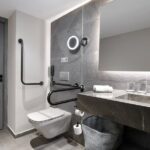
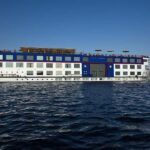
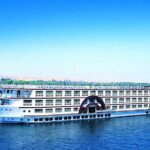
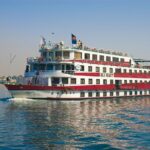
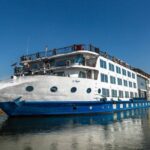
Your base is a five-star cruise with full-board meals included for the cruise nights (you get 4 nights on the ship, according to the package). Reviews also highlight that rooms are clean and comfortable, and that the food and service are strong for a group tour.
The big thing to mentally budget for is fatigue management. Egypt’s heat hits harder than you expect, and the temples include lots of standing and walking. The schedule is designed to be doable, but it’s still intense—especially on the Abu Simbel day.
You can also read our reviews of more boat tours in Luxor
Day 1 in Luxor: Karnak and Luxor Temple before the ship rhythm kicks in
Day 1 is about getting your bearings fast in Luxor. After pickup from your hotel, airport, or railway station, you transfer to the cruise. If you arrive early, you may start right away so you don’t waste time waiting around for the cruise check-in time (the package notes cruise check-in at 12:00 PM).
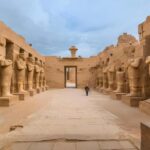
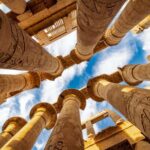
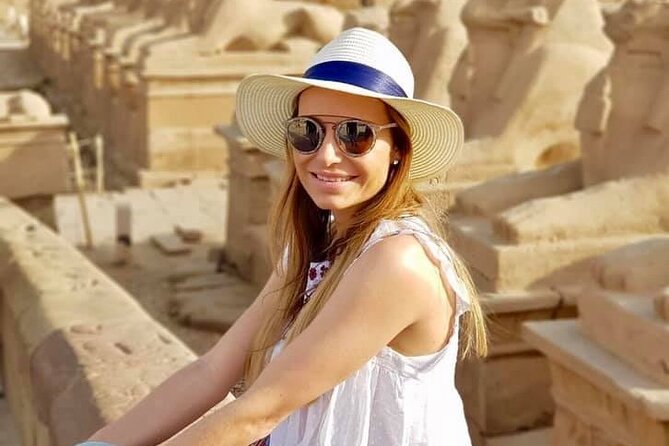
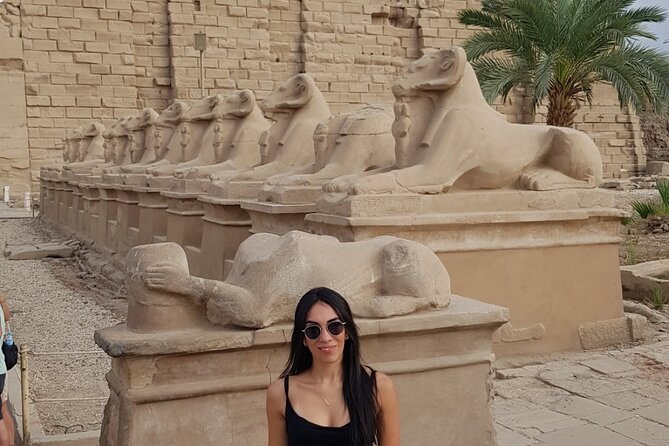
Once you’re settled, you head to the Luxor East Bank temples. Karnak Open Air Museum is the first stop, and it’s not just one temple—it’s a sprawling complex of sanctuaries, pylons, obelisks, and sanctuaries tied to the Theban gods. The guide’s job here is key: you’ll get a map-in-your-head feeling for why it’s set up the way it is and what you’re looking at.
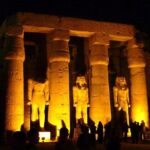
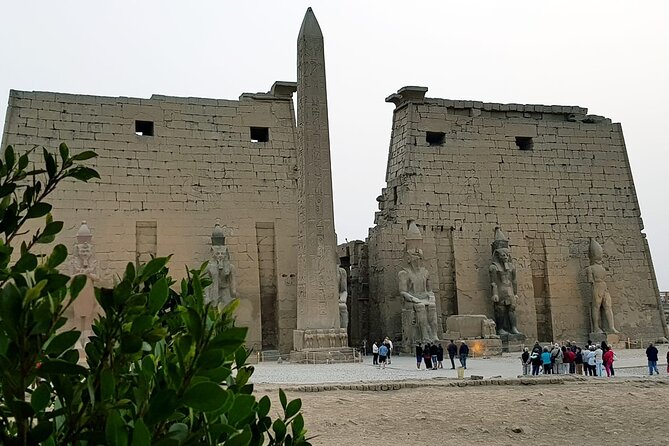
Next comes Luxor Temple, tied to New Kingdom pharaohs. This is where details start to feel less random—especially with the mention of construction and additions through reigns like Amenhotep III, plus later completion references. It’s also where the tour’s guided approach helps: you’re seeing the temple as a timeline, not just a postcard.
Back on board: dinner, a folkloric show, and overnight on the Luxor leg. This is a good first day because you’re not only doing temples—you also set your cruise routine early.
Day 2 West Bank classics: hot air balloon, Colossi of Memnon, Hatshepsut, and Kings Valley
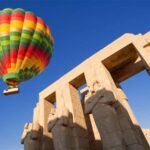
If you like photographs that look impossible, this is your day. It starts with an early pickup for the hot air balloon ride over the Luxor West Bank. The flight time is listed as about 40 to 55 minutes (ride time), with a breakfast box provided.
Why the balloon matters: it gives you the geography. The West Bank looks like a patchwork of ruins, cliffs, and temple sites. From above, the distances make sense, and you can connect what you’ll see on the ground later that day. It’s included—and the package notes that if weather cancels the balloon, you receive a refund of $25 per person.
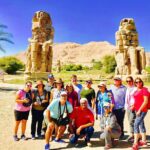
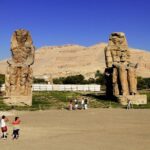
After landing, you stop for a photo stop at the Colossi of Memnon—those two huge twin statues associated with Amenhotep III. The tour frames their fame with the phenomenon that gave them their name, and it’s a quick, satisfying pause before the big walking.
Then you move into the standout West Bank storylines:
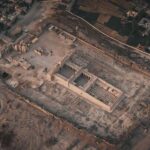
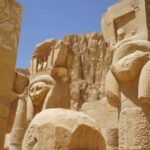
- Temple of Hatshepsut at Deir el Bahari: a terraced complex rising from the desert plain, tied to her reign and the family connections the tour mentions.
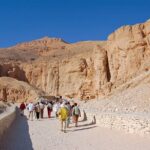
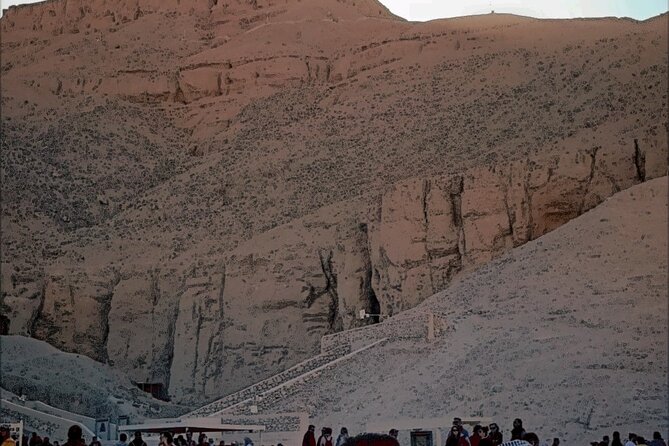
- Valley of the Kings: the famed “place of truth,” where royal tombs were created for afterlife hopes. The tour calls out major names like Merneptah and Ramesses III and VI.
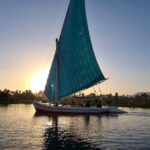
Afternoons shift gears into sailing. You’ll head back to the cruise, then navigate toward Edfu via Esna Lock. Lunch and afternoon tea happen on board while you watch the Nile glide past. It’s one of the nicest parts of this style of trip: you get the big history hits in the morning, then you get real down time later.
Day 3 Edfu and Kom Ombo: preserved temple walls and riverbank power
Day 3 starts with breakfast on board and a visit to Edfu Temple, dedicated to Horus. This temple is described as the most preserved in Egypt, and the guide’s explanation focuses on the Ptolemaic-era construction and the myth themes carved into the walls, including the Horus vs. Seth storyline.
Edfu is also where the cruise helps you. The ship time between stops is not wasted. You can relax on the sundeck, have tea, and watch the river movement while the day’s next temple becomes your payoff.
After Edfu, the ship sails toward Kom Ombo. You arrive and visit the Temple of Kom Ombo, dedicated to Sobek Ra (crocodile god) and Horus the elder. The temple is positioned right by the riverbank between Edfu and Aswan, which makes it feel like a purposeful stop rather than a random excursion. The tour also notes its construction in the Ptolemaic period around 180 BC.
Dinner on board leads into the Galabyia Party, and then you overnight in Aswan city. That party detail matters in a practical way: it gives you a social moment that isn’t just standing in a museum line.
Day 4 Aswan High Dam and Philae: big modern engineering plus one of the most beautiful temple settings
Aswan is the day where the tour shows you Egypt in two modes: modern power and ancient devotion.
First up is the Aswan High Dam. The tour frames it as a 1960 project for flood control and electricity generation, with size details like its length, thickness at the base, and height. You also learn how Lake Nasser holds behind it, and why that reshaped life along the Nile.
Then you go to Philae Temple. This is one of those stops where the setting does half the work. The tour takes you by small motorboat to the island location, and the description emphasizes the temple’s look as well as its ties to Isis. The package also notes that Philae was moved to its current location after the High Dam threatened to submerge it.
The temple complex is described as especially picturesque, and the guide is the difference between seeing shapes and understanding why the place mattered. It’s also one of the few places where the narrative naturally shifts across eras: the tour mentions the cult of Isis and how long the ancient religion endured after Christianity arrived.
You finish the day back with your cruise plans in place, so you’re not scrambling for transport while you’re tired.
A few more Luxor tours and experiences worth a look

Day 5 Abu Simbel: the 4:30 AM start that makes the whole trip feel worth it
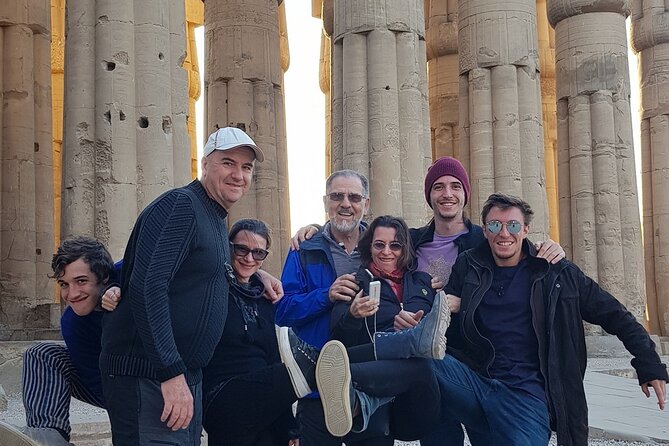
This is the long one. The package notes a 4:30 AM check-out and pickup for a sharing small group tour to Abu Simbel. Expect a day that runs far longer than normal temple visits because you’re traveling early and dedicating most of the day to one major target.
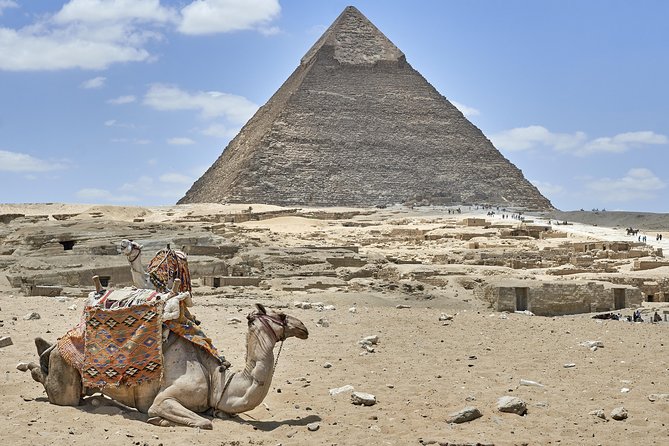
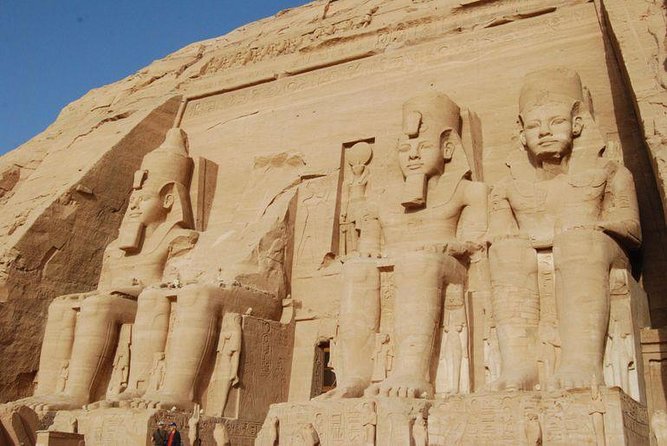
Abu Simbel is a UNESCO-saved story in stone: rock-cut temples built for Ramesses II and Queen Nefertari, with the temples framed as masterpieces of New Kingdom architecture. The tour also notes the government and UNESCO effort to protect the temples from flooding—so when you see it, you’re not only looking at ancient kings. You’re also looking at modern rescue engineering in the background of the story.
Because there are no details here about additional temple stops or lunch structure at Abu Simbel, I’d treat this as a full-day commitment and plan around it: bring water (the cruise provides bottled water for outings outside the ship, but day-trip specifics aren’t listed), protect yourself from sun, and keep your energy for early hours.
If you hate early mornings, this is where you’ll feel it. If you love big “bucket-list” sites and don’t mind sacrificing sleep, this stop tends to justify the whole trip.
Price and value at $695: what’s included, what costs extra, and who it suits
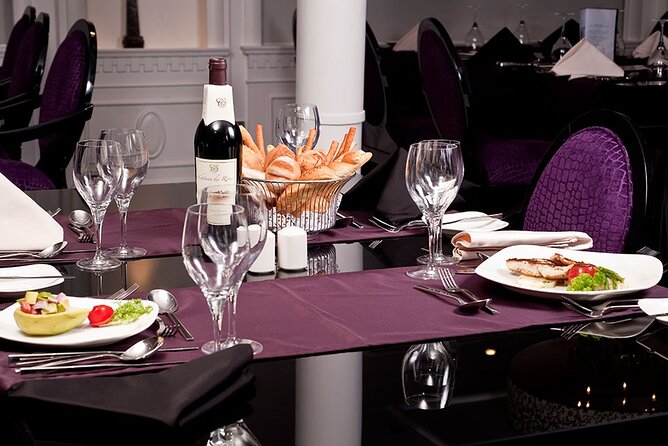
At $695 per person, the deal only makes sense if you actually want the included mix: five-star cruise lodging with full-board meals for the cruise nights, guided temple visits, a hot air balloon ride, and the Abu Simbel day trip in a small shared group.
Here’s the value breakdown in plain terms:
- You’re paying for time efficiency. The tour handles transfers by air-conditioned vehicle and guides you between major sites that are hard to stitch together neatly on your own.
- You’re paying for guided context. Egyptologist-led narration turns temple stones into a readable story.
- You’re paying for one big paid highlight already built in: hot air balloon over Luxor West.
What’s not included matters:
- Entrance fees to the sightseeing are not included for the listed sites.
- Tipping for guide/drivers/crew is not included.
- On-board meals don’t include water or drinks, and there’s no WiFi on the Nile cruise listed.
So you’ll likely spend extra on entry fees and tipping, even if the main package price is clear-cut. Still, for many first-time visitors, this style of “known schedule + minimal logistics” is worth it.
This tour fits best if you:
- Want a first big Nile circuit without planning every step
- Like comfortable lodging and don’t want to drive
- Want the balloon and Abu Simbel, but prefer it handled as a single package
- Are okay with a fairly active day schedule (especially Day 5)
It might not fit if you want lots of free, unstructured hours every day. This is guided history first, relaxation second.
Group size, guides, and the small details that affect your day
Group size is capped at 15 travelers, which is a meaningful quality signal. Smaller groups usually mean less standing around and less chaos at temple entrances.
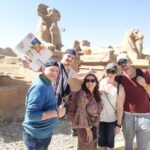
You’ll travel with an Egyptologist speaking guide during excursions. And the reviews reinforce that the guides’ professionalism and knowledge were a major reason people enjoyed the trip. Names like Jimmy (Gimbel) and Muhammad show up in feedback as examples of friendly, competent leadership.
The tour also includes bottled water during outings outside the cruise ship. That’s practical in heat. But be aware: water or drinks during meals aren’t listed as included, so bring the mindset that you may pay for drinks during meal times.
A practical note from one less-perfect review: one person reported toiletries being stolen from a cabin (spray and shower items). The company response said they couldn’t find a record on cameras and suggested it might have happened during a taxi transfer. That doesn’t mean it’s common, but it is a reminder: keep valuables and essentials on you when possible, especially during transfer moments when you’re not in your room.
What to pack and how to survive the temple days
This kind of trip punishes poor packing decisions. Heat, early starts, and long days mean you’ll feel every missing comfort.
I’d pack:
- Light layers for temple walks and early mornings
- A sun hat and sunscreen (especially for the balloon day and Abu Simbel day)
- Comfortable walking shoes with grip
- Sunglasses and a small refillable water bottle (even if bottled water is provided at some points, it’s smart to stay flexible)
Also plan for the pace. Even when afternoons are calmer, you’ll spend mornings moving between major sites like Karnak, Luxor Temple, Hatshepsut, the Valley of the Kings, and the Edfu/Kom Ombo complex.
If you’re sensitive to early mornings, mentally rehearse Abu Simbel. That’s the day that will shape your comfort the most.
Should you book this Luxor to Aswan cruise with hot air balloon and Abu Simbel?
I’d recommend it if you want a well-timed Luxor-to-Aswan package with two headline experiences already locked in: hot air balloon over Luxor West and Abu Simbel. The combination is exactly what makes a first Nile cruise feel complete without turning your trip into a logistics project.
Book it with confidence if:
- You like guided temple explanations and want an organized schedule
- You value five-star cruise comfort and full-board convenience
- You’re ready for early hours and a long final day
Don’t book it if:
- You dread waking up around 4:30 AM
- You dislike paying extra entrance fees on top of the package price
If you fall in the “first-timer who wants the big hits with minimal stress” category, this is a strong choice.
FAQ
What is included in the $695 per person price?
The package includes meet-and-greet assistance, hotel or station pickup, air-conditioned transfers, 4 nights on a five-star Nile cruise with full-board, Egyptologist guide excursions, bottled water during outings outside the ship, a hot air balloon ride over Luxor West, and a sharing small-group Abu Simbel tour (English guide). It also lists dinner and breakfast on the cruise and lunch during the day programs.
Are entrance fees included for Karnak, temples, and other sites?
No. Entrance fees for the mentioned sightseeing are listed as not included. The hot air balloon admission is included.
If the hot air balloon is canceled because of bad weather, do I get money back?
Yes. If the balloon ride is canceled due to bad weather, you’ll receive a refund of $25 per person.
Is there an age limit for the hot air balloon ride?
Yes. Children under 6 years old can’t participate in the Luxor hot air balloon ride.
How early is Abu Simbel pickup on the last day?
You check out around 4:30 AM, and then you’re picked up for the Abu Simbel visit in a sharing small group.
Are tips included in the tour price?
No. Tipping for the tour guide, drivers, and the Nile cruise crew is not included.