REVIEW · LUXOR
5 Days Dahabiya Nile River Cruise from Luxor to Aswan
Book on Viator →Operated by Roxana Travel · Bookable on Viator
A 4500-year-old river route deserves a slow boat. This 5-day Dahabiya Nile cruise from Luxor to Aswan pairs standout temples with a calmer pace than big ship tours. You’ll see the Valley of the Kings, Deir el Bahari, Karnak, Edfu, Kom Ombo, and Philae, with an Egyptologist guiding every major stop.
What I like most is the mix of huge icons and the smaller details you’d normally rush past. I also like that you get air-conditioned transfers plus entrance fees and Egyptologist guidance included, so you’re not constantly figuring things out while you’re in the heat. One heads-up: the days can feel packed with major sites, so you’ll want good walking shoes and a flexible mindset about timing.
In This Review
- Key Highlights Worth Your Time
- Why Luxor to Aswan Works So Well on a Dahabiya
- Day 1: The Royal West Bank Combo—Valley of the Kings, Hatshepsut, Karnak
- Valley of the Kings: Tombs cut into the rock
- Temple of Hatshepsut at Deir el Bahari: A queen who built like a king
- Colossi of Memnon: Quick, iconic, and worth a glance
- Karnak Temple: The monumental maze
- Day 2: Edfu Temple and Gebel el Silsila—Seeing the Nile’s Supply Chain
- Temple of Horus in Edfu: The big Horus stop
- Gebel el Silsila: The quarry that helped build legends
- Day 3: Kom Ombo’s Double Temple—Why It Feels Unusual
- Day 4: Aswan’s Modern Power Meets Ancient Ritual—High Dam, Unfinished Obelisk, Philae
- Aswan High Dam: A quick, important modern landmark
- Unfinished Obelisk: The quarry process in human scale
- Philae Temple: Island temple in a reservoir world
- What Your Days Feel Like Onboard: Food, Crew, and That Dahabiya Pace
- Price and Logistics: The $1,999 Question (And Whether It’s Fair)
- How to Book Smart for Your Group Size and Style
- Should You Book This Dahabiya Nile Cruise?
- FAQ
- How long is the Dahabiya Nile cruise from Luxor to Aswan?
- How many nights do we stay onboard?
- What meals are included?
- Are entrance fees included for the sights?
- Do we get an Egyptologist guide?
- Is pickup or transportation included?
- Are tips included in the price?
- Is the tour private?
- What if a hot air balloon is canceled due to bad weather?
- What is the cancellation policy?
Key Highlights Worth Your Time
- Dahabiya cruising vibe: more “live on the Nile” than “bus-and-clockwork,” with time to actually relax between stops.
- Egyptologist-led monuments: you’ll get the why behind the walls, from royal tombs to Ptolemaic double-temple design.
- Prime Upper Egypt lineup: Karnak, Edfu, Kom Ombo, and Philae are the core hits for this region.
- Entrance fees covered: less hassle, fewer surprises at ticket gates.
- Food and crew attention onboard: multiple recent experiences praised tasty meals and a service-minded staff.
- Private for your group: only your group participates, so the pace can feel more tailored than standard group tours.
Why Luxor to Aswan Works So Well on a Dahabiya
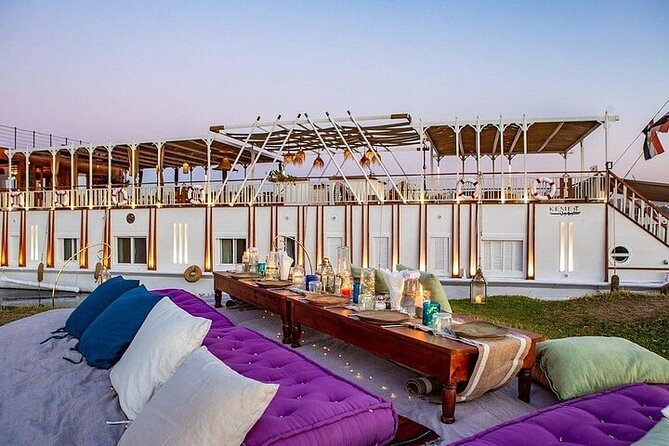
The Luxor-to-Aswan stretch is one of Egypt’s best travel ideas because it concentrates the big-name ancient sites into a logical river flow. Instead of jumping city to city, you get the rhythm: temple in the day, Nile air in the afternoon, and that slow “glide” feeling at dusk.
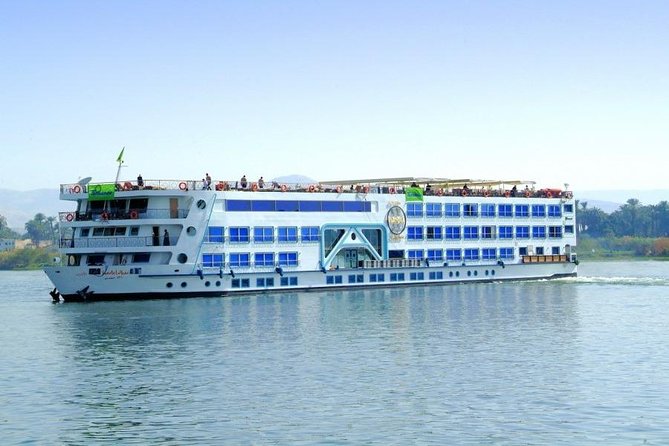
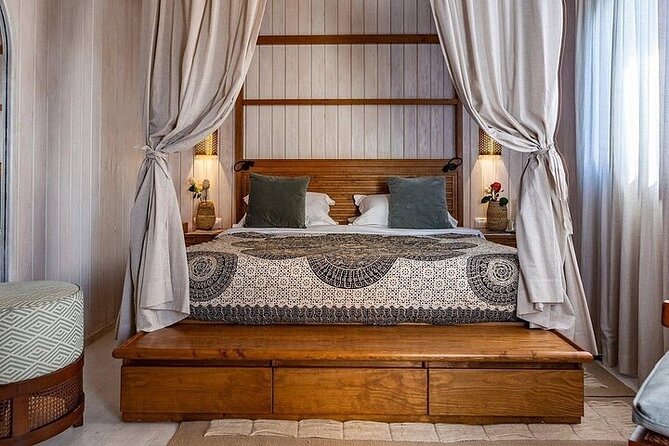
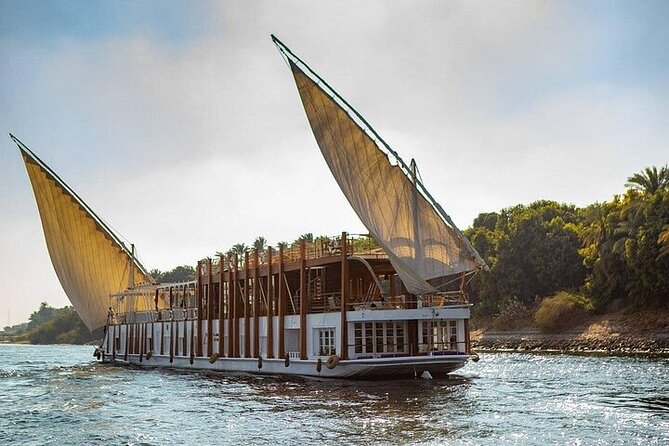
A Dahabiya specifically changes the tone. You’re not surrounded by a crowd the way you might be on larger boats, and the onboard experience tends to feel more personal. In multiple accounts, people highlighted that the boat and setup felt clean and pleasant, with staff staying attentive to day-to-day comfort. If you’re the type who wants your vacation to include downtime (not just photos), this format makes it easier.
You’ll also appreciate the structure. You get a modern air-conditioned vehicle for transfers and a plan for each day’s monuments. That matters because Upper Egypt is not the place where you want to improvise your timing while everyone else is trying to beat the midday sun.
You can also read our reviews of more boat tours in Luxor


Day 1: The Royal West Bank Combo—Valley of the Kings, Hatshepsut, Karnak
Day 1 starts in Luxor’s west bank world: kings, queens, and the dramatic theater of royal death rituals.
Valley of the Kings: Tombs cut into the rock
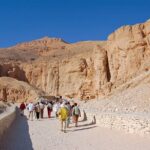
This is where the New Kingdom pharaohs were buried for nearly five centuries (roughly 16th to 11th century BC). You’ll walk through an active “who’s who” of ancient power, and the site’s name—Valley of the Gates of the Kings—fits the feeling. It’s not just one tomb you’re seeing; it’s the whole idea of a royal necropolis carved into limestone cliffs.
Practical tip: the site is a maze of corridors and chambers in concept, so pick a pace you can keep for the full 2 hours.
Temple of Hatshepsut at Deir el Bahari: A queen who built like a king
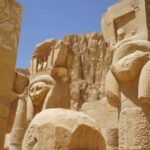
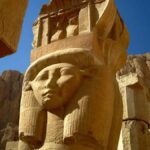
Hatshepsut’s mortuary temple is one of the most satisfying stops in Luxor. It’s famous not just for scale but for its architecture and the story of an 18th Dynasty ruler who effectively ruled as pharaoh. The cliffs and terraces give you a natural “layered” view, and it’s easy to understand why this temple feels like a masterpiece rather than a relic.
The time here is generous—about 1.5 hours—so you can actually look, not just pass through.
Colossi of Memnon: Quick, iconic, and worth a glance
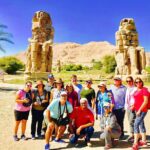
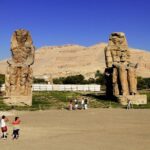
Two massive statues of Amenhotep III sit in front of the ruined mortuary temple complex. The visit window is short (around 20 minutes), but it works as a reset. Think of it as a bold “bookend” to Day 1’s west-bank sequence.
A few more Luxor tours and experiences worth a look




Karnak Temple: The monumental maze
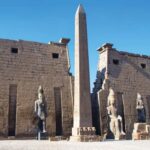
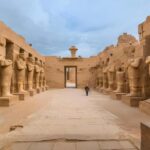
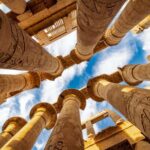
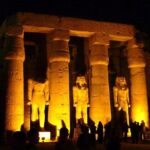
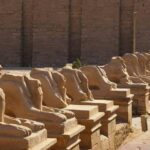
Karnak is a temple complex, not one building. It’s a sprawling collection of pylons, chapels, and structures—some grand, some ruined, all together forming a sense of scale that’s hard to fake. You get about 2 hours here, enough time to absorb the layout and not just rush the highlights.
If you want one takeaway from Day 1, it’s this: Luxor’s west bank and east bank aren’t separate stories. They connect into one system—royal rule, religious meaning, and the way power was displayed.
Day 2: Edfu Temple and Gebel el Silsila—Seeing the Nile’s Supply Chain
On Day 2, the vibe shifts from royal tombs to living religion and construction culture.
Temple of Horus in Edfu: The big Horus stop
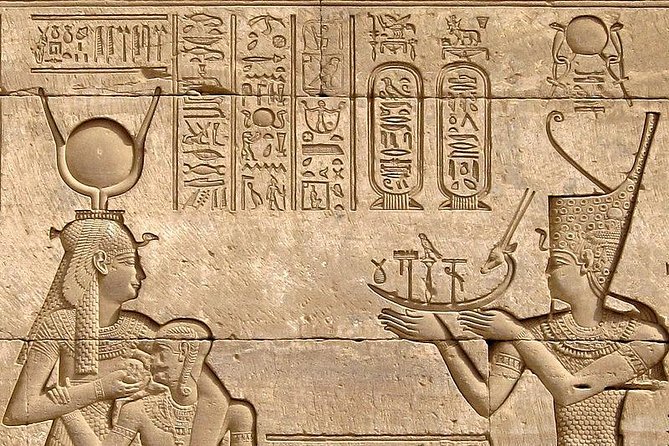
Edfu’s Temple of Horus is the kind of monument you understand more after you see it in person. You’re looking at a major site on the Nile’s west bank in Upper Egypt, with the god Horus at the center of the temple’s identity. With about 2 hours allowed, you can slow down and focus on the most important carvings and spaces.
Gebel el Silsila: The quarry that helped build legends
Gebel el Silsila sits between Edfu and Kom Ombo and is tied to an ancient quarry landscape. The point here is not only what you see today, but what it used to do: it supplied stone for major construction projects from the New Kingdom era (you’ll hear it connected to temples and monumental building efforts).
This is one of those stops that can feel different from the usual “temple front door” visits. You’re getting context for the material world—how empires literally created their monuments.
Because this day includes strong archaeology moments, you’ll want to stay hydrated and avoid overheating. The schedule is worth it, but you’ll feel the sun.
Day 3: Kom Ombo’s Double Temple—Why It Feels Unusual
Kom Ombo is the most distinct-feeling temple on this route because it’s a double temple. That means the layout is designed with two different divine sets in mind, rather than a single uniform focus. The site dates mainly to the Ptolemaic dynasty (180–47 BC), with later Roman-era additions.
You’ll have around 2 hours here, which is the right amount for a place that rewards careful looking. The structure’s “two halves” logic is exactly the kind of detail an Egyptologist helps you connect to the broader story of religion and rule along the Nile.
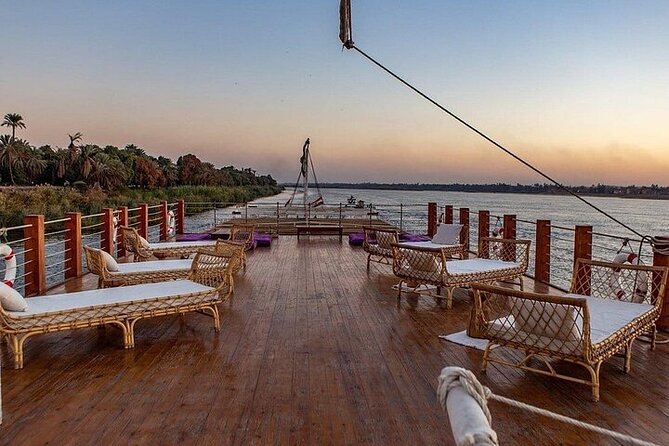
This is also a day where your cruise rhythm becomes obvious. Between land days, you have chances to enjoy onboard time—sit on deck, watch the banks slide by, and reset your brain after a full day of reading stone.
Day 4: Aswan’s Modern Power Meets Ancient Ritual—High Dam, Unfinished Obelisk, Philae
Day 4 is a great reminder that Aswan isn’t only ancient. It’s also where modern engineering dramatically changed the river’s behavior—and where ancient Egypt tried to create permanence.
Aswan High Dam: A quick, important modern landmark
You’ll spend about 30 minutes at the Aswan High Dam. It’s not a “temple like the others,” but it matters because it reshaped the Nile in the modern era. Seeing it alongside the ancient monuments gives you a fuller sense of how the Nile drives both history and present-day life.
Unfinished Obelisk: The quarry process in human scale
The unfinished obelisk is the largest known ancient obelisk. It’s found in Aswan’s northern quarry region, and the story behind it is visible in a way that polished finished monuments aren’t. You get about an hour here, which is perfect for walking, looking up, and imagining what went right—or what stopped.
Philae Temple: Island temple in a reservoir world
Philae sits on an island in the reservoir area created by the Aswan Low Dam downstream. Historically, it was near Egypt’s First Cataract, and the temple complex developed around that religious setting. You’ll have around 2 hours to experience it, which is enough time to appreciate the site’s atmosphere and architectural details.
Philae also benefits from timing. Even if you don’t control the exact light, the temple generally feels especially meaningful as the day cools down.
What Your Days Feel Like Onboard: Food, Crew, and That Dahabiya Pace
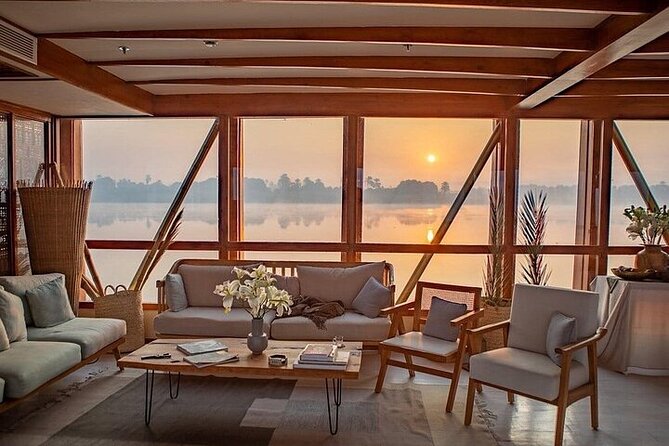
The onboard part is where this trip earns its reputation as “worth it” rather than just “full of sights.” The cruise includes 4 nights onboard and full board: 4 breakfasts, 4 lunches, and 4 dinners. That’s a big deal in Egypt because meal planning can otherwise become a daily mental chore.
Multiple accounts praised the food quality and described the crew as attentive—quick to help, ready to keep things running smoothly, and focused on comfort. That tends to matter most when you’ve had a long day at temples. It’s not luxury theater; it’s practical care.
You’re also on a private setup (your group only), which tends to reduce the “wait around for other people” problem. When your day is driven by scheduled monument visits, that alone can make the difference between a smooth trip and a frustrating one.
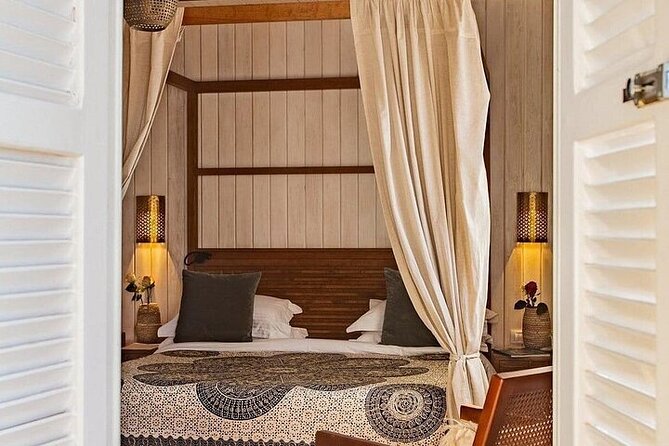
Room notes: if you want your own room, you’ll need to book for a single person. Groups of 3 enjoy a triple room. If you’re traveling with friends but want separate sleeping space, plan your bookings accordingly.
Price and Logistics: The $1,999 Question (And Whether It’s Fair)
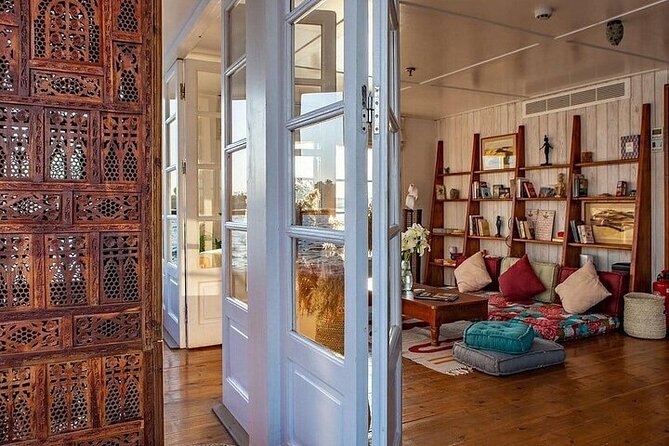
At $1,999 per person, this is not a bargain-basement cruise. But it also doesn’t price like a barebones sightseeing day. The value comes from what’s included:
- Accommodation for 4 nights onboard the Dahabiya (listed as 5-star)
- Full board meals during the cruise days
- All excursions included for the stops you’ll visit
- Entrance fees for sights between Aswan and Luxor
- Egyptologist guide
- All transfers by modern air-conditioned deluxe vehicle
- All fees and taxes
When you add up those categories, the “per person” number starts to look more like what you’d pay if you were building the trip yourself—except you don’t have to coordinate the guide, timing, and entry fees on your own.
Two small considerations:
- Tipping isn’t included. That’s common, but it’s still an extra cost you should budget for.
- Peak periods (Christmas, New Year, Easter) can bring an additional fee for certain date ranges, so check timing before you lock in.
Also, this cruise is in demand (it’s commonly booked about 75 days in advance). If you have a specific travel window, I’d treat early booking as smart, not optional.
How to Book Smart for Your Group Size and Style
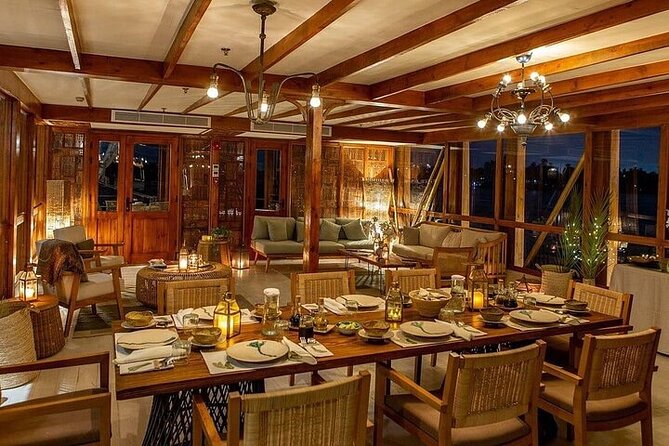
This tour is set up as a private activity where only your group participates. That’s ideal for couples, families, and friends who want a cleaner pace and less waiting around.
If you’re a history lover who also wants breaks, this balance works well: the schedule hits the major sites, but you’re not on a nonstop treadmill. The Dahabiya pace gives you a chance to sit down, eat well, and recover between monument-heavy days.
If you’re traveling with older family members or anyone who doesn’t like lots of walking, you’ll want to take it seriously: the sights are major, and you’ll be on your feet for each stop. Good shoes and a slower personal pace will make a difference.
And if you care about language and guidance, you should know that Egyptologists named Mohamed Eldahesh and Mohamed (plus Ahmed in one experience) are specifically mentioned in recent feedback. Whether your guide is one of those names or another specialist, the key is that you’ll have real expert context—not just a driver and a map.
Should You Book This Dahabiya Nile Cruise?
I think you should book it if you want a classic Luxor-to-Aswan route with major monuments, an onboard rhythm that includes real meals and downtime, and a guide-based approach that helps the sites click. The combination of entrance fees included, transfers handled, and full board makes it feel like less work and more time for the experience itself.
Skip it (or at least rethink) if you’re the kind of traveler who hates packed days. This trip gives you the headline sites in a structured sequence, so you’ll get less room for spontaneous detours than you might on a purely independent plan.
If your goal is to see the big ancient names—Karnak, Edfu, Kom Ombo, Philae—while still enjoying the Nile from a Dahabiya, this is one of the cleaner ways to do it.
FAQ
How long is the Dahabiya Nile cruise from Luxor to Aswan?
It’s scheduled for about 5 days (5 days / 4 nights onboard).
How many nights do we stay onboard?
You’ll stay for 4 nights onboard.
What meals are included?
Breakfast (4), lunch (4), and dinner (4) are included.
Are entrance fees included for the sights?
Yes. Entrance fees to the sights between Aswan and Luxor are included.
Do we get an Egyptologist guide?
Yes. An Egyptologist guide is included during your journey.
Is pickup or transportation included?
Yes. The tour includes assistance and all transfers by a modern air-conditioned deluxe vehicle.
Are tips included in the price?
No. Tipping is not included.
Is the tour private?
Yes. It’s described as a private tour/activity, with only your group participating.
What if a hot air balloon is canceled due to bad weather?
If the hot air balloon is canceled due to bad weather, you’ll be refunded with $25 per person.
What is the cancellation policy?
You can cancel up to 24 hours in advance for a full refund. Canceling within 24 hours of the experience start time won’t be refunded.