REVIEW · LUXOR
5 Days 4 nights Nile Cruise From Luxor to Aswan
Book on Viator →Operated by Ask the Egyptian · Bookable on Viator
A Nile cruise with temples beats bus-only days. You get an Egyptologist guide plus real time on the river, moving from Luxor’s grand sites toward Aswan’s island temples and dam views. I like the pace because you’re not just rushing between stops—you’re also getting breathing room on board.
Two highlights I especially like: starting with Karnak and Luxor Temple (that first wow hits fast), then pairing royal tombs with Deir el-Bahari’s Hatshepsut temple. One thing to plan for: entrance fees can be confusing in Egypt. Some stops are listed with admissions noted, but the trip notes also say entrance fees aren’t necessarily included—so I’d budget a little extra and confirm what’s covered before you go.
In This Review
- Key points before you go
- The Luxor-to-Aswan Nile cruise rhythm (and why it works)
- Entering Karnak and Luxor Temple: Thebes in full force
- Valley of the Kings, Hatshepsut, and the Colossi of Memnon: royal power in layers
- Edfu: Horus worship in a temple that’s still legible
- Kom Ombo: dual worship and the curious “healers” connection
- Aswan’s Philae and the High Dam: island devotion meets modern engineering
- On-board meals and the value of not fighting logistics
- Guides, language, and how to get more out of each stop
- Price and the real question: is it good value?
- What to pack and how to survive temple days
- Who this cruise is best for (and who may want a different style)
- Should you book this Luxor-to-Aswan Nile cruise?
- FAQ
- How long is the trip?
- Is pickup included?
- Are meals included?
- Is there an Egyptologist guide?
- What sites do you visit in Luxor?
- Which temples are included after Luxor?
- When and where does the tour end?
Key points before you go
- Small group size (up to 8): easier questions, less waiting, and more human-scale temple time
- 4-night cruise with Egyptologist guidance: you’re learning as you go, not just taking photos
- Meals included on board: breakfast, lunch, and dinner are built into the schedule
- Big hitters, well spaced: Luxor, Valley of the Kings, Edfu, Kom Ombo, Philae, and the High Dam
- Easy end-of-trip transfer in Aswan: drop-off at airport, train station, or your hotel
The Luxor-to-Aswan Nile cruise rhythm (and why it works)
If you’ve ever done Egypt at full speed, you know how quickly your feet and your brain can both overheat. This kind of cruise-style trip helps because the boat moves while you rest, and your day sightseeing stays structured.
Over 5 days / 4 nights, you focus on a clear route: Luxor first, then the temple circuit through Edfu and Kom Ombo, and finally Aswan. You’ll still have early starts on temple days, but the overall feel is calmer than a nonstop land tour.
The group stays small—maximum 8 travelers—which matters more than people think. Smaller groups mean you spend less time herding together at entrances and more time asking questions during the walk-throughs.
You can also read our reviews of more boat tours in Luxor

Entering Karnak and Luxor Temple: Thebes in full force
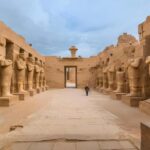
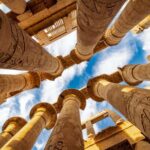
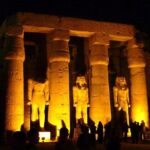
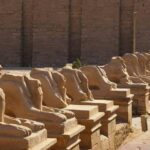
Day 1 opens with Temple of Karnak, the largest temple complex in the ancient world by the kind of scale that makes your brain do math. You’re looking at over-the-top columns, surviving obelisks, and huge halls that were designed for royal display and religious power.
What I like about starting here is that Karnak teaches you how Egyptians built authority into stone. Even if you know the basics, you’ll feel the difference between a single temple and an entire temple city, with each part doing a job in the larger story.
After Karnak, you head to Luxor Temple. It’s smaller than Karnak, but the architecture and sculpture are front and center. One practical bonus: Luxor Temple is a great transition because it feels like a readable chapter after the “everything everywhere” scale of Karnak.
Transfers and tickets are handled as part of the tour flow, so you’re not stuck figuring out timing on your first day. Expect this to be a long walking day, but it’s the kind that sets your trip up for success.
Valley of the Kings, Hatshepsut, and the Colossi of Memnon: royal power in layers

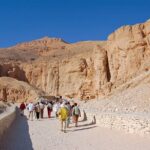
On Day 2, your morning begins with the Valley of the Kings. This isn’t just a tomb stop—it’s the reason Egypt feels like a mystery that never fully resolves. You visit the hidden valley where New Kingdom kings were buried with secrecy in mind.
The standout here is that you’re in the presence of royal burials and the tomb tradition that includes kings like Tutankhamen (even if you’re not going inside every tomb, the site context makes the whole place hit harder). Your Egyptologist guide helps translate what you’re seeing—why the valley layout mattered, and how burial reflected belief and politics.
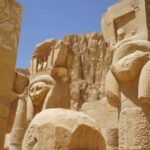
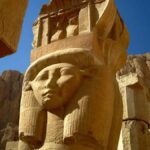
Then you move to Temple of Hatshepsut at Deir el-Bahari. This is one of those stops where the stonework feels like a lesson in design. Hatshepsut’s temple is carved into the mountain and known for its sculptural quality and religious purpose. You’ll also get the key historical angle: Hatshepsut ruled and used architecture to project legitimacy and power.
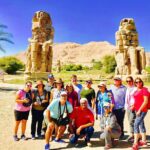
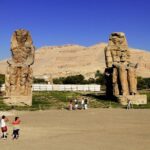
Finish the west bank loop with the Colossi of Memnon. These are just two massive statues, but they leave a strong impression. They’re a reminder that Egypt didn’t build only with walls and carvings; it built with scale and placement. It’s a nice closing act after the heavier tomb and temple experience.
Edfu: Horus worship in a temple that’s still legible
Day 3 starts with Edfu Temple, one of the best-preserved temples along this route. It’s dedicated to Horus, and the feel here is more than “wow”—it’s clarity. You can follow the religious theme as you move through spaces.
What I appreciate about Edfu is the Greco-Roman touch mixed with Egyptian tradition. That blend makes the site feel like Egypt wasn’t frozen in one era; it kept absorbing change while maintaining core worship.
The program notes say admission here is listed as free, but Egypt can be tricky with what’s included versus what you might still need to pay at the gate. I recommend keeping a small cash buffer for entrance surprises, and verifying ticket coverage with your operator before arrival.
Kom Ombo: dual worship and the curious “healers” connection
After Edfu, the cruise sails toward Kom Ombo. Here you visit the temple that’s famously divided into two halves with different divine focuses. It’s a clever design choice: the building reads like two temples running side by side.
The site is connected to mummified crocodiles and wall scenes tied to healing and medical tools. That combination—religion plus practical imagery—gives you a different view of what “temple life” meant. This isn’t just mythology. It’s a place where care, belief, and the symbolism of restoration were linked.
You’ll likely spend about an hour here. It’s long enough to absorb the layout without turning into a fatigue slog. After that, the river time helps you reset.
A few more Luxor tours and experiences worth a look




Aswan’s Philae and the High Dam: island devotion meets modern engineering
Day 4 brings Philae Temple, reached by boat. Philae is dedicated to Isis and Hathor, and the program notes describe the temples as “the Island of Love,” which fits the vibe: the setting and the carvings feel intimate even when they’re grand.
One important detail: you’re not standing on the original location of the temples. The program explains that the structures were saved from drowning and moved to the current island. That matters, because it changes how you experience the site—you’re seeing preserved history, not an untouched ruin.
After Philae, you head to the Aswan High Dam. This stop is shorter, but it’s a strong counterpoint to ancient Egypt. You’ll look toward Lake Nasser—an enormous artificial reservoir—and hear the reasoning behind the dam: controlling flood cycles that once destroyed villages.
The High Dam can feel oddly “normal” after temples. That’s the point. It reminds you Egypt is still shaping its future while living with the weight of its past.
On-board meals and the value of not fighting logistics
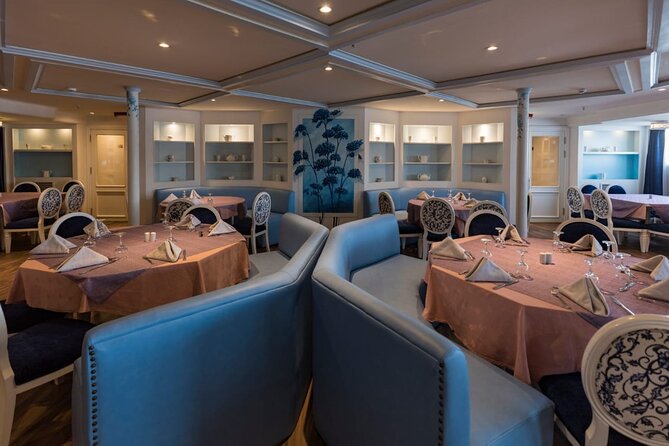
A big part of why this cruise works is the inclusion of meals. You get breakfast, lunch, and dinner on board for the days that align with sightseeing. That’s not just convenience. It reduces decision fatigue and keeps your schedule from fragmenting into “where should we eat now?”
The tour also includes a small bottle of water per person on each tour, which is one of those minor perks that saves you from constant vending-machine hunts in hot weather.
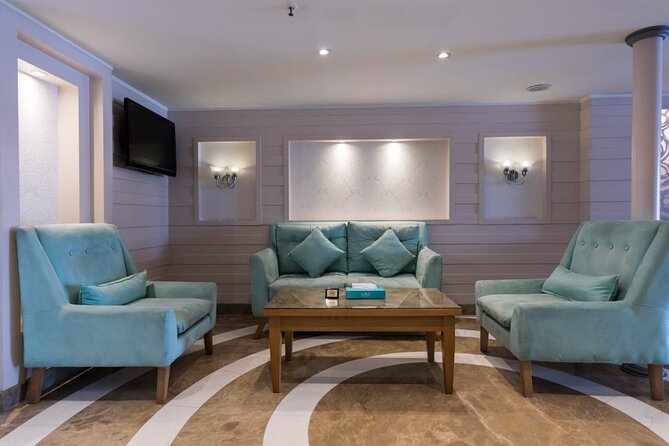
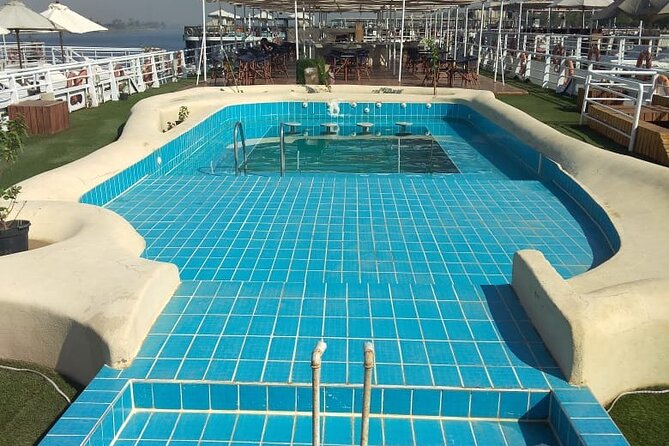
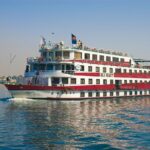
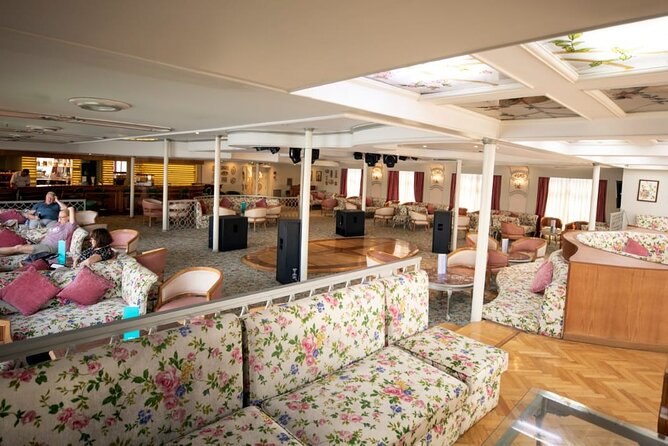
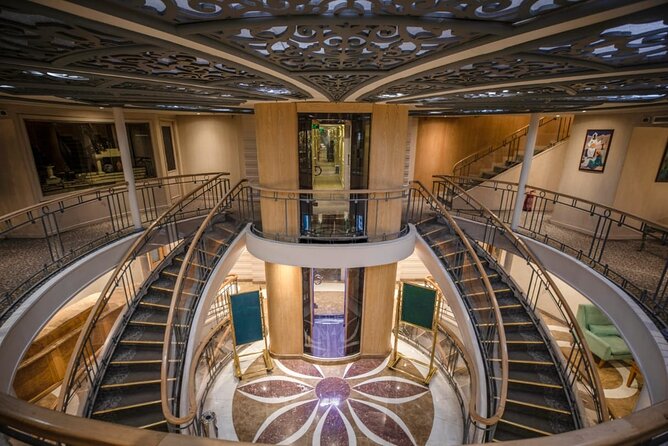
From a comfort standpoint, the trip is described as a 5-star Nile River cruise with clean cabins and great river views in at least one guide-led experience. Even if your tastes vary, the “cruise” part should mean you get real downtime between temple days.
Also, the end of the journey is handled with a drop-off at Aswan airport, Aswan train station, or your hotel. That matters. In Egypt, getting last-mile timing right can be the difference between a calm finish and a stressful scramble.
Guides, language, and how to get more out of each stop
Your guide is an Egyptologist, and that’s the essential ingredient that turns a temple visit into a learning experience. The sites on this route can overwhelm you if you only rely on signage and guesswork.
In one Spanish-speaking experience, the guide named Mohamed Awad helped make the trip feel like a guided story rather than just a walk through rooms. Another pickup experience included a guide named Magdy arriving with a driver when the group landed early at Luxor airport.
So here’s my practical advice: if you care about language, ask what languages the Egyptologist guide speaks before you commit. If you can’t choose, come prepared with a short list of topics you want answered—like how tombs were arranged, what the gods’ roles were, or what different temple carvings signify.
Small group size makes this easier. You can ask a quick question and actually get an answer.
Price and the real question: is it good value?
At $432 per person for a 5-day / 4-night package, you’re paying for several things at once:
- a 5-star cruise stay,
- guided temple time with an Egyptologist,
- transfers to key stops,
- and multiple included meals.
That combination can be good value because Egypt’s logistics are rarely cheap if you try to piece them together alone. Even when you add up separate guides and transport, you’ll often end up paying similar totals for fewer inclusions.
That said, one caution: the trip notes say entrance fees to all the sites are not included, while the day-by-day schedule also labels admissions for some stops as included (or free). This is a common wrinkle with packaged tours.
My advice:
- When you book, ask a simple question: which entrance fees are already covered in your ticket, and which ones you’ll pay on arrival?
- Budget a bit extra for gate tickets so you don’t end up negotiating while standing in the sun.
Also plan for tipping. The tour doesn’t include it, and Egypt runs on staff effort—drivers, guides, boat crew, and the people keeping transfers and timing on track.
What to pack and how to survive temple days
You’ll be outside a lot on the Luxor and Aswan legs, plus you’ll do river time between sites. Bring what you need to be comfortable so you can focus on what you came for.
I’d plan for:
- sun protection (hat, sunscreen),
- a light layer for cooler mornings and boats,
- comfortable walking shoes with grip,
- and a small day bag for water and tickets.
Since the tour includes water during tours, you don’t need to overthink hydration. Still, you’ll feel better if you carry a little personal backup.
If you’re sensitive to heat, consider doing photos earlier in the day and letting midday be for guided explanations inside shaded areas. Your guide will help you find the right flow.
Who this cruise is best for (and who may want a different style)
This trip is a strong match if you want a structured Egypt highlight route without spending every hour organizing transport or debating meal plans. The small group size is ideal if you like asking questions and staying flexible during stops.
You’ll also enjoy it if you like history but want it explained in plain language by an Egyptologist. The route covers everything that usually anchors first-time Egypt visits: Karnak, the west bank, Edfu, Kom Ombo, and Philae, with the High Dam as a modern contrast.
If you prefer solo pacing—wandering without a schedule—or if you want to add many extra sites beyond the listed stops, you might feel constrained. In that case, you could look at a more customizable private tour style.
But if you want your time to feel efficient and still meaningful, this one fits.
Should you book this Luxor-to-Aswan Nile cruise?
I’d book this if you want Egypt highlights with less hassle. The value comes from the pairing of a 5-star cruise stay, Egyptologist-led temple visits, and meals included, all with small-group timing and transfers handled for you.
I’d hesitate only if entrance fees are a big budget concern for you or if you hate structured days. If you’re the type who needs complete control of every ticket and every stop, ask lots of questions up front.
If you can confirm what’s covered and you’re ready for temple-walking days, this route is one of the more practical ways to experience ancient Egypt while still enjoying the calm rhythm of the Nile.
FAQ
How long is the trip?
It runs about 5 days and 4 nights, traveling from Luxor to Aswan.
Is pickup included?
Pickup is offered, and transfers are included for visits to temples in Luxor and Aswan.
Are meals included?
Yes. Breakfast is included for 4 days, along with lunch and dinner on the cruise for 4 days.
Is there an Egyptologist guide?
Yes. A qualified Egyptologist guide leads the tour.
What sites do you visit in Luxor?
You visit Karnak Temple and Luxor Temple on the first day, then the Valley of the Kings, Temple of Hatshepsut at Deir el-Bahari, and the Colossi of Memnon on the second day.
Which temples are included after Luxor?
In the cruise portion you visit Edfu Temple and the Temple of Kom Ombo, then later Philae Temple in Aswan.
When and where does the tour end?
After breakfast on the last day, you’ll be dropped off at an Aswan hotel you choose, or at the Aswan airport or Aswan train station.