REVIEW · LUXOR
5-Day Luxor and Aswan Nile Cruise with Abu Simbel and Hot Air Balloon
Book on Viator →Operated by Roxana Travel · Bookable on Viator
River calm, ancient power, and hot air. This 5-day Luxor to Aswan cruise mixes world-famous temples with a hot air balloon flight over the Nile. You also get practical help from an Egyptology-focused guide and air-conditioned transfers, so you spend less time figuring out logistics and more time looking up at things you can’t believe are real.
I especially like how the trip replaces the usual hotel shuffle with 4 nights on a luxury ship and a smooth run of temple visits along the river. The other big win is that most of the trip is handled for you with meals included plus entrance fees between Luxor and Aswan. One thing to consider: the balloon depends on weather, and the Abu Simbel day starts very early, so you’ll want to be ready for long, early schedules.
In This Review
- Key highlights worth waking up for
- Luxor to Aswan by 5-star Nile cruise: what the trip really buys you
- Day 1 West Bank Luxor: Valley of the Kings, Hatshepsut, and Carter House
- Day 2 Hot air balloon over Luxor, then Karnak and Luxor Temple
- Day 3 Edfu by horse-drawn carriage, plus Kom Ombo at sunset
- Day 4 Abu Simbel at 5:00 AM, then an Aswan market afternoon
- Day 5 Philae Temple Island and the High Dam, then your onward transfer
- Food, comfort, and onboard life on a 5-star ship
- Guides and the difference good explanations make
- Price and value: is about $714 reasonable for this much?
- Timing, weather, and the one schedule reality to respect
- Who should book this Luxor to Aswan cruise (and who should think twice)?
- Should you book this 5-Day Luxor and Aswan Nile Cruise with Abu Simbel and Hot Air Balloon?
- FAQ
- What’s included in the cruise package?
- Is pickup offered?
- What happens if the hot air balloon is canceled due to bad weather?
- Where does the tour start and where do you end on the last day?
- What are the main sightseeing stops across the 5 days?
- How does rooming work for single travelers or small groups?
- What’s the group size limit and is it near transportation?
Key highlights worth waking up for
- Hot air balloon over Luxor: a sunrise-feeling view paired with major temple sightseeing later that day
- West Bank Luxor first day: Valley of the Kings, Queen Hatshepsut’s temple, and Carter House in one sweep
- Edfu by horse-drawn carriage: a traditional approach that fits the temple stop perfectly
- Abu Simbel at 5:00 AM: major sites with a rare, early start window
- Sunset Kom Ombo: temple timing that keeps the day from feeling like a nonstop museum marathon
Luxor to Aswan by 5-star Nile cruise: what the trip really buys you
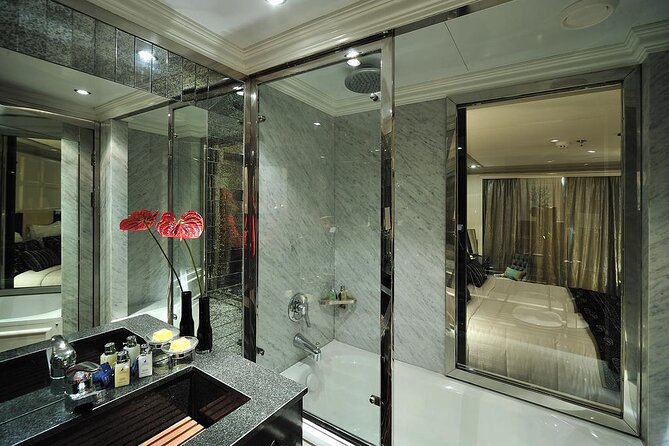
This type of Nile cruise shines for one simple reason: time. Instead of bouncing from hotel to hotel, you move with the river. Each day’s sites feel linked, not random. That matters in Egypt, where travel days can eat your energy and your plans.
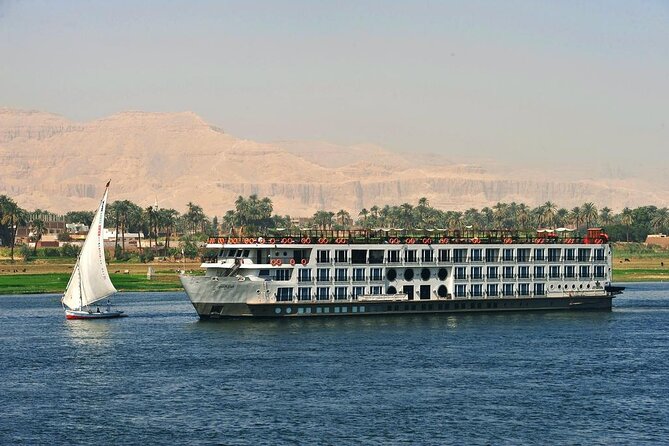
On this 5-day route, you’re based on a 5-star ship for 4 nights, with guided stops that focus on the Nile corridor highlights: West Bank Luxor, Karnak and Luxor Temples, Edfu, Kom Ombo, Abu Simbel, and Aswan’s classic monuments. The ship day isn’t just a “waiting room” between tours. Sailing time is built in, including scenic river moments and chances to relax on the deck.
I also like the group setup. The max group size is 15 travelers, and the experience includes pickup and guided transportation by air-conditioned vehicle. That’s a nice balance: organized enough to move smoothly, small enough that you don’t feel swallowed by a crowd.
The other value piece is what’s included. You’re not paying for lunch here and entrance tickets there. The package covers entrance fees between Luxor and Aswan and includes breakfast (4), lunch (4), and dinner (4). That’s not only convenient—it’s one less budget surprise halfway through the trip.
You can also read our reviews of more boat tours in Luxor
Day 1 West Bank Luxor: Valley of the Kings, Hatshepsut, and Carter House
Your first day sets the tone with the West Bank, where the major tomb and temple sites cluster away from the modern city. The day starts with a pickup and an early transfer to the Nile, then a motor-boat ride to the West Bank. That small boat segment does more than save time—it makes the start feel like you’ve already switched worlds.
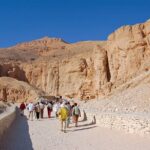
The first big stop is the Valley of the Kings. This is where the famous royal tomb story lives. You’ll be walking among the rock-cut tomb entrances and keeping an eye on details that make the place feel specific, not generic. One small detail you hear while visiting (it’s a favorite story in this area) comes from the early exploration around Tutankhamun—how someone asked, in effect, whether there was anything to see through a small opening, and the answer was that great things were there. It’s a quick moment of human drama before you get back to the real archaeological point.
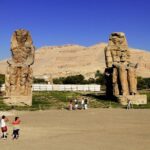
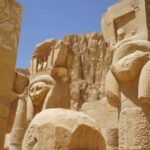
Next comes Queen Hatshepsut’s temple. This stop is often more than a checklist item, because Hatshepsut isn’t just another royal name. She’s one of history’s notable power stories, and her temple design reflects that message in stone. You also get time for Carter House, tied to the discovery of Tutankhamun’s treasures. If you like understanding how history got found—not just what exists—you’ll appreciate this.
Time-wise, Day 1 is long (listed as about 7 hours). West Bank sites also involve walking and heat management, even with breaks. If you’re sensitive to early starts, plan for hydration and take the pace you need.
Day 2 Hot air balloon over Luxor, then Karnak and Luxor Temple
Day 2 is where the cruise becomes a real “bucket list” day. It starts with an early pickup to the boat area and then a hot air balloon experience over Luxor. The balloon is more than a view. It reframes the entire West Bank/East Bank setup. From above, the temple layout and river bend make more sense than they do from ground level.
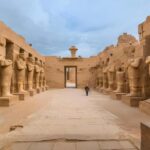
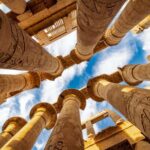
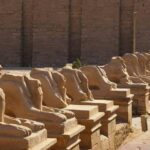
After the balloon, the schedule turns fully into temples. You’ll visit Karnak Temple, described in the plan as the largest temple in the whole world. Whether or not you measure it that way, Karnak is the kind of place where you feel the weight of scale. It’s easy to get overwhelmed if you just “look around.” A strong guide helps you spot what to focus on: building sequences, religious symbolism, and why the site was expanded and expanded again.
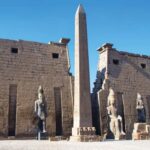
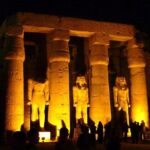
Then you move to Luxor Temple, and you’ll feel the contrast. Karnak is enormous and sprawling; Luxor Temple is more concentrated and aligned with the river-city connection. After these stops, your cruise begins sailing. You’ll also pass through Esna lock, which is one of those Nile moments that’s not a “temple” but still feels like Egypt’s daily machinery at work.
This is a 7-hour day on the schedule. The day is packed, but it’s structured: balloon first, temples second, sailing in between. That sequence helps the day feel like progression instead of a pile of time blocks.
Day 3 Edfu by horse-drawn carriage, plus Kom Ombo at sunset
Day 3 keeps the river rhythm going. After breakfast, you head to Edfu via traditional horse-carriage. That’s not just a fun photo stop. It also slows the approach to the temple. You arrive with time to get in the right mindset, rather than feeling like you’re dropped at the front gate and rushed through.
The main site is the Temple of Horus at Edfu. Edfu is often easier to follow than the biggest sites because it feels like one focused story and one temple space with a clear identity. With an Egyptology guide, you’ll get more than surface explanation—you’ll likely understand how the temple functioned and how the iconography was intended to be read.
Back on the ship, you continue sailing and make time for Kom Ombo later in the day. During sailing, you can enjoy an Egyptian drink on the sun deck, which is a good “mental reset” between temple stops. Then around sunset, you visit Kom Ombo Temple. Sunset timing matters here. The lighting softens stone and carvings, and you avoid the harshest part of the heat. It also breaks the day into two acts: inland temple time, then river temple time.
Day 3 is about 4 hours on the schedule, which feels refreshingly lighter compared to Day 1 and Day 2. That makes it a good day for anyone who wants a big hit of sights without living on a tight timetable all day.
Day 4 Abu Simbel at 5:00 AM, then an Aswan market afternoon
If Day 2 is your wow-start, Day 4 is the hard-core wow. The plan has you leaving at about 5:00 AM for the Abu Simbel Temple Complex tour. Early starts are not a minor detail here—they’re the point. Abu Simbel is far out, and this timing is built for access, comfort, and visibility.
The day is listed as about 8 hours, and the return is around 1:00 PM, with lunch time and a chance to rest. That rest block is important. Abu Simbel can be intense, and you don’t want to roll straight into evening sightseeing on fumes.
After that downtime, the itinerary shifts to Aswan life. You get a chance to be in Aswan and visit the local market. This is a different kind of cultural experience than temple walking. Instead of stone symbolism, you’re seeing day-to-day trade, local rhythm, and how people actually move through the city.
This day has two realities to plan for: you’ll be up early, and you’ll want to pace your energy after the main excursion. If you love temples, you’ll probably treat this as your favorite day. If you dislike early mornings, it’s still worth it, but mentally prepare for it.
A few more Luxor tours and experiences worth a look


Day 5 Philae Temple Island and the High Dam, then your onward transfer
On the final day, you visit Philae Temple Island and Aswan High Dam. The plan says you’ll be picked up from the cruise on time and then drive to the Nile for a motor-boat transfer to the Philae Temple Island.
Philae is one of those sites that feels like it belongs to the river system. The island setting adds an extra layer to the experience compared with temples that feel more “in the city grid.” If you’ve been on this trip for several days already, this stop also helps connect the dots between Luxor’s river-facing temple culture and Aswan’s monuments tied to modern water management.
After Philae, you drive to Aswan High Dam. It’s not ancient, but it’s still a major Egypt story: how Egypt controls the Nile and what that change means. That contrast can be surprisingly satisfying, because it gives you a full arc—ancient worship of the river and modern engineering shaping the river’s future.
Your final transfer is flexible. The plan includes transfer to an Aswan hotel, train station, or airport, based on what you request. The schedule for Day 5 is about 5 hours.
Food, comfort, and onboard life on a 5-star ship
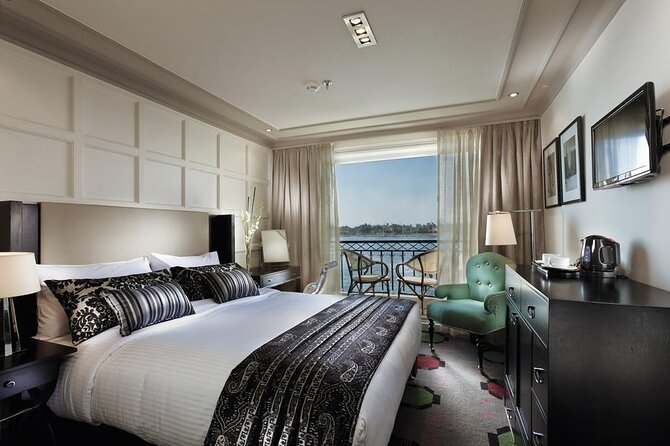
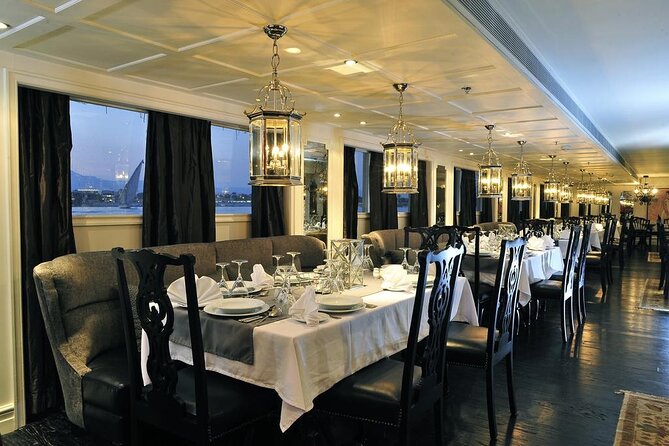
Even with all the temple time, you still spend real hours on the boat. The package includes dinner (4), breakfast (4), and lunch (4). That’s a big deal for value and sanity. You’re not hunting for food between tours or switching restaurants every day.
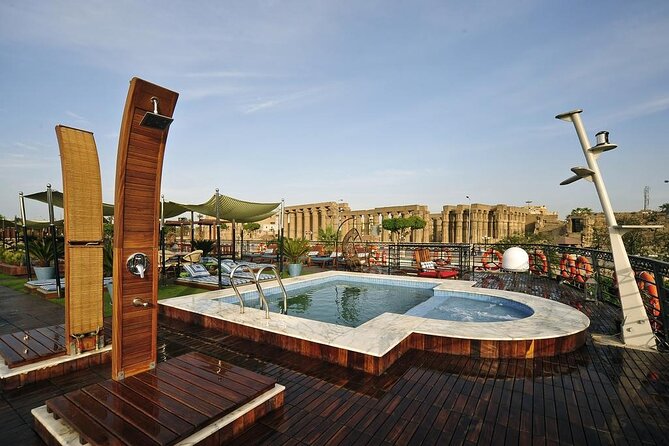
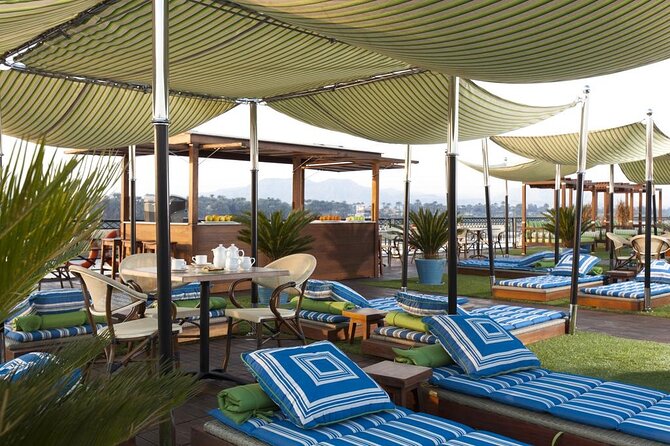
The cruise experience shows up in the kind of feedback people tend to leave: clean cabins, friendly staff, and an overall feeling of comfort. One review detail that stood out in the supplied notes is that included onboard events can happen (like entertainment), and the ship can feel lively without turning into a party ship. You also get time to relax on the sun deck during sailing days.
Cabins can vary. One piece of feedback notes that a specific cabin location near the engine was noisier than expected. So if quiet sleep is a priority, it’s worth asking ahead about cabin placement options rather than assuming every room will be identical.
Guides and the difference good explanations make
A tour like this lives or dies on interpretation. The plan includes a qualified Egyptology tour guide, and the name Mohamed appears repeatedly in the trip description. Other guide names show up in the feedback you were given too, including Mohamed Kader, Adam, and Mahmoud. The key point: you’re not left alone with ruins and guesswork.
When the guide is strong, each stop becomes easier to “read.” Valley of the Kings stops being just dark entrances. Karnak stops being just columns and walls. Abu Simbel stops being just a famous monument and becomes a story tied to politics, devotion, and the Nile’s central role.
If you enjoy asking questions, you’ll likely have a good time here. The group pace isn’t so fast that questions get ignored, especially with a maximum group size of 15 travelers.
Price and value: is about $714 reasonable for this much?
At $714.26 per person for a 5-day cruise, the question isn’t just the sticker price. It’s what you’re buying.
Here’s the value equation from the package details:
- 4 nights on a 5-star cruise
- Egyptology guide
- Entrance fees included for sightseeing between Luxor and Aswan
- Meals included: breakfast (4), lunch (4), dinner (4)
- Air-conditioned transfers during the trip
- Pickup offered and a ship-based flow instead of hotel-hopping
If you price this out in pieces—ship nights, guides, and temple tickets—this kind of package often makes financial sense. You’re also paying for convenience: the boat transfers, timing, and the “don’t think about it” planning.
Two extra value notes:
- The hot air balloon is included, and if it’s canceled due to bad weather, you’re told there’s a $25 per person refund. That won’t fully replace the experience, but it shows the operator has a plan when weather cancels flight operations.
- The group is capped at 15, which often supports better attention from staff and fewer chaos moments.
Timing, weather, and the one schedule reality to respect
Egypt’s calendar doesn’t care about your vacation plans. This trip requires good weather for the balloon, so expect that nature can influence the day. The notes also flag peak season surcharges between Dec 20 and Jan 7, with an additional fee during that window.
The schedule also has built-in intensity:
- Day 4 is very early for Abu Simbel (around 5:00 AM).
- Day 1 and Day 2 list about 7 hours each, so you won’t get “lazy breakfast and stroll” days early in the trip.
If you like your travel days structured and you enjoy early starts for big sights, you’ll probably love this. If you want soft mornings every day, you’ll need to mentally choose which mornings you can tolerate.
Who should book this Luxor to Aswan cruise (and who should think twice)?
This is a great fit if:
- You want a Nile cruise experience without designing your own transportation puzzle
- You’re excited by temples plus one big adventure (the balloon)
- You prefer having entrance fees and meals handled
- You want a guided trip with Egyptology explanations, not just self-guided walking
Consider thinking twice if:
- Quiet sleep matters most and you’re sensitive to cabin noise. Ask about cabin placement since one feedback note mentioned engine-area noise.
- You hate early mornings. Abu Simbel begins at about 5:00 AM, and Day 4 has a long, full structure.
- You’re traveling during times when weather is unpredictable for your balloon flight window.
Should you book this 5-Day Luxor and Aswan Nile Cruise with Abu Simbel and Hot Air Balloon?
I think it’s a strong booking when you want maximum “Egypt hits” with minimum logistics stress. The mix is smart: West Bank Luxor on Day 1, balloon and Karnak on Day 2, Edfu and Kom Ombo on Day 3, Abu Simbel early on Day 4, and Philae plus High Dam to close.
If your priority is convenience and “I want the main sites, connected by the river,” this is the kind of trip that delivers. If your priority is total freedom and slow mornings, look for a more flexible style.
One practical move before you book: decide whether you can handle the early Abu Simbel start. If yes, this itinerary is built for you.
FAQ
What’s included in the cruise package?
The package includes 4 nights on a 5-star cruise, a qualified Egyptology tour guide, air-conditioned vehicle transfers during the trip, entrance fees for sightseeing between Luxor and Aswan, plus meals (breakfast 4, lunch 4, dinner 4). Tipping is not included.
Is pickup offered?
Yes, the experience includes pickup, and you’ll also be picked up on Day 5 from the cruise for the Philae and High Dam portion.
What happens if the hot air balloon is canceled due to bad weather?
If the hot air balloon is canceled due to bad weather, you’ll be refunded $25 per person.
Where does the tour start and where do you end on the last day?
The tour is based around Luxor. On the last day, you check out around 13:00, and your final transfer can go to an Aswan hotel, train station, or airport based on your request.
What are the main sightseeing stops across the 5 days?
You’ll visit the Valley of the Kings and Queen Hatshepsut Temple, plus Carter House on Day 1; Luxor Temple and Karnak Temple with a hot air balloon included on Day 2; Edfu’s Temple of Horus and Kom Ombo on Day 3; Abu Simbel Temple Complex on Day 4; and Philae Temple Island and Aswan High Dam on Day 5.
How does rooming work for single travelers or small groups?
If you want your own room, you’ll need to book for a single person. If you travel in a group of 3, you’ll enjoy one triple room. If you want your own room within a group, you’ll need a separate booking for a single person.
What’s the group size limit and is it near transportation?
The tour has a maximum of 15 travelers, and it’s described as being near public transportation.