REVIEW · LUXOR
5 Day 4 Nights Dahabiya Nile Cruise from Luxor to Aswan
Book on Viator →Operated by Fly in Minute · Bookable on Viator
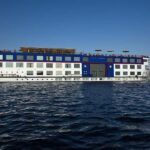
Nile nights on a Dahabiya feel slow. This 5-day cruise threads Luxor to Aswan with guided temple time by day and unwind time on the water. You get that classic river rhythm: sightseeing, then returning to the ship for meals and calm deck moments.
What I like most is the mix of big, ticketed sights with the softer onboard pace. Two favorites: included entrance fees for the main stops, and the way the days end with dinner atmosphere rather than another long drive. Also, the onboard setup is repeatedly described as comfortable and clean, with staff that stays attentive.
The main consideration is value. At $6,777.19 per person, you’re paying for a more comfort-forward, all-in-one package, and you should budget extra for things listed as not included (especially tipping, and possible add-ons like Abu Simbel).
In This Review
- Key highlights to know before you go
- Nour El Nil Dahabiya: the Luxor-to-Aswan pace you’ll actually feel
- Day 1 in Luxor: Luxor Temple and Karnak with included tickets
- Day 2 West Bank trio: Valley of the Kings, Hatshepsut, and Colossi of Memnon
- Day 3 through Esna Lock to Edfu: Horus in the afternoon light
- Day 4 into Aswan Governorate: tea on El Sheikh Fadl Island and starry dinners
- Day 5 in Aswan: Philae Temple and the High Dam finish
- Food, cabins, and onboard service: what’s actually part of the value
- Price and logistics: is $6,777.19 per person worth it?
- Who should book this Nile Dahabiya cruise (and who might not)
- Should you book the Nour El Nil Dahabiya cruise?
- FAQ
- Is pickup and return transfer included?
- Are temple entrance fees included?
- What meals are included during the cruise?
- Is there an English-speaking guide?
- Is the hot air balloon ride included?
- Is there free cancellation?
Key highlights to know before you go
- Luxor and Karnak with entrance fees included, plus a full guided feel at the right pace
- West Bank classics (Valley of the Kings, Hatshepsut, Colossi of Memnon) with a structured itinerary
- Esna Lock morning sailing before the Edfu Temple visit
- Edfu Temple of Horus with a guided tour at one of Egypt’s best-preserved temple sites
- Island time with traditional tea service and dinner under the stars
- Philae Temple and Aswan High Dam as a strong ending sequence
Nour El Nil Dahabiya: the Luxor-to-Aswan pace you’ll actually feel
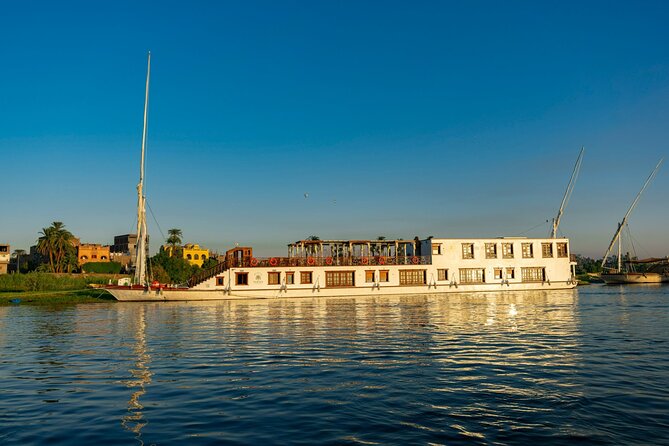
This is a Nile cruise built around contrast. One part is temples and tombs, where your feet move and your guide does the explaining. The other part is the boat—meals onboard, sailing stretches, and evenings where you’re not trying to squeeze in one more stop.
The route is Luxor → Esna region → Edfu → Aswan, with days that start with breakfast onboard and end either at a docked viewpoint or on an island. That matters, because it lets you pace your energy. Instead of doing temples all day and then transferring to a hotel far away, you see sites in clusters, then return to the same floating base.
You also get an English-speaking guide during the tours and air-conditioned private transfers for the land stops. That reduces the most annoying parts of Egypt logistics: figuring out timing, hunting for tickets, and waiting around without context. Most importantly, entrance fees are included for the listed historical places, which makes the day-to-day math simpler.
As a planning note, this cruise is not a “quick hits” tour. It’s a steadier one. If you want ultra-fast, every-hour crammed sightseeing, you may find the sailing time longer than you expect. If you want the Nile to work as a buffer between sites, this style tends to fit well.
You can also read our reviews of more boat tours in Luxor
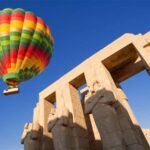
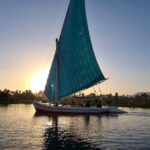
Day 1 in Luxor: Luxor Temple and Karnak with included tickets
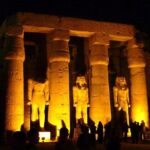
Day 1 is a proper first taste of Thebes: you start with lunch onboard, then head into Luxor for Luxor Temple. This isn’t a random temple stop. It’s dedicated to the Theban Triad—Amun, Mut, and Khonsu—so the guide can give you a clear thread for what you’re seeing. You’re likely to appreciate it most if you’re paying attention to the way the temple’s layout supports the story of kingship and worship.
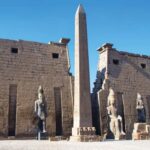
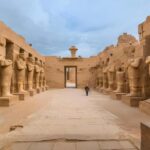
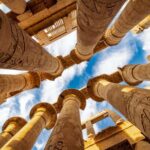
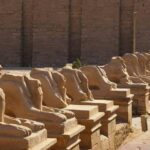
Then you move to the Karnak Temple Complex, one of the largest temple landscapes in Egypt. You’ll focus on major highlights such as the Great Hypostyle Hall, the Sacred Lake, and towering obelisks. The practical win here is that this day is structured so you’re not just walking through ruins with no help. It’s guided, and you have the time (about 3 hours scheduled) to actually take it in.
Afterward, you return to the Dahabiya for dinner while moored on the West Bank of the Nile. That’s the key “cruise” part working well. You do the big monuments, then come back to a calmer setting instead of ending the day in traffic.
If you’re sensitive to crowds, plan to be mentally ready for busier temple hours at the start of the trip. Going in with water, sun protection, and a slower pace mindset helps.
Day 2 West Bank trio: Valley of the Kings, Hatshepsut, and Colossi of Memnon
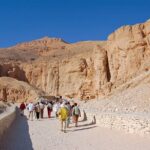
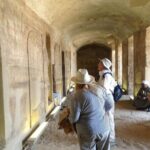
Day 2 is built around the West Bank classics, and it’s a strong mix of royal power, architecture, and iconic statues. The day starts with breakfast onboard, then you head out for the Valley of the Kings—known in a lot of guidebooks as the Valley of the Gates of the Kings. You’ll get context for why these tombs were carved for nearly 500 years, from the 18th to 20th Dynasties, and for how the whole area functioned as the New Kingdom’s high-status burial ground.
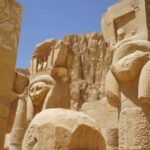
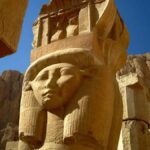
Next comes Temple of Hatshepsut at Deir el Bahari. Hatshepsut is one of Egypt’s few female pharaohs, and that single fact changes how you might interpret the temple’s scale and emphasis. You’ll also be in the right place to appreciate it as a “masterpiece of architecture,” not just another stop on a checklist.
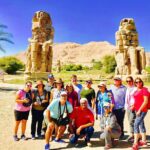
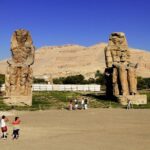
Finally, you round out the land portion with the Colossi of Memnon—two massive stone statues of Amenhotep III that stand at the entrance to his ruined mortuary temple. Even if you don’t have every name in your head, the effect is immediate: these statues are big enough that they anchor your sense of place.
Back on the Dahabiya, lunch is onboard, then you sail toward Esna. There’s also a tea time on the Sun Deck, which is a small scheduled moment that can do a lot for your mood after a day in heat and stone.
A practical consideration: temple days involve standing and walking. If you’re planning this with mobility limits, ask in advance how much time is outside and how easy it is to take breaks during guided walking sections.
Day 3 through Esna Lock to Edfu: Horus in the afternoon light
This is the day where the trip turns from “Luxor West Bank” to “temple corridor of Upper Egypt.” You start with breakfast onboard and sail through Esna Lock in the morning. That lock passage is one of those Nile details you don’t get on land itineraries, and it’s a nice reminder that this cruise is also about how the river moves and how ships travel.
Then you continue toward Edfu, with lunch onboard as you travel. When you arrive, you disembark for the Temple of Edfu (Temple of Horus). This temple is known for being well-preserved, and the tour is guided, with time in grand halls and among intricate carvings. A guided walkthrough is especially helpful at Edfu because the symbolism can feel repetitive if you’re reading it alone, but it becomes much clearer when someone connects the dots.
After the temple visit, you return to the Dahabiya and sail toward Al Ramady Island, where the cruise docks and you have dinner under the stars. That “under the stars” dinner is one of the most memorable segments for anyone who wants a cruise for more than just transportation.
If you’re the type who likes to photograph temples, consider bringing something that can steady your hands (or just plan for slower photo-taking). Carvings reward time, and rushing makes the experience feel less satisfying.
Day 4 into Aswan Governorate: tea on El Sheikh Fadl Island and starry dinners
Day 4 shifts the vibe. Morning sailing toward Aswan sets you up for easier, more scenic time on the water. You start with breakfast onboard while you watch the Nile as it turns the day’s colors into something gentler.
You continue toward the Aswan Governorate, and the plan includes time approaching El Sheikh Fadl Island. You’ll have lunch onboard as you near the island, and when you arrive there’s a tea service—traditional, and scheduled as a reset between travel time and the evening meal.
Then comes dinner on the island under the stars. This is where cruise-style travel really earns its keep. Temple visits can be intense and exhausting. Island dinner is the decompression phase, and you get it with a clear timetable rather than trying to find a place to eat on your own.
After dinner, the Dahabiya sails back to Aswan. It’s a nice way to end the day already positioned for the final temple sequence on Day 5.
One consideration: island meals depend on local conditions. If you’re very sensitive to temperature changes at night, plan layers. The day sounds perfect on paper; the nighttime comfort part is where your personal preference shows.
A few more Luxor tours and experiences worth a look
Day 5 in Aswan: Philae Temple and the High Dam finish
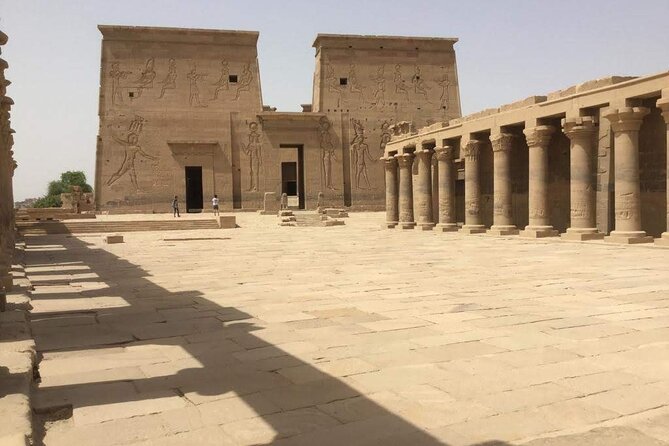
Day 5 is shorter on the sightseeing load, but it closes the story with two very different kinds of “Egypt.” First up is Philae Temple, dedicated to Isis. Philae is an island temple complex in the Nile reservoir area downstream of the Aswan Low Dam. The island setting changes your sense of the temple—more distant, more framed by water, and often easier to “feel” as a sacred site than if it were simply on a mainland street.
After that, you visit the Aswan High Dam. This is the engineering counterpart to the ancient monuments. You’ll see how it controls the Nile’s waters and helped create Lake Nasser. It’s built across the Nile between 1960 and 1970, and it’s also tied to the modern world’s scale: a huge embankment dam and a major factor in how the river functions today.
Then you return to the Dahabiya for disembarkation, with help from your guide, plus a transfer to your next destination or hotel in Aswan.
If you have extra time, the plan suggests optional add-ons such as Abu Simbel, the Unfinished Obelisk, or a felucca ride around the islands. Just note: Abu Simbel entrance fees are listed as not included.
Food, cabins, and onboard service: what’s actually part of the value
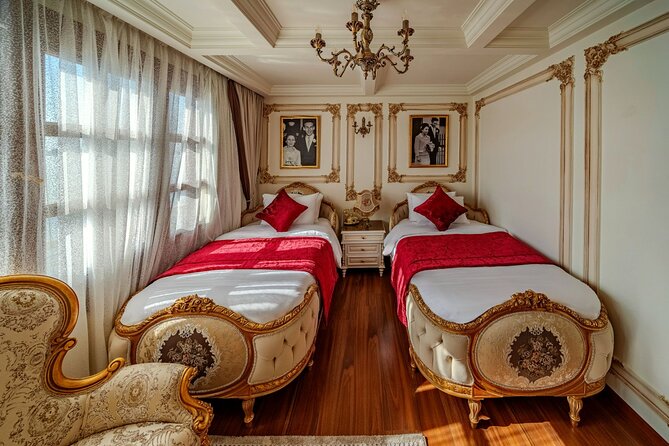
This cruise includes breakfast (4), lunch (4), and dinner (4), matching the 4 nights onboard. That matters because it removes daily decisions about where to eat. You’re on a schedule that includes guided tours and sailing time, so meals being handled for you is a real convenience.
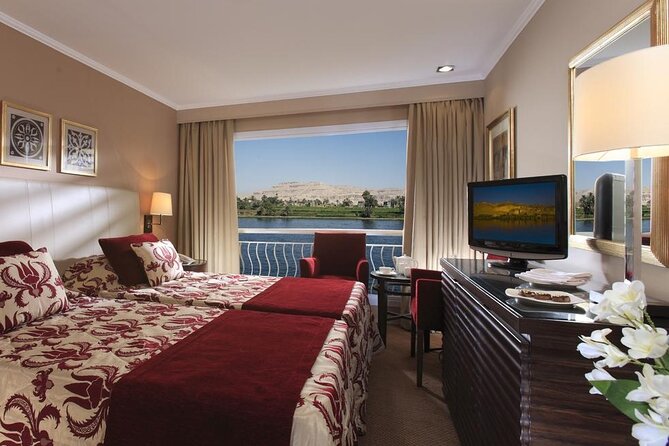
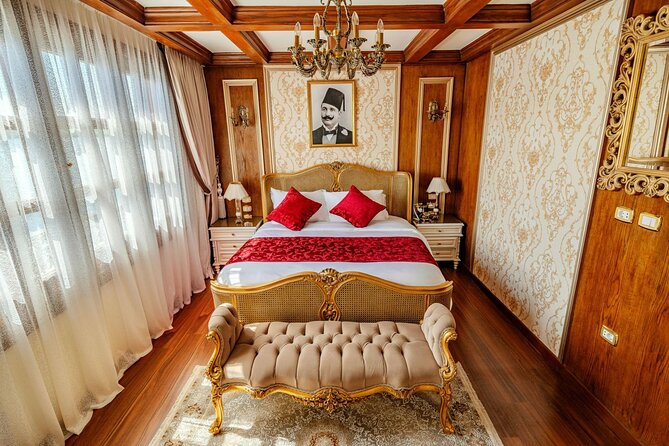
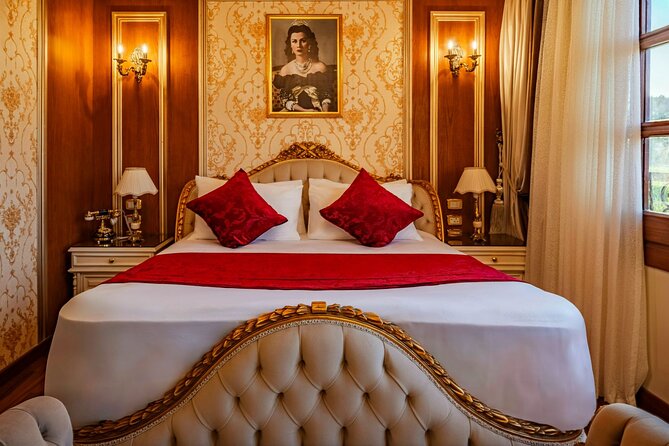
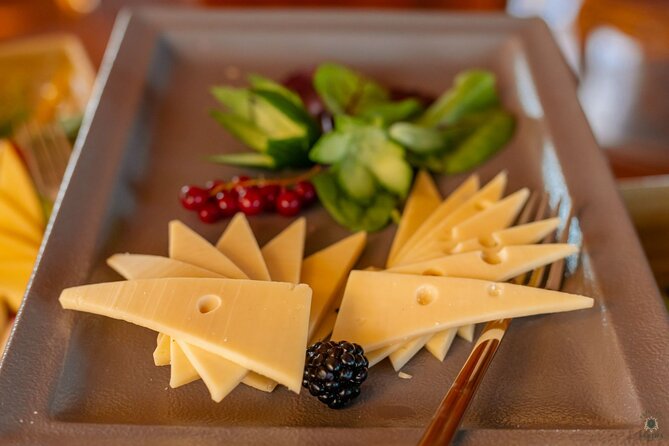
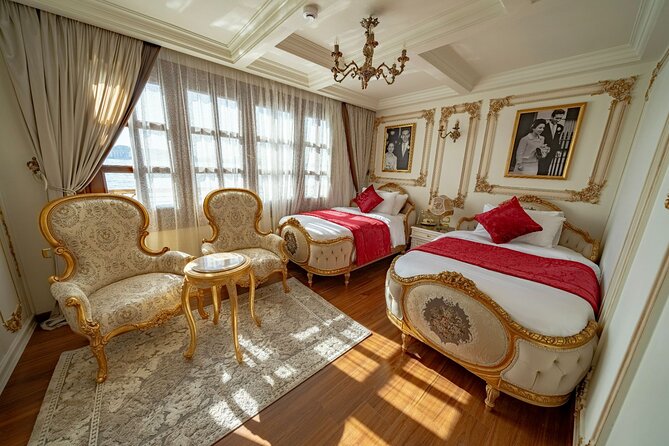
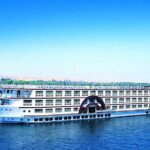
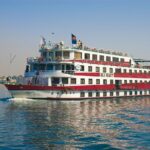
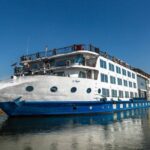
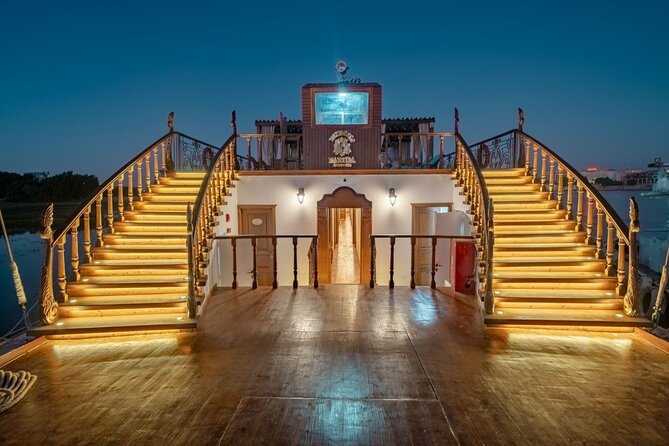
Onboard dining is also a major part of the “luxury sailing” pitch. The food is repeatedly described as delicious, with local cuisine and variety, and the overall onboard experience is framed as comfortable and calm. Cabins are described as spacious and comfortable, and the ship is described as clean and beautifully decorated.
Service is another theme in the feedback you provided: crew members are described as friendly and professional, and they tend to accommodate guests’ needs. In practical terms, that usually means fewer awkward moments: you don’t have to hunt down staff for simple requests, and you’re less likely to feel like you’re running the trip yourself.
What you should know: tipping is not included. So if you plan to tip the guide and driver, budget for it. The “not included” note is simple, but it can catch people off guard at the end of the trip.
Price and logistics: is $6,777.19 per person worth it?
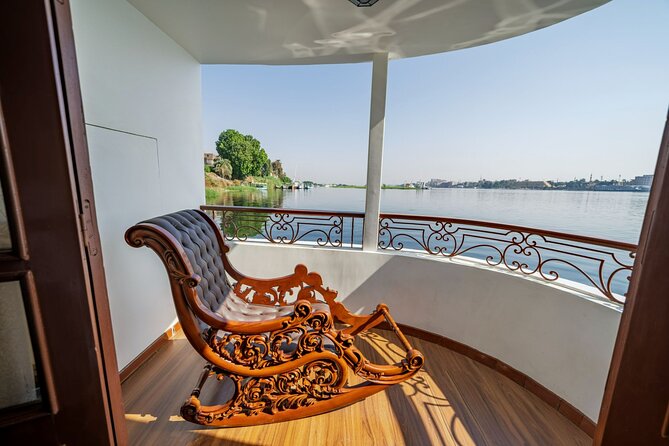
The headline price is high at $6,777.19 per person. The question isn’t whether the trip is expensive—it’s whether the inclusions justify that cost for your travel style.
Here’s what you’re paying for, based on the package details:
- 4 nights accommodation onboard with taxes included
- Pickup and return from Luxor to the cruise
- English-speaking guide for tours
- Modern air-conditioned private transfers
- Entrance fees to the historical places named in the plan
- Meals: breakfast 4 times, lunch 4 times, dinner 4 times
Those add up quickly if you’re planning it as separate bookings on your own. Also, the plan is described as private for your group (only your group participates). Private guides and transfers are usually where costs climb in Egypt, especially when temple entrance fees are handled for you.
The “watch-outs” that affect value:
- Abu Simbel entrance fees are not included. If Abu Simbel is the reason you want Aswan, you’ll want to budget separately.
- Hot air balloon is optional and its admission is listed as not included. If you add it, plan extra time and money.
- Tipping isn’t included, and that can be part of the end-of-trip expense.
So my honest take: this price makes sense if you want the comfort-forward, guided, low-decision version of Egypt. If you’re comfortable doing more yourself—hiring day-by-day guides, buying tickets separately, and managing transport—then a cheaper land itinerary might feel more proportional. But if you want the Nile to handle a lot of the hard parts, this cruise structure supports that.
Who should book this Nile Dahabiya cruise (and who might not)
This fits best if you want:
- A Luxor-to-Aswan flow without switching hotels every night
- Temple-heavy days paired with calmer evenings
- A guided approach with entrance fees included for the main sights
- A more relaxed vacation mood—sailing time, Sun Deck moments, and island dinners
It may not fit as well if:
- You want the lowest possible price and don’t care about comfort
- You plan to add lots of extras like Abu Simbel and hot air balloon but don’t want to budget for admissions not included
- You dislike scheduled downtime (tea time on the Sun Deck and sailing stretches are built into the experience)
Should you book the Nour El Nil Dahabiya cruise?
I’d book it if your ideal Egypt trip includes the big names (Luxor Temple, Karnak, Valley of the Kings, Hatshepsut, Edfu, Philae, and the High Dam) and you want the river to be part of the experience, not just the route between monuments.
If you’re chasing a shoestring deal, this one will feel too pricey. And if Abu Simbel is your must-do, check how you’ll handle it since Abu Simbel admission fees aren’t included.
FAQ
Is pickup and return transfer included?
Yes. Pickup service and return from Luxor to your Dahabiya Nile Cruise are included.
Are temple entrance fees included?
Entrance fees to the historical places mentioned in the plan are included. Abu Simbel Temple admission is listed as not included.
What meals are included during the cruise?
The package includes breakfast (4), lunch (4), and dinner (4).
Is there an English-speaking guide?
Yes. An English-speaking guide is included during the tours.
Is the hot air balloon ride included?
No. Hot air balloon admission is not included. The information provided says that if it’s canceled due to bad weather, there is a $50 per person refund.
Is there free cancellation?
Yes. You can cancel for a full refund up to 24 hours in advance of the experience’s start time.