REVIEW · LUXOR
Private Tour Valley king, Hatshepsut temple ,colossal statue Memnon West Luxor
Book on Viator →Operated by Hesham Egypt tour guide · Bookable on Viator
West Bank days in Luxor move fast, but they don’t have to feel messy. This private half-day bundles the big sights—Hatshepsut Temple, the Valley of the Kings and Queens, and the Colossi of Memnon—into a logical route with a real Egyptology guide to give you the why behind the wow.
Two things I especially like: you get hotel pickup and drop-off, so you skip the cab hassle and the awkward waiting game, and you’re not just sightseeing. You’re getting guided context at each stop, which makes the stones feel less random and more intentional. One possible drawback to keep in mind: entry fees are not included, and the tour language can depend on guide availability—so it’s smart to confirm what language you’ll get before you go.
Here’s the good news. With a tight 4-hour plan, you can cover the highlights without feeling like you’re sprinting between ticket lines. And if you time it right (the recommended start is morning), the sites feel calmer and the light is better for seeing details.
In This Review
- Key highlights at a glance
- Private West Bank tour with pickup: the real value
- Hatshepsut Temple: a female ruler’s story in limestone layers
- Valley of the Kings and Queens: royal tombs, names, and what to notice
- Valley of the Kings: the famous names
- Valley of the Queens: the world beyond kings
- Colossi of Memnon: the big statues that close the loop
- Price and value: what $18 covers, and what you must budget
- Language and guide fit: confirm your expectation early
- Timing that works: why the morning start matters
- Who this tour suits best
- Should you book this half-day West Bank tour?
- FAQ
- What is the duration of the tour?
- What time does the tour start?
- Is hotel pickup and drop-off included?
- Is the tour private?
- Are entry fees included?
- What is included in the tour price?
- Can I cancel for free?
Key highlights at a glance
- Private, small-group feel so you’re not stuck watching over shoulder height
- Hotel pickup and drop-off for a smoother West Bank day
- Egyptologist guide (Hesham Egypt tour guide) who adds meaning, not just facts
- Temple of Hatshepsut + royal tomb valleys in one efficient loop
- Colossi of Memnon as the finale to close with a strong visual
Private West Bank tour with pickup: the real value
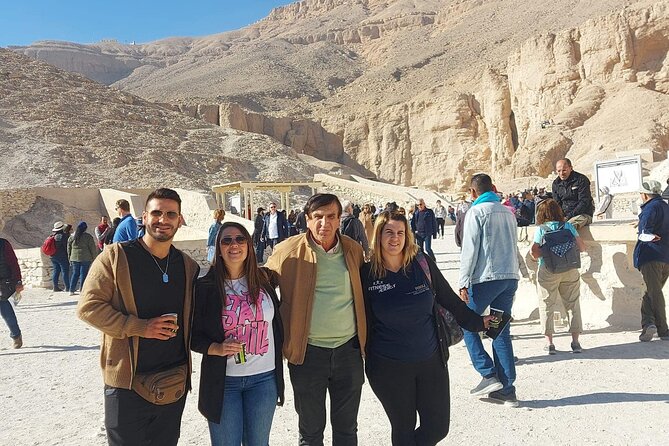
Luxor’s West Bank is famous, but it can also be annoying if you go on your own. You’re dealing with transport logistics, finding the right starting points, and then figuring out how to coordinate your return when the day gets hot or your energy drops.
This tour solves that with a straightforward plan: a guide picks you up from your hotel or Nile cruise, you cross over to the West Bank, you tour the main highlights, then you’re escorted back. That kind of flow matters. When you’re on a time budget, the difference between a smooth morning and a stressful one is often just whether you have to negotiate cabs.
You also get a private vehicle and bottled water. That sounds small, but it’s useful in Luxor, where a half-day can still feel long once you’re walking between monuments.
You can also read our reviews of more private tours in Luxor
Hatshepsut Temple: a female ruler’s story in limestone layers
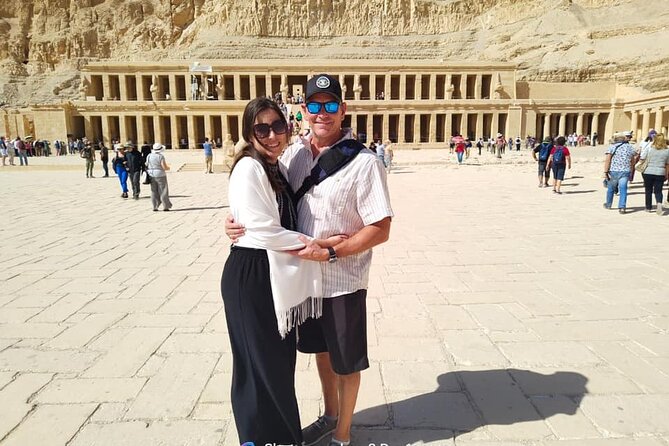
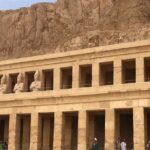
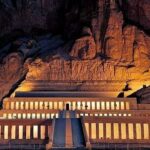
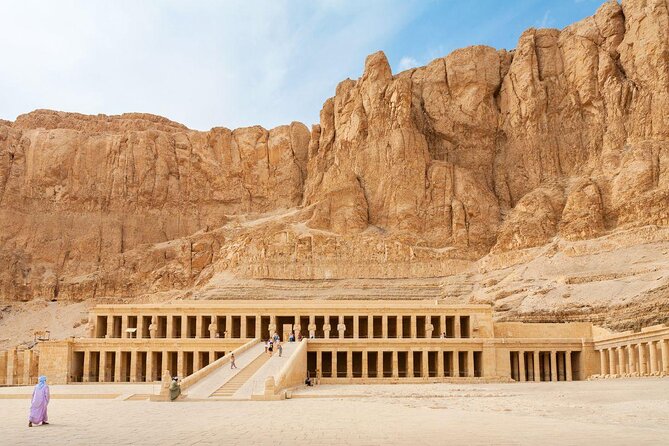
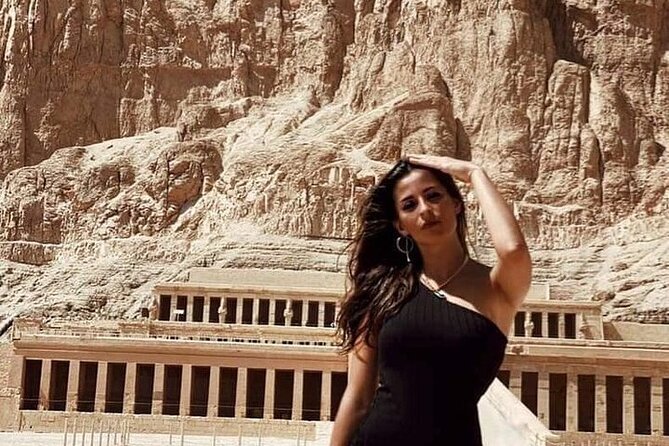
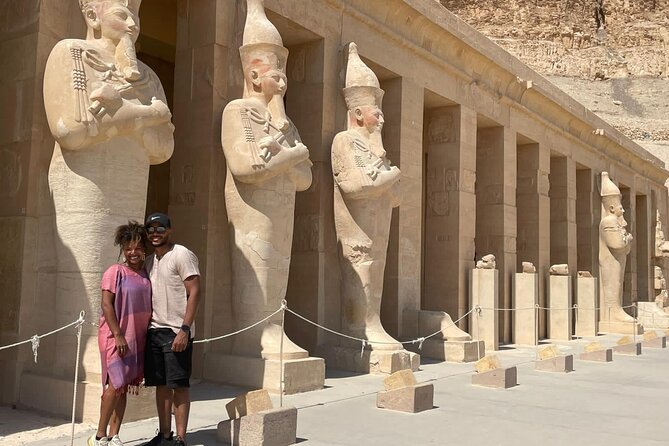
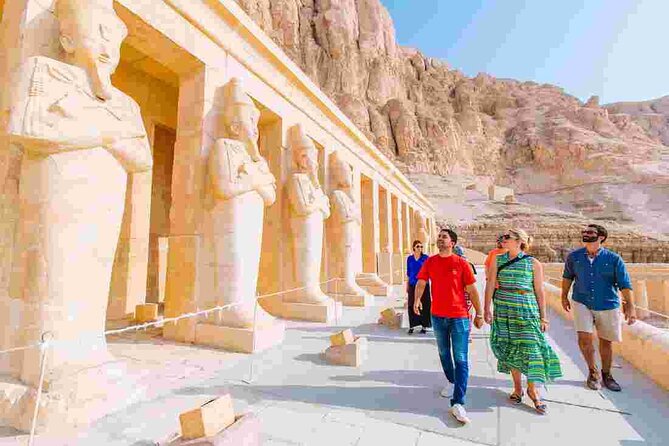
The first stop is the Temple of Hatshepsut, and it’s an inspired start. This is one of the West Bank’s most striking monuments, in part because it tells a power story you can actually read in the architecture.
Hatshepsut is known as a female ruler who, in order to gain the throne, adopted a male presentation. Your guide’s job here is to translate that into something you can picture as you walk the site. Instead of only seeing columns and walls, you start connecting the symbolism—what the temple was meant to communicate, and why that mattered in ancient Thebes.
You’ll typically have about 2 hours at this stop. That’s a good amount of time for temple exploration without turning it into a rushed checklist. Since entry tickets are not included, you’ll want to plan ahead so you’re not stuck at the ticket point while everyone else is already moving.
Practical tip: wear shoes you trust. The temple areas include uneven ground and stone steps. You’ll want stable footing so you can actually take in the carvings and raised details without constantly watching your steps.
Valley of the Kings and Queens: royal tombs, names, and what to notice
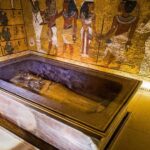
After Hatshepsut, the tour shifts into the necropolis zone of ancient Thebes—where the Valley of the Kings and Valley of the Queens sit. This is where people come for the tombs, but the guide is what turns the visit from a wow-quick photo moment into something more memorable.
You’ll spend about 2 hours on this stretch, which usually means you’ll move through both valleys as a coordinated plan rather than trying to “figure it out” on your own.
Valley of the Kings: the famous names
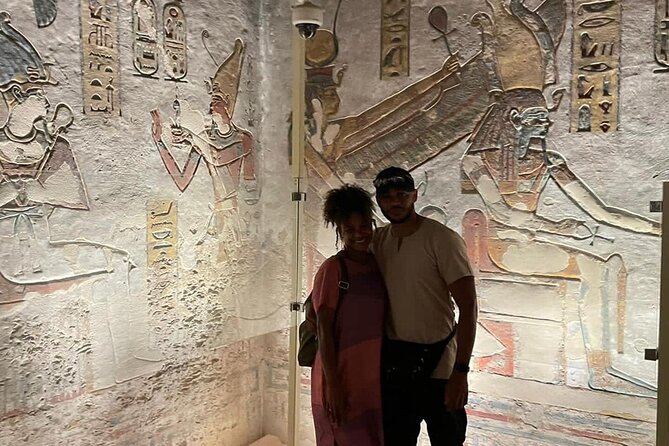
The Valley of the Kings is the burial place of the kings of Thebes. The most known tombs listed for this tour include:
- King Tutmosis I
- Tutmosis III
- Tut-Ankh-Amon (King Tut)
- King Ramssess VI
- King Mrenptah
- Amonhotep II
Even if you don’t go inside every tomb, having these names in your head helps you orient what you’re seeing. You start to understand this wasn’t one “cemetery”—it was a carefully planned landscape for rulers and their afterlife beliefs. That context makes it easier to spot why certain areas mattered.
Consideration: entry fees aren’t included, and tomb entry can be the biggest variable in how fast you move. If you want to do more inside stops, you should be ready for the schedule to feel tighter.
Valley of the Queens: the world beyond kings
The Valley of the Queens is southwest of the Valley of the Kings. This valley was built to house tombs of queens, princes, and princesses, linked to royal families of the XVIII, XVIV, and XX dynasties (as listed in the tour info).
This is one reason I like this tour plan: it doesn’t only focus on the headline names. Once you shift from kings to queens and royal family members, you get a broader view of how power and status worked inside the royal household.
What to look for: your guide can point out how these valleys relate to each other spatially and why builders chose separate burial zones. Even small explanations can make the difference between seeing two valleys and understanding how they connect.



Colossi of Memnon: the big statues that close the loop
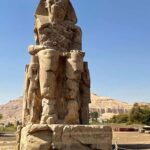
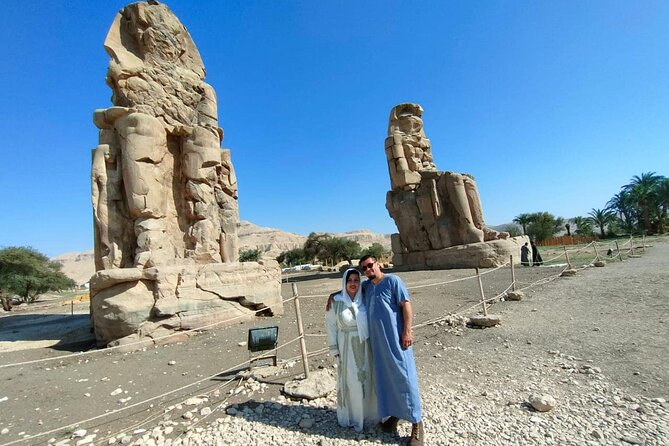
At the end of the tomb valleys visit, you’ll head to the Colossi of Memnon—specifically described here as the two colossal statues. This stop is a good finale because it gives you a visual reset.
After lots of valley walking and the tight feeling of tomb areas, you arrive at something huge and open. The scale is the point. Even if you’ve only seen photos before, seeing the statues in person tends to make the moment stick, because the figures are so dominant.
Also, the statues are a natural “pause” in the day. By the time you reach them, you’ve already covered the high-density story zones. Now you’re wrapping up with a single, powerful landmark before you get escorted back to your hotel.
Practical tip: depending on the time of day and the start time you choose (8 am recommended, with 9 am or 10 am options), the lighting can change how the stone surfaces look. Morning starts generally help for overall comfort and visibility while you’re walking.
Price and value: what $18 covers, and what you must budget
At $18 per person, this tour is priced to be accessible. That matters in Luxor, because entry tickets and transport can quietly stack up if you go DIY.
Here’s what your money includes:
- Qualified Egyptologist guide
- Hotel pickup and drop-off
- Private tour (only your group participates)
- Transport by private vehicle
- Bottled water
- All taxes, fees and handling charges
And here’s what it doesn’t include:
- Lunch
- Entry fees
So the real budgeting question isn’t just the $18. It’s whether you’re ready to add the site tickets on top. If you arrive prepared, the total can still be very reasonable for a guided half-day that covers multiple major monuments.
My advice: treat the listed price as the “guided and organized package,” not the full cost of admission. If you’re comparing options, always compare on the same basis: guided private transport plus what’s included vs. the separate cost of entry.
Language and guide fit: confirm your expectation early
One snag shows up in the real world: the tour description may not guarantee the language you’ll receive at the last minute. I saw a situation where the description suggested Spanish, but the guide was only available in English at the end of the process.
That doesn’t mean the tour is unreliable. It means you should do one simple thing: confirm the language you want when you book, not the night before. If you’re choosing a tour for the Egyptology context (and you are), you want that context in a language you can fully follow.
The guide named in the tour information is Hesham Egypt tour guide. Before your start time, message or confirm what language will be used so you can enjoy the explanations without having to “work around” them.
Timing that works: why the morning start matters
The tour info recommends 8 am, with 9 am and 10 am also possible. I’m glad they offer options, because Luxor timing can change how comfortable your day feels.
A morning start usually means:
- easier walking conditions before the heat ramps up
- better visibility for carvings and stone textures
- less rushing when you reach ticket points and walking segments
Because the full tour is listed as about 4 hours, you won’t have time for major detours. Starting earlier keeps the day feeling controlled instead of frantic.
Who this tour suits best
This is a strong fit if you:
- want a private format without the stress of arranging transport
- are seeing Luxor’s West Bank for the first time and want a clear hit list
- care about understanding what you’re looking at, not only photographing it
- prefer a guide-led plan over hopping between cabs and arrivals
It may be less ideal if you:
- need lunch included (it’s not included here)
- plan to spend long periods inside multiple tombs and want zero schedule pressure
- are very sensitive to language changes, in which case you should confirm language well ahead
Should you book this half-day West Bank tour?
I’d book it if you want maximum impact with minimum logistics. The combination of pickup, private transport, and an Egyptologist guide makes it a practical choice for a short window in Luxor. And the itinerary covers the West Bank’s strongest landmarks—temple, royal tomb valleys, then the Colossi of Memnon—so you leave with a sense of the big story.
Just don’t treat the price as a full solution on its own. Plan for entry fees and confirm your tour language before you go. If you do those two things, you’re set up for a smooth, meaningful half-day.
FAQ
What is the duration of the tour?
The tour is listed as approximately 4 hours.
What time does the tour start?
An 8 am start is recommended, with 9 am and 10 am also offered.
Is hotel pickup and drop-off included?
Yes. Pickup from your hotel in Luxor or your Nile cruise, and drop-off at the end, are included.
Is the tour private?
Yes. It is a private tour/activity, and only your group will participate.
Are entry fees included?
No. Admission/entry tickets are not included, and lunch is not included.
What is included in the tour price?
The tour includes a qualified Egyptologist guide, private vehicle transport, bottled water, and all taxes, fees, and handling charges.
Can I cancel for free?
Yes. You can cancel up to 24 hours in advance for a full refund. If you cancel less than 24 hours before the start time, the amount paid is not refunded.