Private West Bank time is the best way to see Tut. This private tour knits together Valley of the Kings and the famous West Bank landmarks with hotel pickup, so you’re not wasting time figuring out logistics. I also like the private guide attention, which matters here because the stories of each tomb and ruler can get lost if you’re just shuffling through on your own.
There’s one clear consideration: admission and tomb entry are not included, and the plan specifically calls out extra tickets for seeing the tomb/inside access options. That doesn’t make the tour bad—it just means you should budget for those entries before you go.
With about 4 hours to cover the highlights, this is a great fit for a first (or second) Luxor trip where you want the big West Bank names—King Tutankhamun’s tomb area, Queen Hatshepsut’s temple, and the Colossi of Memnon—without turning the day into a long grind.
In This Review
- Key highlights you’ll feel right away
- Why the West Bank loop fits in about 4 hours
- Valley of the Kings: Tutankhamun and the tomb areas that matter most
- What “extra ticket” usually changes on the ground
- Why visiting multiple tombs helps more than you think
- Deir el Bahari and Hatshepsut: why this temple still grabs people
- The realistic pace at Deir el Bahari
- The Colossi of Memnon: big statues, fast payoff
- A small tip for getting more from the stop
- Price and value: what $17 per person really means
- Comfort and logistics that keep the day from getting annoying
- How to choose this tour for your Luxor plans
- Should you book this private Tutankhamun tour?
- FAQ
- What’s the duration of the private tour?
- Does the tour include hotel pickup and drop-off?
- Is this tour private or shared?
- Are admission tickets included for the Valley of the Kings or other sites?
- What’s included in the price?
- Are tombs from inside included?
- How far in advance is this tour commonly booked?
Key highlights you’ll feel right away
- Private, only-your-group touring with hotel pickup and drop-off, using an air-conditioned vehicle
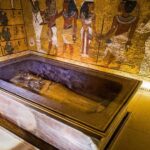
- Valley of the Kings focus on four royal tombs, including the Tomb of King Tutankhamun (discovered nearly intact in 1922)
- Deir el Bahari / Hatshepsut temple and the dramatic story of the only woman to reign as Pharaoh
- Colossi of Memnon as a quick, high-impact photo stop with Amenhotep-era context
- A guide you can ask questions to—including explanations that can make names like Ramses, Horemheb, and Merenptah click
- Mobile ticket listed as part of the experience setup (handy for day-of simplicity)
Why the West Bank loop fits in about 4 hours
This itinerary is built for time-savvy travelers. The West Bank is the kind of place where one monument can take longer than expected—sun, crowds, and the sheer “wait, what am I looking at?” factor. Here, you get a tidy route with a clear sequence: Valley of the Kings first, then Deir el Bahari, then the Colossi of Memnon, and finally back to your hotel.
What I like about this timing is that it gives you a full “arc” of the West Bank story. Valley of the Kings anchors you in royal burial history. Deir el Bahari shifts you into Hatshepsut’s reign and temple-building power. The Colossi of Memnon bring you back to monument-scale Egypt—huge statues, simple to appreciate fast, and easy to take in even if you’re tired.
One practical note: the tour runs about 4 hours, so this isn’t the style where you can linger for hours at one site. If you know you love slow museum-style pacing, you might want extra time in Luxor on a separate day.
You can also read our reviews of more private tours in Luxor
Valley of the Kings: Tutankhamun and the tomb areas that matter most
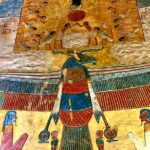
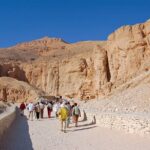
Your first stop is the Valley of the Kings, the West Bank necropolis of Thebes and one of the top UNESCO-listed sights in Luxor. This is the place where names start to feel like characters, not just inscriptions: you’ll be guided through the key tombs, with four royal tombs included in the visit plan—Ramses, Horemheb, Merenptah, and King Tutankhamun.
The big draw is obvious for a reason. The Tomb of King Tutankhamun is singled out because it was the only tomb in the Valley of the Kings that was discovered nearly intact in 1922. Even if you’re not a deep Egyptology person, that fact gives the site a special charge—this wasn’t “something found somewhere,” it was a remarkable survival of a royal burial context.
What “extra ticket” usually changes on the ground
The plan mentions a chance to be face to face with King Tutankhamun’s royal mummy in his tomb, but it also clearly flags that this requires an extra ticket. At the same time, the tour lists tombs from inside as not included. So here’s the practical takeaway: you should expect that your access level may depend on what the site allows on that day and what you buy separately.
To keep things smooth, do this: treat the included Valley of the Kings portion as a guided visit to the tomb areas that matter most, and treat inside access as the optional add-on you pay for.
Why visiting multiple tombs helps more than you think
It’s tempting to focus only on King Tut and rush past everything else. But seeing the surrounding royal tombs—Ramses, Horemheb, and Merenptah—helps you build a mental map of how this necropolis worked. Each tomb is a different royal chapter in the New Kingdom story, and having a guide explain who these rulers were makes the architecture and location feel purposeful rather than random.
If you end up with a guide like Remon (mentioned in feedback as a strong, supportive explainer), you’ll likely get that “ohhh, I get it now” moment faster—especially for the tombs you might otherwise confuse by name.
Deir el Bahari and Hatshepsut: why this temple still grabs people
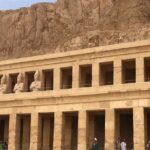
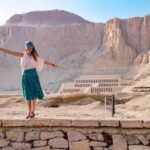
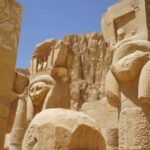
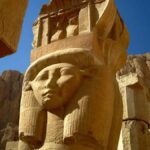
After the Valley of the Kings, you head to Temple of Hatshepsut at Deir el Bahari. This site is famous not just for its scale, but for the story attached to it: Hatshepsut is described here as the only woman ever to reign over Egypt as Pharaoh.
Even if you only remember one thing, remember this: Hatshepsut’s temple isn’t merely a pretty stop. It’s a claim of authority, built to project power through architecture. In practice, the temple layout helps you “read” the site as you walk—so you’re not stuck staring at a single wall waiting for your guide to explain it.


The realistic pace at Deir el Bahari
The tour allots about 2 hours total at the second stop category (Deir el Bahari plus the Colossi of Memnon). That means you’re not signing up for a slow, full-day temple study. You’ll likely do the highlights—enough to feel the place and understand why it matters—then move on before the heat and fatigue take over.
If you love photos, bring that energy here. The temple setting and the dramatic look of Deir el Bahari make it easy to capture, even with short time on the ground.
The Colossi of Memnon: big statues, fast payoff
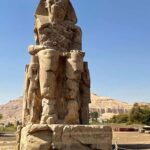
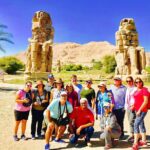
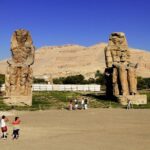
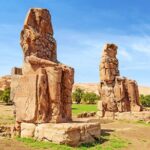
Next come the Colossi of Memnon—two of the largest ancient statues in Egypt. The plan dates them to the era of King Amenhotep, which gives you a helpful anchor as you look. You don’t need a long lecture to appreciate these: they’re huge, and they’re meant to be viewed from a distance.
This stop is brief compared with the Valley of the Kings, but it’s often exactly what you need mid-tour. When your brain is full of tomb names and political reigns, giant statues reset your attention. They’re also an easy “win” for your camera.
A small tip for getting more from the stop
Take a moment before you start snapping: look from farther back first, then walk closer for detail. Your eye will start catching differences in proportion and texture. It makes the statues feel less like a postcard and more like real objects that people once built, honored, and visited.
Price and value: what $17 per person really means
The listed price is $17 per person, which is strikingly low for a private, West Bank-focused tour with hotel pickup. The reason you’re paying attention to the number is exactly right: you should compare the total cost to what you’ll pay for tickets separately.
Here’s how the value stacks up based on what’s included:
- hotel pickup and drop-off
- an air-conditioned vehicle
- bottle of water
- private tour format (only your group)
- mobile ticket is listed as part of the experience setup
What’s not included:
- admission tickets
- and the listing notes any tombs from inside
So the smart way to budget is: treat the $17 as paying for private logistics and guided routing. Then add what you need for on-site entry and any inside access options.
If you’re traveling with even one companion, the private format can feel like excellent value because you’re not splitting a group experience across strangers. You get comfort, you get pacing control, and you can ask questions without feeling like you’re in someone else’s line.
Comfort and logistics that keep the day from getting annoying
Luxor days can wear you down fast—heat, walking, and the general complexity of ancient sites. This tour includes an air-conditioned vehicle and bottle of water, which may sound basic, but it changes how you experience everything else. When you’re comfortable getting between stops, you don’t feel rushed in every ancient courtyard.
Pickup and drop-off also help more than you’d think. West Bank sites are not “walk out your hotel and you’re there.” Getting a direct pickup from your request hotel means you can spend your energy on the monuments instead of on transit troubleshooting.
Also, the tour is described as most travelers can participate. That’s not a guarantee of every possible need, but it suggests the pacing and format are geared toward typical visitors who can handle moderate walking around attractions.
How to choose this tour for your Luxor plans
This private tour makes the most sense if you:
- want a first-hit West Bank day with the major names
- prefer only your group instead of mixing with strangers
- like having a guide explain what you’re looking at rather than just reading signs
- are okay with paying separate admission tickets for tomb entry/inside options
It’s also a good match if your schedule needs flexibility. In feedback tied to this experience, the setup is described as responsive—even for starting in the afternoon—plus strong attention to the driver and the car.
On the other hand, if you want a slow, deep, hours-long tomb experience where you linger inside every site, you may find the tight schedule limiting. This is a “high points” day, not a long study session.
Should you book this private Tutankhamun tour?
I’d book it if you want a focused, private West Bank overview and you’re comfortable handling tickets separately. The combination of Valley of the Kings + Deir el Bahari + Colossi of Memnon in a single coordinated day is exactly the kind of efficiency that saves your energy in Luxor.
Before you hit confirm, do two quick checks:
- Plan for admission tickets not included and for the fact that tombs from inside aren’t included in the price.
- Decide whether you want the optional inside access enough to justify the extra cost.
If your answer is yes, this tour is a smart value way to see the places that define Luxor’s West Bank—and to do it with the comfort and attention that a private format brings.
FAQ
What’s the duration of the private tour?
The tour runs for about 4 hours (approx.).
Does the tour include hotel pickup and drop-off?
Yes. The experience includes pickup from your request hotel and drop-off back to your hotel.
Is this tour private or shared?
It’s private. Only your group participates.
Are admission tickets included for the Valley of the Kings or other sites?
No. Admission tickets are not included, and the tour notes that tickets may be needed for tomb-related access options.
What’s included in the price?
The included items are an air-conditioned vehicle, hotel pick up and drop off, bottle of water, and a private tour.
Are tombs from inside included?
No. The tour lists any tombs from inside as not included.
How far in advance is this tour commonly booked?
On average, it’s booked about 39 days in advance.