REVIEW · LUXOR
Private Tour: King Tut’s Tombs, Valley of the Kings, Hatshepsut Temple
Book on Viator →Operated by Luxor Travels · Bookable on Viator
Sunlight fades quickly in Luxor. That’s when this West Bank private tour brings ancient Egypt into sharper focus, from everyday tomb scenes to Pharaoh-sized drama.
I like that you get a qualified Egyptologist guide and a private setup, so the pace is adjustable and the explanations land. I also love that the route doesn’t stop at royal fame: you get time for Deir el-Medina so you can see how the tomb workers lived, not just how kings were remembered.
One thing to consider: most tomb visits are brief by design, with lots to cover in a half-day-to-6-hours window. If you want long, slow wandering inside a single tomb, you may feel a bit rushed.
In This Review
- Key points worth knowing
- West Bank reality check: why this tour has two very different Egypts
- Deir el-Medina on the agenda: the Valley of the Artisans perspective
- Valley of the Nobles: Menna and Nakht’s painted everyday life
- King Tut’s tomb stop: why that nearly intact 1922 find still matters
- What you’ll see inside the Valley of the Kings beyond Tut
- Ramses III (KV 11): ritual texts plus unusual secular scenes
- Merenptah (Tomb 8): the corridor-to-corridor feel of design choices
- Ramses IX: a timeline story tied to dynastic survival
- Colossi of Memnon and Deir el-Bahari: the arc from ancestors to kings
- Private guide energy: what the reviews clearly emphasize
- Price and logistics: what $55 really buys you in Luxor
- Who this tour fits best (and who should adjust expectations)
- A few pro tips before you go
- Should you book this King Tut and Hatshepsut private tour?
- FAQ
- How long is the private tour?
- Is hotel pickup and drop-off included?
- What sites are included besides King Tut?
- Are entrance fees included in the price?
- Is the tour private?
- Do I need to book an air-conditioned vehicle or guide separately?
- Is hot air ballooning included?
- Can I cancel for a full refund?
Key points worth knowing
- Menna and Nakht at the Valley of the Nobles: painted scenes that show daily life, not just afterlife formulas
- Deir el-Medina (Valley of the Artisans): ruined homes and streets tied to the craftsmen who built royal tombs
- King Tutankhamun’s tomb: the nearly intact 1922 discovery story links Howard Carter to what you see
- A smart mix of royal burials: stops include tombs associated with Ramses III, Merenptah, and Ramses IX
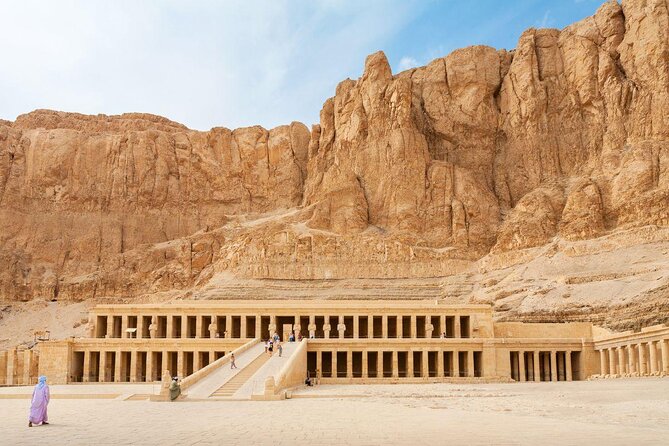
- End at Deir el-Bahari: Hatshepsut’s temple ties the whole West Bank story together
- Private transport and hotel pickup: easier logistics than piecing together multiple tickets and guides yourself
West Bank reality check: why this tour has two very different Egypts
Most Luxor “Pharaoh tours” stick to official monuments and royal burials. This one adds a second lens: the places connected to ordinary people—the nobles who weren’t kings, and the artisans who helped construct the royal tombs.
That contrast matters because it changes what you look at. In one stretch you’re studying painted tomb scenes of aristocratic life; in another you’re stepping into royal burial spaces where the symbolism is louder and the stakes are higher.
And since it’s private, your Egyptologist guide can emphasize what you care about most—politics, art, religion, or the human details.
You can also read our reviews of more private tours in Luxor
Deir el-Medina on the agenda: the Valley of the Artisans perspective
A big highlight here is the Valley of the Artisans, also known as Deir el-Medina. This is where the craftsmen who worked on the royal tombs lived, in the same Theban world where the rulers commissioned eternity.
Instead of focusing only on grand tomb interiors, you’re walking around the ruined houses, streets, and the valley temple. That shift gives you a sense of daily structure—what their community looked like, where work and belief met.
One detail I’d pay attention to during this part: the tour description points to unique carvings connected to “final judgment” inside the valley temple. Even if you don’t read hieroglyphs, those themes help you connect the workers’ lives to the religious worldview that ran through Egyptian tomb art.
Valley of the Nobles: Menna and Nakht’s painted everyday life
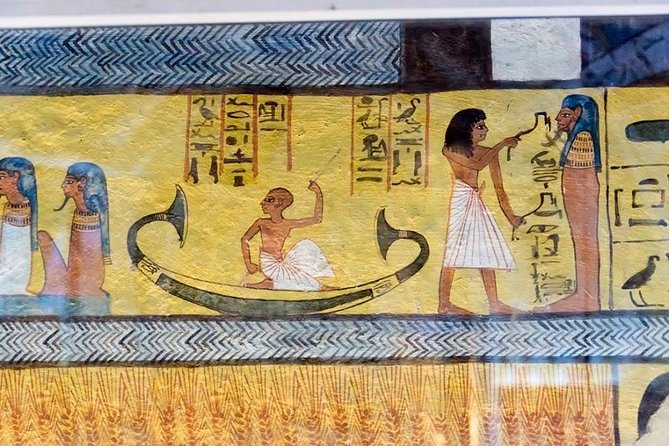
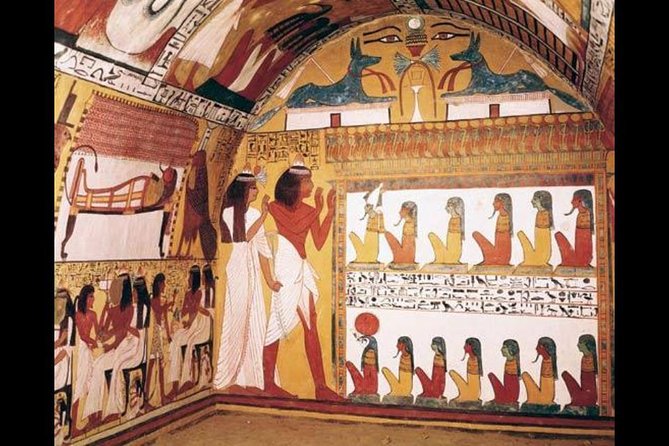
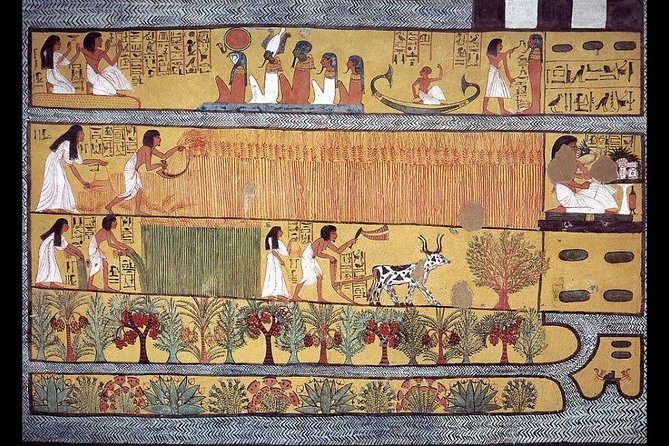
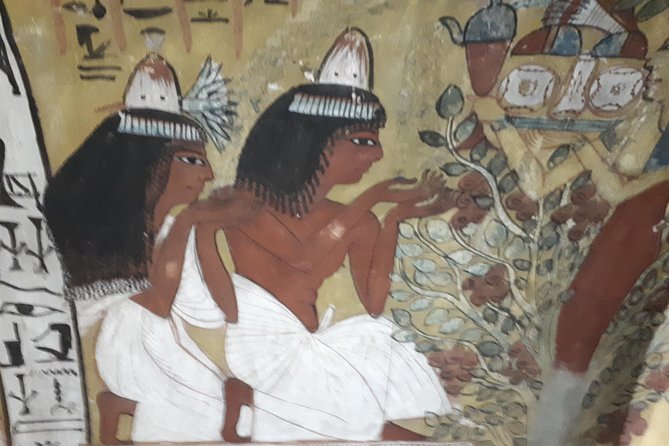
The Valley of the Nobles adds an extra layer: you’re not only looking at royal stories. You’re seeing tombs belonging to aristocrats from the 18th Dynasty, with painted scenes tied to daily life.
Specifically, the tour focuses on Menna and Nakht—two nobles whose tombs let you picture how people moved through routine, celebration, work, and status. The point isn’t that this is less important than Pharaoh history. It’s that it’s different history.
For me, this is where your guide’s Egyptology makes a real difference. The art isn’t just decoration. It’s a map of beliefs and social identity. And on a private tour, you can ask questions like what a scene is showing and why certain imagery appears in a tomb.
King Tut’s tomb stop: why that nearly intact 1922 find still matters
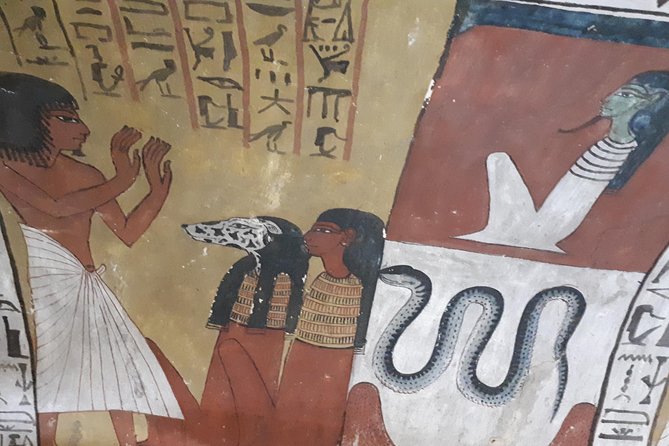
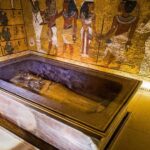
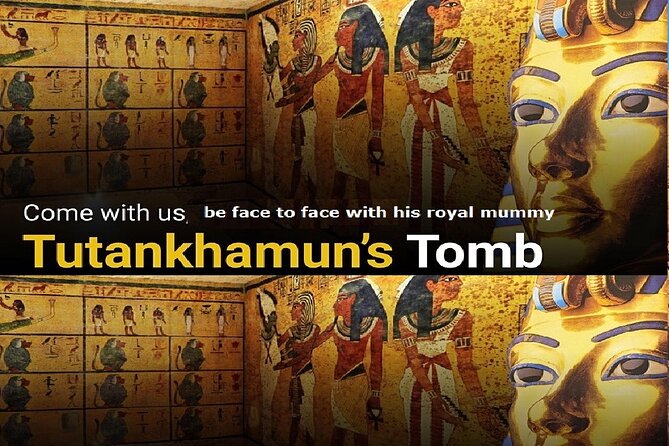
Then you hit the headliner: the Tomb of King Tutankhamun in the Valley of the Kings. The tour notes that this is the only Valley of the Kings tomb discovered nearly intact in 1922, credited to Howard Carter.
That matters because it turns “King Tut” from a museum name into an on-site story. You’re given the chance to be face to face with Tut’s royal mummy in the tomb itself, even though his famous golden mask is displayed at the Egyptian Museum in Cairo.
In other words, you’re seeing the work of myth-making and archaeology at the same time. Your guide can connect the 1922 discovery to how we know what we know today, and why Carter’s find became such a turning point.
What you’ll see inside the Valley of the Kings beyond Tut
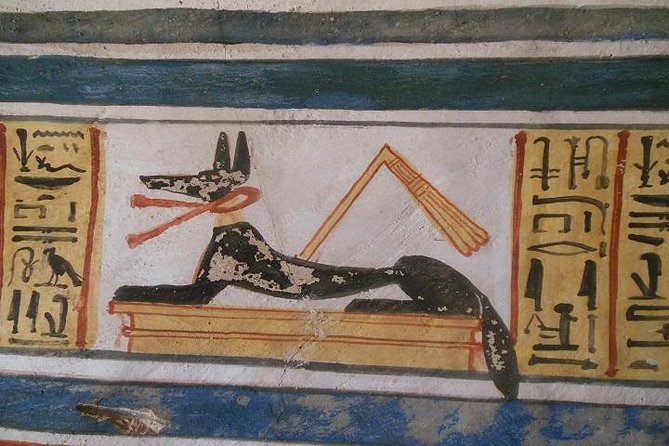
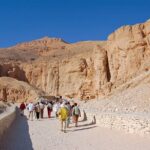
The Valley of the Kings section is built around multiple royal tombs. The tour description indicates you’ll visit four royal tombs, including Tut, and other named burials such as Ramses and Merenptah.
A few specific tombs called out include:

Ramses III (KV 11): ritual texts plus unusual secular scenes
One stop highlights the tomb of Ramesses III, KV 11. The tour notes that the tomb has colorful painted sunken reliefs featuring traditional ritual texts such as the Litany of Ra and the Book of Gates, including scenes of Ramses before the gods.
What I find especially compelling in this description is the mention of secular scenes in side rooms near the entrance corridor. These include foreign tributes—like highly detailed pottery imported from the Aegean—plus boats, the royal armoury, and blind harpists, giving the tomb an alternative name connected to music.
That combination—ritual depth plus offbeat real-world details—is exactly why Tut isn’t the only tomb worth your attention.
Merenptah (Tomb 8): the corridor-to-corridor feel of design choices
Another stop is the Tomb of Merenptah, identified as Tomb 8. The tour description connects Ptah, Memphis, and the idea of deities protecting the dead, including mention of Ptah’s falcon form being placed in tomb contexts.
It also notes that Howard Carter discovered the tomb in 1903. And it calls out a design shift: a decrease in lateral rooms with a dramatic increase in corridor and room height compared with earlier layouts.
Even if you’re not staring at architectural measurements, those notes help you look at tomb design as something intentional—an evolving template for what the afterlife needed to be.
Ramses IX: a timeline story tied to dynastic survival
The tour also lists Ramses IX, with background on his reign as the third pharaoh of the Twentieth Dynasty of the New Kingdom. It includes a detail about his name prior to becoming king: Amonhirkhopshef.
It also notes he was the fifth son of Ramesses III and was appointed crown prince during the twenty-second year of his father’s reign, after elder brothers predeceased him. That family timeline makes his tomb feel less like an isolated stop and more like a chapter in the endgame of a dynasty.
Colossi of Memnon and Deir el-Bahari: the arc from ancestors to kings
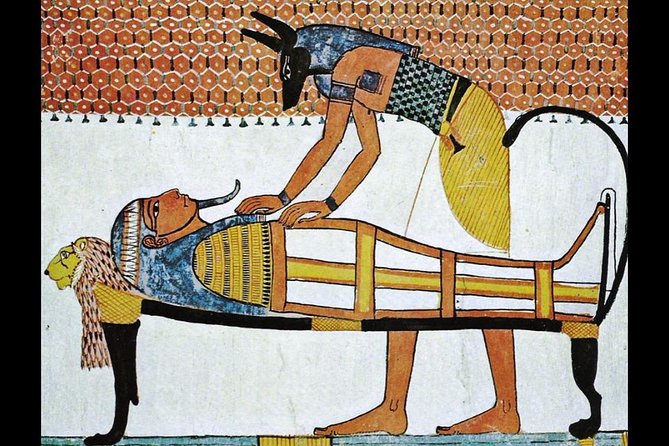
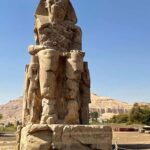
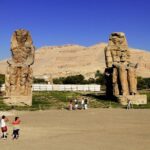
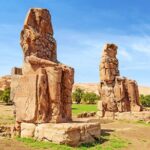
After the Valley of the Kings tombs, the tour includes the Colossi of Memnon. These are described as the two largest ancient statues in Egypt, dating to the era of King Amenhotep III.
The description adds a genealogy thread: Amenhotep III was the father of Akhenaten and the grandfather of King Tut. That little family connection is the kind of detail your guide can use to stitch the West Bank together as one long storyline, not a checklist of separate monuments.
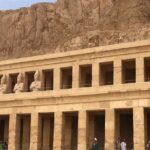
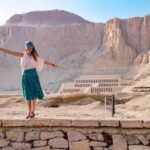
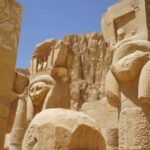
Then comes Temple of Queen Hatshepsut at Deir el Bahari. This is where the tour shifts from burial spaces to a grand funerary temple landscape. The tour description calls her the only woman ever to reign over Egypt as Pharaoh, and it also states she was an ancestor of King Tutankhamun, belonging to the same dynasty.
From a visitor’s point of view, this stop can do one key thing: it reframes the meaning of all the tomb stops. Pharaoh power isn’t just how a ruler dies. It’s how a dynasty builds legitimacy, preserves memory, and uses monumental architecture to say, I mattered then and I matter now.
Private guide energy: what the reviews clearly emphasize
The most consistently praised element in the guidance is the human one: the guide. Names that come through in strong feedback include Abdul, Khalid, Ragab, Hamdy, Ahmed, and Abdo—each praised for enthusiasm, professionalism, and the ability to explain what you’re seeing in plain English.
Some guests mention guides going beyond basics, like Egyptology that includes hieroglyph-focused explanation. Others highlight that the guide helped with on-site decision-making, including which tombs to see first and how to keep the day efficient.
I’d treat that as more than “nice service.” In the Valley of the Kings and around Deir el-Medina, the difference between a forgettable stop and a memorable one is often whether someone can translate the imagery into something you understand while you’re still inside the site.
Price and logistics: what $55 really buys you in Luxor
The headline price is $55.00 per person for a private tour, with hotel pickup offered and transport by private air-conditioned vehicle. The included items also list a qualified Egyptologist guide and hotel drop-off.
Entrance fees are not included, listed as 1250 EGP per person. So for budgeting, think of the $55 as paying for the guide and logistics, and the Egyptian site fees as the separate add-on.
Also note the timing: the tour is described as about 5 hours in one place, with mentions of around 6 hours in the day plan, plus short time windows per tomb (for example, 10–20 minute slots in the Valley of the Kings stops and a longer 1 hour block at Hatshepsut’s temple). In practice, that means you’re getting a “see many key sites” approach rather than a single-tomb slow cruise.
If you want the best value, this format fits people who want to hit the big anchors of the West Bank while still getting explanations that make each site click.
Who this tour fits best (and who should adjust expectations)
This is a great fit if you want:
- A private experience rather than a crowded group bus scene
- Both royal tombs and people-connected places, including Deir el-Medina
- A guide who can turn visuals into meaning, including religion and symbolism
It may be less ideal if you:
- Only care about one tomb and want lots of time inside it
- Get annoyed by a schedule that moves between several sites with shorter stops
One small practical win: because it’s private with pickup, you’re less likely to waste your precious daylight lining up tickets and waiting for others to return from “quick photo breaks.”
A few pro tips before you go
- Ask your Egyptologist guide to connect sites together. The tour naturally links Tut, his ancestors, and the women/royal power represented by Hatshepsut. Getting that story thread makes everything feel less random.
- Plan for site fees on top of the listed price. The tour specifically says entrance fees run 1250 EGP per person.
- If you’re booking as part of a multi-day Egypt plan, consider that this tour includes several big anchors on the West Bank. It pairs well with other Luxor experiences without needing extra travel days.
Should you book this King Tut and Hatshepsut private tour?
Yes, if you want a West Bank day that covers the essentials while giving you context. The big selling point is the mix: King Tut and the Valley of the Kings, plus Deir el-Medina’s artisan world, plus the grand closing note at Hatshepsut’s Deir el Bahari.
I’d especially recommend it to first-time Luxor visitors who don’t want to choose between “royal” and “everyday.” This itinerary gives you both, and the private Egyptologist format helps you understand what you’re seeing instead of just photographing it and moving on.
If you’re the kind of traveler who wants long stays inside a single tomb, plan either a different pacing or a second visit. Otherwise, this is the kind of trip you’ll remember as a well-linked story, not scattered highlights.
FAQ
How long is the private tour?
The tour is listed as about 5 hours, and the full guided plan is also described as around 6 hours.
Is hotel pickup and drop-off included?
Yes. Hotel pickup and drop-off are included, and you travel by private air-conditioned vehicle.
What sites are included besides King Tut?
You’ll visit the Valley of the Kings with multiple royal tombs and also go to the Temple of Queen Hatshepsut at Deir el Bahari. The itinerary also mentions the Colossi of Memnon. The tour description also includes the Valley of the Nobles and the Valley of the Artisans (Deir el-Medina).
Are entrance fees included in the price?
No. Entrance fees are not included and are listed as 1250 EGP per person.
Is the tour private?
Yes. It’s private, meaning only your group participates.
Do I need to book an air-conditioned vehicle or guide separately?
No. The tour includes a qualified Egyptologist guide and private air-conditioned transport.
Is hot air ballooning included?
Hot air ballooning is listed as optional and available before the tour.
Can I cancel for a full refund?
Yes. Free cancellation is available if you cancel up to 24 hours in advance of the experience start time.