REVIEW · LUXOR
Private Guided Day Trip to Dendara and Abydos Temples with felucca From Luxor
Book on Viator →Operated by Nice tours · Bookable on Viator
A dawn start makes this day feel like an expedition, not a chore. You’ll get private transfers by air-conditioned minibus, then spend focused time at Temple of Seti I and Dendera Temple of Hathor with an English-speaking Egyptologist guide. I especially like that the tour includes the felucca ride and practical comforts like bottled water, which keeps the day from turning into a grueling heat test; the only real catch is that entrance fees aren’t included, so you’ll want to budget for them.
What makes this work well is the way the guide ties details to what you’re seeing. At Seti I, you’ll be looking at limestone work laid out in stages, and at Dendera you’ll get the kind of explanation that makes the carvings and religious layers easier to read. One consideration: the day runs about 8 hours, so if you hate early mornings, this will still be early.
In This Review
- Key Things You’ll Notice on This Abydos and Dendera Day
- Early Morning Luxor Pickup: How You Set Yourself Up for a Great Day
- Temple of Seti I at Abydos: Limestone Details and Royal Ambition
- Dendera Temple of Hathor: How the Temple’s Layers Tell Time
- Nile Felucca Ride: Tea, Cool Breezes, and a Much Slower Pace
- Timing, Comfort, and What to Bring for This 8-Hour Temple Day
- Price and Value: What $100 Buys You (and What It Doesn’t)
- Who This Trip Fits Best
- Should You Book This Abydos and Dendera Day Trip?
- FAQ
- FAQ
- How long is the Luxor to Abydos and Dendera day trip?
- What is included in the tour price?
- Are entrance fees included for Temple of Seti I and Dendera Temple?
- What time does the tour start?
- Do I get a felucca ride on the Nile?
- Is this a private tour?
- Is cancellation free?
Key Things You’ll Notice on This Abydos and Dendera Day
- Early morning start from Luxor that helps you see major temples before the day feels too hot
- Temple time with a real Egyptologist guide focused on how the sites were built and used
- Temple of Seti I’s limestone architecture, including its staged layout
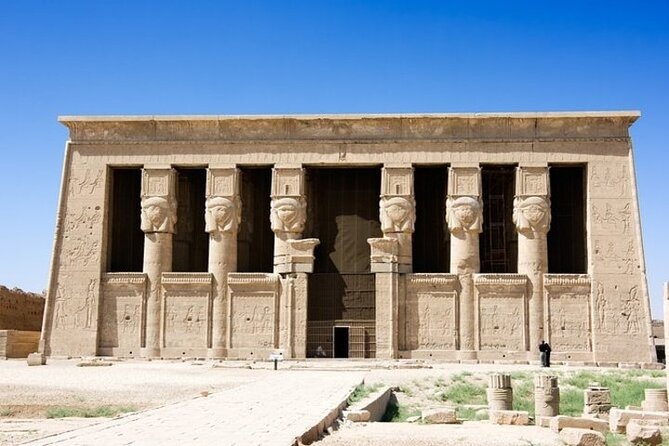
- Dendera’s Hathor Temple, tied to later Ptolemaic-era prominence and older religious traditions
- Felucca ride on the Nile with breezes and onboard refreshments like tea and drinks
- A private setup (only your group) so you can ask questions and keep your pace
Early Morning Luxor Pickup: How You Set Yourself Up for a Great Day
This is the kind of trip that earns its start time. You leave Luxor early, before the city fully wakes up, and you head north past villages and everyday life where you can feel the real rhythm of the Nile region. That drive matters because it turns the day into a journey, not just a sequence of ticket lines.
Once you arrive, you’re not just walking through rooms and courtyards. The guide keeps things moving and makes sure you’re looking at the right things. I like that the tour is private, because it means you’re not stuck waiting for slow walkers or sprinting after a loud group.
You’ll ride in an air-conditioned mini bus, then move through the temple areas with the guide. Plan to be outdoors for long stretches. Even though the schedule is structured, you’ll still want to be ready for sun and stone in the middle of the day. Bring a hat and sunscreen, and dress for comfort on uneven surfaces.
You can also read our reviews of more guided tours in Luxor
Temple of Seti I at Abydos: Limestone Details and Royal Ambition
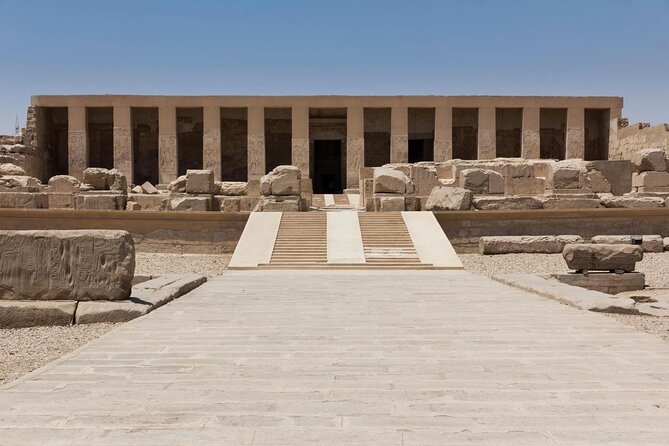
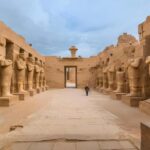
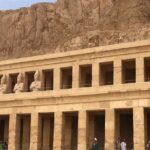
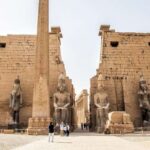
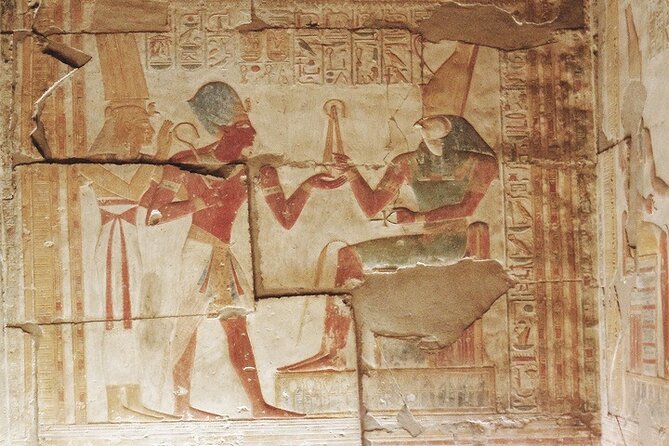
Abydos feels like one of those places where the history isn’t behind glass. The Temple of Seti I stop gives you real time with a site known for its distinctive limestone architecture and staged layout. The guide’s explanations help you understand what you’re seeing instead of just collecting photos.
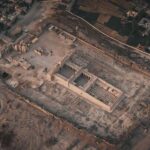
One reason I’d prioritize this temple is that it rewards attention. The temple is arranged in three stages, and when you follow the guide’s description, each section clicks into place as part of a larger whole. You’re not just moving from doorway to doorway—you’re learning how the design guided religious meaning and visitor experience.
There’s also typically time at the Osirion area during this stop. Even if you’re not an archaeology buff, it’s the kind of setting that makes ancient Egypt feel tangible. Stone, scale, and placement work together, and the guide helps you read the site like a map.
Practical note: entrances are not included in the tour price. So while you’ll have a smooth, guided visit once you’re inside, you should expect to pay for entry on the day. I also recommend carrying something for small purchases or snacks if you get caught out by temple-site timing.
Dendera Temple of Hathor: How the Temple’s Layers Tell Time
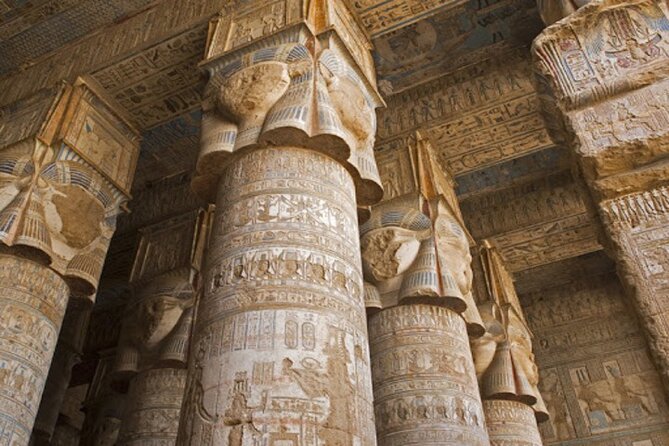
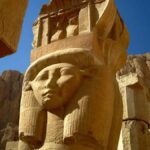
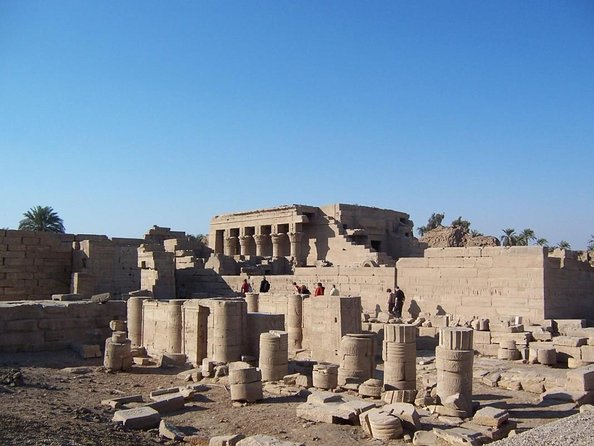
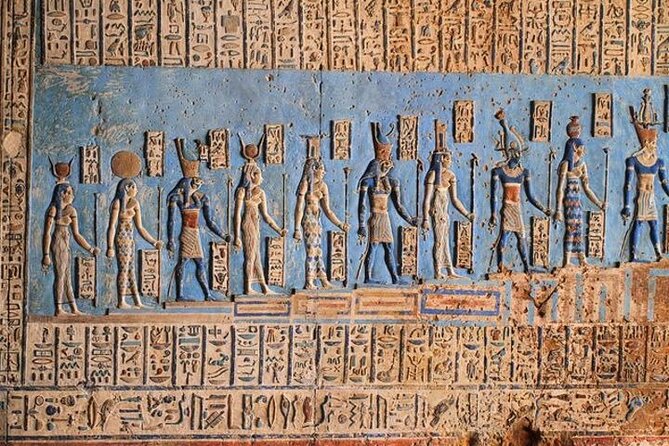
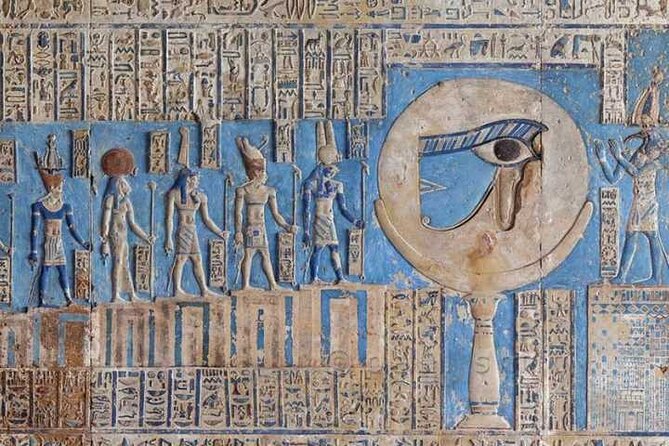
Then the day shifts from Abydos to Dendera, and the change is striking. Dendera Temple of Hathor is famous for its religious importance and for the way it represents different eras of worship.
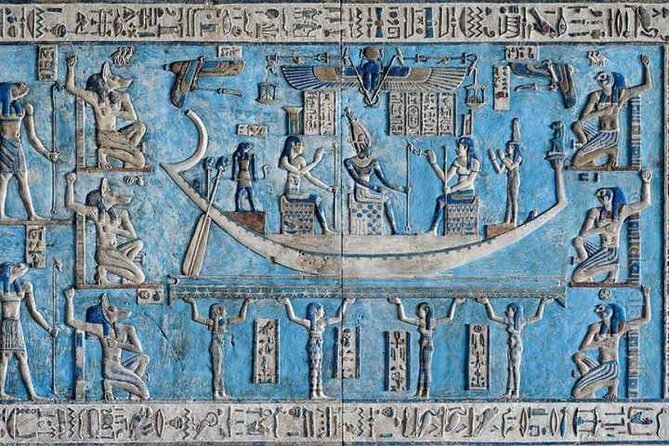
This site is tied to the late Ptolemaic period, but what I find most useful is that it also preserves echoes of older traditions. The temple is located on holy Egyptian ground and is known for religious-structure relics associated with the time of Pepi the First from the Old Kingdom. When your guide points out those connections, the temple doesn’t feel like a single-era artifact—it starts to feel like a long conversation across centuries.
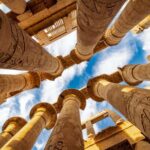
At Dendera, you’ll also want to keep your phone ready because it’s photogenic in multiple ways: carved columns, doorways, and areas where the light hits stone at different angles. The guide can help you time your photos so you’re not stuck shooting in harsh sun for the whole session.
One moment that tends to stand out is a tight, squeeze-through viewpoint that leads to hidden chambers. It’s one of those experiences that sounds like a gimmick until you’re actually there. If you’re not comfortable with cramped spaces, skip it and just stay with the main viewing areas—the site is still impressive without the extra effort.
Nile Felucca Ride: Tea, Cool Breezes, and a Much Slower Pace
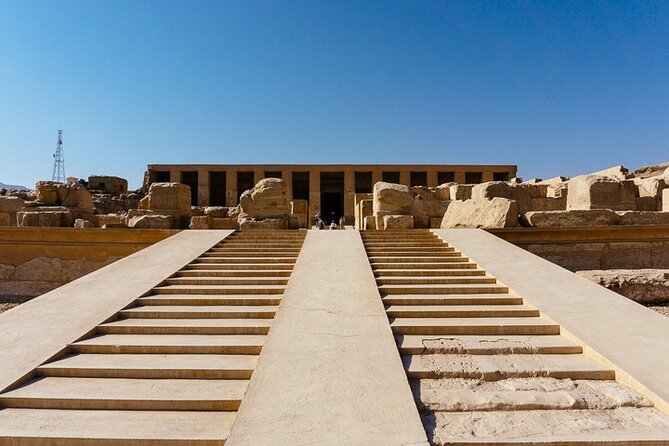
After temple time, you switch modes. Instead of more walking and stone, you get a felucca ride—a traditional sailboat on the Nile. This part is more than a scenic bonus. It’s a palate cleanser that gives you a break from heat and crowds and brings your brain down a gear.
I love that the tour includes refreshments here. Some guides provide tea and drinks on the felucca, and there’s also mention of cold water being available during the day—exactly what you want when temperatures climb. Even if you’re traveling light, plan to take a slow sip and just watch. The Nile makes it easy.
Also, the ride gives you a different angle on the day. Temples are vertical—mass, columns, ceilings. The Nile is horizontal: sky, water, and motion. It’s a good contrast, and it makes the full itinerary feel balanced instead of nonstop.
Timing, Comfort, and What to Bring for This 8-Hour Temple Day
This is an 8-hour day trip, roughly from a very early morning start. You’re up before the heat peaks, then you’re out again under the sun and near stone walls that hold warmth.
So here’s what I’d bring based on how the day is structured:
- Comfortable shoes for temple paths and uneven ground
- Hat + sunscreen since most of your time at temples is outdoors
- Light layer for morning air and a warmer wrap if you’re sensitive to breeze during the felucca
- Since entrance fees aren’t included, have a plan for that spending ahead of time
You’ll get bottled water included, which helps a lot. On the felucca, you can also expect tea/drinks with the ride. Still, don’t assume water will magically follow you everywhere—use the included bottles early, then refill as you can.
You can also read our reviews of more private tours in Luxor
Price and Value: What $100 Buys You (and What It Doesn’t)
At $100 per person, the value here comes from what’s bundled. You’re paying for:
- Private guided temple time with an English-speaking Egyptologist
- Hotel pickup and drop-off in the East Bank
- Air-conditioned mini bus transportation
- Bottled water
- A felucca ride
That’s a lot of “hard to arrange” items in one package. If you try to do this on your own, you’ll spend time coordinating transport and timing between Abydos and Dendera, and you might not get the same clarity about what you’re looking at.
The big “not included” item is entrance fees. The tour also doesn’t include West Bank hotel pickup; that costs an extra $5 per person if you need it. So the real cost is $100 plus the temple entries.
If you like temples and want your time guided—especially at Dendera, where layers of meaning matter—this price starts to make sense quickly. If you’re the type who wants to wander solo without structured explanation, you may decide to self-plan instead and skip the guide. But if you do care about understanding what the carvings and layouts mean, you’re paying for that translation.
Who This Trip Fits Best
This day trip is a great match if you want:
- A private Egyptologist-led experience (so you can ask questions without rushing)
- Two major stops that feel like different sides of the same ancient world: Abydos for Seti I, then Dendera for Hathor
- A break halfway into your memory of stone: the Nile felucca ride
- Guides who can explain clearly and help with photo opportunities (some guides have even been noted for strong photography instincts)
It’s also a solid choice for people who don’t want to pack their day with too many moving parts. You have one plan, one driver, one guide rhythm, and then a memorable ride.
Should You Book This Abydos and Dendera Day Trip?
I’d book it if you want a day that’s structured but not stiff: early departure, two major temples, and a felucca ride that makes the day feel complete. It’s especially worth it when you value explanation—Seti I’s staged limestone layout and Dendera’s religious layers are the kind of places where a good guide turns “I see carvings” into “I understand what I’m looking at.”
If you hate early starts or you’re trying to keep costs ultra-low because entrance fees add up, consider whether a self-paced option fits you better. But for most visitors who want the highlights without the stress, this is a practical, well-rounded way to do Abydos and Dendera in one go.
FAQ
FAQ
How long is the Luxor to Abydos and Dendera day trip?
It’s listed at about 8 hours.
What is included in the tour price?
The tour includes East Bank hotel pickup and drop-off, air-conditioned mini bus transport, a professional private English-speaking Egyptologist guide, bottled water, taxes and charges, and a felucca ride.
Are entrance fees included for Temple of Seti I and Dendera Temple?
No. Entrance fees are not included.
What time does the tour start?
The start time is listed as 5:00 am.
Do I get a felucca ride on the Nile?
Yes, the itinerary includes a felucca ride after the Dendera Temple visit.
Is this a private tour?
Yes. It’s a private tour/activity, so only your group participates.
Is cancellation free?
Free cancellation is available up to 24 hours before the experience start time for a full refund.