Aswan’s highlights in one day, without hotel chaos. This private road trip is built for people who want the big three—Philae Temple, the High Dam, and the Unfinished Obelisk—plus expert context from an Egyptologist guide. You get your own transport and a door-to-door rhythm that helps the long drive feel manageable.
I love that the day is genuinely structured: every stop has a clear theme and included admission, so you are not scrambling for tickets or working out timing. I also like the value of seeing Aswan’s top sites in the same stretch, especially the way the guide connects myths, rulers, and engineering in plain language.
One consideration: it is an 11-hour day with road travel, and traffic can add time. If you are trying to cram in dinner plans right after, build in a cushion.
In This Review
- Key things to know before you go
- Door-to-door Luxor to Aswan by private A/C vehicle
- Philae Temple and the Isis story on an island sanctuary
- Aswan High Dam: engineering that changed the Nile’s rhythm
- Unfinished Obelisk: watching ancient craft in progress
- Lunch, timing, and how to avoid the end-of-day scramble
- Price and value: what $70 buys you
- The human factor: how the day feels with your guide
- Who should book this Aswan highlights trip?
- Should you book this tour?
- FAQ
- FAQ
- How long is the private tour from Luxor to Aswan?
- Is pickup included?
- Is transportation private and air-conditioned?
- Do I need to buy admission tickets separately?
- Is lunch included?
- What sites are visited during the day?
- How long do you spend at Philae Temple?
- How long do you spend at the High Dam and Unfinished Obelisk?
- Is tipping included in the price?
- What is the cancellation policy?
Key things to know before you go
- Private, door-to-door transfers: no changing hotels, no shared shuttles
- Philae Temple admission included: you enter with time to understand the Isis story
- High Dam facts you can actually picture: including how it relates to pyramid-scale stone
- Unfinished Obelisk for craft lovers: you see evidence of how stone was cut
- Lunch is included, plus bottled water during the tour
- Long day pacing: expect breaks, and plan for the drive time between Luxor and Aswan
Door-to-door Luxor to Aswan by private A/C vehicle
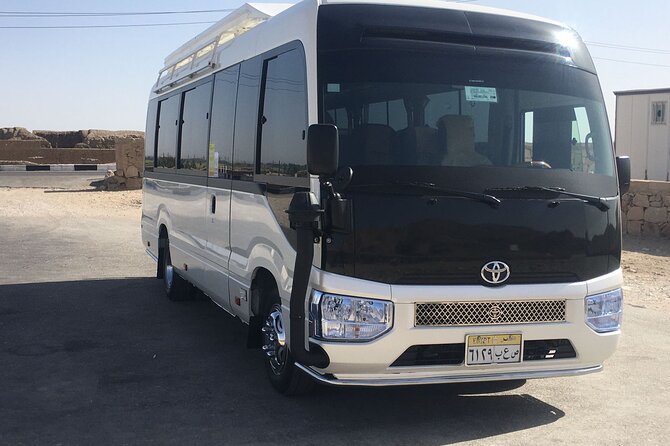
The best part of this tour is the simple setup: you start in Luxor and return to the same meeting point, with pickup from your hotel or Nile Cruise. Instead of worrying about how you will get out to Aswan, you step into a private A/C vehicle and let your guide run the day.
This is a road trip, not a quick hop. The upside is control. You can lean forward for photos, ask questions in the car, and adjust your pace on the fly with your guide and driver. You also get an intimacy that is hard to match on group tours: it is just your party, your Egyptologist guide, and the road.
The trade-off is time. The overall duration is around 11 hours, so you want to start the day rested. Also, keep in mind that traffic police and road conditions can affect the schedule. If you tend to get stressed when plans slip, this is the moment where that stress can creep in.
You can also read our reviews of more private tours in Luxor

Philae Temple and the Isis story on an island sanctuary
Philae Temple is the emotional center of Aswan’s ancient side. It sits on an island setting dedicated to the goddess Isis, and the experience starts the moment you arrive because the place feels built for reflection, not rushing.
You will have about two hours here, and admission is included. The guide’s interpretation matters, because the temple is not just pretty stone. It’s a timeline. Construction began during the reign of Ptolemy II and was completed under the Roman emperors. That mix of eras is a big reason the temple is so interesting: you’re seeing how Egyptian religion held onto power while outside empires left their marks.
In the story your guide tells, Isis is described as the mother of god, the mother of Horus, and the consort of Osiris. If you think mythology is just for films and memes, Philae is the reminder that for ancient Egyptians, these relationships shaped how people understood death, kingship, and renewal.
What I think you will like most here is how it ties together symbols and rulers in a way that clicks. Instead of memorizing names, you get to understand what the images were doing. If you are someone who enjoys learning while you walk, this stop is where the guide earns their paycheck.
Photo tip: go slow on the way in and out. Even if you only have a couple of hours, you will get better shots if you do not treat it like a checklist.
Aswan High Dam: engineering that changed the Nile’s rhythm
After Philae, you get a lunch break and then head to the High Dam, one of Egypt’s most important achievements of the last century. This stop is only about an hour, but it is packed with context.
Here’s what makes it worth your time: the dam is not just a structure. It is a solution. Your guide will connect it to Egypt’s water and electricity needs and to the end of the destructive Nile inundation cycle. In other words, the dam is about control—control over flooding, control over irrigation, control over power.
You also get a specific scale detail that helps you picture the size: it contains 18 times the material used in the Great Pyramid of Cheops. That is the kind of fact that makes the High Dam feel real, not abstract. When you look at a huge modern project, your brain usually needs a comparison. This one does the job.
One practical note: because this is a shorter stop, do not expect a long, unhurried walk around every corner. Be ready to absorb the main points quickly, and use your energy on the viewing moments and explanations that your guide points out.
Unfinished Obelisk: watching ancient craft in progress
Next up is the Unfinished Obelisk, and this is the stop that tends to surprise people. Instead of a completed monument, you see a work-in-progress. That changes the tone immediately. It becomes less about what ancient Egyptians finished and more about how they did it.
You will spend about an hour here, with admission included. The core idea your guide brings to the site is the craft of cutting stone. You are seeing evidence of process—how ancient teams worked the rock, and what happens when plans change or projects stop.
There is also a claim connected to the obelisk’s identity: it is believed to belong to Queen Hatshepsut from the 18th Dynasty. Whether you treat that as a firm answer or a strong tradition, it gives the site a human connection. You are not just looking at a chunk of stone. You are imagining a queen, a workshop, and a plan underway.
If you like hands-on learning, this is a great match. It makes the ancient world feel less like museum glass and more like real labor. And because it is a different kind of site than temple or dam, it balances the day nicely.
Lunch, timing, and how to avoid the end-of-day scramble
Lunch is included between Philae and the High Dam, and bottled water is provided during the tour. That matters on an 11-hour day. You are spending a long chunk of time on the road, and you will feel it if you start getting dehydrated or hungry early.
Timing-wise, plan for a day that runs you from morning pickup to hotel return. This is not a “just pop over” itinerary. You are changing regions and seeing three major Aswan landmarks plus a temple island.
A small strategy helps: wear comfortable walking shoes, but also think about shade. Even when you have a guide and admissions included, you are still outdoors for parts of the day. If you get sunburn easily, add protection.
If you are traveling as a family, the included lunch and private pacing can be a relief. Kids may not care about pyramid-scale comparisons, but they often enjoy the temple and the unfinished stone because it feels like discovery rather than lecture.


Price and value: what $70 buys you
At $70 per person, this tour can look simple on the surface. The real value is in what’s bundled into that price.
You are paying for:
- Private A/C transportation round-trip from Luxor
- A guide with Egyptologist expertise during the day
- Admission tickets for Philae Temple, the High Dam, and the Unfinished Obelisk
- Lunch and bottled water
- Service charges and taxes
If you tried to recreate this on your own—transport, tickets, and a guide—you would likely spend more on logistics alone. The biggest “value multiplier” is the guide. A knowledgeable guide is not the same as a driver. The guide’s job is to connect what you are seeing to the why behind it. When you hit sites like Philae with its Ptolemy-to-Roman construction story, or the High Dam with its Nile-control mission, the guide turns facts into understanding.
Also, because it is private, you are not paying for time you do not need. You get a direct route and fewer frustrations than piecing together separate tickets and timings.
The human factor: how the day feels with your guide
The tour is only as good as the explanation you get while you are walking and looking. This experience is built around a personal Egyptologist guide, and the tone of the day usually stays on track because the guide controls the flow.
One detail that comes up in real-world experiences is how drivers help reduce stress. A driver named Mustafa has been mentioned as excellent, and that kind of smoothness matters on a long day. When the drive is steady and the timing is handled, you feel it instantly.
You might also find a small extra stop related to local products. In at least one family experience, the group was taken to a spice store where smells and fragrances were part of the story. Since that is not guaranteed as a formal listed stop, treat it as a possible bonus: if it happens, it can be a fun way to add texture to your day without stretching the main sites.
Who should book this Aswan highlights trip?
This tour fits best if you:
- Want Aswan’s top sites without changing hotels
- Like a guide who explains symbolism, not just dates
- Prefer private transport over negotiating rides and schedules
- Have one day and want to cover the must-sees efficiently
- Travel as a family and want included meals and a calmer rhythm
It might be less ideal if you:
- Hate long road days and want a shorter outing
- Need a perfectly predictable timeline with no schedule drift
- Are the type who prefers one or two sites and lots of wandering time
Should you book this tour?
Yes, if you want a focused Aswan sampler done with private comfort and included admissions. The mix of Philae Temple, the High Dam, and the Unfinished Obelisk gives you three angles on Aswan: religion, modern engineering, and ancient stonecraft. That combination is efficient, and the guide turns it into a story instead of three disconnected stops.
If you do book, come prepared for the long day. Start early, hydrate, and keep dinner plans flexible. With that mindset, this becomes a strong value way to see Aswan’s most important landmarks in a single swing.
FAQ
FAQ
How long is the private tour from Luxor to Aswan?
The duration is approximately 11 hours.
Is pickup included?
Yes. Pickup is offered from your hotel or Nile Cruise in Luxor, and the tour ends back at the meeting point.
Is transportation private and air-conditioned?
Yes. You travel by private A/C vehicle for all transfers during the tour.
Do I need to buy admission tickets separately?
No. Admission to Philae Temple, the High Dam, and the Unfinished Obelisk is included.
Is lunch included?
Yes. Lunch is included during the tour, and bottled water is provided.
What sites are visited during the day?
You visit Philae Temple, the Aswan High Dam, and the Unfinished Obelisk.
How long do you spend at Philae Temple?
You spend about 2 hours at the Temple of Philae.
How long do you spend at the High Dam and Unfinished Obelisk?
You spend about 1 hour at the High Dam and about 1 hour at the Unfinished Obelisk.
Is tipping included in the price?
No. Tipping is not included.
What is the cancellation policy?
You can cancel for a full refund up to 24 hours before the experience starts. If you cancel less than 24 hours before the start time, the amount paid is not refunded.