REVIEW · LUXOR
Nile Cruise Tour from Luxor to Aswan 4 Nights
Book on Viator →Operated by Luxor Booking Tours · Bookable on Viator
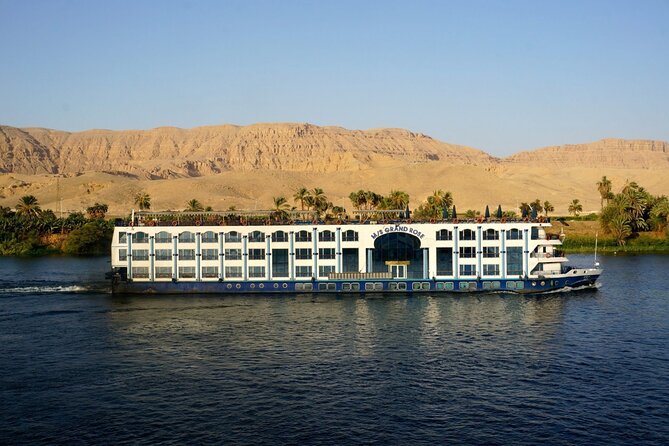
Nile sunsets feel like time travel. This Luxor-to-Aswan Nile cruise makes the big-ticket history easy to handle, with a real Egyptologist guide and a full-board setup that keeps your day from turning into a hunt for meals and tickets. I especially liked how the guided stops connect the sites into one story, instead of sending you off with a map and hope.
Plan on one thing: tipping is not included, so you’ll want to budget for it along the way.
In This Review
- Key points
- What you’re really buying on this Luxor to Aswan cruise
- Day 1 in Luxor: Karnak Temples and Luxor Temple in the same rhythm
- Day 2 on the West Bank: Valley of the Kings, Hatshepsut, and Colossi of Memnon
- Day 3 temple day: Edfu’s Horus Temple and Kom Ombo’s two-god design
- Day 4 in Aswan: High Dam, Unfinished Obelisk, and Philae Temple
- Day 5 in Aswan: your options after breakfast
- Price and logistics: what’s included, and what you should plan for
- Who this Luxor-to-Aswan cruise suits best
- Should you book this Nile Cruise from Luxor to Aswan?
Key points
- A 4-night, 5-star style cruise on full board so you’re mostly focused on sightseeing, not logistics.
- Egyptologist-led excursions with entrance tickets included for the featured stops each day.
- Private A/C transfers plus meet-and-greet to get you from hotel/rail/airport to the ship smoothly.
- Prime Luxor highlights on Day 1: Karnak Temples and Luxor Temple, both with major monuments up close.
- Edfu and Kom Ombo are different on purpose, with Horus in Edfu and the two-god layout in Kom Ombo.
- Aswan adds both engineering and sacred sites, from the High Dam to Philae Temple.
What you’re really buying on this Luxor to Aswan cruise
You’re paying for two things at once: expert-guided access to Egypt’s most famous monuments, and a relaxed river rhythm that doesn’t require daily train stations or constant packing. The cruise runs for about 5 days, with 4 nights on board a 5-star cruise on a full board basis, plus transportation and entrance fees for the stops included.
That matters because Luxor and Aswan can feel like a sprint if you travel on your own. With this plan, you’re moved by private A/C vehicle and met by a representative, which helps a lot when traffic, pickup locations, and ticket lines start to blur together. Even better, the day-by-day structure keeps you from overthinking what to do next.
One more value angle: the tour is built around major “anchor” sites. Karnak and Luxor Temple give you the big Theban story right away. Then the West Bank adds royal tombs and Hatshepsut’s legacy. Edfu and Kom Ombo bring temples into sharper focus, and Aswan brings a different flavor—Isis at Philae, plus the High Dam and the Unfinished Obelisk for a sense of how Egypt’s stone-cutting ambitions really worked.
If you want to see a lot without turning your trip into a checklist, this is a solid fit.
You can also read our reviews of more boat tours in Luxor


Day 1 in Luxor: Karnak Temples and Luxor Temple in the same rhythm
Day 1 is about getting your bearings fast, with two of Luxor’s most important temple experiences back-to-back.
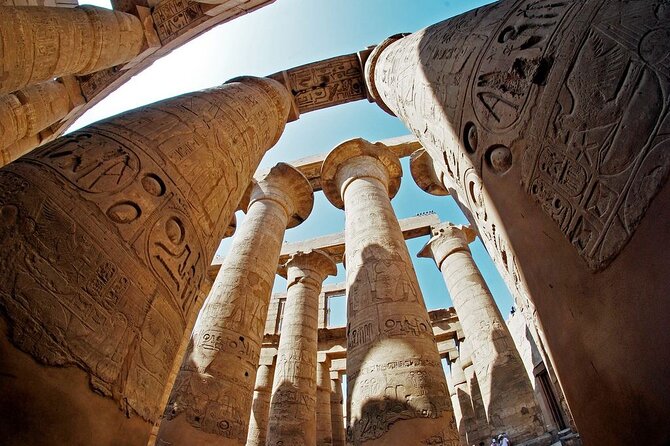
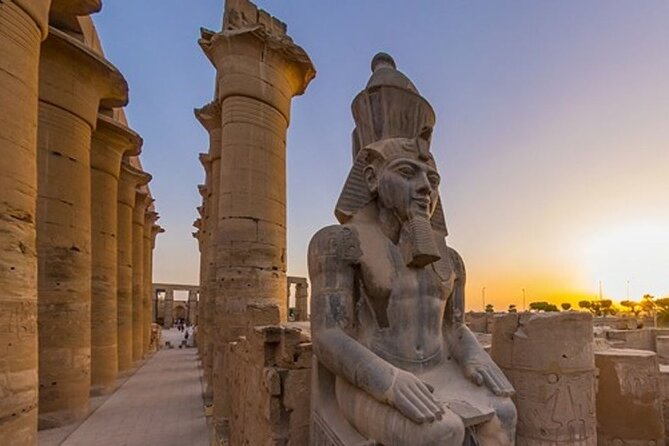
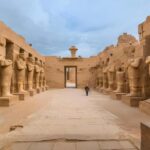
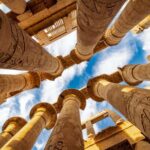
Start with Karnak Temples, dedicated to Amun and Mut. What I like here is that Karnak isn’t just impressive walls and columns. It’s also where you learn how the Egyptians framed power and diplomacy. The tour highlights an international peace treaty connected to the temple—information like that turns the site from scenery into context. You’ll spend about 2 hours, and it’s the kind of place where an Egyptologist guide helps you notice what you’d otherwise miss.
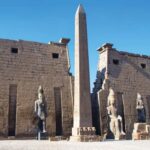
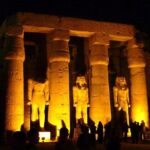
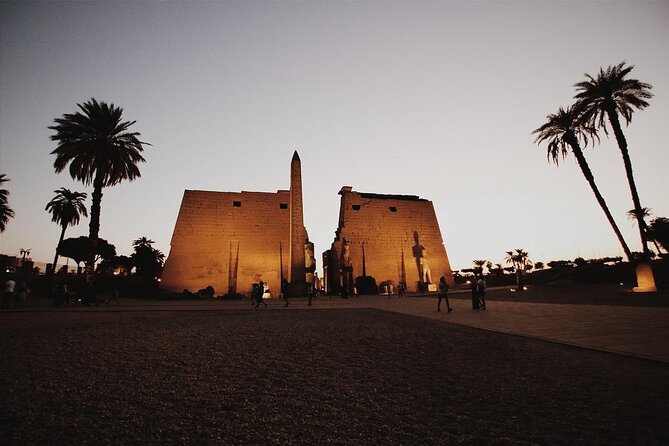
Next comes Luxor Temple, built by Amunhotep III and completed later by Ramesses II. You get the Theban triad idea—Amun-Ra, Mut, and Khonsu—and the temple’s evolution across dynasties. Don’t skip the Obelisk of Ramses II standing in front of the First Pylon. It’s a good “physical landmark” for orienting yourself inside a huge complex.
This day ends with transfer to check-in on your Nile cruise. That’s a smart pacing choice: you don’t have to carry the mental load of site-hopping while also trying to manage boarding and unpacking.
Day 2 on the West Bank: Valley of the Kings, Hatshepsut, and Colossi of Memnon
Day 2 is the classic West Bank day, and it works because each stop scratches a different itch.
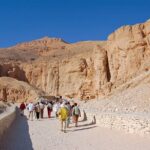
First is the Valley of the Kings (about 2 hours). Even if you’ve heard of King Tutankhamun, this is where the bigger pattern shows up. The tour plan points you toward tombs linked to Tutankhamun, Ramses VI, Tutmosis, and Amonhotep II. With an Egyptologist guide, you’re not just looking at entrances—you’re learning how royal burial fits into Egyptian beliefs, who was buried where, and why the whole valley feels like a coded message.
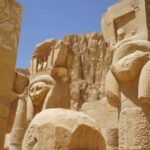
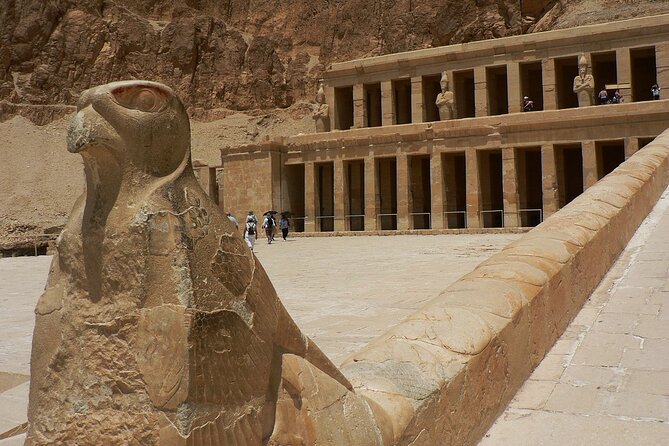
Then you move to Temple of Hatshepsut at Deir el Bahari (about 1 hour). Hatshepsut is often described as the first woman to rule Egypt as a pharaoh, and the tour also ties her reign to trade routes. That’s useful, because it stops the story from being only political symbolism. You learn why her temple’s grandeur matters beyond being beautiful photos.
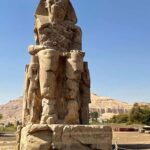
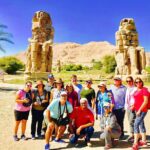
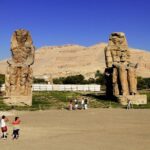
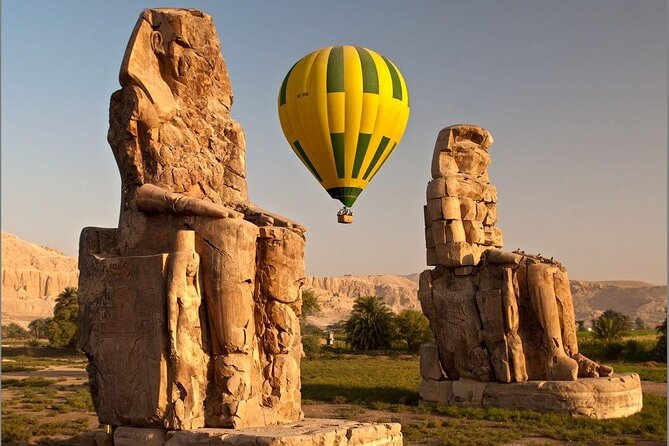
Finally, you visit the Colossi of Memnon for about 20 minutes. These twin statues face the Nile, and the guide shares the legend about an earthquake and the statue “singing” around sunrise. Even if legends aren’t your focus, the statues are worth seeing because they show how Amenhotep III’s scale played out in stone—big, fixed, and meant to last.
Back on board, you’ll sail toward Edfu. That’s part of the appeal here: you’re not just moving from one site to the next, you’re also getting those in-between river views and downtime.
Day 3 temple day: Edfu’s Horus Temple and Kom Ombo’s two-god design
If Day 1 and Day 2 are about setting up the story of ancient Egypt, Day 3 is about temples as “systems”—religion, art, and symbolism working together.
You start at Horus Temple in Edfu (about 1 hour). The guide focuses on scenes and inscriptions tied to the Sacred Drama, showing the conflict between Horus and Seth. I like this approach because it gives you a narrative to look for. Instead of wandering through carvings, you’re trying to match what you’re seeing to the drama’s themes.
Then it’s on to Kom Ombo Temple (about 2 hours). This stop has a built-in “wow” factor because it’s dedicated to two gods: Sobek and Horus. Sobek—the crocodile god—connects with the Nile, fertility, and the army. Horus connects with sky and kingship. Seeing two divine roles housed in one temple structure helps you understand how Egyptian religion could hold multiple priorities at once. It’s a different kind of design challenge than what you saw in Luxor.
When you finish, you return to the cruise and continue toward Aswan. The ship’s movement between these temple stops is more than background. It helps you spread out the mental work. A full temple day can be intense. The sailing in between gives your brain a breather.
Day 4 in Aswan: High Dam, Unfinished Obelisk, and Philae Temple
Aswan is where the trip slows down in a good way. You’re still visiting major sites, but you’re also getting a sense of modern Egypt’s relationship with the Nile.
First comes the Aswan High Dam (about 1 hour). The tour points out it controls water supply across Egypt and can store about three years’ worth of Nile water. I like this stop because it adds a practical reality check. You can’t fully understand the ancient river-and-farming world without seeing how the Nile is managed today.
Next is the Unfinished Obelisk (about 1 hour). The numbers here matter: it’s described at 1,168 tons, and if finished it would have been around 1,200 tons. The guide also connects it to Giza by explaining that some casing stones used for the pyramids were extracted from the same quarry area in Aswan. For me, this is one of those “process” experiences that make Egypt feel real. You’re not only seeing finished monuments; you’re seeing the stone before it became architecture.
Finally, you visit Philae Temple (about 2 hours). Dedicated to the goddess Isis—health, marriage, and wisdom—Philae gives you the sacred side of Aswan after the engineering and quarry evidence. It’s a balanced ending to the guided portion: you go from controlling the river, to understanding quarrying, and then back to ritual space.
You’re transferred back to the cruise after the visit, which makes the day feel complete without stretching into late-night logistics.

Day 5 in Aswan: your options after breakfast
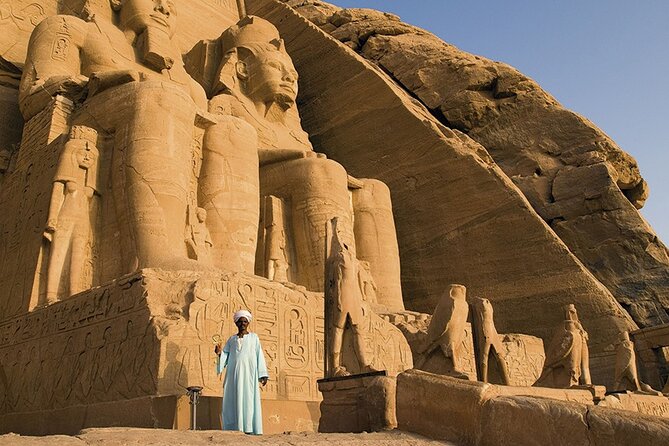
Day 5 is the “you decide” part. After breakfast, you disembark and can choose among options: Abu Simbel, the Nubian Village, or time for sights in Aswan on your own.
I like that structure because it lets you match your energy level. If you’re craving more monumental wow, Abu Simbel is the obvious choice. If you want culture closer to daily life, a Nubian Village visit can be more relaxing than another huge temple complex. If you’re temple’d out, you can simply spend time exploring Aswan at your own pace.
This is also where your personal interests can win. A cruise like this covers the big ancient anchors. Day 5 is where you can add the human-scale details you missed.
Price and logistics: what’s included, and what you should plan for
At $1,025 per person, the price isn’t just about a bed and meals. You’re also getting private A/C vehicle transfers, a meet-and-greet service, accommodation for 4 nights on board, and guided excursions for the featured stops. The itinerary specifically says admission tickets are included for the major temple visits and tours.
You also get the “full plate” meal setup: 4 breakfasts, 4 lunches, and 4 dinners on board. That can quietly be a big value. In Egypt, meals can be easy to overpay for when you’re short on time or stuck between activities.
The one clear item not covered is tipping, plus any add-ons not mentioned. On Day 5, Abu Simbel and the Nubian Village are offered as options, but the data here only lists the day’s inclusion as free time options, not what’s billed separately. So treat those as potential extra costs and confirm on booking.
Timing-wise, the tour start is 8:00 am. Early starts are common for Luxor and temple sites, and this plan supports that. If you’re sensitive to mornings, pack a good attitude, a water bottle, and sunscreen.
Who this Luxor-to-Aswan cruise suits best
This is a great plan for you if:
- You want a “big sites” itinerary without constant DIY planning.
- You appreciate an Egyptologist guide to help you read what you’re seeing.
- You like the feel of being on a ship where the rhythm of the day is already organized.
It may not be ideal if:
- You want total freedom to skip stops or change the order day to day. This tour runs on a fixed program.
- You dislike guided visits. The value here is the guided context, especially for Karnak, Valley of the Kings, and the temple inscriptions.
One more small but real point: the experience lists that it’s a private tour/activity, meaning only your group participates. That usually means less chaos than joining a large mixed crowd, especially at pickups and during transfers.
Also, the reviews you shared emphasize organization and smooth handling, including fast scheduling and good treatment (with one guest thanking Mr. Ziad by name). That kind of consistency matters on a multi-day cruise, where small delays can ripple into your whole day.
Should you book this Nile Cruise from Luxor to Aswan?
I’d book it if you want an efficient, guided Luxor-to-Aswan trip that trades uncertainty for structure. The best reason is simple: you get major ancient sites plus practical modern context, with transportation and admission built in. Day 1 gives you the core Luxor temples. Day 2 covers royal burial and Hatshepsut’s power. Day 3 handles Edfu and Kom Ombo’s temple differences. Day 4 grounds you with Aswan’s Nile management and stone-cutting history, then finishes at Philae.
Before you say yes, do two things:
- Budget for tipping and be ready for possible extra costs on Day 5 choices.
- Accept the early 8:00 am start as part of the deal. If mornings stress you, plan accordingly.
If you’re the kind of traveler who wants Egypt to feel organized, readable, and memorable, this cruise plan is a strong pick.