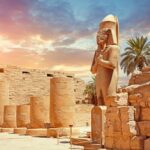
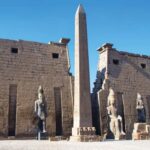
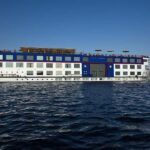
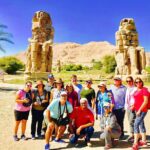
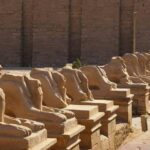
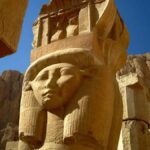
That first Nile sunset has a way of changing your pace. This Luxor to Aswan cruise turns big-ticket ancient sites into a calm, day-by-day flow, with guided temple time and plenty of onboard downtime between stops. The route covers the heavy hitters: Karnak, Luxor Temple, Valley of the Kings, Hatshepsut’s temple, Edfu, Kom Ombo, Philae, and even the Unfinished Obelisk.
What I like most is how the days are structured so you do the major monuments without feeling like you’re racing across Egypt. You also get an English-speaking guide on excursions, and the overall tone from the trip feedback is consistent: people feel safe, cared for, and genuinely informed—often because the guide explains what you’re seeing in plain language. One possible drawback: temple entrance fees and drinks on the cruise are extra, so your final cost can creep up if you don’t budget ahead.
In This Review
- Key highlights (what makes this cruise work)
- Luxor to Aswan by Nile Cruise: the rhythm you’ll actually enjoy
- Price and value: what $800 covers, and what you should plan for
- Day 1 in Luxor: Karnak first, Luxor Temple after
- Day 2 in Luxor West Bank: Valley of the Kings, Hatshepsut, Colossi of Memnon
- Day 3: Edfu’s Horus Temple, Kom Ombo’s double vision, and a party onboard
- Day 4 in Aswan: High Dam, Philae by boat, and the Unfinished Obelisk in the quarry
- Onboard life: suites, food, comfort, and the small details that matter
- How to handle the itinerary without burning out
- Should you book this Luxor to Aswan Nile cruise?
- FAQ
- What’s included in the cruise package?
- Are entrance fees to temples included?
- What about drinks, water, and WiFi onboard?
- What’s the rough pacing like day to day?
- Is pickup and departure support included in Aswan?
- Is tipping included?
Key highlights (what makes this cruise work)
- Karnak + Luxor Temple in one Luxor day so you get the A-list sites early
- West Bank trio: Valley of the Kings, Hatshepsut at Deir el-Bahari, and Colossi of Memnon
- Horse carriage ride in Edfu before you see the Temple of Horus
- Kom Ombo double temple featuring Sobek and Horus, plus an onboard Galbyia party
- Philae Temple relocated by UNESCO to Agilkia Island after the High Dam era
- Sundeck + pool time built in, so the cruise is more than just transport
Luxor to Aswan by Nile Cruise: the rhythm you’ll actually enjoy
This is the kind of trip where the best moments are spaced out. You start the day with an excursion, then you come back to the boat to eat, relax, and watch the Nile slide by. That rhythm matters on a route like Luxor to Aswan, where temperatures, crowds, and stone steps can add up fast.
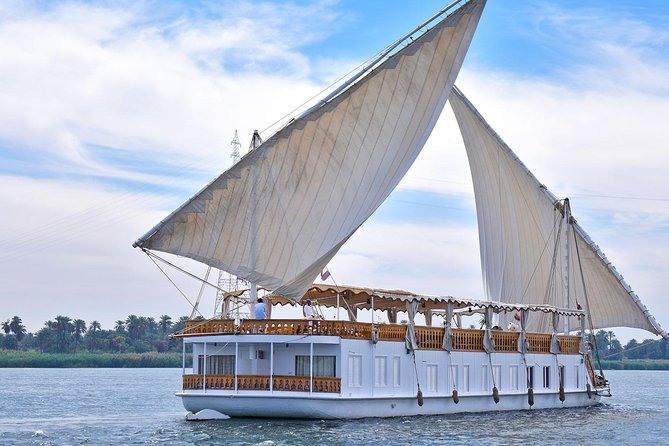
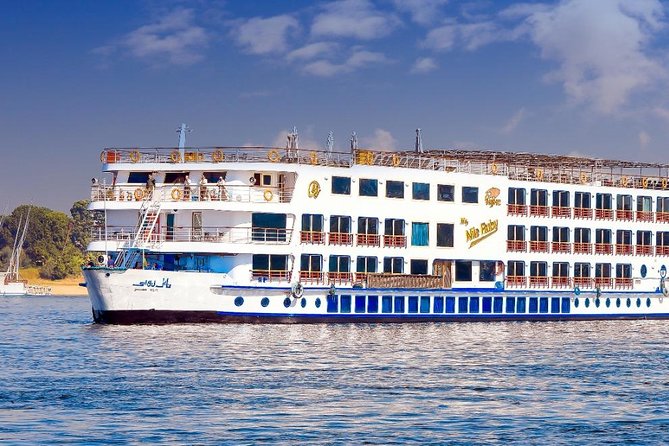
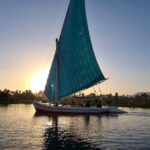
On board, you’ll have the basics you want from a 5-star Nile cruise: comfortable suites, an elegant dining room, a spacious sundeck, and even a pool for downtime. The sundeck is especially handy because it’s a simple way to get those classic river views without squeezing extra sightseeing into your schedule.
And because the plan is built around Luxor in the morning and Aswan by the end, you’re not doing the hardest parts (like major temple days) at the same time as long travel days. It’s a smarter pace than trying to cram everything into a frantic land itinerary.
You can also read our reviews of more boat tours in Luxor
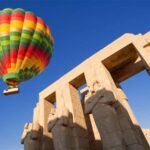
Price and value: what $800 covers, and what you should plan for
At $800 per person, the headline value is that you’re paying for 4 nights onboard on a full-board basis plus transfers and guided excursions. Your package includes meet-and-assist support, pickup/drop-off by A/C vehicle, and an English-speaking guide during site visits. Meals are handled too: breakfast (4), lunch (4), and dinner (4) are included.
Here’s the part you should budget before you book: temple entrance fees and some onboard extras are not included. Based on the listed add-ons, plan around these entrance costs per person:
- Karnak + Luxor Temples: $17.5
- Valley of the Kings + Hatshepsut Temple: $20
- Edfu + Kom Ombo Temples: $17
- Aswan High Dam + Philae Temple + the Quarry/Unfinished Obelisk: $17
Add them up and you’re looking at roughly $71.50 per person in entrance fees, plus tipping for guides/drivers/cruise crew (not included). Also note that water and drinks on the cruise aren’t included, and WiFi on the cruise isn’t included.
If you like having guides handle logistics and keep the days moving at a workable pace, that’s where the $800 makes sense. If you hate extra costs stacking up, you’ll want to treat this as a “package + add-on admissions” situation from the start.
Day 1 in Luxor: Karnak first, Luxor Temple after
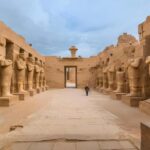
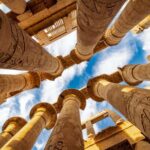
Your day starts with pickup from Luxor Airport, railway station, or your hotel, then an A/C transfer to the cruise to check in before lunch. After lunch onboard, you head out to Karnak Temple, described as the largest temple complex in the world, spanning about 63 acres and built over roughly 2,000 years.
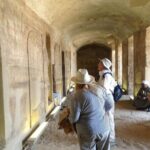
Karnak can be overwhelming if you’re wandering alone. With a guide, you’re more likely to leave with the big picture: how the site evolved across centuries and why it became such a powerful religious center. You’re not just looking at columns and carvings—you’re connecting them into a story.
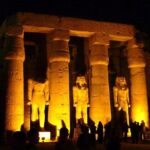
After Karnak, you visit Luxor Temple, where ancient Egyptian, Christian, and Islamic features appear side by side. That mix matters because it reminds you Luxor isn’t a museum piece. It’s a living city layered with different eras.
A practical note: if your arrival into Luxor is early and you can’t check in before 12 pm, the tour starts directly on arrival. That’s good news if your schedule is tight, but it also means you may spend more time on land before your room is ready—plan for that with comfortable clothes and some patience.
Day 2 in Luxor West Bank: Valley of the Kings, Hatshepsut, Colossi of Memnon
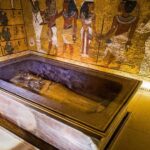
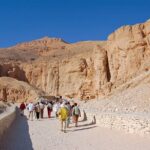
This is the “big West Bank day,” and it’s set up in a way that makes sense. You’ll breakfast onboard, then drive to the West Bank for the Valley of the Kings—the Theban Necropolis where pharaohs from the New Kingdom carved tombs into the mountain, aiming to protect mummies and treasures.
Valley of the Kings is famous, but the real magic is the setting and purpose. When your guide frames it as a place of secrecy and protection, it changes the way you read the site. You stop thinking of it as just a famous valley and start understanding why these tombs were built the way they were.
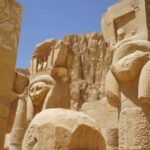
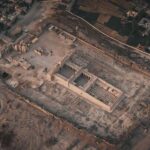
Next comes the Temple of Queen Hatshepsut at Deir el-Bahari. This is a mortuary temple tied to one of Egypt’s standout female rulers, and you’ll hear her story as part of the visit. You’ll also see why the temple’s architecture is so distinctive—set into the landscape in a way that feels engineered for both ceremony and monumentality.
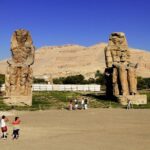
Then you finish with the Colossi of Memnon on the way back. These two giant statues originally belonged to Amenhotep III, the same ruler connected with the Luxor Temple story you saw earlier. It’s a quick stop, but it’s a helpful emotional reset—like stretching after standing in long galleries.
By the end of the day, you return to the boat and begin sailing south. That transition is part of the value: after stone, stairs, and sun, you get movement and a change of pace on the Nile.
Day 3: Edfu’s Horus Temple, Kom Ombo’s double vision, and a party onboard
Day 3 starts with a ride into Edfu and one of the more fun details in the plan: a horse carriage ride with your guide to reach the Temple of Horus. The Temple of Horus is known for being one of the best-preserved, and in practice that usually means you can actually make out more of what you’re seeing rather than only catching fragments.
This is where the guide time pays off again. When you’re walking through carved spaces and big gateways, explanation helps you connect symbols and layout to meaning. Without it, the temple can feel like a lot of stone repetition. With it, you’re more likely to notice patterns.
After the visit, you head back to the cruise, relax on the deck, and sail toward Kom Ombo. That deck time is not filler. It’s your chance to decompress while the scenery changes around you.
Late in the afternoon, you arrive for Kom Ombo Temple, famous for its double design: one side dedicated to Sobek, the crocodile god, and the other to Horus, the falcon god. This “two-temple-in-one” setup makes the stop memorable because you’re not just looking at one theme—you’re comparing two sets of symbolism in the same complex.
Back onboard, dinner comes before an onboard Galbyia party run by the cruise staff and tour guides. It’s also one of those moments that turns a temple-heavy itinerary into a more personal travel memory. Even if you’re not the type who plans to party, it’s typically a low-pressure way to see the crew’s energy and the group’s vibe.

Day 4 in Aswan: High Dam, Philae by boat, and the Unfinished Obelisk in the quarry
Aswan is where the trip slows down in the best way. After breakfast, you get a full day in Aswan city with time for the bazaar vibe—spices, carpets, leather goods, and general trading energy. This isn’t just shopping time. It’s a chance to see a different side of Egypt than temple photography and bus transfers.
First, you visit Aswan High Dam, a landmark built in the 1960s during Nasser’s time and opened in the early 1970s during Sadat’s time. Even if you’re not a tech history person, it helps connect why modern engineering matters in this region.
Then you head to Philae Temple. Because Philae Temple is on an island, you take a motor boat to reach it. The key story here is relocation: when the Aswan High Dam changed water levels, UNESCO moved Philae’s temple to Agilkia Island. That history turns the visit into more than a monument check—it’s a look at how humans respond when ancient sites face modern consequences.
Finally, you end with the Unfinished Obelisk in the granite quarry. The idea is simple and fascinating: it’s a stone-cut attempt that went wrong and was left cracked and unfinished. Standing there, you get a rare view of craft process rather than finished product—an unusually practical way to understand how stonework was planned and executed in ancient times.
By the time you return to the boat, your day has covered both past and modern engineering, plus a taste of local street life. That mix is why Aswan days feel different from Luxor.
Onboard life: suites, food, comfort, and the small details that matter
A Nile cruise can be either relaxing or just another moving hotel. The feedback on this one leans clearly toward relaxing, with lots of mention of organization and comfort.
The suites are described as comfortable, and one standout detail in the notes is that the room felt bigger than on other cruise ships. That matters because you’ll spend time inside between excursions, especially if sun and heat are wearing you out.
Food is another big theme. Multiple notes describe the meals as more than basic—people highlighted Egyptian flavors and said dinner met or exceeded expectations. On a trip like this, it’s smart when food doesn’t feel like an afterthought because it affects how quickly you can recover after long temple days.
Also, the ship includes a sundeck and pool, which gives you options. Want quiet and river views? Sundeck. Want a quick dip to cool off? Pool. Want to just sit and watch the day’s transition? That’s what the deck is for.
Two practical cautions:
- Bring cash for drinks since water and drinks onboard aren’t included.
- Skip counting on WiFi. If you need it for work or messages, plan around offline time.
How to handle the itinerary without burning out
This route is packed with famous monuments, but it’s paced by design. Still, it’s not a lazy cruise. You’ll spend meaningful time walking around temples and moving between the ship and sites.
Here’s what helps you enjoy it anyway:
- Dress for heat and sun. You’ll be outside at major sites.
- Wear comfortable shoes with grip. Temple surfaces aren’t always even.
- Consider a light layer. Even in warm months, air-conditioned vehicles and indoor temple shadows can feel cool.
- Keep a small stash for entrance fees and tips. It’s much easier than doing last-minute math.
If you’re traveling with kids, the plan can work well because the days are structured and the onboard downtime is real. Some feedback highlighted family friendliness, which usually means the schedule is kept to a workable rhythm rather than chaotic.
Should you book this Luxor to Aswan Nile cruise?
If you want a classic Luxor to Aswan Nile cruise with guided access to the main monuments, this is a strong choice. The biggest reasons to say yes are simple: the temples are the right ones, the order makes sense, and the onboard comfort is built into the experience rather than treated like an add-on.
I’d book it if you:
- like the idea of full-board cruising (breakfast/lunch/dinner handled)
- want English-speaking guide support at key sites
- care about timing and smooth transfers more than improvising
I’d think twice if you:
- hate budgeting extra costs for entrance fees and drinks
- need dependable onboard WiFi
- prefer self-guided travel where you control every minute
One last practical note: the experience requires good weather. If conditions aren’t right, you may be offered a different date or a full refund, so it’s worth keeping your schedule flexible.
FAQ
What’s included in the cruise package?
You get 4 nights onboard a 5-star Nile cruise with full board (breakfast, lunch, and dinner each day), plus meet-and-assist, A/C transfers, and an English-speaking tour guide for excursions. Service charges and taxes are included, and pickup is offered from Luxor Airport, railway station, or your hotel.
Are entrance fees to temples included?
No. Temple entrance fees are not included, including fees for Karnak and Luxor Temples, Valley of the Kings and Hatshepsut, Edfu and Kom Ombo, and Aswan Dam/Philae/Quarry.
What about drinks, water, and WiFi onboard?
Water and drinks on the cruise are not included, and WiFi on the cruise is not included.
What’s the rough pacing like day to day?
Each day mixes guided temple visits with onboard time. You typically start with a morning or afternoon excursion, then return for meals and relaxation, including sailing time between Luxor and Aswan.
Is pickup and departure support included in Aswan?
Yes. You’ll be met for arrival/departure support, and on the final day you transfer to Aswan International Airport after checkout.
Is tipping included?
No. Tipping for guides, drivers, and cruise crew is not included, so you should plan for it.