REVIEW · LUXOR
Luxor Private Full-Day Tour: Discover the East and West Banks of the Nile
Book on Viator →Operated by Reflections Travel · Bookable on Viator
Luxor is two worlds in one day. This private full-day tour is built for first-timers who want the key sights of Luxor’s West Bank and East Bank in one smooth plan, with an Egyptologist guide to connect the dots. I also like that lunch is included, which removes a common day-trip hassle. The one drawback to keep in mind is the pacing: at about 8 hours, you’re on a full schedule with limited downtime.
What really makes it easy is the transport and scope. You get round-trip pickup from your hotel (or Luxor International Airport), private A/C transfers, and admission fees handled for you at each stop—so you spend your time seeing monuments instead of sorting logistics. Plus, it’s just your group, which usually means the guide can move at a pace that makes sense for your questions.
In This Review
- Key things to know before you go
- Two Nile Sides in One Day: How the East/West Balance Feels
- The Real Value of $90: What’s Included and Why It Matters
- Your Egyptologist Guide: Why It Changes the Day
- Valley of the Kings: Tombs, Kings, and a Focused 2 Hours
- Temple of Hatshepsut at Deir el Bahari: History With a Named Ruler
- Colossi of Memnon: A Short Photo Break That Still Counts
- Lunch and the Karnak Transition: Crossing From Death to Worship
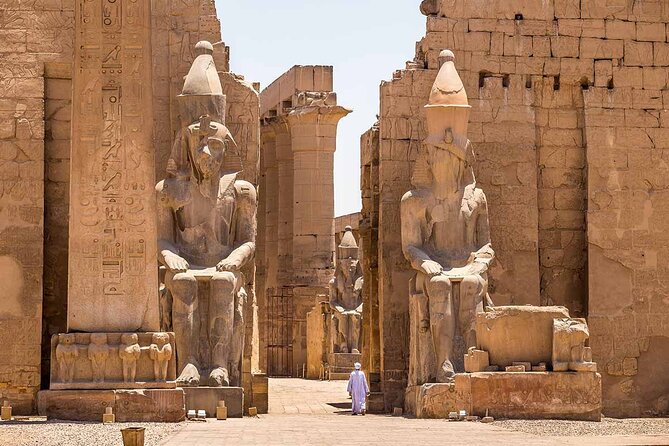
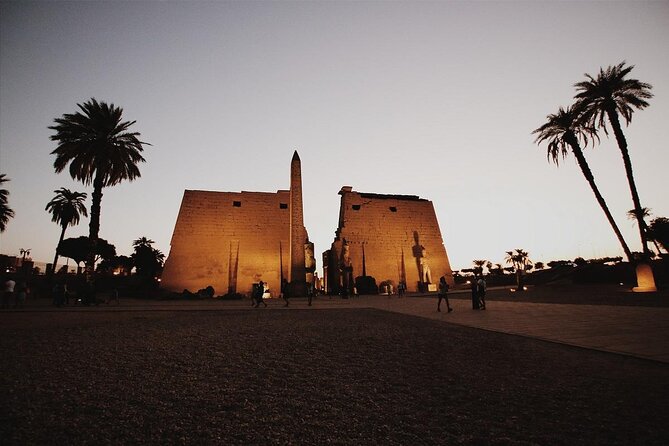
- Luxor Temple to End the Day: Closing With Amunhotep III and Ramesses II
- Comfort, Timing, and Small Choices That Make a Big Difference
- Should You Book This Private Luxor Full-Day Tour?
- FAQ
- What does the tour include for the price?
- How long is the tour?
- Does it cover both the East Bank and West Bank?
- Where will you be picked up from?
- Is lunch included?
- Is tipping included?
Key things to know before you go
- East and West Bank coverage in a single day, so you don’t have to choose
- Licensed Egyptologist guidance that ties tombs and temples to the same story
- Admission fees included at the big sites, plus lunch and a bottle of water
- West Bank focus first, starting at the Valley of the Kings and moving through Deir el Bahari
- East Bank finish at Karnak and Luxor Temple, closing with an easier return to your hotel
Two Nile Sides in One Day: How the East/West Balance Feels
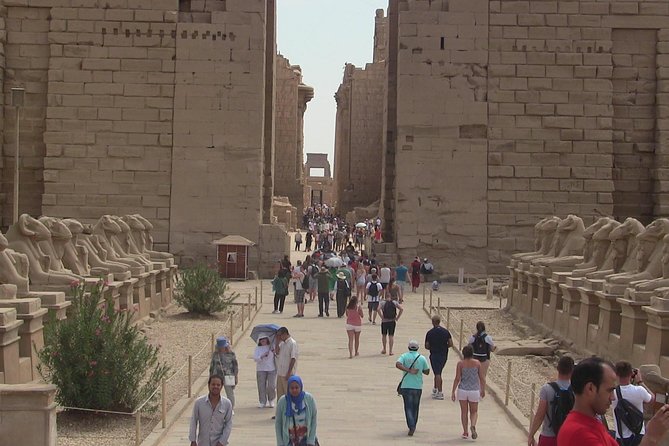
Luxor’s best trick is that it does not ask you to pick one side of the Nile. The West Bank is where the ancient Egyptians placed tombs, and the East Bank is where they built temples for daily worship. This tour’s order—West Bank sights first, East Bank sights after—makes the shift feel logical instead of random.
You’ll spend your day moving through the West Bank’s main monuments, then head across to the East Bank for the temple heavyweights. That structure matters because it helps you understand why these places feel so different. With a good guide, you’re not just ticking off stops—you’re seeing one long narrative of power, death, and belief.
You can also read our reviews of more private tours in Luxor
The Real Value of $90: What’s Included and Why It Matters
At $90 per person, the headline number is only half the story. The bigger question is what you avoid paying and arranging. Here, most of the costly parts are already covered: admission fees at each major site, private A/C transfers, and lunch. That combination can turn a stressful day into a predictable one.
Also included is a bottle of water during the trip, along with all service charges and taxes. Tipping is not included, so you’ll want to keep a little aside for your guide at the end.
The other subtle value is time. When your pickup, transport, and tickets are organized in advance, you don’t lose daylight to ticket lines or confusing directions between sites. For an 8-hour day, that time savings is the difference between feeling rushed and feeling like you actually saw something.
Your Egyptologist Guide: Why It Changes the Day
This is one of those tours where the guide is the product, not an accessory. The plan is led by a qualified, fully licensed Egyptologist guide, which means you should get clear explanations rather than generic narration.
Two guide names show up in the feedback you provided: Alladin and Ahmed. In one note, Alladin is described as excellent for connecting the West Bank tombs and the East Bank civilization. Another mentions Ahmed as passionate and funny. Even if you don’t get those exact guides, the point holds: this tour is designed to be talked through, not just walked past.
If you like asking questions, this setup is ideal. When you’re standing at places tied to very specific rulers and dynasties, a guide can help you keep the names straight and understand what you’re looking at.
Valley of the Kings: Tombs, Kings, and a Focused 2 Hours
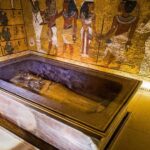
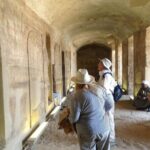
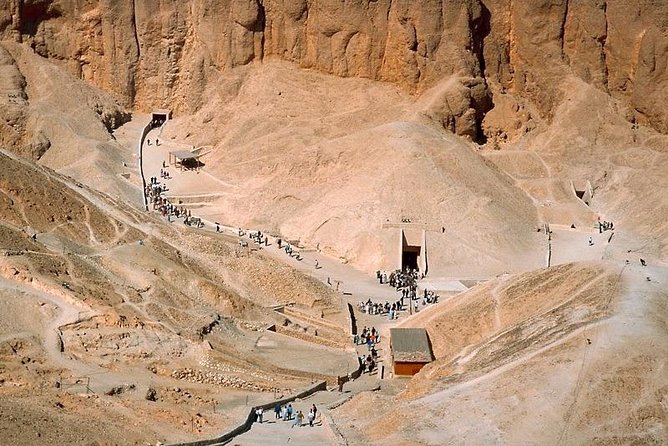
You start on the West Bank at the Valley of the Kings, and you get about 2 hours there with admission included. This is the place most people picture when they imagine royal burials in Luxor, and your stop list is built around major names, including Tutmosis I, Tutmosis III, Tutankhamun, Ramssess VI, Mrenptah, and Amonhotep II.
What makes this stop work on a private tour is that you can take the main highlights without losing your day to indecision. Instead of spending time hunting for the right tomb, you’re following your guide’s order and context. The result is a clearer sense of scale and importance: these are kings whose names you’ll keep hearing through the rest of your Egypt trip.
A practical consideration: this is a tomb visit, so plan for a bit of physical effort and time indoors. If you’re someone who wants plenty of pauses for photos and breathing room, tell your guide up front. A private group format gives you more room to adjust than a large group tour.
Temple of Hatshepsut at Deir el Bahari: History With a Named Ruler
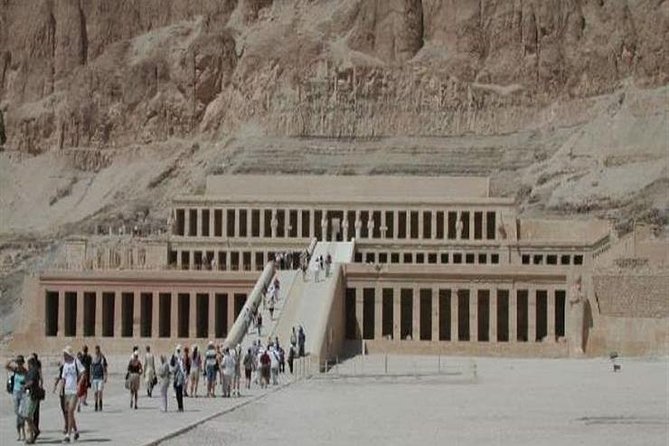
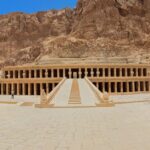
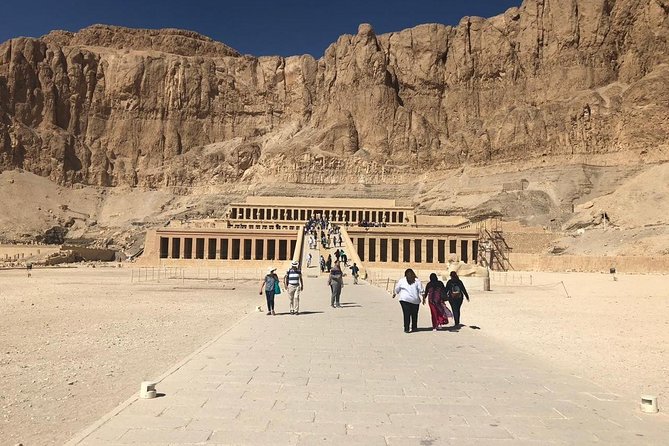
After the Valley of the Kings, you head to the Temple of Hatshepsut at Deir el Bahari. Your time here is about 1 hour, and admission is included.
This stop is tightly focused on one of Egypt’s standout figures: Queen Hatshepsut, identified in the tour info as the daughter of Thutmosis I who ruled for about 20 years during the 18th Dynasty (1490–1469 B.C.). The tour also notes that she was the only pharaonic woman who reigned ancient Egypt.
That context is why the visit feels more meaningful than just seeing another ancient temple. You’re not only looking at stone and carvings; you’re connecting the site to a specific ruler and a real historical timeline. If your interest is Egypt’s leadership—who ruled, how long, and what that meant—this is the kind of stop that clicks.
If you prefer a slower pace, this is also where you may feel the 1-hour limit. You’ll want to use your time wisely for photos and to ask questions that go beyond basic facts.
A few more Luxor tours and experiences worth a look


Colossi of Memnon: A Short Photo Break That Still Counts
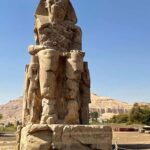
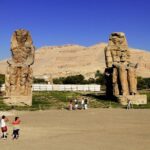
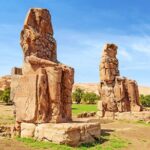
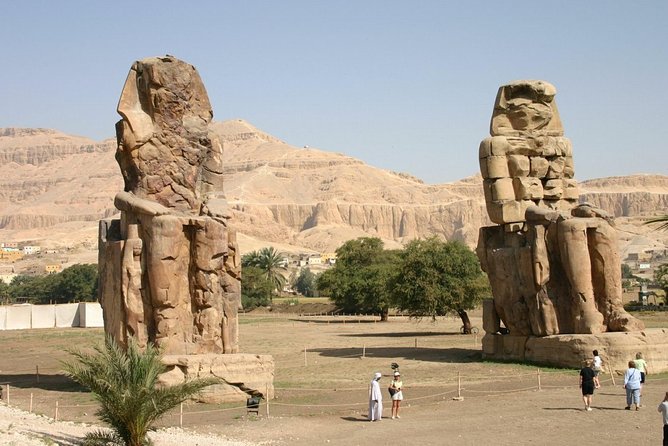
Next is the Colossi of Memnon, with around 20 minutes on the agenda and admission included. The tour info highlights the chance to take photographs here, which tells you how this stop is meant to fit into the flow: quick, visual, and easy to enjoy without turning into a time sink.
Even with only 20 minutes, it’s a useful breather after the heavier, more historical stops. You’ll get a clean visual moment before you switch gears and move back toward the East Bank temples.
My practical advice: don’t treat this like a casual roadside stop. If you want good photos, position yourself early and be ready. You’re on a clock, and the day is already built with the assumption that you’ll keep moving.
Lunch and the Karnak Transition: Crossing From Death to Worship
After moving toward the East Bank, you’ll stop for lunch at a local restaurant. Lunch being included is a big deal on a day like this. It keeps the schedule from fragmenting into separate decisions about where to eat and whether the place is reliable.
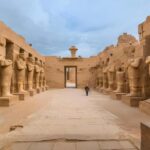
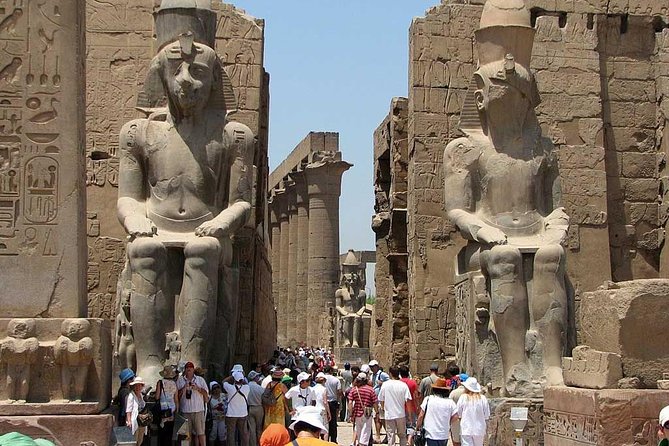
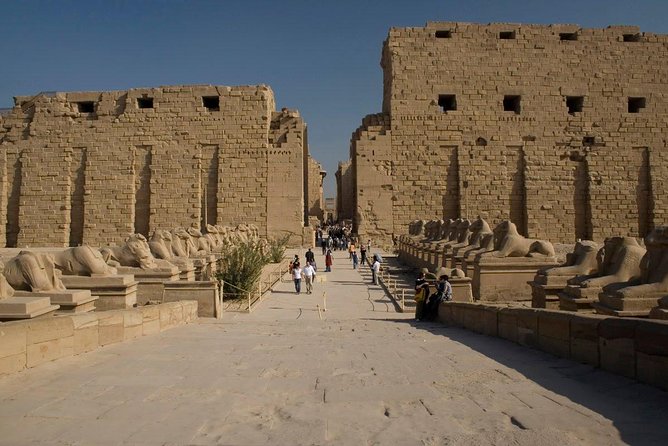
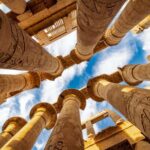
Then the tour shifts into Karnak Temple, with about 2 hours there. Karnak is presented as the greatest example of worship in history dedicated to the god Amon, his wife Mut, and their son Khonsu.
This stop is the payoff for people who love temples that feel tied to daily life and belief systems. While the West Bank focuses on royal tombs and the afterlife theme, Karnak is about a religious world with named deities at its center. With an Egyptologist guide, the shift can feel like a story rather than two unrelated locations.
One drawback to consider is that Karnak time can pass quickly if you keep walking without pausing to read or ask. If something catches your eye—names, symbols, or the way the guide explains dedication—stop and let your guide explain it fully. Private tours are your chance to slow down in the right places.
Luxor Temple to End the Day: Closing With Amunhotep III and Ramesses II
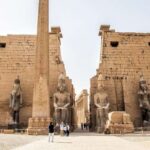
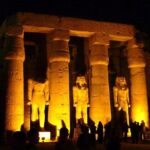
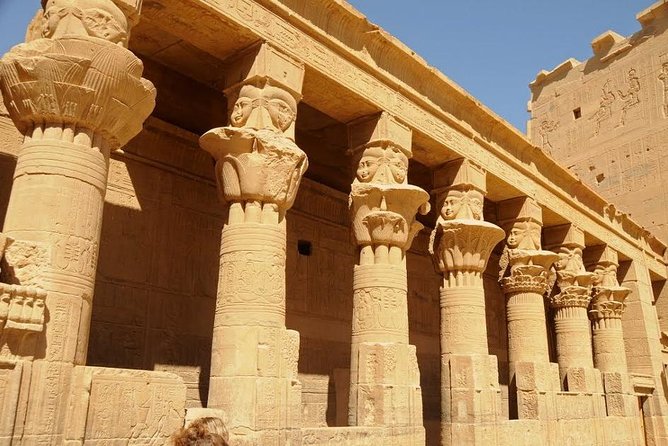
To finish, you visit Luxor Temple, with about 1 hour. Admission is included, and then you’re transferred back to your hotel in Luxor or to Luxor International Airport.
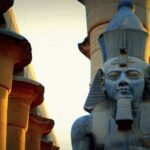
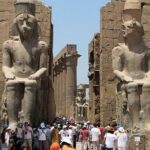
This stop is built around two key rulers, which is great for keeping the timeline organized. The tour info states it was built by Amunhotep III in the 18th Dynasty, and it was completed by Ramesses II during the 19th Dynasty. You’re essentially seeing a temple connected to a long span of royal involvement.
Why this makes sense as a final stop: after the West Bank and the big East Bank temple work, Luxor Temple can feel like a calmer closing chapter. If you’re the type who likes having a clear end point to your day, this gives you that.
Comfort, Timing, and Small Choices That Make a Big Difference
The tour runs about 8 hours, and it covers a lot of ground across both banks. That pacing is efficient, but it also means you should treat the day like a planned circuit.
Good news: the transport is handled by private A/C vehicle transfers, and you get pickup from your starting point, whether that’s a hotel or Luxor International Airport. A/C matters in Luxor. Even if you’re excited, the heat can still drain energy, and private driving helps you conserve it for monuments.
Also helpful: there’s a bottle of water during the trip, and admission fees and lunch are included. Those details reduce the number of moments you have to make decisions.
If you want this day to feel comfortable, wear shoes you can walk in for several hours and bring sun protection. Since tipping is not included, it’s smart to have a plan for cash or payment for your guide at the end.
Should You Book This Private Luxor Full-Day Tour?
I’d book this tour if you’re the type who wants the big Luxor hits without turning your day into logistics homework. It’s a strong fit for first-timers who want both banks covered—Valley of the Kings, Temple of Hatshepsut, Karnak, and Luxor Temple—and who value an Egyptologist guide to explain what you’re seeing.
It’s also a great choice if you want a private format. Only your group participates, so you can ask questions and move at a pace that works for you. The inclusion of lunch and admission fees makes the price easier to justify because you’re not adding surprise costs along the way.
Skip it (or consider a different format) if you know you want a slower day with more free time. At 8 hours, this is designed to be thorough, not leisurely. Also budget for tipping since it’s not included.
In short: if you want a well-structured, guided Luxor day that hits the major East and West Bank monuments, this is a practical choice.
FAQ
What does the tour include for the price?
The tour includes round-trip pickup and return transfers by private A/C vehicle, an Egyptologist guide, admission fees to the listed sights, lunch, and a bottle of water. All service charges and taxes are included as well.
How long is the tour?
The tour is approximately 8 hours.
Does it cover both the East Bank and West Bank?
Yes. You’ll visit the West Bank first (Valley of the Kings, Hatshepsut at Deir el Bahari, and Colossi of Memnon) and then the East Bank (Karnak Temple and Luxor Temple).
Where will you be picked up from?
You can be picked up from your hotel or from Luxor International Airport.
Is lunch included?
Yes. Lunch at a local restaurant is included in the tour price.
Is tipping included?
No. Tipping is listed as not included.