REVIEW · LUXOR
Full day trip East and West Bank at Luxor
Book on Viator →Operated by Intours Egypt · Bookable on Viator
Ancient Egypt hits fast in Luxor. In one full day, you’ll move from the East Bank’s Karnak Temple to the West Bank’s tombs and royal monuments, with an Egyptologist guide making the stories easier to hold onto.
I love the structure of this tour: it’s built around the real power spots of Luxor, not random stops. I also like the human factor—guides (including David and Refaat in shared experiences) are praised for mixing humor with history, and the ride is handled by professional drivers such as Ahmed, Tarek, and Ahab.
One thing to think about: the pricing details are a bit split on site admissions (some parts say tickets are included, while the general list says entries aren’t). I’d plan to confirm what’s covered for Karnak, the Valley of the Kings, and Deir el Bahari before you go, and also remember lunch is not included.
In This Review
- Key highlights to know before you go
- East Bank to West Bank in one focused 7 hours
- Karnak Temple: the scale, the gods, and the time you actually have
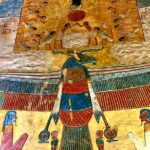
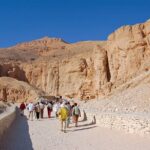
- Valley of the Kings: tombs in the desert, and why the stories matter
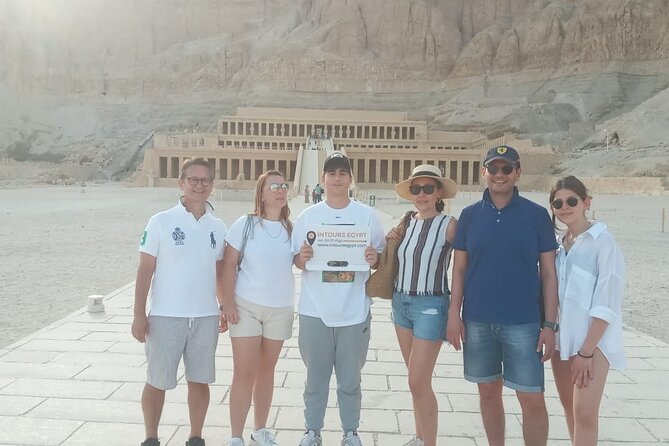
- Deir el Bahari and Hatshepsut: classical design on a cliffside temple
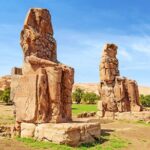
- Colossi of Memnon: two statues, one legend, and a quick photo pause
- Price and logistics: where the $35 value really comes from
- Guides and drivers: what makes the day feel smooth
- Timing tips that help at every stop
- Who this East and West Bank day trip is best for
- Should you book this Luxor East and West Bank trip?
- FAQ
- How long is the full day trip East and West Bank at Luxor?
- Does the tour include hotel pickup and drop-off in Luxor?
- Is this tour private?
- Which sites are included during the day?
- Are entry tickets included for Karnak, the Valley of the Kings, and Deir el Bahari?
- Is lunch included in the price?
- What is the cancellation policy?
Key highlights to know before you go
- Karnak Temple in depth with dedicated time and context for Amun Re, Mut, and Khonsu
- Valley of the Kings tomb visits framed with the politics and drama behind royal burials
- Deir el Bahari and Hatshepsut including Senemut’s design and scenes tied to the Land of Punt
- Colossi of Memnon quick stop with the 27 BC earthquake-and-sounds legend
- Hotel pickup and drop-off in Luxor plus an air-conditioned vehicle for comfort in the heat
- Private tour setup so your guide can pace the day around your questions
East Bank to West Bank in one focused 7 hours
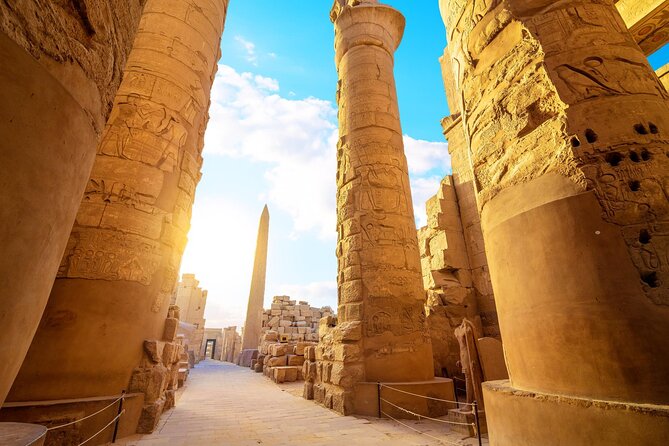
This is the kind of day trip that makes Luxor feel like a timeline, not just a list of ruins. You start on the East Bank (Karnak) and then cross to the West Bank for royal tombs and temples tied to death, kingship, and religious renewal.
The day runs about 7 hours with hotel pickup and drop-off, and it stays private, meaning it’s only your group. That matters because the sites can be crowded, and a flexible guide can keep you moving at a pace that actually lets you look.
Also, the transport is air-conditioned, which you’ll appreciate once you’re out of shade. In Luxor, comfort isn’t a luxury; it’s how you stay sharp for the afternoon.
A few more Luxor tours and experiences worth a look
Karnak Temple: the scale, the gods, and the time you actually have
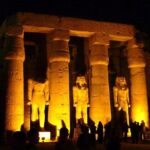
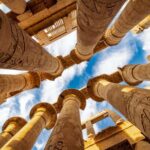
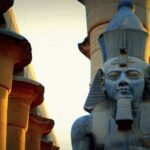
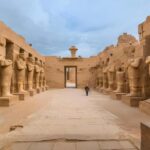
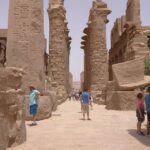
Karnak Temple is the largest temple complex in Egypt, and it’s not a quick “photo and go” place. Your time here is set at about 2 hours, which is enough to understand what you’re seeing instead of just walking through corridors of stone.
What I like about starting here is the way it gives you a mental map. Karnak wasn’t built in one reign; it grew over thousands of years, from the Middle Kingdom through the Greco-Roman era. So when you see different styles, you’re not looking at random variety—you’re watching centuries of rebuilding and reinterpretation.
You’ll also get the religious anchors: Karnak was dedicated to Amun Re, along with Mut and Khonsu. That matters because hieroglyphs, columns, and temple “rooms” don’t feel like decoration once you know which figures the temple was meant to serve.
Possible drawback: Karnak can be visually overwhelming. Two hours helps, but you’ll still want to go in ready to look slowly at the big idea: this temple complex is a machine for worship, not just a monument.
Valley of the Kings: tombs in the desert, and why the stories matter
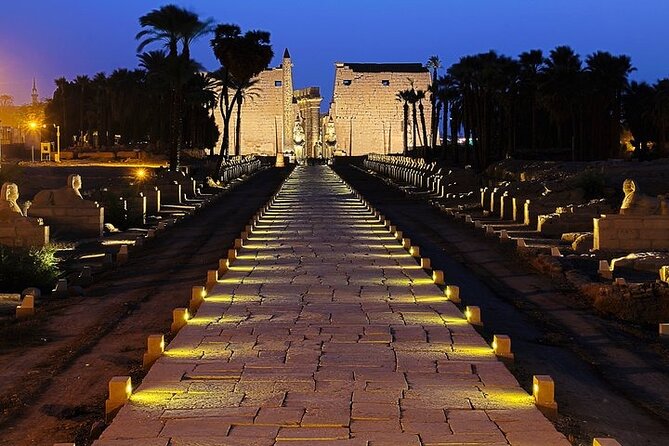
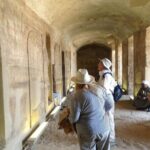
On the West Bank, the tour shifts from monumental religion to royal burial landscapes. You’ll spend about 2 hours at the Valley of the Kings, exploring tombs carved into the desert cliffs.
I love this stop because it forces you to connect two things at once: the physical work of building in stone, and the worldview that made it urgent. This was the final resting place for pharaohs and families for centuries, and the tombs weren’t just sealed—they were decorated with meaning.
Your guide explains the human drama behind the burials. Expect the kind of storytelling that points to jealousy, power struggles, and betrayal tied to royal life and succession. Even if you don’t catch every name, the message sticks: ancient Egypt’s “afterlife” planning was political as much as it was religious.
Practical consideration: tomb interiors can feel hot and tight depending on the moment of the day. Wear shoes that handle uneven ground, and bring a light layer if you get sensitive to temperature shifts inside chapels.
Deir el Bahari and Hatshepsut: classical design on a cliffside temple
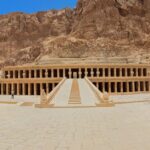
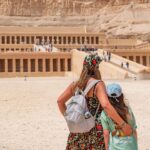
Next comes Deir el Bahari, home to the mortuary temple of Hatshepsut. You get about 1 hour here, which is a workable window for focusing on the layout instead of rushing the most famous angles.
This temple is special because it was designed by an architect named Senemut, and it’s known for looking more “classical” in its architecture style than many Egyptian temple spaces. You’ll see the colonnaded terraces carved into the cliffside (some described as nearly 97 feet high), along with pylons, courts, and a hypostyle hall.
Inside, you’ll encounter features tied to religious function—like the sun court, chapel, and sanctuary. Then the story becomes personal to Hatshepsut’s rule through the reliefs, including scenes about the divine birth of the queen and trade expeditions to the Land of Punt.
What you’ll feel here: Deir el Bahari is one of those places where the setting is part of the design. The cliffs create an architectural frame, and it makes the temple look staged by nature and by humans at the same time.
Possible drawback: because the stop is only about an hour, you may need to choose what to focus on. If your priority is reliefs, lean your attention toward the carvings rather than chasing every doorway.
Colossi of Memnon: two statues, one legend, and a quick photo pause
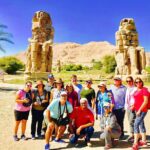
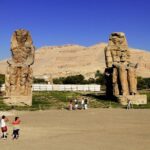
Before you fully wrap the West Bank day, there’s a short stop at the Colossi of Memnon. It’s only about 15 minutes, so think of it as a legend stop, not a deep exploration.
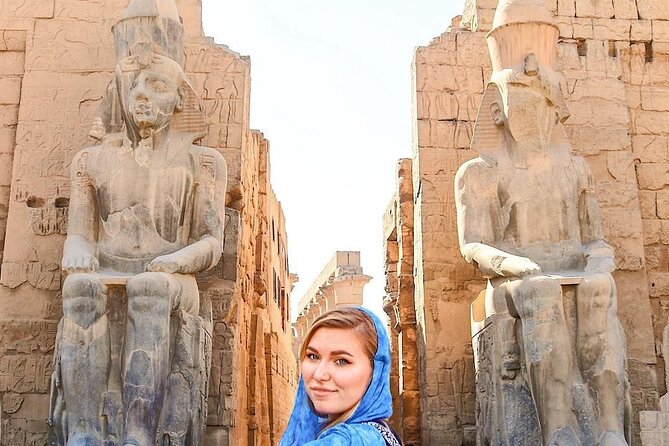
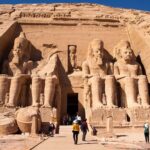
These are two massive statues of Amenhotep III, each about 21 meters tall, originally positioned in front of his mortuary temple (which is no longer standing). They represent the king seated on his throne.
The famous legend comes with damage and timing. After an earthquake in 27 BC, one of the statues was said to emit strange sounds in the morning—possibly linked to heat and humidity effects after night. A later restoration (dated to 193–211 AD) is said to have stopped the sound forever.
Even if you’re skeptical of the myth, the statues still do their job. They give you a scale reference for Amenhotep III’s power and for how grand the lost mortuary temple must have been.
A few more Luxor tours and experiences worth a look

Price and logistics: where the $35 value really comes from
At $35 per person, this trip can be a strong deal when you factor in what’s actually included. You get an air-conditioned vehicle, hotel pickup and drop-off in Luxor, and an Egyptologist guide, plus the tour is private.
That combination is the main value. Luxor site hopping can be draining if you’re doing it alone—time gets wasted on transport and indecision. Here, the schedule is laid out around the major East and West Bank stops, and the guide handles the “what am I looking at?” layer.
One thing you should treat as essential: the admissions details don’t match neatly across the information you’re given. Some parts of the plan say admission tickets are included for Karnak, the Valley of the Kings, and Hatshepsut. But the separate list of what’s not included names those entry fees.
So, don’t assume either way—confirm directly what you’ll pay for at each site when you book. It’s the simplest way to avoid an unpleasant surprise on the day.
Lunch isn’t included, so plan that cost too. If you don’t, you’ll end up spending more later just to stay functional.
Guides and drivers: what makes the day feel smooth
The tour’s quality usually shows up in two places: how the guide explains things and how the driver handles the route. Shared experiences highlight a pattern—guides like David and Refaat are praised for being funny without losing facts, and drivers such as Tarek, Ahmed, and Ahab are described as professional and safe.
You’ll also see a theme with support staff. Names like Doaa appear in positive feedback for making the day feel organized and easy. That kind of on-the-ground help matters in Egypt, where plans can shift with crowds and timing.
For you, the benefit is practical: you spend more time looking at the sites and less time trying to figure out what to do next.
Timing tips that help at every stop
You can’t control the desert sun, but you can control how prepared you are. Here are a few things that make this kind of full-day Luxor route more comfortable.
- Wear closed-toe shoes with good grip. The West Bank paths can be rough.
- Bring sunscreen and a hat, especially since Karnak and the Valley of the Kings both involve long outdoor stretches.
- Keep a small bag with water and tissues. Tomb visits can be dry and dusty.
- Expect a day with a lot of standing and walking. This isn’t a sit-down museum day.
- At Karnak and in tombs, go for depth over speed. If you try to “see everything,” you’ll remember little.
If you’re considering an optional hot air balloon ride before the tour, remember it’s listed as optional. Decide based on your energy for the day, not just your dream of flying.
Who this East and West Bank day trip is best for
This tour makes the most sense if you want a clear Luxor highlights day without managing transport and explanations yourself. It’s especially good for:
- First-time visitors who want Karnak + Valley of the Kings + Hatshepsut in one plan
- Travelers who like stories and context, not just silent ruins
- People who prefer private pacing over bus-tour pressure
- Anyone who wants an Egyptologist guide to connect symbols, architecture, and historical meaning
If you’re the type who loves slow wandering and wants extra time in a single tomb or room, you might find the day moves quickly. But for most people, the balance hits right.
Should you book this Luxor East and West Bank trip?
I think it’s a good booking choice if you want real value for your time. The combination of private tour + hotel pickup/drop-off + air-conditioned transport + Egyptologist guidance is exactly what makes a day like this easier and more meaningful.
Book it if:
- You want the big East and West Bank highlights in one about-7-hour day
- You appreciate guide-led storytelling (including political context around royal tombs)
- You’re okay paying attention to the admissions details and planning lunch separately
Skip or rethink it if:
- You’re very sensitive to heat and need long breaks
- You hate schedules and want hours alone in one site
- You don’t want to confirm entry ticket coverage before you arrive
FAQ
How long is the full day trip East and West Bank at Luxor?
It lasts about 7 hours.
Does the tour include hotel pickup and drop-off in Luxor?
Yes. Pickup and drop-off in Luxor are included.
Is this tour private?
Yes. It’s a private tour, so only your group participates.
Which sites are included during the day?
The tour visits Temple of Karnak, the Valley of the Kings, the Temple of Hatshepsut at Deir el Bahari, and the Colossi of Memnon.
Are entry tickets included for Karnak, the Valley of the Kings, and Deir el Bahari?
The information you have is not consistent: the itinerary states admission tickets are included for these stops, while the list of what’s not included lists entry/admission for the same sites. Confirm what’s covered when you book.
Is lunch included in the price?
No. Lunch is not included.
What is the cancellation policy?
You can cancel for a full refund up to 24 hours before the experience’s start time. If it’s canceled due to poor weather, you’ll be offered another date or a full refund, and it can also be canceled if a minimum number of travelers isn’t met.