REVIEW · GIZA
Full Pyramids tour to Giza, Sakkara and Memphis
Book on Viator →Operated by Cairo Top Tours · Bookable on Viator
Three sites, one long day. You’ll get a tight, guided loop through the Giza Plateau and the Step Pyramid with pickup and transport so the time goes toward the sights, not logistics. I like the way this tour is built like a guided route, not a scavenger hunt.
Two things I especially like: first, the private guiding helps you keep track of which pyramid is which and what you’re looking at; second, there’s an optional Panorama camel add-on for photos with pyramids in the background. Guides connected with the experience, like Mohamed Abdel Salam and Osamu, are part of what makes the day feel smooth and accommodating.
The main drawback to plan for is cost creep: admission tickets aren’t included, and the camel ride is extra on request. With a 6 to 8 hour day, it’s also a full stretch, so bring patience (and comfortable shoes).
In This Review
- Key highlights to know before you go
- A private full-day route from Giza to Sakkara and Memphis
- Giza Plateau: Great Pyramid, Sphinx, and the Valley Temple in one guided flow
- Cheops, Chephren, Mykerinus: how your guide keeps the pyramids straight
- The Great Sphinx and the photo logic at ground level
- Panorama stop and the 30-minute camel ride add-on
- Sakkara Step Pyramid of Zoser: the oldest stone-built structure angle
- Teti pyramid inside access (no extra ticket)
- Tombs of the nobles: daily life scenes you can actually connect to
- Mit Rahina Museum near Memphis: open-air artifacts and the marble sphinx
- Price, value, and why the $41.84 rate can make sense
- Timing on the ground: a 6 to 8 hour day that’s worth planning for
- What to know before you go: mobile ticket, pickup, and ticket extras
- Who this tour is best for
- Should you book this full Pyramids day?
- FAQ
- How long is the Full Pyramids tour to Giza, Sakkara and Memphis?
- Is pickup included?
- What does the tour include?
- Are admission tickets included in the price?
- Do we visit the pyramids at Giza and Sakkara?
- Is camel riding included?
- Can I cancel for a full refund?
Key highlights to know before you go
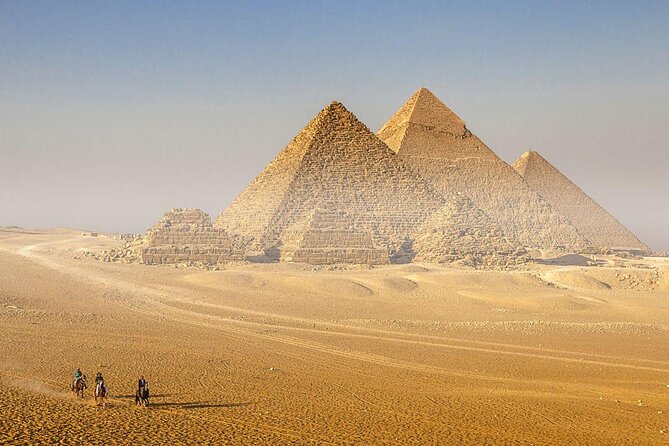
- Giza without confusion: Great Pyramid of Cheops, Chephren, and Mykerinus plus the Great Sphinx
- Valley Temple detail: made from Aswan granite, tied to Chephren’s reign
- Optional camel photos: 30 minutes at the Panorama stop, 200 Egyptian pounds extra
- Sakkara Step Pyramid of Djoser (Zoser): described as the oldest stone-built man-made structure
- Teti pyramid inside included: you can enter it with no extra ticket
- Memphis open-air Mit Rahina Museum: includes an alabaster sphinx from an eighty-ton block of marble and a Ramses II statue
A private full-day route from Giza to Sakkara and Memphis
This is a long, classic Ancient Egypt sweep done in one go: Giza first, then Sakkara, then the Memphis area. You’ll spend the day moving between three of the best-known archaeological zones, with private guiding, pickup, and transportation included.
I like this format because you avoid the usual time sink of arranging separate transfers or figuring out where to start. If you want the big hits in one day, this route is a practical way to do it.
You can also read our reviews of more tours and experiences in Giza.


Giza Plateau: Great Pyramid, Sphinx, and the Valley Temple in one guided flow
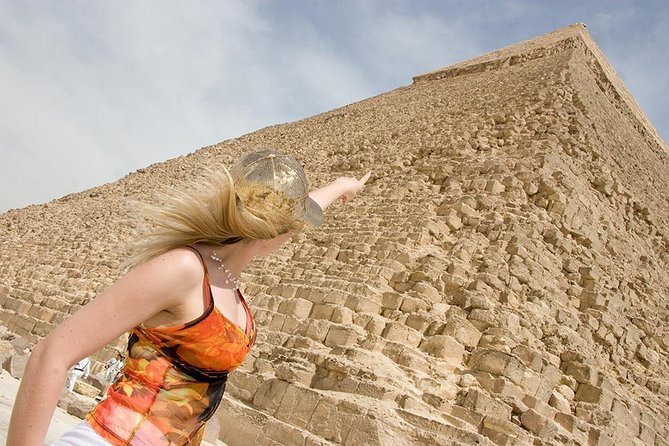
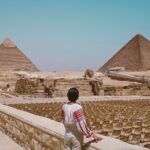
Giza is where the day earns its wow-factor, starting with the pyramids proper. You’ll visit the Great Pyramid of Cheops, then the pyramid of Chephren, and also Mykerinus’s pyramid in the Giza Necropolis.
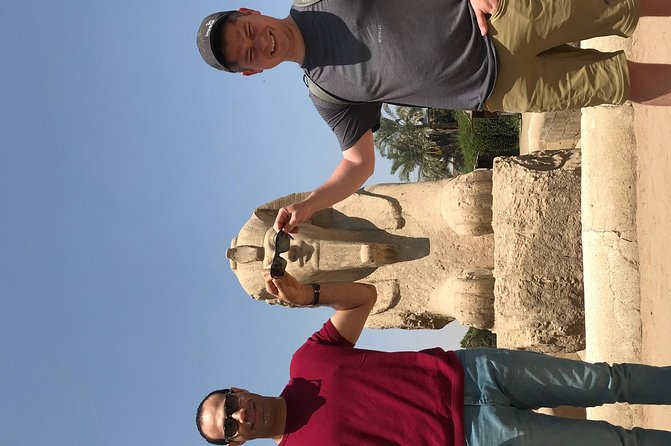
From there, the focus shifts to the Great Sphinx: a massive figure with the head of a man wearing the Egyptian headdress, and the body and tail of a lion. The symbols matter here—power and wisdom—so a guided visit helps you look at the Sphinx as more than a photo spot.
A standout stop in this area is the Valley Temple, described as being made out of Aswan granite by Chephren. That building material detail is the kind of thing you can miss if you’re wandering on your own, and it’s exactly what a good guide is for.
Cheops, Chephren, Mykerinus: how your guide keeps the pyramids straight
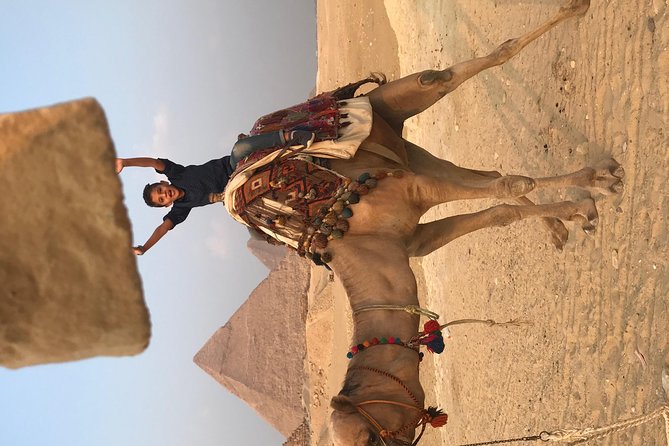
The Giza pyramids can feel confusing at first glance, mostly because they’re so close together. One of the most helpful parts of a private guide is getting the map in your head: which pyramid you’re standing in front of, and what you’re learning about it.
In this tour, the day is structured around three named pyramids: Cheops, Chephren, and Mykerinus. That’s important, because it means your guide can connect the dots between reigns, monuments, and the different roles these structures played at Giza.
If you like turning big visual moments into something you understand, you’ll appreciate this pacing. You’re not just seeing monuments; you’re building a framework to remember them.
The Great Sphinx and the photo logic at ground level
The Great Sphinx is one of those places where your first reaction is usually surprise at the scale. The second reaction is realizing you need a plan for angles if you want photos that feel like more than a tourist snapshot.
That’s where the private nature of the tour helps. A guide can steer you to a workable viewpoint and help you time your photos around where people are congregating.
Also, because the Sphinx is tied to meaning—not just looks—you’ll get more out of it if your guide explains what the headdress and lion form represent. It turns a landmark into a symbol.
Panorama stop and the 30-minute camel ride add-on
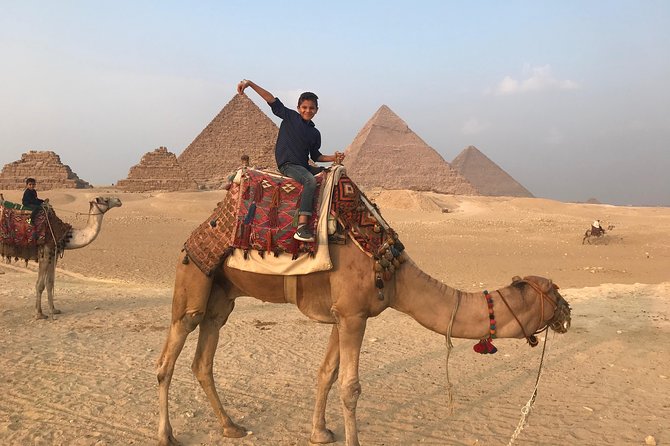
After the main Giza monuments, you’ll transfer to a Panorama area. This is where you can do an optional camel riding tour for 30 minutes, and it’s specifically set up for photos with camels and pyramids in the background.
Here’s the key detail: it’s on request, and it costs 200 Egyptian pounds extra. The ride itself is time-limited, so if you’re hoping to go slow and linger, keep your expectations aligned with the 30-minute window.
For me, the value is in the photo composition and the variety it adds to the day. If you’re mainly interested in monuments and walking through sites, you can also skip it and spend that time just taking in the views and the surroundings.


Sakkara Step Pyramid of Zoser: the oldest stone-built structure angle
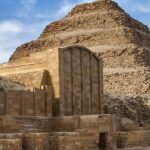
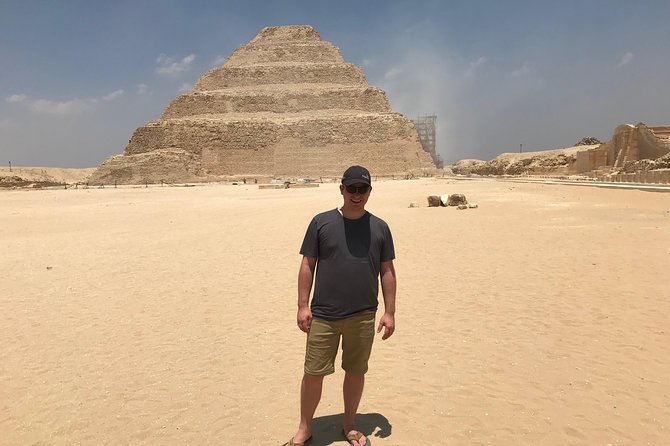
Then it’s on to Sakkara, where the big moment is the Step Pyramid of King Zoser (also known as Djoser). This is described as the most extensive archaeological site in Egypt, and it’s also presented as the oldest man-made building entirely made out of stone in the world.
That framing matters because it changes how you look at the pyramid. Instead of just seeing it as an early version of later pyramids, you see it as a milestone in construction—an idea pushed all the way into stone.
A good guide helps you understand what you’re seeing at ground level and why this site became such a turning point. If you enjoy origin stories, this is one of the most satisfying stops of the day.
Teti pyramid inside access (no extra ticket)
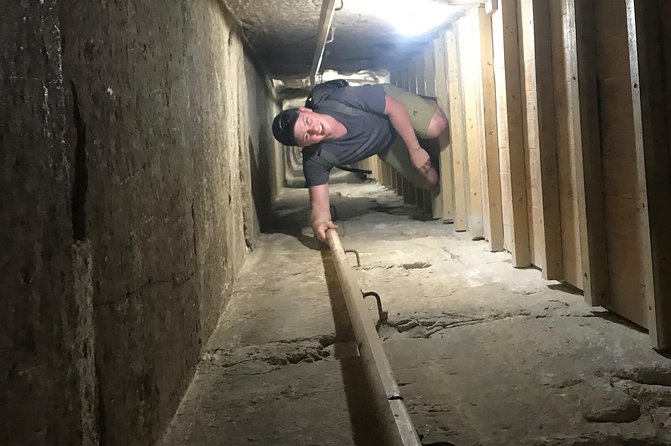
At Sakkara, the tour doesn’t stop at the Step Pyramid. You’ll also visit the pyramid of Teti from inside, and it’s noted as no extra ticket.
That’s genuinely useful. Closed-off structures can feel like a tease when you can only look from outside, so having inside access changes your experience. You get a stronger sense of how these spaces were designed, and you can connect the shapes and details to the broader Old Kingdom context.
If you’re someone who likes to see what’s beyond the outer walls, you’ll feel the value here.
Tombs of the nobles: daily life scenes you can actually connect to
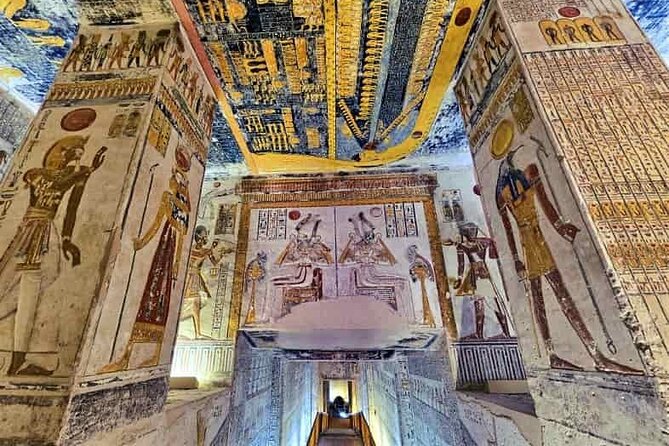
Another highlight in Sakkara is the tombs of the nobles. You’ll see daily life scenes inscribed and painted on the walls, and those scenes are described as dating back to the Old Kingdom.
This is one of those “don’t rush” zones. When you slow down and look at the wall scenes with a guide’s help, you stop thinking of the pyramids as isolated monuments. You start seeing how ordinary life and beliefs were recorded in stone and paint.
A private guide can also help you notice what’s different between tombs and how the scenes relate to the idea of status, work, and the afterlife. Even if you only catch parts, you’ll likely leave with more than a pile of photos.
Mit Rahina Museum near Memphis: open-air artifacts and the marble sphinx
The Memphis portion of the tour heads to the Mit Rahina Museum, an open-air museum about 20 minutes from Sakkara. This is positioned as part of the old city of Memphis, described as the oldest capital of the Pharaohs.
What makes Mit Rahina especially interesting is that you’re not just seeing one famous object. You’re getting a broader slice of what remains from an ancient capital, including statues and artifacts.
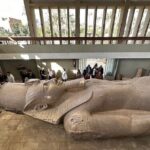
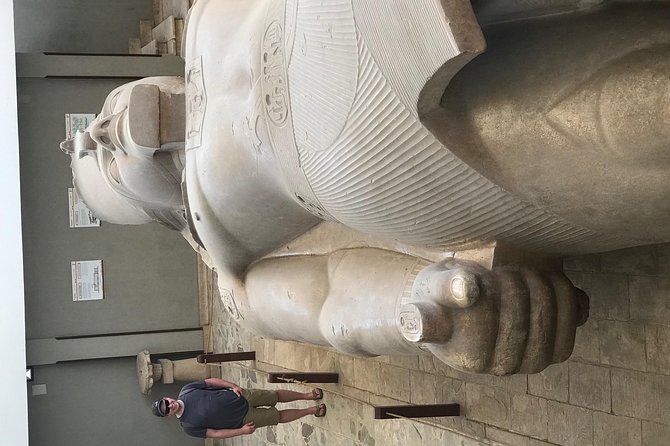
The museum includes an alabaster sphinx made out of an eighty-ton block of marble. That specific detail is the kind of fact that instantly makes the object feel real and weighty. There’s also a statue of Ramses the second.
If you like museums where you can move around and keep your footing, this open-air format can feel less stiff than indoor exhibits. It’s a nice shift after the intense monument focus of Giza and Sakkara.
Price, value, and why the $41.84 rate can make sense
The price is listed at $41.84 per person. At that rate, you’re paying for private guiding plus pickup and transportation across a full day with multiple major sites.
Admission tickets aren’t included, so you should budget for those separately. Also, the camel ride—while optional—is extra at 200 Egyptian pounds. Those two items are the main places your final spend can drift.
That said, if you’re comparing value in terms of what’s included (a guide, transport, and a single coordinated day across Giza, Sakkara, and Memphis), the per-person cost can feel like a bargain compared to piecing together three separate excursions.
One more practical point: the experience is often booked about 109 days in advance. That’s a sign of steady demand and a reason to plan ahead if you want the timing to work smoothly.
Timing on the ground: a 6 to 8 hour day that’s worth planning for
The tour runs about 6 to 8 hours. That’s not a half-day sprint, and it also isn’t a full-on day-long marathon with every minute at a relaxed pace.
So the best mindset is to treat it as a concentrated highlights day. You’ll want to use the guide time well—ask questions, get your bearings fast, and don’t get stuck too long on one photo spot if you still want to see everything.
If you’re the kind of traveler who likes to wander slowly, consider building in extra time later to return to your favorite area. But if you want maximum payoff from one day, this duration fits the goal.
What to know before you go: mobile ticket, pickup, and ticket extras
Pickup is offered, and transportation is included as part of the experience. That matters because Cairo-area sites can involve real travel time, and you’re saving energy by not juggling local transit on your own.
You’ll receive a confirmation at booking, and the tour includes a mobile ticket. That’s convenient if you want everything on your phone rather than printed vouchers.
The big “read this twice” item: admission tickets are not included. Make sure you understand what you’ll pay on the day so you’re not surprised at the gate.
And if you care about the camel experience, remember it’s on request and costs 200 Egyptian pounds extra, with 30 minutes allotted.
Who this tour is best for
This tour fits well if you want a first-time, high-impact Egypt day focused on the biggest archaeological names. It also works if you like your monuments with context: why they look the way they do, who built them, and what details matter.
It’s also a good choice for couples, small groups, and anyone who prefers private guiding over shared group pacing. Since only your group participates, you can move through stops without getting squeezed into other people’s plans.
If you’re a budget-minded traveler, the $41.84 rate plus included transport and guiding can be attractive—as long as you budget separately for admissions and optional extras.
Should you book this full Pyramids day?
I’d book this tour if you want one organized day that hits Giza, Sakkara, and Memphis without the hassle of separate planning. The combination of private guiding, pickup, and a route built around major named monuments makes it an efficient choice.
Skip this only if you already have a plan for those sites and you’d rather travel independently. Also think twice if you know you strongly dislike spending time on extra photo opportunities like the Panorama camel add-on—because it’s available, even though it’s optional.
Bottom line: if your goal is an informed, guided highlights day across Egypt’s most famous ancient locations, this is a solid value pick.
FAQ
How long is the Full Pyramids tour to Giza, Sakkara and Memphis?
The tour lasts about 6 to 8 hours.
Is pickup included?
Yes. Pickup is offered, and transportation is included.
What does the tour include?
It includes private guiding, pickup, and transportation.
Are admission tickets included in the price?
No. Admission tickets are not included.
Do we visit the pyramids at Giza and Sakkara?
Yes. You’ll see the pyramids of Cheops, Chephren, and Mykerinus at Giza, plus the Step Pyramid of King Zoser at Sakkara. You’ll also visit the pyramid of Teti from inside and the tombs of the nobles.
Is camel riding included?
Camel riding is optional. If you request it, it’s a 30-minute ride and costs 200 Egyptian pounds extra.
Can I cancel for a full refund?
Yes. Free cancellation is available if you cancel up to 24 hours in advance for a full refund.