REVIEW · LUXOR
Full-Day Tour to East and West Banks
Book on Viator →Operated by Love Egypt Tours · Bookable on Viator
Luxor in one long, satisfying day. This full-day tour strings together Luxor’s East and West Banks with famous monuments like the Valley of the Kings, Hatshepsut’s temple, Karnak, and Luxor Temple, plus the small-but-satisfying detour to the Colossi of Memnon. You ride in an air-conditioned vehicle and get an Egyptologist guide to keep the stories clear as you move from site to site.
Two things I really like about this kind of day: the route is packed, but it still feels organized, and you get real on-site context rather than just photo stops. The small group size (maximum 10) helps you stay together without feeling herded, and the guides associated with this company, such as Abdul and Ahmed Silem, show up repeatedly in feedback for being friendly and making complicated ideas easier to follow.
One consideration before you book: entrance fees are not included, and lunch can be a bit confusing because the tour highlights call out a local restaurant lunch stop, while the terms list lunch under not included. Also, you only visit three tombs in the Valley of the Kings, so if you’re chasing a wider tomb selection, you may want a different format.
In This Review
- Key highlights to look for
- Price and logistics: what the $30 gets you in Luxor
- Getting picked up and staying comfortable all day
- Valley of the Kings: three tombs, not a chaotic sprint
- Deir el Bahari and Hatshepsut’s mortuary temple
- Colossi of Memnon: fast, free, and surprisingly memorable
- Lunch in Luxor: what’s included and what to double-check
- Karnak Temple complex: the scale you can’t fake
- Luxor Temple: Nubian sandstone and the feel of a working site
- Who this tour fits best (and who might want another format)
- Should you book this full-day East and West Banks tour?
- FAQ
- What is the duration of the East and West Banks tour in Luxor?
- What is the price per person?
- Does the tour include pickup and drop-off?
- Is lunch included?
- Are entrance fees included for the temples and tombs?
- How large is the group for this tour?
Key highlights to look for
- East + West Banks in one day: Valley of the Kings, Deir el Bahari, Karnak, Luxor Temple, all in one run
- Egyptologist guide: history explained on the ground, not in a brochure
- Comfort-first transport: air-conditioned vehicle with transfers from your hotel or Nile cruise
- Valley of the Kings time that’s focused: visit three tombs instead of trying to rush everything
- Karnak’s scale without guesswork: you’ll see the main temple areas and the wider complex
- Small group: maximum 10 travelers keeps the day from feeling chaotic
Price and logistics: what the $30 gets you in Luxor
At $30 per person for an 8-hour day, the big value is not just the sites. It’s the full package of getting you across the city in comfort, with hotel or cruise pickup and drop-off, and an English-speaking Egyptologist guide. Luxor monuments are spread out, and independent travel can turn into lots of taxis and waiting. Here, you’re paying for time management.
The main thing that can change your final budget is entrances. The tour lists that entrance fees are generally not included, with the Colossi of Memnon specifically noted as free. That means you’ll want to plan for tickets at the Valley of the Kings, Karnak, and Luxor Temple. If you’re traveling on a tight budget, this is still usually manageable, but it’s worth keeping in mind so the day doesn’t feel like surprise add-ons.
Also note the tour is built around a group day. You’ll be moving at a pace that works for most people, with stops ranging from 10 minutes to about 2 hours. If you’re the type who likes to linger, you’ll have to do a bit of prioritizing.
A few more Luxor tours and experiences worth a look
Getting picked up and staying comfortable all day
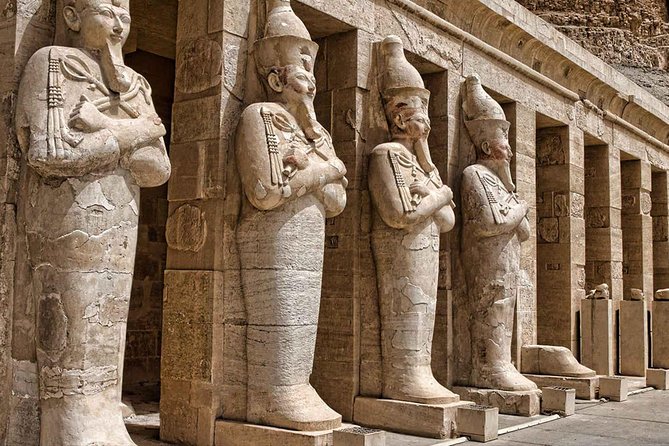
The tour runs with round-trip transfers from your hotel or Nile cruise, and you travel by air-conditioned vehicle. In practical terms, this matters more than it sounds. Luxor’s heat can make long stretches tiring, and the spacing between East and West Bank sites means you’ll want reliable comfort when you’re not in a temple.
The maximum group size of 10 is another underrated quality. It helps the guide manage timing, it reduces waiting, and it generally makes it easier to ask questions without yelling over everyone. Several guide names come up in feedback for this company and route, including Abdul and Ahmed Silem, and that lines up with how this tour works: the explanation is a big part of why the day feels worth it.
If you’re traveling with kids, the tour notes children must be accompanied by an adult and that most travelers can participate. For families, the shorter photo-friendly stops (like Memnon’s statues) are useful, but remember the day is still long at roughly 8 hours.
Valley of the Kings: three tombs, not a chaotic sprint
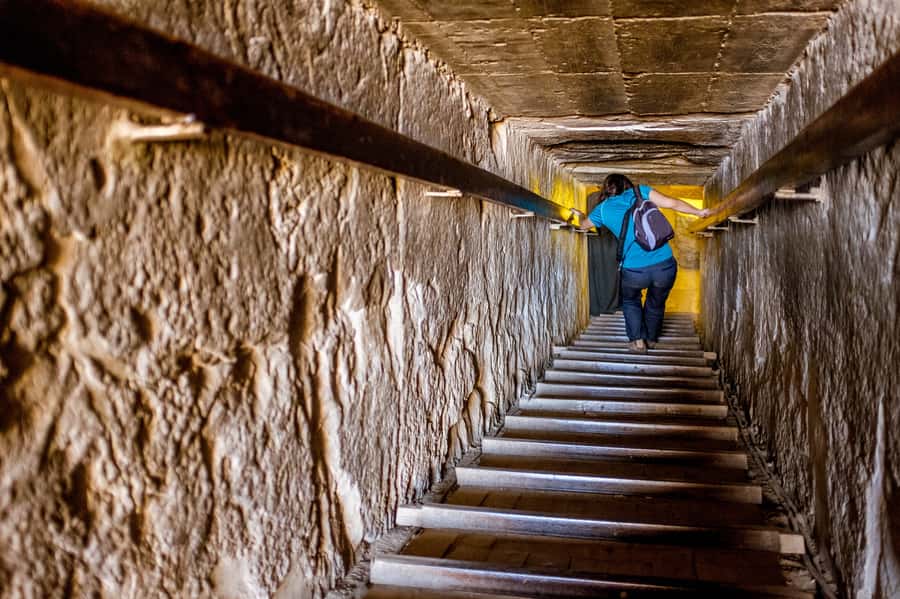
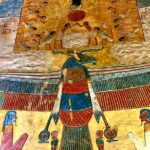
The West Bank opener is the Valley of the Kings. You’ll get about 2 hours here, and the tour focuses on visiting three tombs only. That limitation is actually a strength. Valley tombs can eat time fast once you’re inside, and rushing means you miss the narrative thread. With three tombs, you can absorb the pattern and details without feeling like you’re constantly checking your watch.
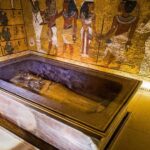
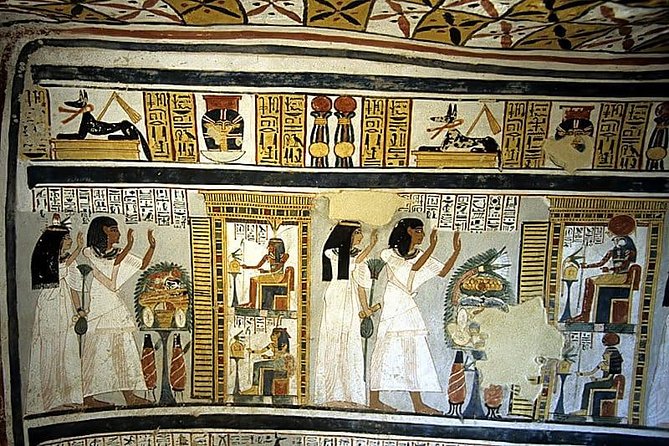
You’ll start with the tomb layout and the architecture that makes this place so distinctive. Tombs were cut into the limestone and often follow a similar sequence: corridors leading to a transitional space (an antechamber) and then a deeper chamber where the sunken sarcophagus area sits. It’s the kind of detail that makes the valley feel coherent, not random.
Admission tickets are not included for the tomb visits, so bring that in your planning. One practical tip from the way this tour runs in the field: in past groups, the guide handling tickets helped reduce waiting time at major entries like the Valley of the Kings. Even if it’s not identical every day, the takeaway for you is simple: arrive ready to start, and let the guide manage the process so you lose less time.
Deir el Bahari and Hatshepsut’s mortuary temple
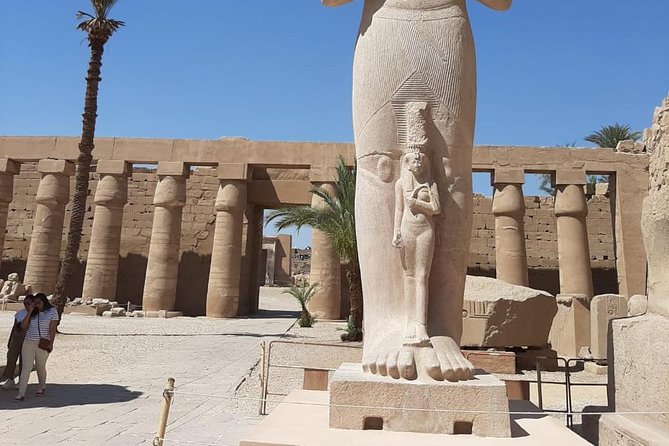
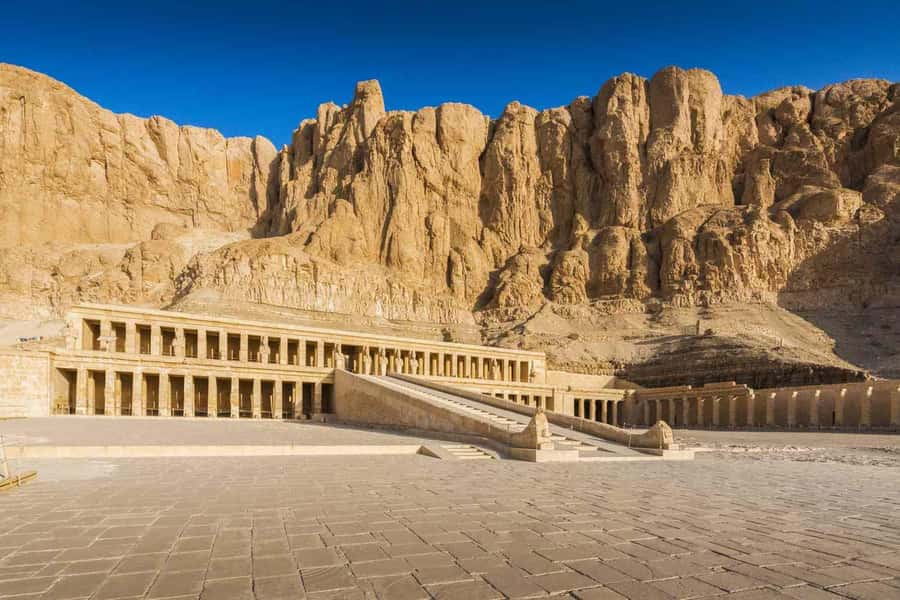
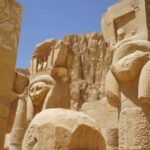
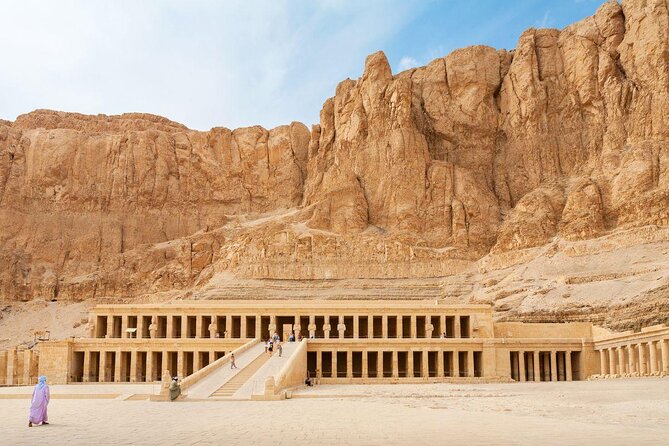
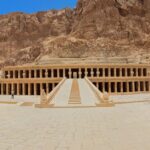
Next comes Deir el Bahari and the Mortuary Temple of Hatshepsut, with about 1 hour on site. This is one of those places where the setting and the monument design work together. The temple is dedicated to Amun and Hatshepsut, and it sits beside the mortuary temple of Mentuhotep II—an important note because Hatshepsut’s temple is described as both inspired by that earlier monument and later using a quarry connection.
Here’s what makes this stop valuable for first-timers: you’re seeing more than one “temple block.” You’re seeing how rulers used architecture and location to project power, religion, and legitimacy. The guide’s job matters a lot at this point. Without context, it’s impressive stone and terraces. With context, you start noticing the reasons behind the choices.
Again, entrance fees aren’t included here, so plan your ticket budget. If you’re sensitive to heat, it’s also smart to keep water on hand and pace yourself as you move through the open-air parts of the complex.
Colossi of Memnon: fast, free, and surprisingly memorable
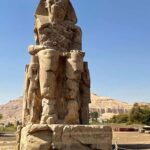
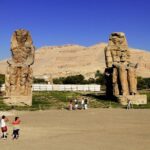
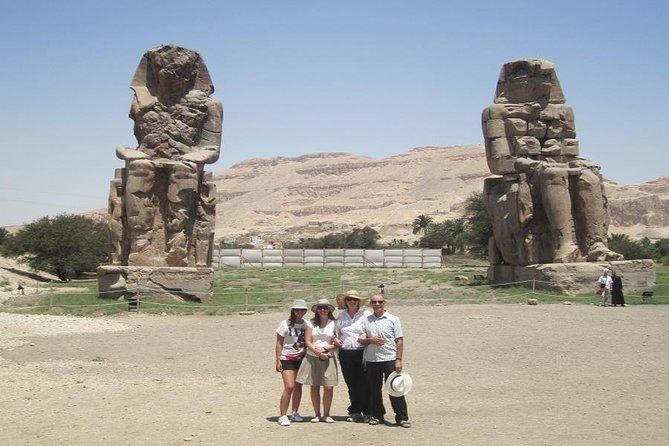
Then you get the quick breather: the Colossi of Memnon. The stop is only about 10 minutes, and admission is free. Don’t skip this thinking it’s too short. It’s a small stage with a lot of character.
The twin statues depict Amenhotep III seated with hands resting on his knees, his gaze facing eastward (noted as ESE in modern bearings) toward the river. Even in a brief stop, you can appreciate how these massive figures frame the landscape and connect the West Bank back to the Nile directionality that mattered to ancient Egyptians.
Because it’s short, it works well in a long day. You can snap photos, read the basics with your guide’s explanation, and get back into the vehicle without draining your energy.




Lunch in Luxor: what’s included and what to double-check
Lunch is scheduled during the Luxor portion of the day, with about 1 hour set aside at a local restaurant. The tour highlights say lunch is included, and the itinerary stop explicitly places lunch at a local restaurant.
But here’s the catch: the terms provided for this experience list lunch under not included. That mismatch is exactly why you should confirm when you book. Practical advice for you: if lunch is important to your budget plan, message the provider in advance and ask whether lunch is covered for your departure date.
Either way, plan to eat something real. By the time you’ve seen the West Bank temples and the Valley of the Kings, you’ll feel it. A solid lunch helps you last through Karnak and Luxor Temple, which are the long-focus payoff stops.
Karnak Temple complex: the scale you can’t fake
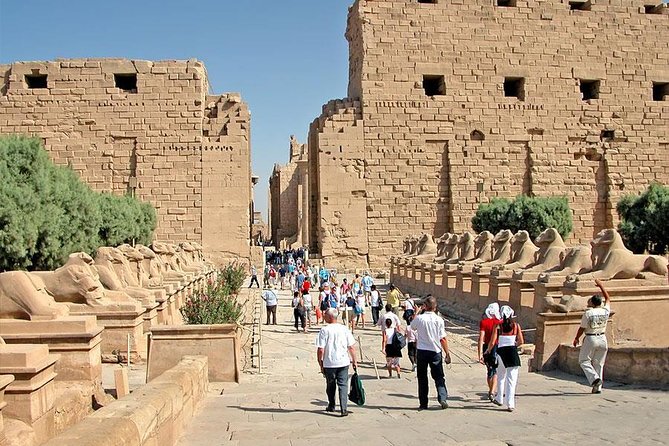
After lunch, you move back toward the East Bank for Karnak, often described as an open-air museum. You’ll have about 2 hours here.
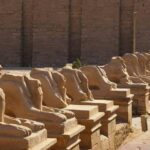
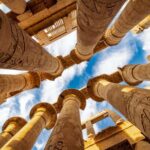
Karnak is explained as containing three main temples, plus lots of outer temples spread around the complex. It’s also located about three kilometers north of Luxor, so you’re not just visiting one building—you’re walking through a monumental precinct.
The practical value of your guide here is obvious. Karnak can feel overwhelming if you don’t have a mental map. With a guide, you’re more likely to walk away understanding the layout: where the main temple areas sit, what the smaller enclosures represent, and how all those outer spaces fit the overall plan.
Entrance tickets are not included for Karnak in the tour details, so factor that into your day. If you’re the type who likes to stop for photos, you can still do it, but stick close to your guide’s pacing so you cover the key areas in the allotted time.
Luxor Temple: Nubian sandstone and the feel of a working site
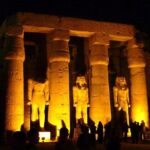
Next is Luxor Temple, with about 1 hour. This temple is built with sandstone from Gebel el-Silsila area. That sandstone is referred to as Nubian sandstone, and it’s noted as having been used for construction in Upper Egypt and in restoration work both past and current.
That sounds like a geology trivia moment, but it’s useful trivia. When you understand the material, you start seeing why the temple has its specific color and weathering pattern. It also gives your guide an easy way to connect ancient building choices with later conservation.
Entrance fees are not included here either. If you want the best photos, ask your guide when you arrive inside where the light is strongest. Luxor Temples often look best when you’re not just shooting in one direction, so small adjustments matter.
Who this tour fits best (and who might want another format)
This full-day East and West Banks tour is a strong pick if you want a first-timer-friendly circuit and you like learning as you go. It’s also a good match for archaeology students or curious history buffs, because the day is built around interpretive stops with an Egyptologist guide, not just a checklist of buildings.
It’s especially practical for:
- First-time Luxor visitors who want the big names without wasting time planning logistics
- Couples and small groups who prefer a max-10 group day with transfers handled
- Families with older kids who can handle a long day and repeated walking
It may be less ideal if:
- You’re a serious tomb hunter and want a wider selection than three tombs in the Valley of the Kings
- You hate entrance fees and unpredictable ticket costs, since tomb and temple admissions are not included
If any of that sounds like you, you could still enjoy the tour, but it’s worth comparing to a more tomb-focused or private version.
Should you book this full-day East and West Banks tour?
I’d book it if your goal is clear: see the headline Luxor sites in one day, with a real Egyptologist guiding you through the meaning of what you’re seeing. The value at $30 is strong for a full circuit that includes transfers, air-conditioned transport, and an 8-hour framework. For most people, the day hits the sweet spot between learning and not burning your vacation time in taxis.
Just do two things before you go:
- Budget for entrance fees at the Valley of the Kings, Karnak, and Luxor Temple (and remember three tombs only)
- Confirm the lunch situation so you don’t end up paying twice or going hungry expecting it to be included
If you can handle those two checks, this is an efficient, high-impact way to experience Luxor’s East and West Banks without turning your trip into a logistics project.
FAQ
What is the duration of the East and West Banks tour in Luxor?
The tour runs for about 8 hours.
What is the price per person?
The price is $30.00 per person.
Does the tour include pickup and drop-off?
Yes. Round-trip transfers from your hotel or Nile cruise are included.
Is lunch included?
Lunch is listed as part of the tour schedule with a stop at a local restaurant, but the terms also list lunch as not included. I recommend confirming at booking for your specific date.
Are entrance fees included for the temples and tombs?
Entrance tickets are generally not included. The Colossi of Memnon is noted as free, but Valley of the Kings, Karnak, and Luxor Temple are listed as admission not included.
How large is the group for this tour?
The maximum group size is 10 travelers. Children must be accompanied by an adult.