REVIEW · LUXOR
Full-Day Tour to East and West Banks of Luxor
Book on Viator →Operated by Tulina Tours · Bookable on Viator
Two banks, one long Luxor day. This full-day route strings together the West Bank’s royal tombs and memorial temples with the East Bank’s Karnak and Luxor Temples, in a smooth, private, hotel-to-site-to-hotel format.
I like the private vehicle setup: hotel or cruise pickup, drop-off back at your door, and bottled water to keep you going. I also like that you see the main powerhouses of Luxor without having to plan logistics across multiple days.
One thing to know: admission tickets are not included for several key stops, including the Valley of the Kings, Hatshepsut, Karnak, and Luxor Temple, plus Tutankhamun is an optional extra.
In This Review
- Key things to know before you go
- West Bank to East Bank: the order that keeps the day working
- Pickup and comfort: why the car and driver matter in Luxor
- Valley of the Kings: your first wow moment, with optional Tutankhamun
- Hatshepsut at Deir el-Bahari: architecture with a point to prove
- Colossi of Memnon: short stop, big presence
- Karnak Temple and the Hypostyle Hall: when scale becomes the story
- Luxor Temple and the Avenue of Sphinxes: the day’s final emotional punch
- Price and value: what $50 really covers
- Timing and stamina: how to handle a 9-hour day
- Who this tour suits best (and who should think twice)
- Should you book this East and West Banks full-day tour?
- FAQ
- How long is the full-day East and West Banks of Luxor tour?
- Do I get pickup and drop-off from my hotel or cruise ship?
- Is this tour private or shared?
- Which major sites are included on the route?
- Are entrance tickets included for the attractions?
- Is entry to the tomb of Tutankhamun included?
- Does the tour include air-conditioned transport and bottled water?
- Is tipping included, and what is the cancellation window?
Key things to know before you go
- West Bank first, East Bank second, which helps you manage time and heat better than bouncing randomly.
- A/C private transfers with bottled water, so you’re not doing this comfort-light.
- Major sites in one day: Valley of the Kings, Hatshepsut, Colossi of Memnon, Karnak, and Luxor Temple.
- Hypostyle Hall highlights at Karnak, including its 134-column spectacle.
- Tomb and temple tickets are extra, so budget for entrances at multiple stops.
West Bank to East Bank: the order that keeps the day working

Luxor can feel like two different worlds. The West Bank is where you go for the pharaohs’ final resting places, carved into the desert. The East Bank is where the living left their mark, with temples built to power daily worship.
This tour starts on the West Bank and then crosses over to the East Bank. That matters more than it sounds. When you do it in this sequence, you avoid the worst of the day’s pressure: less backtracking, fewer wasted minutes in traffic, and a better chance to pace yourself while you’re still fresh.
Also, the tour typically runs early. Many people appreciate that because it helps with crowd levels and heat. If you want a one-day overview that still feels like real site time, this is a strong layout.
A few more Luxor tours and experiences worth a look
Pickup and comfort: why the car and driver matter in Luxor
You’re picked up from your Luxor hotel or cruise ship and returned to the same place. That door-to-door setup is a big deal in Luxor, where figuring out rides between the river and the desert takes time you’ll rather spend looking at carvings.
The vehicle is air-conditioned, and you get bottled mineral water. In the heat, that turns a long day from misery into manageable. You’ll also appreciate having experienced drivers. You’re not just being moved around; you’re being kept on schedule.
Guide quality can make or break this kind of day. In past trips with this operator, guides were singled out by name, including Nadia and Sultan, and support came from Mahmoud and Ala for recommendations and planning help. One review even highlighted perfect English and efficient handling at sites. That’s the kind of coordination that keeps the day smooth when you have multiple entrances and lots of details to notice.
Valley of the Kings: your first wow moment, with optional Tutankhamun

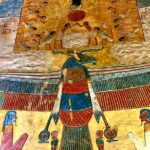
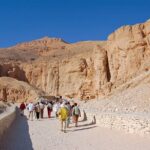
The day begins with the Valley of the Kings. This is the famous desert setting where a long line of royal tombs were cut into the cliffs. It’s dramatic even before you see a single burial chamber—quiet rock, bright sun, and that feeling that you’ve arrived at the story’s starting line.
You’ll have about two hours here. That’s a practical amount of time because you’re not only rushing between tomb entrances; you also need a little breathing space to take in what you’re seeing and what you’re not seeing.
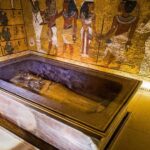
Tutankhamun’s tomb is an optional add-on. Entry to that famous site is not included in the tour price, so you’ll want to decide in advance if that extra ticket is worth it for you. If you’re a once-in-a-lifetime visitor, it often is. If you’d rather see more tombs than chase one headline name, you may prefer to skip the extra entrance and focus on the rest.
A quick planning tip: whatever tomb(s) you choose, go slow on the way in. Luxor mornings can start bright, but the interiors can feel cooler and dimmer. Give your eyes a moment to adjust.
Hatshepsut at Deir el-Bahari: architecture with a point to prove

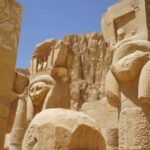
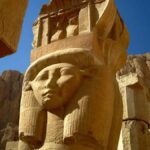
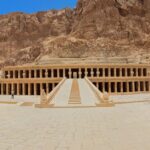
Next is the Temple of Hatshepsut at Deir el-Bahari, dedicated to Egypt’s well-known female pharaoh. This stop is not just about history on paper. The design is bold, built to impress, and it makes you understand how power wanted to look.
You’ll get about two hours here. That’s enough time to move through the key areas, notice how different sections connect, and read the temple’s scale without feeling yanked forward every ten minutes.
What I like about this stop is that it gives your day a different texture from the Valley of the Kings. Instead of tomb entrances and desert silence, you get carved stone, ceremonial space, and a setting built around memory and worship.
The main consideration is the usual one for outdoor sites: sun and walking. Even with early timing, this is still a day where you’ll want a hat, sunscreen, and shoes you trust. (Water is provided, but clothing comfort is up to you.)
Colossi of Memnon: short stop, big presence
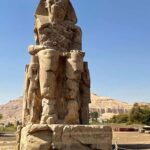
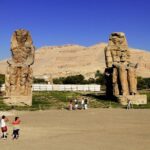
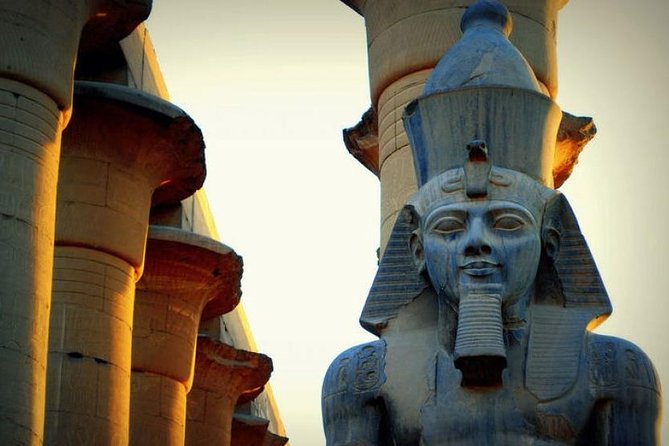
Then you hit the Colossi of Memnon. These are towering statues of Amenhotep III, standing in a way that feels both solemn and strangely personal—like the desert has kept a witness on duty for centuries.
You’ll spend about 30 minutes. That length is exactly right. You get the moment, take photos, absorb the scale, and still leave enough time for the bigger stops ahead.
Because admission here is listed as free, this is also one of the easiest parts of the schedule from a budgeting standpoint. Think of it as your “pause and reset” stop before you switch sides of the Nile and go from West Bank memorials to East Bank temples.



Karnak Temple and the Hypostyle Hall: when scale becomes the story
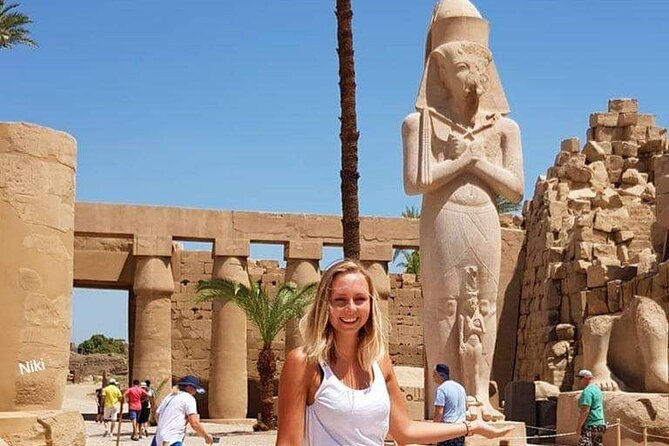
Karnak Temple is the largest temple complex in Egypt, and it shows. Even if you’ve seen photos, standing in the precinct is different. The sheer number of pylons, shrines, and carved surfaces makes your brain do extra work—in a good way.
You’ll have about two hours here, which helps because Karnak isn’t one building. It’s multiple zones that reward slow attention. Go at a pace that lets you keep context: where you are, what you’re looking at, and how the spaces connect.
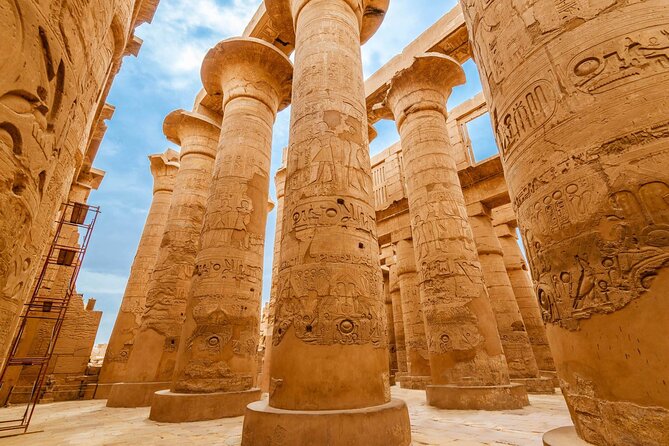
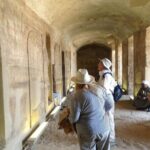
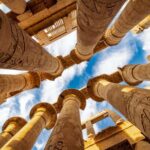
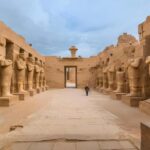
The Hypostyle Hall is the headline. You can’t miss it once you’re inside: 134 massive columns, each decorated with intricate carvings and hieroglyphs. This is one of those places where you’ll either feel overwhelmed or oddly satisfied. If you’re the first type, don’t try to read everything. Pick a few details and let the rest be part of the atmosphere.
Admission for Karnak is not included, so budget for that entrance. Also, plan on time to stand in the hall and let your eyes adjust to the dimmer interior light. If you rush through, you’ll miss why the place feels so powerful.
Luxor Temple and the Avenue of Sphinxes: the day’s final emotional punch
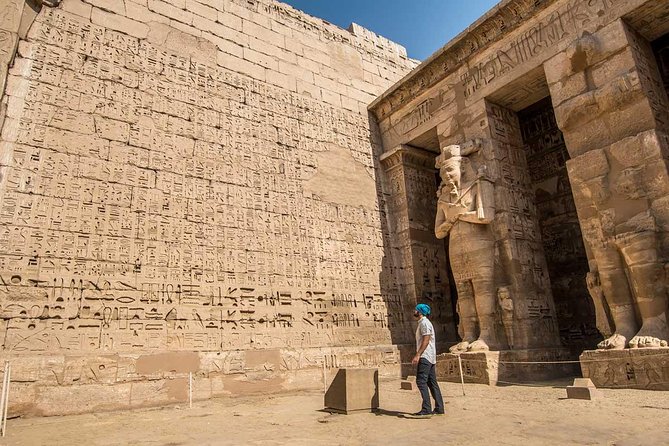
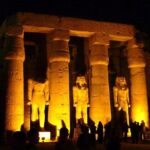
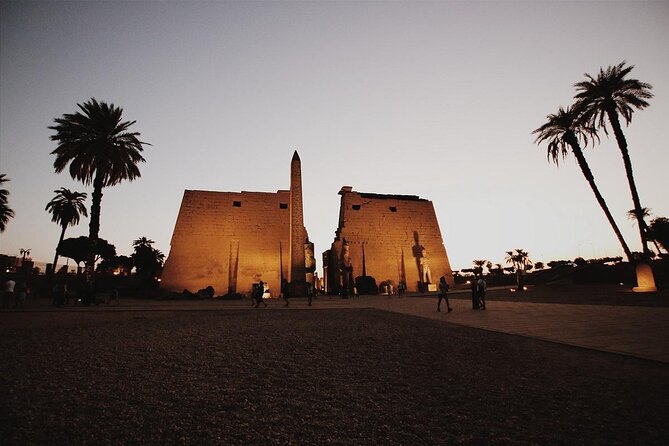
After Karnak, you’ll visit Luxor Temple. It’s dedicated to the Theban Triad: Amun, Mut, and Khonsu. That religious focus matters because the temple isn’t random decoration; it’s organized symbolism designed for rituals and processions.
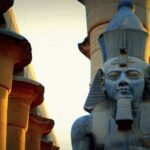
You’ll get about 1.5 hours here. That’s enough time to appreciate the colossal statues, towering columns, and carved reliefs without having to bolt through the exit.
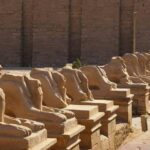
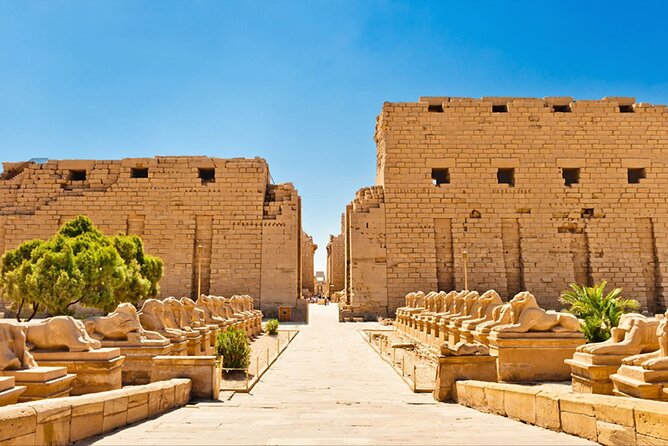
One detail I really like is the Avenue of Sphinxes, the ceremonial path connecting Luxor Temple to Karnak. Even if you’re not walking the entire route, knowing it’s there helps you see the temples as parts of a bigger system rather than separate monuments.
Like Karnak, admission is not included. If you’re counting costs, this stop is a second ticket you’ll want to plan for. Still, it’s worth it for the feeling of closure at the end of the day.
Price and value: what $50 really covers
At $50 per person, the value comes from the structure, not the ticket price. Your money goes toward a private tour, a professional guide, experienced drivers, and private air-conditioned transfers with bottled water plus hotel pickup and drop-off.
If you tried to recreate this day on your own, you’d spend time coordinating rides, finding guides who can handle multiple sites in a tight schedule, and managing entrances one by one. Even if you saved a few dollars, you’d pay in stress and wasted hours.
The catch is admissions. Several major sites charge separate entry fees and are not included. That includes the Valley of the Kings, Temple of Hatshepsut, Karnak, and Luxor Temple. Tutankhamun’s tomb, while optional, is also extra.
So the honest math looks like this:
- You’re paying the tour price for transport + guide + time efficiency.
- You’re paying site fees separately for the entrances that make it real.
If you know you want to go to both banks and hit the marquee locations, this is one of the better ways to spend a day in Luxor without turning it into a logistics project.
Timing and stamina: how to handle a 9-hour day
The duration is about 9 hours. That’s long enough to be memorable and short enough to fit into a travel schedule. The early start is a big advantage here. In hot months, morning timing often means you can actually enjoy the details instead of just surviving them.
This tour also helps your stamina because it uses a private car between stops. You’re not constantly figuring out transport or waiting in line with no plan.
Still, you’ll be walking through temple and tomb areas. If you’re managing mobility issues or you’re traveling with kids, this is where the private guide can help most. Many people did well even with family setups, and guides can usually adjust pacing within reason.
Practical advice for you: wear breathable clothing, bring sun protection, and keep your camera ready but your pace slow. Luxor rewards patience, even when the schedule is busy.
Who this tour suits best (and who should think twice)
This tour is a strong fit if:
- You want both sides of Luxor in one day and don’t want to plan a two-day route.
- You like having a guide handle timing and transitions between sites.
- You care about comfort and prefer an air-conditioned private vehicle over frequent rides and waits.
It might be less ideal if:
- You want a slow, museum-style day with fewer stops.
- You strongly prefer that all admission fees be bundled into one price.
- You’re only interested in one bank, because the schedule is built around crossing the Nile and covering multiple landmarks.
If you’re in a hurry and only have one day, I’d put this near the top of your shortlist. If you have extra time, you can always split the experience—West Bank one day, East Bank another—and feel even less rushed.
Should you book this East and West Banks full-day tour?
I’d book it if you’re aiming for a “great overview day” that still hits the big, meaningful sites: Valley of the Kings, Hatshepsut, Karnak, and Luxor Temple. The private pickup and A/C ride are practical wins, and the guide-led pacing helps you spend your time in the right places.
I’d skip or rethink it if you’re on a tight budget for entrances and you dislike add-on ticket costs. Also, if you hate structured schedules, the packed nature of a 9-hour day might feel like too much.
For most first-timers, couples, and families who want to see Luxor’s two-bank story without the headache, this is a solid choice.
FAQ
How long is the full-day East and West Banks of Luxor tour?
It runs for about 9 hours.
Do I get pickup and drop-off from my hotel or cruise ship?
Yes. Pickup is offered from your Luxor hotel (or cruise ship), and the tour returns you to your accommodation.
Is this tour private or shared?
It’s private. Only your group participates.
Which major sites are included on the route?
You visit the Valley of the Kings, the Temple of Hatshepsut at Deir el-Bahari, the Colossi of Memnon, Karnak Temple, and Luxor Temple.
Are entrance tickets included for the attractions?
No. Admission tickets are not included for several stops, including the Valley of the Kings, Temple of Hatshepsut, Karnak Temple, and Luxor Temple.
Is entry to the tomb of Tutankhamun included?
No. Tutankhamun’s tomb entry is an optional upgrade and is not included in the standard tour.
Does the tour include air-conditioned transport and bottled water?
Yes. Transfers are done by a private air-conditioned vehicle, and bottled mineral water is included.
Is tipping included, and what is the cancellation window?
Tipping is not included. There is free cancellation up to 24 hours in advance for a full refund. You also receive confirmation at booking, and the experience lists a mobile ticket option.