REVIEW · CAIRO
Private Tour to Giza Pyramids and Sphinx
Book on Viator →Operated by Tia Tours Egypt · Bookable on Viator
The Giza Plateau is bigger than your photos. A private setup like this gets you onto the ground fast, with a guide to point out what actually matters about Khufu, Khafre, and Mankaura and the Great Sphinx. It’s a tight, well-paced way to see the headline monuments without turning the day into guesswork.
Two things I really like about this experience are the included pickup from your hotel and the fact that the admission ticket is included (so you’re not stuck figuring out lines and entry rules). The tour also keeps group size limited, and that tends to make your time feel less rushed.
One drawback to consider: 4 hours is not a lot for Giza. If you want long climbs, lots of drifting time, or deep questions at every corner, you’ll likely wish you had more hours (or a second visit).
In This Review
- Key highlights I’d plan around
- Giza Pyramids and Sphinx, made doable in 4 hours
- What you’ll likely feel during the tour
- Hotel pickup and 4-hour timing that doesn’t waste daylight
- A small planning tip before you go
- Pyramids of Khufu, Khafre, and Mankaura: what to notice
- Cheops (Khufu) pyramid: the first “scale shock”
- Chephren (Khafre) pyramid: the one tied to the Sphinx
- Mykerinus (Mankaura): the quieter third
- A practical caution
- Great Sphinx plus Valley Temple: the details that make it click
- Great Sphinx: more than a face in stone
- Valley Temple: where the story gets personal
- Drawback to know before you go
- Why the guide matters: pacing, photos, and real flexibility
- What personalized guidance can look like
- Price and value: is $60 per person fair?
- Where this tour fits best (and who might want more time)
- Booking and practical notes (quick and honest)
- Should you book this Giza Pyramids and Sphinx private tour?
- FAQ
- How long is the private tour to the Giza Pyramids and Sphinx?
- Is hotel pickup included?
- Are admission tickets included?
- Do I need paper tickets?
- When will I get confirmation after booking?
- What group size should I expect?
- What is the cancellation policy?
Key highlights I’d plan around
- Private guide, capped group size (max 15) for a more controlled, personal feel
- Hotel pickup in Cairo plus smooth pacing through pyramids, Sphinx, and Valley Temple
- Admission ticket included so you can focus on sights instead of logistics
- Valley Temple context including its connection to purification and mummification
- Guide-led photo moments (including one guide noted as an expert photographer)
- Flexible, personalized guidance mentioned by multiple visitors, including Zayan
Giza Pyramids and Sphinx, made doable in 4 hours
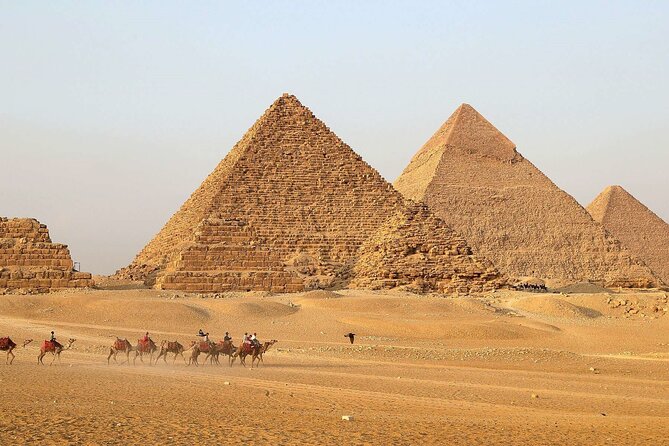
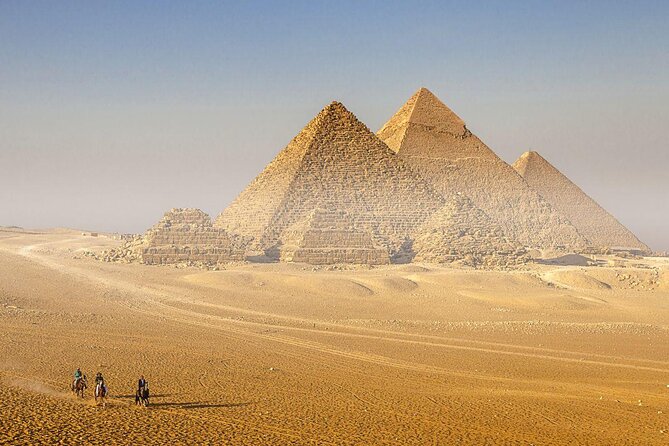
If Giza has intimidated you, this kind of private tour can fix that quickly. You’re not trying to interpret a giant archaeological site from a map app while traffic and crowd flow push you along. Instead, you get a guide who helps you get your bearings fast, and the itinerary is built around the core monuments: the three main pyramids, the Great Sphinx, and the Valley Temple.
This matters because Giza is not just one stop. It’s a cluster of sacred structures spaced across the plateau, and your best views come when you’re in the right spot at the right time of day. A good guide also helps you avoid wasted back-and-forth—especially important when you only have about 4 hours.
It’s also worth noting the tour is described as private, with a maximum of 15 travelers. In practice, that usually means fewer bottlenecks than a giant bus group. Still, Giza can be busy, so your mindset should be: expect movement, expect some crowds, and use your guide time wisely.
You can also read our reviews of more private tours in Cairo


What you’ll likely feel during the tour
The first pyramid you see hits you differently when you’re up close. From far away it’s “wow.” Up close, it becomes “how did they build this?” Your guide’s job is to keep that wonder grounded in specifics—names, time periods, and what each monument’s layout suggests.
Hotel pickup and 4-hour timing that doesn’t waste daylight
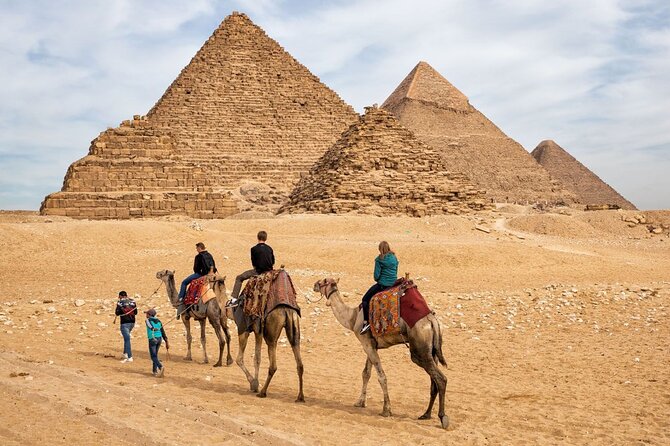
The tour starts with pickup from your hotel in Cairo, then you head out to the Giza Plateau. That sounds simple, but it’s a big deal. Cairo traffic can be unpredictable, and arranging your own transport on short notice is where good plans go to die.
You also get a mobile ticket, which is designed to make entry smoother once you arrive. The tour description also mentions confirmation at booking time unless you book within 5 hours of travel, in which case confirmation comes as soon as possible based on availability.
Here’s how I’d think about the 4-hour limit as a real traveler:
- You’ll probably move through the main sights in a sequence: pyramids → Great Sphinx → Valley Temple.
- You’ll have just enough time to stop, look up, and understand what you’re seeing—without getting “stuck” in one photo spot for an hour.
- You’ll want to wear comfortable shoes. The plateau involves walking across uneven ground and shifting viewpoints.
If you’re visiting Cairo for business or you’re on a tight schedule, this kind of structure is a lifesaver. One visitor even described using the tour with a tight window after a meeting, and the key point was that pickup and timing were handled in a way that worked.
A small planning tip before you go
Ask your guide early (at pickup) what your priorities are: pyramid photos, Sphinx angles, or learning the differences between the three pyramids. When you align expectations early, the whole 4 hours runs smoother.
Pyramids of Khufu, Khafre, and Mankaura: what to notice
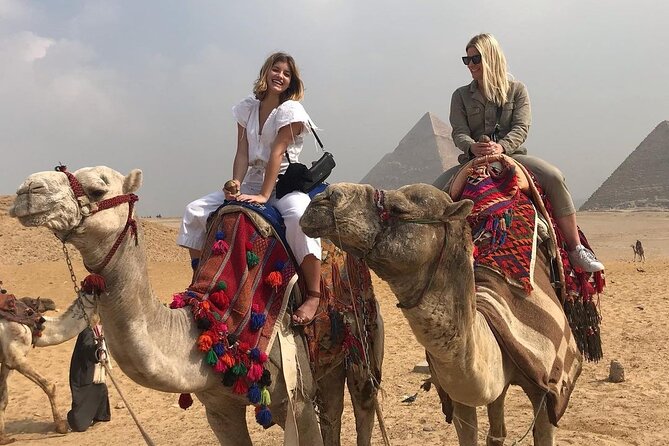
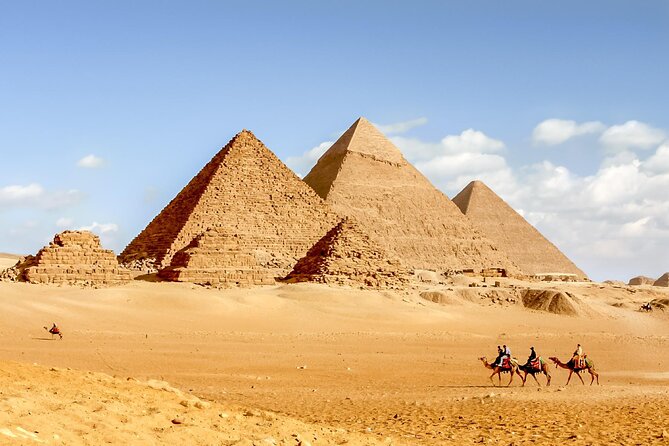
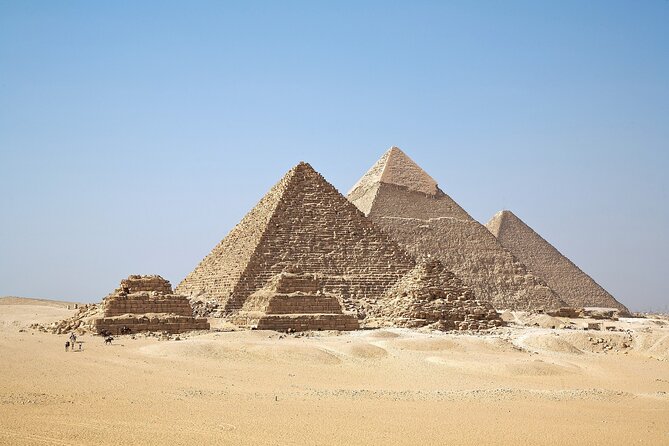
The tour focuses on the Pyramids of Giza—Cheops (Khufu), Chephren (Khafre), and Mykerinus (Mankaura). Even if you already know the names, your guide can help you notice the differences that make each one feel distinct.

Cheops (Khufu) pyramid: the first “scale shock”
Khufu is often the pyramid people come for. Up close, the main thing you’ll notice is sheer mass—how the structure dominates the plateau. Your guide may point out how this pyramid fits into the larger Giza complex and why it’s such a cornerstone of the site’s fame.
This stop is where you’ll probably spend your first “long look” time: looking, stepping to new angles, and learning the basic identification so your photos come out with context, not just monuments.
Chephren (Khafre) pyramid: the one tied to the Sphinx
The Great Sphinx is dated to the time of Khafre, and that connection changes how you experience the pair. When you look at the Khafre pyramid and then move to the Sphinx area, the site feels like it’s telling one story instead of three separate ones.
Chephren’s pyramid stop is usually a great moment to compare what you see—shape, position, and the sense that the Sphinx and Valley Temple aren’t random additions.
Mykerinus (Mankaura): the quieter third
Mankaura is the third major pyramid. In a fast tour, it can feel like the “less talked about” one, but it’s still important. A good guide helps you keep the focus balanced so you don’t only chase the biggest spectacle. When you understand that the Giza plateau includes multiple royal projects, the third pyramid becomes part of the bigger picture.
A practical caution
Giza is famous, which also means you’ll likely deal with crowds at the viewpoints. If someone in your group gets impatient, use your guide to move to the next angle rather than waiting for a perfect photo gap. A private guide is there to manage that rhythm.
Great Sphinx plus Valley Temple: the details that make it click
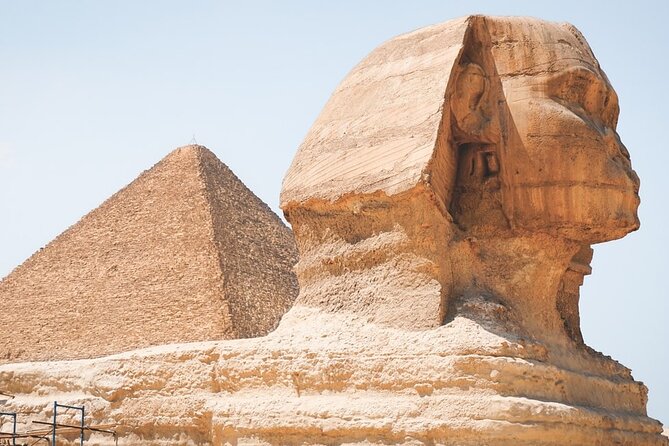
The itinerary includes the Great Sphinx, described as the head of a pharaoh with a lion’s body, dating from the time of Khafre. That description is more than trivia. When you understand the Sphinx’s connection to Khafre, you start to see the plateau as a planned royal landscape rather than a pile of famous ruins.
Great Sphinx: more than a face in stone
At the Sphinx, you’ll likely focus on the sheer presence of it. It’s hard not to stare. But your guide can help you interpret what you’re looking at: the royal symbolism, the way the Sphinx’s placement works with the surrounding structures, and why it’s tied to the same era as Khafre’s projects.
Valley Temple: where the story gets personal
The tour also includes the Valley Temple, dedicated to King Khafre. Here’s the value: the Valley Temple isn’t just another building. It’s explained with very specific functions:
- Purification of the mummy of the king before burial
- Role in the mummification process
That kind of functional context changes the experience. Instead of walking through ruins like you’re sightseeing props, you’re imagining the steps of a ceremony tied to kingship and afterlife beliefs. Even if you’re not an Egyptology person, this helps your brain organize what you’re seeing.
Drawback to know before you go
This stop set is emotionally and visually intense, and it can get tiring. Four hours moves fast. If you want to sit and read every sign or take your time comparing carvings, plan for a slower day. For most people, though, this is a strong “best-of” run.
Why the guide matters: pacing, photos, and real flexibility
Private tours succeed or fail based on the guide’s control of time and focus. This one stands out in the feedback style shared by visitors: guides who are warm, professional, and ready to adjust to what the group wants.
Zayan is specifically mentioned as professional, flexible, and capable of personalizing the day. One visitor also highlighted that their guide was an expert photographer, which is useful in a place where small angle changes can make or break a photo.
Another theme: pickup-to-drop-off being on time. When you’re dealing with a site like Giza, “on time” isn’t luxury—it’s how you protect your best light and avoid stress.
What personalized guidance can look like
You might ask for:
- more time at the pyramid angles you care about most
- a viewpoint that works better for your camera
- help getting the cleanest route through the site without doubling back
The tour description emphasizes private guiding, and the experiences described include moments like tailoring and fitting a lot into one outing. One person even connected the day with local food and a date plantation stop, which suggests your guide may be open to adding a short local break if time allows.
That’s not guaranteed as part of the core itinerary, so don’t plan on it blindly. But it’s a sign that good guides think beyond the clock.
Price and value: is $60 per person fair?
The price is listed at $60.00 per person for about 4 hours, with pickup offered and an admission ticket included. That combo is what makes it feel reasonable, especially in a city where arranging transport and entry on your own can cost time and money.
Here’s the value breakdown in plain terms:
- You pay for time saved: pickup and a direct plan through the main monuments
- You pay for clarity: a guide helps you see differences and understand why the Valley Temple matters
- You pay for included entry: fewer unknowns at the gate
- You get a smaller group feel: capped at 15 travelers
What could raise the effective cost? Anything you add beyond the standard sights—extra stops, meals, or longer-than-expected sightseeing. But for the core pyramids-and-Sphinx highlights, the price feels aligned with what most people want: a guided, efficient visit.
Also, because the tour includes mobile tickets, you reduce some friction. Less friction usually means fewer delays and a smoother first impression.
Where this tour fits best (and who might want more time)

This is a great match if you:
- want the main Giza monuments in one organized outing
- don’t want to plan transport, entry, and site routing yourself
- enjoy having a guide explain names and functions (like the Valley Temple’s purification and mummification role)
- have a limited time window in Cairo
It’s also a smart fit for first-timers. If it’s your first trip to Egypt, you want the day to feel magical but not chaotic. A focused itinerary helps you walk away with understanding, not just photos.
You might want a longer option instead if:
- you’re the type who likes to linger and explore side details for hours
- you want deeper museum-style explanations at every stop
- you plan to climb or spend extended time at multiple vantage points
In short: this tour is built for efficiency without feeling like a drive-by.
Booking and practical notes (quick and honest)

Confirmation is received at booking time unless you book within 5 hours of travel, in which case it’s confirmed as soon as possible subject to availability. Pickup is offered from your Cairo hotel, and you’ll use a mobile ticket.
If you need flexibility, the experience includes free cancellation up to 24 hours in advance for a full refund. You can cancel up to 24 hours before the start time; if you cancel within 24 hours, there’s no refund.
Accessibility is described as: most travelers can participate, and the tour is near public transportation. The group size is capped at 15.
Should you book this Giza Pyramids and Sphinx private tour?
If you’re aiming for the classic Giza highlights—three pyramids, the Great Sphinx, and the Valley Temple—this is an easy yes. You’re not only buying access. You’re buying structure, interpretation, and time management in a place that can overwhelm you.
Book it if you value:
- hotel pickup to avoid Cairo routing headaches
- admission included so your day starts smoothly
- guide-led context that makes the Valley Temple’s role feel real
- a smaller group size and strong guide presence, with Zayan singled out for flexibility and professionalism
Think twice if you want a slow, exploratory day with lots of free wandering. At 4 hours, you’ll have to choose where to spend your patience.
If you want a first visit to Giza that feels organized, memorable, and not stressful, this private tour checks the right boxes.
FAQ
How long is the private tour to the Giza Pyramids and Sphinx?
The tour lasts about 4 hours.
Is hotel pickup included?
Yes. Pickup is offered from your hotel in Cairo.
Are admission tickets included?
Yes. Admission ticket is included as part of the tour.
Do I need paper tickets?
No. The tour includes a mobile ticket.
When will I get confirmation after booking?
You’ll receive confirmation at booking time unless you book within 5 hours of travel, in which case confirmation is provided as soon as possible based on availability.
What group size should I expect?
The tour has a maximum of 15 travelers.
What is the cancellation policy?
You can cancel for a full refund up to 24 hours in advance. If you cancel less than 24 hours before the experience starts, you won’t receive a refund.