REVIEW · LUXOR
Full-Day Luxor Tour “Highlights of East and West Banks”
Book on Viator →Operated by Go Tours Egypt · Bookable on Viator
Two banks. One very full day in Luxor. East and West Banks landmarks like Karnak, Hatshepsut, and royal tombs are packed into a 7–8 hour loop, with hotel pickup and an Egyptologist guiding you through what you’re actually looking at.
I especially like that this plan hits the big, separated-by-river highlights without you needing to figure out transport. You get door-to-door pickup within Luxor, and the day is built around the key storylines—pharaoh power on the East Bank and the necropolis on the West Bank—so it feels more meaningful than a stop-and-snap tour.
One thing to keep in mind: your guide may stop at shops during the day. If you prefer not to be taken anywhere for shopping, set that expectation early so the day stays focused on monuments.
In This Review
- Key points at a glance
- How this East and West Banks plan fits into one long day
- Valley of the Kings: four tombs plus your choice about Tutankhamun
- Deir el-Bahari and Hatshepsut: why this temple still hits hard
- Colossi of Memnon: short stop, big presence
- Karnak Temple: where you’ll feel the time budget
- Luxor Temple: the Theban Triad and the feel of the city
- Price and what you should budget beyond the headline
- Comfort details that matter more than you think
- About shop stops: keep control of your time
- Who this tour suits best
- Should you book Highlights of East and West Banks?
- FAQ
- What time does the tour start?
- How long is the full-day tour?
- Does the price include entrance fees to the temples and tombs?
- What’s included in the tour price?
- Is lunch included?
- Do I need to pay extra for Tutankhamun’s tomb?
- Is this tour suitable for families?
Key points at a glance
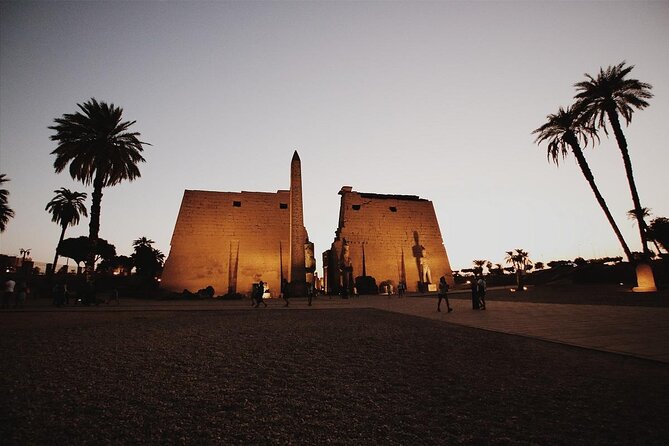
- East and West Banks in one day: Karnak and Luxor Temple plus the Theban Necropolis.
- Valley of the Kings includes four royal tombs: including Ramses IV, Ramses III, and Merenptah.
- Tutankhamun’s tomb is optional: you’ll decide on the spot with an extra ticket cost.
- Time set for the best monuments: 3 hours at Karnak, 2 hours at Luxor Temple.
- Hatshepsut at Deir el-Bahari gets its due: about an hour at one of Luxor’s most iconic temples.
- Pickup, lunch, and air-conditioned transport are included: a big comfort win in Egyptian heat.
How this East and West Banks plan fits into one long day
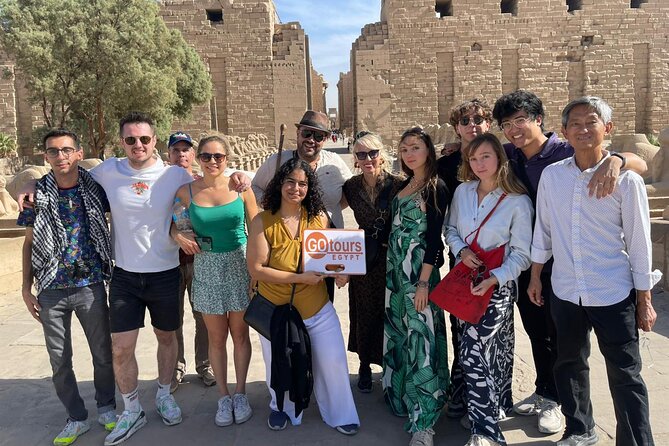
This is an all-day, structured tour with a start time of 8:00 am and a total duration of about 7–8 hours. The payoff is that you see both sides of Luxor in a single day: the East Bank temples and the West Bank tombs. If you’re short on time—or you just don’t want to spend half your trip figuring out rides—you’ll appreciate the focus.
The group is kept to a maximum of 15 travelers, which usually makes it feel more manageable than the mega-bus style tours. You also get an air-conditioned vehicle the whole time, plus hotel pickup and drop-off within Luxor (including central hotels and the harbor area). That matters because the distances aren’t huge, but the driving adds up when you’re stopping at multiple sites.
You’ll also have the convenience of a mobile ticket, which is one less thing to worry about once you’re out in the heat and crowds. The tour itself includes lunch and an Egyptologist guide, so the “what am I looking at?” question is addressed throughout the day instead of only at the gate.
A few more Luxor tours and experiences worth a look
Valley of the Kings: four tombs plus your choice about Tutankhamun
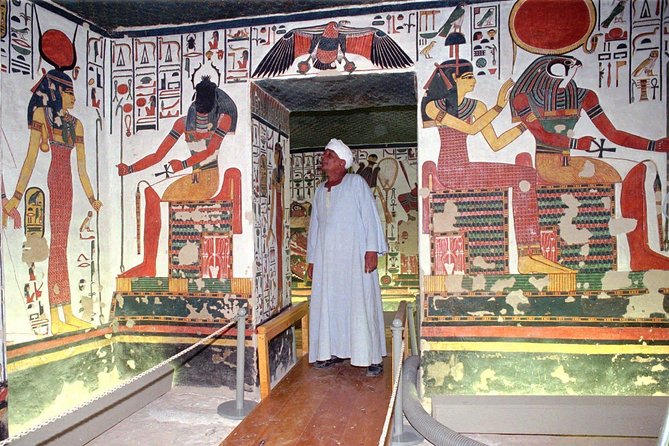
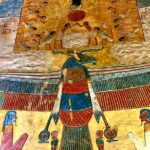
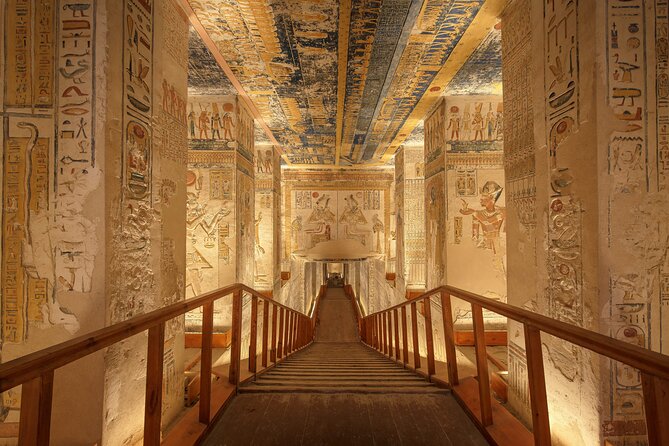
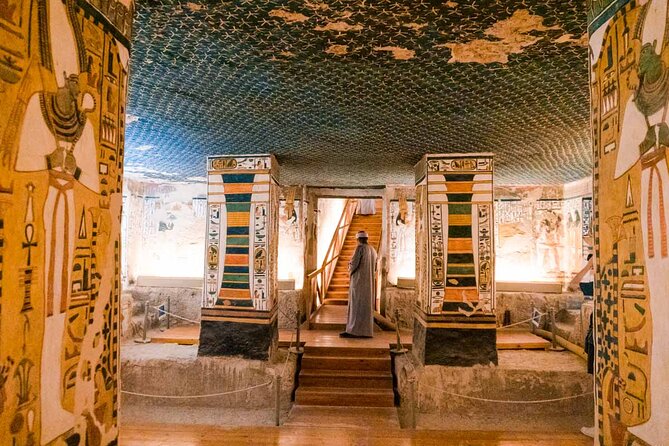
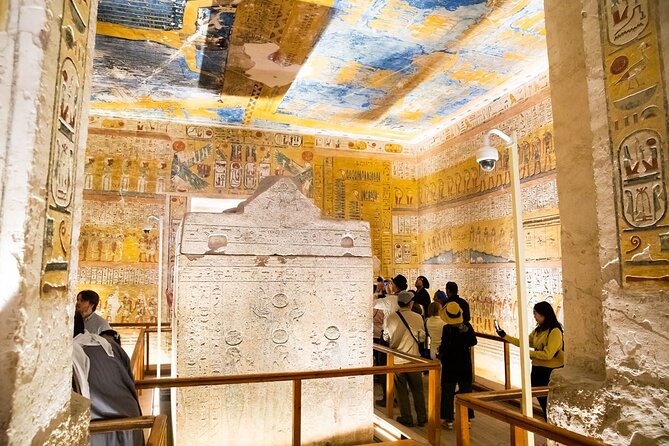
The morning is spent on the West Bank in the Valley of the Kings, where the necropolis of Thebes has concentrated royal burials for centuries. You’ll visit four royal tombs as part of the guided time at the site, including Tomb of Ramses IV, Tomb of Ramses III, and Tomb of Merenptah.
This is the part of Luxor that most people picture first, but here’s the practical twist: not all tomb choices are equal in interest, and not all visitors want the same pace. With this tour you get multiple tombs built into the schedule, so you’re not putting all your hopes on one ticketed highlight.
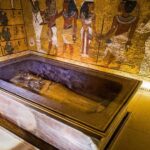
Then comes the big decision point: the Tomb of King Tutankhamun. The tomb visit is optional, and if you want to go in you’ll pay an extra entrance fee of 300 EGP. The time listed is short—about 15 minutes—so plan for quick, concentrated viewing rather than a long, lingering experience. If your priority is seeing Tut’s famous burial chamber and mummy, this is your moment. If you’d rather stretch your time across the other tombs, you can skip it and still get a strong Valley of the Kings experience.
Also note: the tour does not include the Valley of the Kings tomb entrance fees you’ll need for this program. Entrance fees for the sites and temples in the plan are listed separately (about 38 USD), so you’ll want to budget for tickets on top of the tour price.
Deir el-Bahari and Hatshepsut: why this temple still hits hard
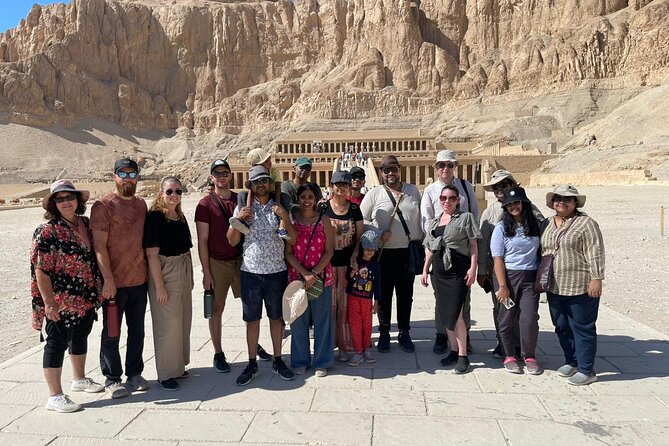
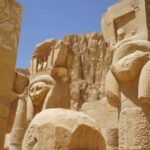
After the tombs, you head to Deir el-Bahari to visit the Temple of Hatshepsut. This is a one-hour stop, and it’s the kind of monument where the architecture does a lot of storytelling for you. The temple is tied to Hatshepsut’s status as Egypt’s famous female pharaoh, and it also connects to the Tutankhamun storyline since she’s described as an ancestor of Tut’s dynasty.
If you like your ancient sites with a sense of drama, Hatshepsut delivers. Even if you’ve seen pictures before, being there in person usually changes how you read the temple—especially the symmetry, the terraces, and the way the setting seems designed to frame the temple as a statement of power and legitimacy.
One practical consideration: this stop is timed after the morning necropolis. That means you’ll want to pace yourself between the tombs and the temple so you’re not walking into Deir el-Bahari already exhausted.
Colossi of Memnon: short stop, big presence
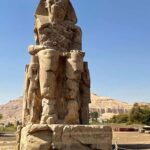
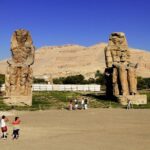
Next up is a quick visit to the Colossi of Memnon. You’ll spend about 10 minutes here. These are the two largest ancient statues in Egypt, dating to the era of King Amenhotep III.
This is the kind of stop that’s easy to underestimate because it’s short. But the statues have scale, and scale is the point. You’ll likely spend most of your time just absorbing the size and aligning the view with how the statues relate to the surrounding complex.
If you want longer time for photos or you like to read details from every angle, you might find 10 minutes slightly tight. The good news is that the rest of the day includes longer, more time-heavy sites where you can slow down.
Karnak Temple: where you’ll feel the time budget
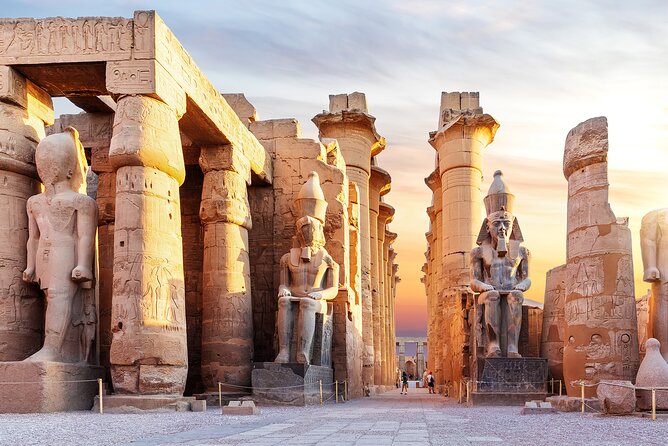
If you only had one stop in Luxor, Karnak would be the obvious pick. This tour gives you about 3 hours at Karnak Temple, and that time matters. The Karnak complex is not one temple; it’s a whole set of temples and additions built over different reigns. With more time you can separate the main areas rather than rushing through and forgetting what’s where.
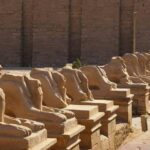
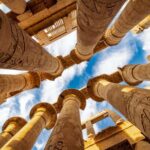
You’ll go past or through major landmarks inside the complex, including the Avenue of Sphinxes, the Hypostyle Hall with its 134 gigantic columns, obelisks of Queen Hatshepsut and Thutmosis I, and the Temple of Amon decorated with lotus and papyrus designs. You’ll also see the Granite Scarbeus of Amenophis III and the Sacred Lake.
Two practical takeaways:
- Karnak works best when you can sit for a moment and let the scale register. If your group moves fast, you’ll still get value, but you’ll appreciate having a guide explain which parts are most important.
- The Hypostyle Hall is the big visual hit. It’s also where you might feel overwhelmed if you’re trying to read everything at once. Let your eyes enjoy first, then use your guide’s cues to understand what you’re seeing.




Luxor Temple: the Theban Triad and the feel of the city
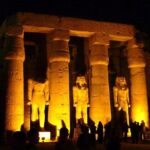
After Karnak, you visit Luxor Temple for about 2 hours. This temple is dedicated to the Theban Triad: Amun-Ra, Mut, and Khonsu. You’ll also see granite statues of Ramses the Great.
Luxor Temple can feel different from Karnak because it’s tied more directly to the rhythm of the modern city and the river side of life in Luxor. Karnak is vast and sprawling, while Luxor Temple often feels like a more focused stage for the main religious story. Seeing both in one day helps you compare the styles and the ambition of different construction phases.
If you enjoy statues and inscriptions as much as you enjoy big halls, this stop tends to be satisfying. It’s also a good place to regroup mentally after the West Bank tombs earlier in the day.
Price and what you should budget beyond the headline
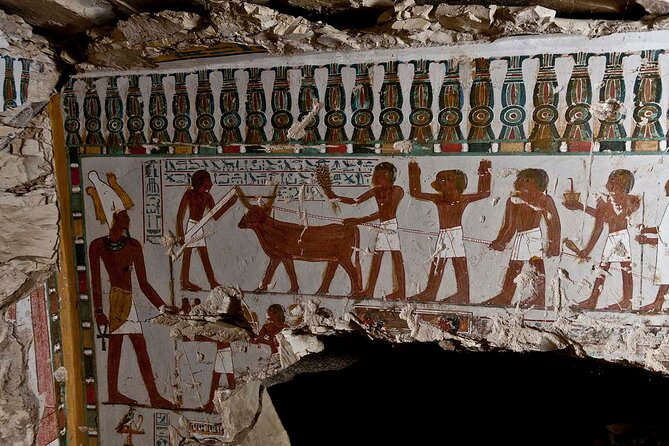
The tour price is $39 per person, which is a solid deal for a full-day route with pickup, lunch, and a qualified Egyptologist guide. The comfort component matters too: you’re in an air-conditioned vehicle for long stretches, which is not a small thing in Luxor heat.
But don’t ignore the separate ticket costs. Entrance fees for sites and temples mentioned in the program are listed as 38 USD (and Tutankhamun’s tomb has an additional 300 EGP entrance fee if you want to enter). So your “all-in” figure will likely land higher than the base price once you choose whether to add Tut.
Also plan for tipping, since it’s recommended but not included. And if you’re the type to consider optional extras, the tour description notes you can do optional hot air ballooning before the tour. That could be a great way to start your day, but it also means your morning plan needs coordination.
Here’s the simple way to think about value: if you want a guided East + West Bank day with lunch and transport, this is priced to be accessible. If you’re only interested in one side of the river, you might find another format works out better.
Comfort details that matter more than you think
This is a tour designed to reduce friction. You get hotel pickup and drop-off within Luxor, so you’re not scrambling for rides. You’re also in a vehicle with air-conditioning, which can make the difference between enjoying temples and just surviving them.
The schedule includes a lunch, and you’ll want that. A long day across multiple major sites can drain you faster than you expect, especially when you’re walking in and out of open areas and tomb entrances.
It’s also helpful that the tour mentions flexibility to explore at your own pace. That’s not a promise that you’ll go exactly at your speed the entire day, but it signals that the guide isn’t just rushing you through without any breathing room.
About shop stops: keep control of your time
One clear negative point from real-world experience is that guides sometimes take people to shops. If you dislike that, you’re not asking for anything unusual. You can handle it with one simple move: set the expectation at the start.
Tell the guide you’re not interested in shopping and you want to spend time only at the monuments. If you’re feeling unwell, say so early and make your plan clear—no endurance test required. This tour is long enough on its own. You shouldn’t have to waste your energy inside a store.
The best tours feel like they protect your focus, not dilute it. If shopping is added, you’ll want it to be your choice, not a surprise.
Who this tour suits best
This one is a good fit if:
- you want maximum Luxor highlights in one day (East + West Bank)
- you value guidance through complex sites like Karnak
- you like a tight schedule but still want a real explanation, not just a bus ride
It might be less ideal if:
- you want a slow, independent visit to tombs and temples
- you strongly dislike any shopping detours and don’t want to manage that with the guide
If you’re traveling with limited time or you’re trying to see as much as possible without stress, this tour hits the right balance.
Should you book Highlights of East and West Banks?
I’d book it if you want a guided, well-paced sampler of Luxor’s two “big worlds”: Karnak and Luxor Temple on the East Bank, and the royal necropolis sites on the West Bank. The 3 hours at Karnak plus 2 hours at Luxor Temple give you time to feel like you didn’t just pass through.
I would not book it blindly if:
- you’re expecting every cost to be included in the base price (tickets are separate)
- you have a hard line against shop stops and you don’t want to set expectations at the beginning
One last practical note: the provider lists free cancellation, so if your schedule is still fluid, you can hold a spot and adjust if plans change. Then, when you’re ready, you’ll know your day in Luxor is organized around the monuments that actually define the region.
FAQ
What time does the tour start?
The tour starts at 8:00 am.
How long is the full-day tour?
It runs for about 7 to 8 hours.
Does the price include entrance fees to the temples and tombs?
No. Entrance fees are not included for the sites and temples in the program (listed as 38 USD). The Tomb of King Tutankhamun is also optional and has an extra fee of 300 EGP if you choose to enter.
What’s included in the tour price?
Included are hotel pickup and drop-off within Luxor, an Egyptologist guide, lunch, all transport by air-conditioned vehicle, and all applicable tax and service charges.
Is lunch included?
Yes, lunch is included.
Do I need to pay extra for Tutankhamun’s tomb?
Yes. Entry to the Tomb of King Tutankhamun is optional and costs 300 EGP.
Is this tour suitable for families?
It says children must be accompanied by an adult, and most travelers can participate.