REVIEW · LUXOR
5-Days Tour Nile Cruise from Luxor to Aswan with Abu Simbel
Book on Viator →Operated by Roxana Travel · Bookable on Viator
The Nile writes the history for you. This 5-day cruise strings together Luxor’s big East and West Bank hits, Aswan’s island temple, and the long, memorable trip to Abu Simbel with a night show.
I really like the way this trip balances relaxing cruise time with guided temple visits—so you’re not just sprinting from one doorway to the next. I also like the practical support: an Egyptologist plus sightseeing by A/C vehicle keeps the day moving without wasting hours on logistics.
One thing to plan for: entrance tickets are not included at most stops, and Abu Simbel is a long day. If you hate early starts or long rides, this may feel like a workout.
In This Review
- Key highlights worth your attention
- A Luxor-to-Aswan Cruise That Gets to the Real Sweet Spots
- Day 1 in Luxor: Luxor Temple and Karnak After the Sun Softens
- Day 2 West Bank Essentials: Hatshepsut’s Temple and the Valley of the Kings
- Day 3 Edfu and Kom Ombo: Two Temples, Two Styles
- Day 4 Aswan Highlights: Philae Temple and the High Dam Story
- Abu Simbel Day: The Long Ride That’s Worth It
- What You’re Really Paying For: Comfort, Food, and Guided Time
- Practical Stuff That Can Make or Break Your Trip
- Who This Trip Suits Best (and Who Should Think Twice)
- Should You Book This Luxor-to-Aswan Nile Cruise with Abu Simbel?
- FAQ
- What time does the tour start?
- Are entrance tickets included for the temples?
- What’s included in the price?
- Is tipping included?
- Will I be on my own on the cruise?
- What if there isn’t good weather for a hot air balloon or the overall tour?
Key highlights worth your attention
- Egyptologist-guided temple stops so you’re not just looking at stone, you’re understanding it
- Full-board meals on board with multiple included breakfasts, lunches, and dinners
- Luxor East + West Bank in 2 days gives you the contrast most people miss
- Aswan on land plus a boat rhythm with Philae and the High Dam day
- Abu Simbel by day and sound-and-light at night for the full effect
A Luxor-to-Aswan Cruise That Gets to the Real Sweet Spots
If you want one trip that covers the highest-impact ancient Egypt sights without getting lost in details, this direction is smart. Luxor gives you the main temple gravity on both banks, then the cruise south smooths the travel with Nile scenery and downtime. By the time you reach Aswan, you’re ready for the slower, heavier sites and the big finale.
I like that the schedule focuses on variety. You see massive temple complexes, smaller but striking monuments, rock-cut tombs, and the very unusual double temple at Kom Ombo. You also get the modern story of the Nile, through Aswan’s dam landmarks. It’s not only about ancient ruins; it’s about how people shaped the river and how that change affected access to temples like Philae.
Because the tour is private to your group, it also tends to feel less rushed than open-bus chaos. Start time is listed as 12:00 pm for the meet-up, so you’re not starting your day at some ridiculous hour right away.
You can also read our reviews of more boat tours in Luxor

Day 1 in Luxor: Luxor Temple and Karnak After the Sun Softens
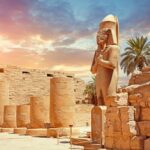
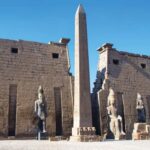
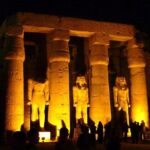
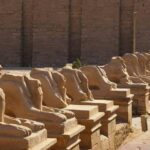
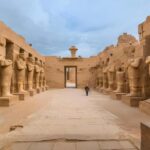
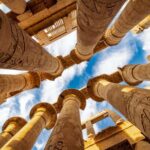
Day 1 starts with Luxor Temple and then shifts to Karnak. If Luxor Temple feels like a classic “main event” entrance, Karnak is the place that makes you question scale. It’s a whole world of pylons, chapels, and temple buildings clustered together, not one neat monument. You’ll walk through areas that feel like different eras of the same idea.
What I’d watch for: Luxor Temple is long, but it’s also very photogenic and easy to want to linger. Karnak can make your feet complain faster. The best approach is to let the guide set your order of attention—follow the explanations first, then do your own exploring with more calm. Admission tickets aren’t included, so budget time and money for that once you arrive.
The value here is the “why.” A guided explanation turns standing in front of walls into a better picture of religious space, royal symbolism, and the purpose of all those overlapping structures.
Day 2 West Bank Essentials: Hatshepsut’s Temple and the Valley of the Kings
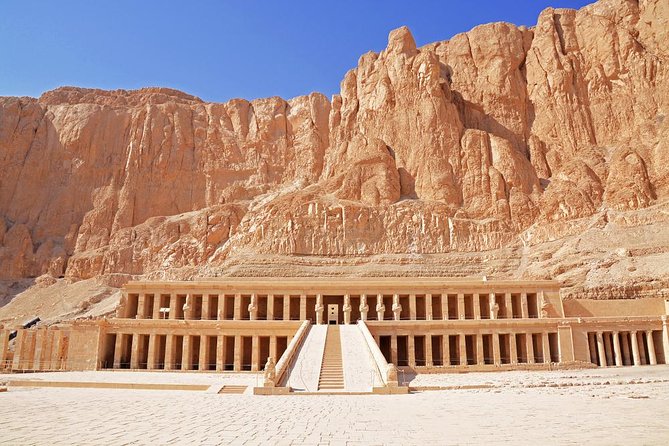
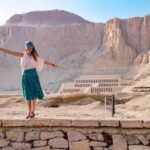
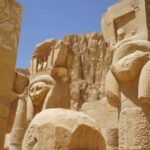
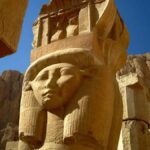
Day 2 leans into the West Bank, where the vibe changes fast. You begin with the Temple of Hatshepsut at Deir el-Bahari, a site that looks dramatic even before you understand it. Hatshepsut was a major pharaoh, and her temple is a perfect example of how power got carved into stone and staged in architecture.
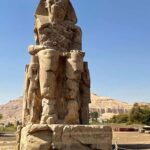
Then you head into the Valley of the Kings, where rock-cut tombs were dug for pharaohs and powerful nobles over roughly half a millennium. This place can feel quiet, even when you’re surrounded by other visitors. The guide’s context matters a lot here. Without it, tomb entrances are just openings. With it, they connect into a bigger story about rulership, afterlife beliefs, and how the New Kingdom structured its most sacred burials.
Practical consideration: this is one of the days where you’ll want comfortable walking shoes. Also remember admission tickets aren’t included for these stops, so plan for that cost.
Day 3 Edfu and Kom Ombo: Two Temples, Two Styles
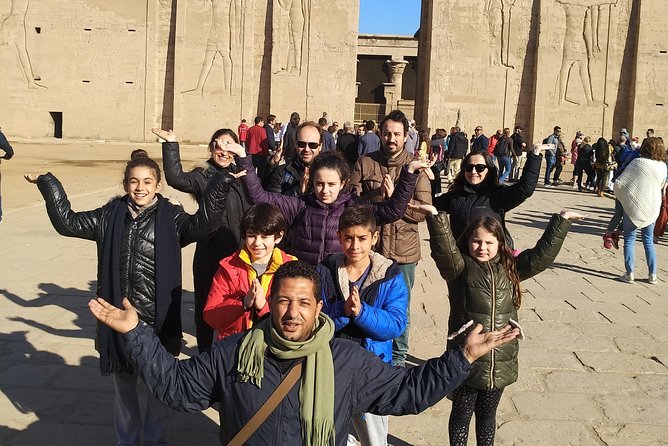
On Day 3, the cruise rhythm brings you to Edfu for the Temple of Horus (often called the Edfu temple). This is one of those temples that feels like it was built to be read: the layout and symbolism are organized in a way that makes explanations click. It’s also interesting how the temple connects into later eras, which can help you see it as more than one-time-only ancient production.
After Edfu comes Kom Ombo, home to a double temple—one building with two sets of themes. That unusual design makes Kom Ombo a nice counterpoint after Edfu. You’re not just seeing “another stop,” you’re seeing a different answer to the same question: how do temples communicate meaning?
What you’ll feel on this day: momentum. The cruise moves you along, and your stops keep things focused. If you enjoy history with structure, these two temples deliver.
Again, admission tickets aren’t included, so treat Day 3 as a budget day for entrances.
Day 4 Aswan Highlights: Philae Temple and the High Dam Story
Aswan is where the river starts to feel bigger and the air often feels different. Day 4 mixes a major temple visit with a modern landmark, which is a smart blend if you like seeing how Egypt’s story keeps evolving.
First is Philae, originally associated with the First Cataract area and later preserved through relocation related to dam-building. Even without a deep engineering background, it’s worth your attention because the carvings and temple setting show how much value people placed on this place. The island setting also helps: it feels removed from the rest of the city, even if you’re visiting on a schedule.
Then comes the Aswan High Dam. You’ll hear how it was built between 1960 and 1970 and why it became so important compared with the earlier Aswan Low Dam. This isn’t “ruins tourism.” It’s understanding how the Nile’s behavior shaped modern Egypt and the decisions that changed where some ancient sites ended up.
One practical note: Philae is a longer stop on the day (about 2 hours). If you’re sensitive to fatigue, pace yourself. Hydrate. Take your time with photos only after you’ve absorbed the main points.

Abu Simbel Day: The Long Ride That’s Worth It
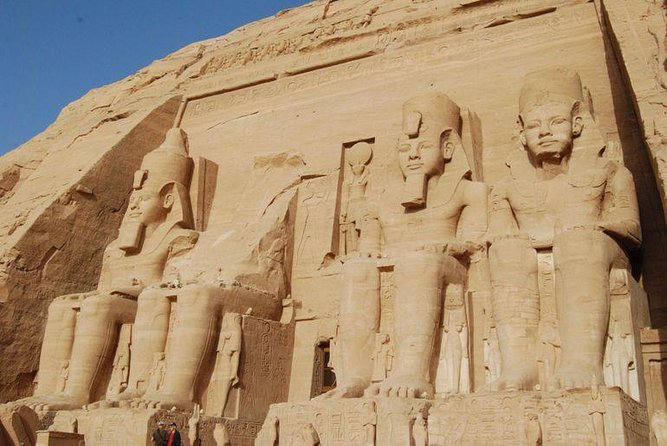
Day 5 is your Abu Simbel finale, and it’s also the most intense day of the trip. The trip is listed as about 8 hours for the Abu Simbel Temple Complex, which sits near the border with Sudan and across the lake area from Aswan (Lake Nasser).
Abu Simbel is famous for a reason: two massive rock-cut temples carved into the landscape. It’s not just that they’re large. It’s that they’re designed with deep intent, and when you understand the royal message behind them, the scale starts to feel personal instead of just enormous.
Then you get the sound-and-light show at Abu Simbel at night. The show uses narration plus lighting effects and projections on the temple facades, and you’re provided with earpieces for the language track. It’s usually staged three times nightly (around 6, 7, and 8 pm), so timing may vary by season and schedule.
What makes this combination work is that the show doesn’t replace your daytime visit—it complements it. Daytime helps you orient yourself. Nighttime turns those same facades into a story-machine.
Two practical considerations:
- Plan for a long day and don’t stack big plans before it.
- Bring something for comfort in the evening. Even if the daytime is warm, night can feel cooler.
What You’re Really Paying For: Comfort, Food, and Guided Time
The price is listed at $809.11 per person for about 5 days. That sounds steep until you break down what’s included: 4 nights on full board (meaning meals are handled), an Egyptologist guide, sightseeing with an A/C vehicle, and multiple meals listed as included—5 dinners, 4 breakfasts, and 5 lunches.
That meal structure matters in Egypt tours. It cuts down on decision fatigue. You’re not wondering where to eat between temples or hunting for something that matches your dietary needs on the fly. Plus, the included lunches and dinners mean the schedule stays stable.
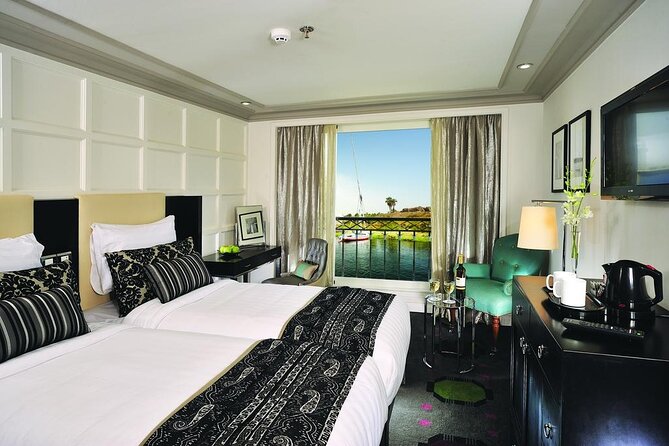
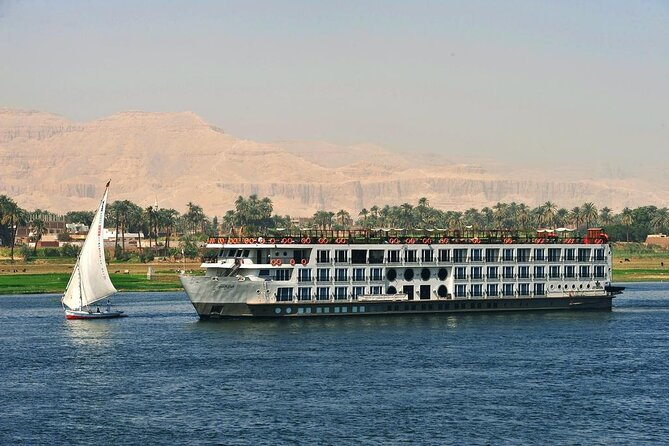
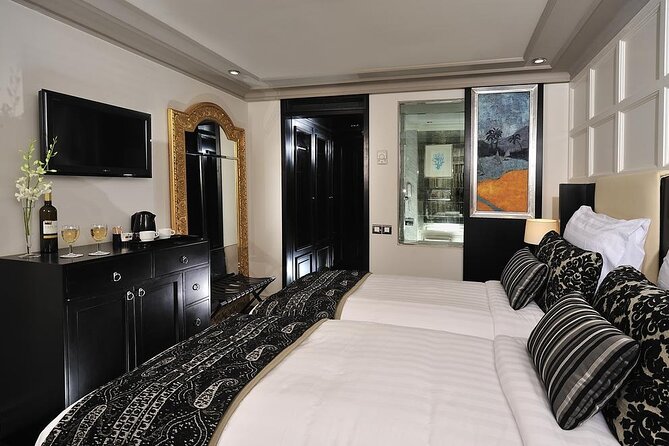
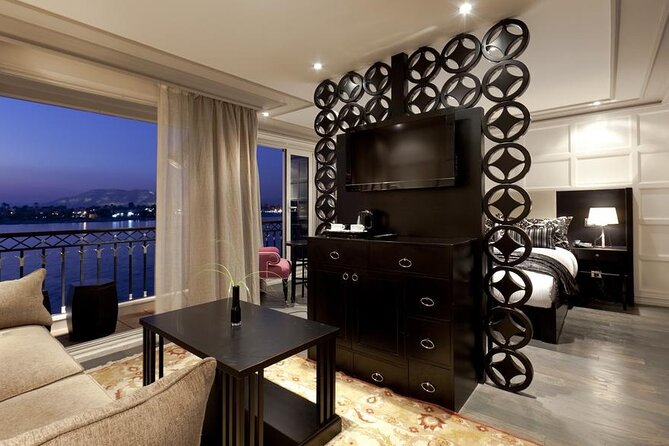
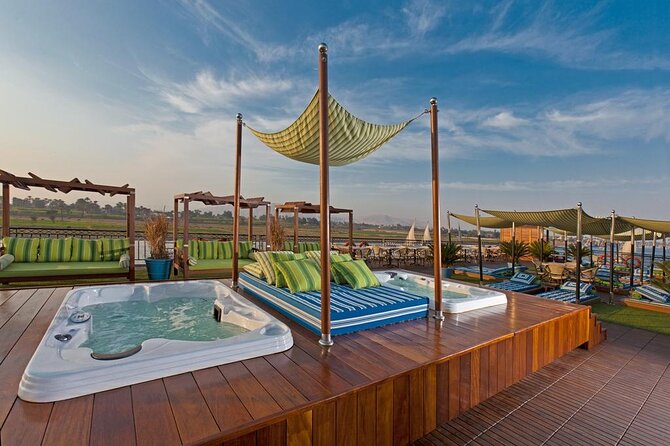
Comfort is a big part of what this kind of cruise sells, and the descriptions you’ll see emphasize an elegant, comfortable ship and clean, well-kept rooms. Some accounts also mention ship amenities like pools, sun decks, spas, and fitness centers. In plain terms: you’re not stuck inside a box for five days. You can recover between cultural stops.
The guide component is also where value lives. Temples are visually impressive, but without context they can blur together. With an Egyptologist explaining what you’re seeing, you’re more likely to remember specific details later instead of just “cool ruins.”
Practical Stuff That Can Make or Break Your Trip
Here are the key real-world points I’d keep in mind.
Entrance tickets are usually not included. The tour lists admission tickets not included for Luxor Temple, Karnak, Hatshepsut at Deir el-Bahari, the Valley of the Kings, Edfu, Kom Ombo, Philae, and Abu Simbel. You’ll want to factor that into your total budget.
Tipping is not included. The only clear note here is that tips are your responsibility.
Expect a private-group feel, but plan for peak pricing windows. This is private to your group, but there’s also mention of group discounts. If you travel between December 20 and January 7 (Christmas and New Year period), there may be an extra fee during that window. That can affect total cost even if the base price stays the same.
Hot air balloon cancellation has a specific refund policy: if the balloon is cancelled due to bad weather, you’ll be refunded $25 per person. The details about whether it’s always part of your exact departure aren’t stated here, but the refund rule is clear if that activity is part of your day.
Single room requests require extra booking. If you want your own room, you need to book as a single. If you travel as a group of 3, you’ll get a triple room.
Who This Trip Suits Best (and Who Should Think Twice)
This cruise is a strong fit if you want:
- Major Luxor and Aswan highlights in a single focused timeframe
- Guided context for tombs and temples
- A mix of daily touring with real downtime aboard the ship
It may be less ideal if you:
- Dislike long travel days (Abu Simbel is the big one)
- Don’t want to manage entrance fees separately
- Prefer ultra-flexible schedules with minimal structured stops
If you love history but also need comfort, this is the sweet spot: you get the explanations and the big sights without turning your vacation into a logistics project.
Should You Book This Luxor-to-Aswan Nile Cruise with Abu Simbel?
I’d book it if your priority is clear: see the headline ancient sites with guidance, then finish with Abu Simbel plus the night show. The included meals, guided sightseeing, and A/C vehicle support make it a smoother way to do Egypt than trying to piece together everything alone.
I’d pause and double-check costs and pacing if you’re sensitive to entrance fees and long days. The biggest “gotcha” isn’t the cruise itself—it’s the separate budget for temple admissions and the long Abu Simbel day.
If you want a guided, comfortable, high-returns route down the Nile, this one hits the right notes.
FAQ
What time does the tour start?
The listed meeting time is 12:00 pm.
Are entrance tickets included for the temples?
No. Admission tickets are listed as not included for the stops described (Luxor Temple, Karnak, Hatshepsut, Valley of the Kings, Edfu, Kom Ombo, Philae, and Abu Simbel).
What’s included in the price?
You get 4 nights in accommodations on a full board basis, an A/C vehicle for sightseeing, an English-speaking Egyptologist guide, and meal inclusions listed as 5 dinners, 4 breakfasts, and 5 lunches.
Is tipping included?
No, tipping is not included.
Will I be on my own on the cruise?
This is described as a private tour/activity, so only your group participates.
What if there isn’t good weather for a hot air balloon or the overall tour?
There’s a specific rule that if a hot air balloon is cancelled due to bad weather, you’ll be refunded $25 per person. The experience itself also requires good weather; if it’s cancelled due to poor weather, you’ll be offered a different date or a full refund.