REVIEW · LUXOR
5 days tour , 4 night on Steigenberger Legacy Nile cruise Aswan to Luxor
Book on Viator →Operated by Hesham Egypt tour guide · Bookable on Viator
Ancient Egypt, but with real comfort. This 5-day package pairs private Egyptology narration with a 4-night Steigenberger Legacy Nile cruise that moves you between Luxor, Edfu, Kom Ombo, and Aswan without turning your trip into a nonstop bus crawl. You’ll hit the headline sites fast, then fill the gaps with context so the monuments make sense.
I especially like the balance here: big-name temples (Karnak, Luxor, Hatshepsut, Edfu, Kom Ombo, Philae) plus a couple of the best “how did they build this” moments, like the High Dam and the Unfinished Obelisk. On top of that, the cruise setup gets consistent praise for attentive service and a relaxing onboard vibe.
One thing to think about: entry fees and onboard drinks aren’t included, and the cruise ship can feel older for some people. If you’re picky about Wi‑Fi or heating, read the room before you book.
In This Review
- Key highlights at a glance
- Why this Luxor to Aswan format works (and for whom)
- Your Day 1 in Luxor: Karnak and Luxor Temple on arrival day
- West Bank day in Egypt: Hatshepsut, the Valley of the Kings, and Colossi of Memnon
- Edfu to Kom Ombo: Horus and the Temple shared by two gods
- Aswan day with the High Dam, Unfinished Obelisk, and Philae Temple
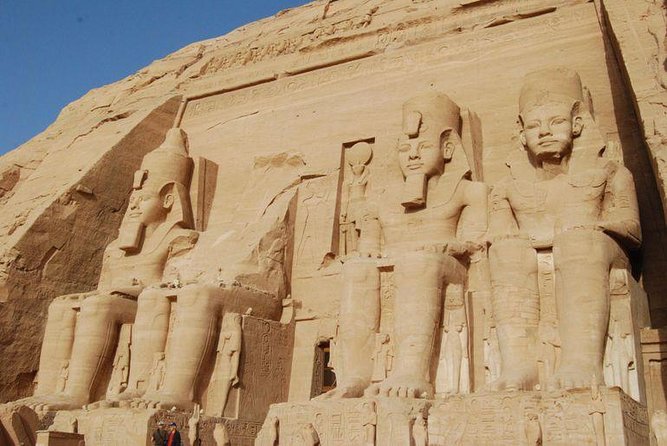
- Abu Simbel option on Day 5: worth it, but price-check first
- The Steigenberger Legacy cruise: comfort, food, and what to watch
- Price and value: what you’re paying for, and what you still must budget
- Extra tips to make each stop easier and more enjoyable
- So, should you book this tour?
- FAQ
- Is the tour private?
- How many days and nights is this experience?
- Where does the itinerary start and where does it end?
- What’s included in the price?
- Are entrance tickets included?
- Are drinks included with meals on the cruise?
- What about tips?
- Is Abu Simbel included?
Key highlights at a glance
- Private Egyptology guide narration makes the temples feel more than just photos
- 4 nights on the Steigenberger Legacy keeps logistics simple and smooth
- Karnak + Luxor Temple on Day 1 means you start with real momentum
- West Bank classics: Valley of the Kings, Hatshepsut at El Deir El Bahari, and Colossi of Memnon
- Two-god Temple of Kom Ombo adds a fun twist to the usual temple circuit
- Aswan engineering stops (High Dam, Unfinished Obelisk) add modern context to ancient stonework
Why this Luxor to Aswan format works (and for whom)
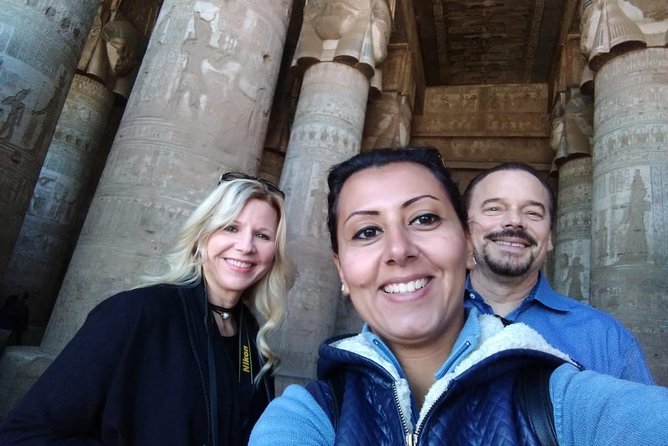
This is a classic Nile-cruise rhythm, but with a key upgrade: you’re not just shuttled between stops. You get a private guide plus a private vehicle, and the plan is built to cover the core arcs of ancient Egyptian life—royal power, afterlife beliefs, and the way the gods were presented across different cities.
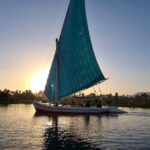
I think this format fits best if you want two things at the same time: daytime temple time and nighttime downtime. You’ll get the comfort of sleeping onboard for 4 nights, while the sightseeing happens in focused chunks rather than constant packing.
If you’re traveling solo, this can be a comfort win too. The tour is private for your group, so you’re not stuck competing for attention in a crowd. Just note that the cruise itself can vary by cabin category and season, so your experience onboard depends partly on what room you choose.
You can also read our reviews of more boat tours in Luxor
Your Day 1 in Luxor: Karnak and Luxor Temple on arrival day
Your first day is built to hit hard right after you arrive in Luxor. There’s meet-and-assist service, then you transfer to the cruise and board before lunch. After lunch onboard, you go straight into Luxor’s most famous temple pairing: Karnak Temple and Luxor Temple.
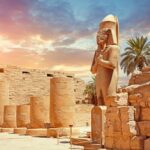
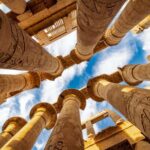
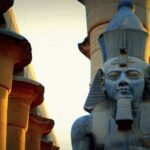
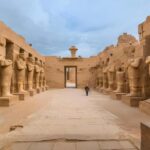
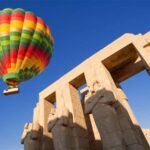
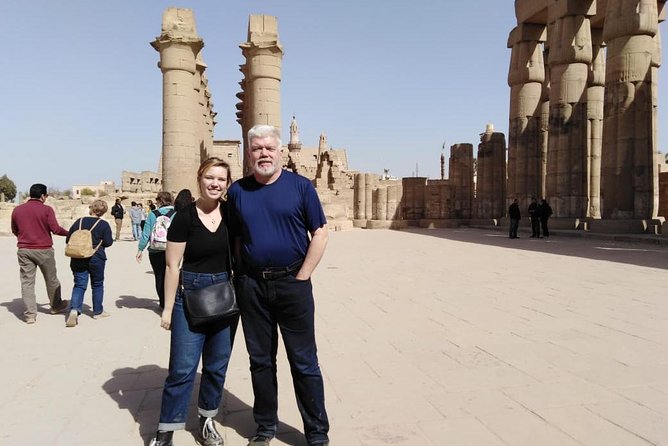
Karnak is the kind of site where you quickly realize Egypt did not do small. It’s vast, ceremonial, and layered, so it’s the perfect place for Egyptology narration. With the right explanations, you start seeing patterns: royal messaging, religious symbolism, and how different pharaohs left their fingerprints over time.
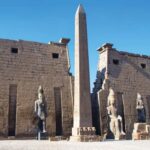
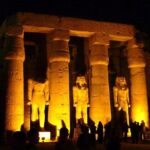
Then you finish with Luxor Temple, which feels more approachable after Karnak. It’s still monumental, but it gives you a clearer sense of how a temple complex functioned inside a living city—not just a museum block.
Possible drawback: admission tickets aren’t included, so you’ll want to budget for entry fees before you go. Also, because you start early and board quickly, it helps to have your essentials ready (hat, water bottle, and sun protection).
West Bank day in Egypt: Hatshepsut, the Valley of the Kings, and Colossi of Memnon
This day shifts from temples of living power to the afterlife universe. After breakfast onboard, you visit the West Bank highlights: Valley of the Kings, the Colossi of Memnon, and the Temple of Queen Hatshepsut at El Deir El Bahari. On the way back, you stop again at the Colossi, so the day has breathing rhythm.
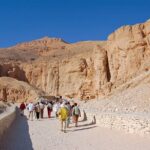
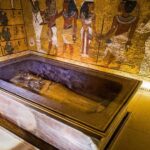
The Valley of the Kings is where the story turns personal. The site is about burial, protection, and belief—so you’ll get the most from it when your guide explains why the walls were painted and what the scenes were meant to do. It’s one of those places where you can easily get lost if you’re just scanning from a distance.
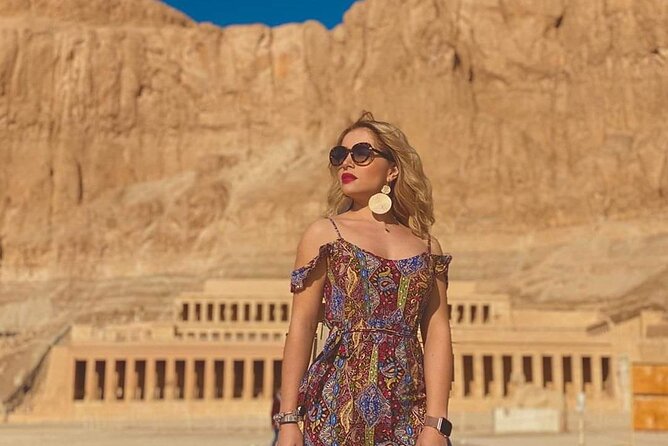
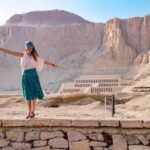
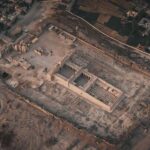
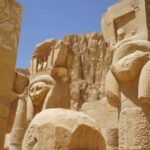
Then comes Hatshepsut at El Deir El Bahari, one of Egypt’s standout temple commissions. This is a powerful stop because the location itself reinforces the message: the cliffs, the approach, the terraces. With narration, Hatshepsut stops being a name and starts sounding like a real political force.
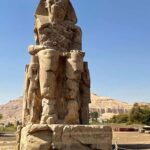
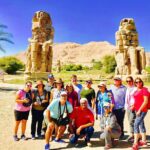
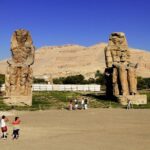
Finally, you get Colossi of Memnon, the huge seated statues. They’re famous partly because they’re hard to miss, but also because they’re such a strong clue to the scale of what once surrounded them.
Practical note: the day is long and sun-heavy. If you’re sensitive to heat, start with sun protection and pace yourself inside the tomb/temple areas. Admission tickets aren’t included, so expect those costs too.
Edfu to Kom Ombo: Horus and the Temple shared by two gods
After breakfast onboard, you head to the Temple of Horus in Edfu. This stop is often a favorite because it’s a different flavor from Luxor’s complexes. Edfu has a distinct architectural style and a clear religious theme, and your guide can help you connect the carvings to the story of Horus and the wider Egyptian worldview.
Then you sail to Kom Ombo, with lunch onboard and time for onboard downtime between sites. That’s part of the value of a cruise plan: you get a built-in reset rather than racing from one location to the next.
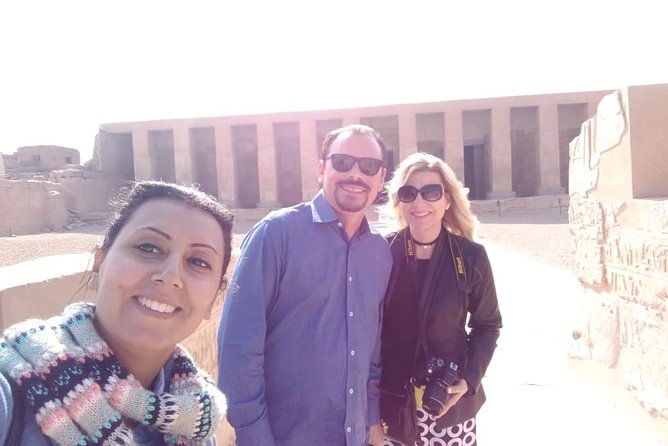
In Kom Ombo, you visit the Temple shared by the two gods Sobek and Haroeies. The “two gods” setup is the fun twist here. It means the temple reads differently depending on what you focus on. If your guide explains the divisions and the iconography, you’ll leave feeling like you understand why the layout is the way it is, not just that you saw another temple.
Day 3 also includes afternoon tea, plus dinner onboard and an overnight in Kom Ombo. Those onboard pauses matter on a trip like this because it keeps you from arriving at the next site mentally drained.
Aswan day with the High Dam, Unfinished Obelisk, and Philae Temple
This is where the tour adds modern engineering context to ancient stonework. You’ll sail to Aswan after breakfast, then visit the High Dam of Aswan and the Temple of Philae.
First up: the High Dam, completed in 1964. It’s described as an engineering miracle, and the facts given are exactly the kind you’ll remember—how it supports irrigation and electricity for Egypt, and how the project uses an immense amount of material (compared to the Great Pyramid of Cheops). Even if you’re not a technical person, it lands because it explains why Aswan matters to water control, trade, and modern life.
Next is the Unfinished Obelisk in the granite quarries. You’ll hear why it’s called unfinished: a crack was discovered and it still lies where it was carved. It’s a strong contrast to the monuments you’ve already seen, and it helps you understand the practical reality behind the polished final product—cutting, working stone, and dealing with failures.
Finally, you visit Philae Temple. Philae feels like the payoff. The High Dam and quarry stops give you the “how” and the “why modern power controls the Nile,” while Philae brings you back to the spiritual and ceremonial side.
One consideration: the day is packed. Wear comfortable walking shoes and carry water. Your guide can pace the stops, but you’ll still be outdoors at times.
You can also read our reviews of more evening experiences in Luxor

Abu Simbel option on Day 5: worth it, but price-check first
Your last day gives you breakfast onboard, then disembarkation. After that, you have a free day before heading back to the airport.
There’s an optional Abu Simbel trip listed at $95 per person (and $130 for a solo traveler). This is a classic “big decision” day. Abu Simbel is famous for a reason, but the right choice depends on your priorities and energy level after days of temple walking.
Because the tour lists it as optional and separates the cost clearly, I’d treat Abu Simbel as a value decision: if you’re willing to spend more for a once-in-a-lifetime highlight, it can be a strong closer. If you’re already temple-fatigued, it may be smarter to use Day 5 to rest, take a final stroll, and save the budget for future Egypt plans.
The Steigenberger Legacy cruise: comfort, food, and what to watch
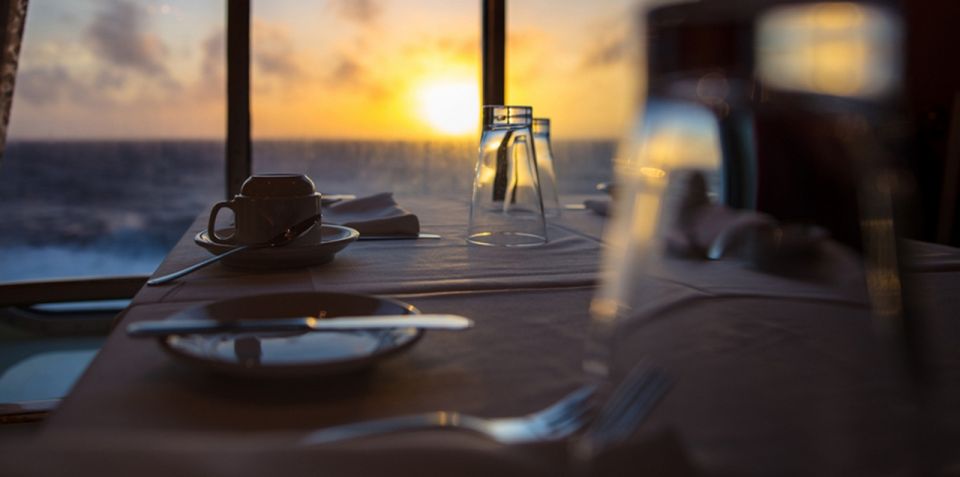
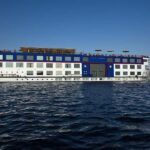
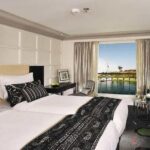
The cruise itself seems to deliver on comfort more often than not. Reviews point out spacious cabins and a big Juliette balcony option with sliding windows. There’s also praise for the onboard vibe—especially in lower-capacity periods—where you get to know crew members more naturally instead of feeling like a number.
Food quality shows up as another repeated theme: people describe it as good, with attempts at variety day to day, plus buffets that are described as plentiful and fresh. If you like having meals handled for you, this part makes the itinerary feel smoother.
Some reviews also mention entertainment on board, like belly dancing and other activities. That can be a fun contrast to the temple-heavy days.
Now the balanced part: a few comments call the ship dated or older, with one saying you can feel that age during the cruise. There are also complaints about Wi‑Fi being absent or near absent, and one review warns that in winter the ship lacked heating, making cabins less comfortable. Reception service and tip pressure come up as weak points in a couple of cases.
So here’s the practical way I’d plan: go in expecting a comfortable base for your Nile days, not a brand-new hotel with strong connectivity. If your priorities are internet access and consistent modern amenities, ask before booking about cabin category and seasonal comfort.
Price and value: what you’re paying for, and what you still must budget
The price is listed at $1,350 per person for this roughly 5-day experience, including 4 nights on the cruise and a private guided circuit of major sites. That includes a private tour guide, driver, and private vehicle, plus airport/cruise pick up and drop off.
Meals are covered for the cruise portion: breakfast (4), lunch (4), and dinner (4). That’s not a small detail. In Egypt, having meals handled reduces decision fatigue and keeps your day on schedule.
Where cost can surprise you:
- All entry fees are not included.
- Tipping is not included.
- Drinks during meals on the cruise aren’t included.
- There’s a note about $100 cash if you need a guide on the cruise with you.
So the real value question is simple: do you want a guided, structured Egyptology tour that removes the heavy thinking from logistics? If yes, the price makes sense because you’re buying time and interpretation, not just transport.
If you’re trying to travel ultra-budget and you already speak confidently enough to navigate museum and site admissions alone, this may cost more than you need. But if you want your monuments explained in a way that actually helps you connect the dots, that’s where the money tends to feel justified.
Extra tips to make each stop easier and more enjoyable
Here are the practical things I’d do to get the best outcome from a plan like this:
- Plan for heat and walking. Even with vehicle transfers, you’ll spend time outdoors and inside sites. Sun protection is not optional.
- Budget for entry fees early. Since admissions aren’t included, waiting until the last day creates stress.
- Pack light for security. If you want to move fast in crowded areas, keep essentials in one easy bag.
- Bring cash for tipping. Tipping isn’t included, and the cruise notes that money may be needed for certain on-board guide support.
- If you care about onboard comfort, pick the cabin category wisely. Some complaints focus on ship age and seasonal heating. Cabin choice matters.
And one more mindset shift: temple days in Egypt reward curiosity. If your guide is private and dedicated, ask quick questions during the drive, not only at the site. It helps you see the carvings and architecture with better focus.
So, should you book this tour?
Book it if you want a private, guided Luxor-to-Aswan circuit that covers the biggest sights with explanation. I especially think it’s a strong fit for first-time visitors who want major temples without getting lost in the details. The cruise adds value by handling meals and giving you a comfortable base for 4 nights, plus the itinerary includes a good mix of sites like Hatshepsut and the temple of two gods in Kom Ombo.
Skip it or price-check carefully if you’re sensitive about onboard conditions. If you rely on stable Wi‑Fi, need heating in cooler months, or expect a brand-new ship feel, the mixed feedback about the ship being older is worth taking seriously. Also, make sure you factor in entry fees and tips, not just the headline price.
If you want an Egypt trip that feels structured, informative, and not exhausting, this one has the right shape.
FAQ
Is the tour private?
Yes. It’s listed as a private tour/activity, and only your group will participate.
How many days and nights is this experience?
It’s about 5 days, with 4 nights on the Steigenberger Legacy Nile cruise.
Where does the itinerary start and where does it end?
Based on the stops, the program starts with Luxor and ends in Aswan, with disembarkation on Day 5 and travel back to the airport.
What’s included in the price?
A private tour guide, driver, and private vehicle are included, along with airport and cruise pickup/drop-off. Meals include breakfast (4), lunch (4), and dinner (4). The tour also notes mobile ticket and pickup is offered.
Are entrance tickets included?
No. The tour notes that admission tickets/entry fees are not included.
Are drinks included with meals on the cruise?
No. Drinks during meals on the cruise are not included.
What about tips?
Tipping is not included.
Is Abu Simbel included?
Abu Simbel is optional on Day 5. The listed price is $95 per person, and $130 for a solo traveler.