REVIEW · LUXOR
5 Days Luxury Nile Cruise from Luxor
Book on Viator →Operated by CRUISE ERA · Bookable on Viator
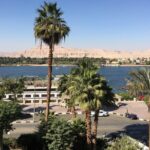
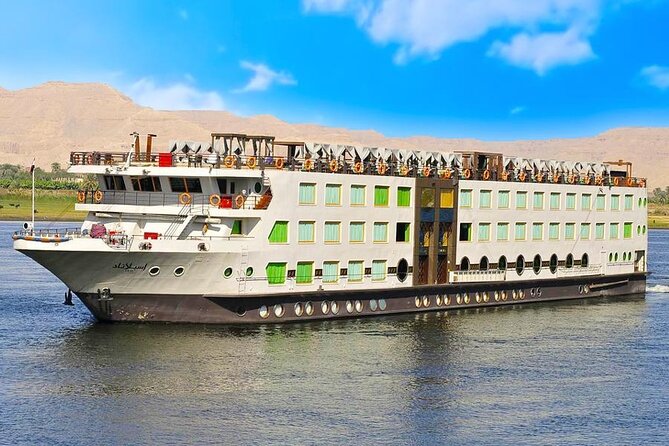
Sunset on the Nile feels unreal. I love the deck views and the slow rhythm of sailing between temples, and I also like that this trip runs on full-board meals so you’re not hunting for food between sightseeing stops. One consideration: entry fees for historical sites aren’t included, and the optional Abu Simbel day is an early, long push.
What makes this cruise work well is the way it pairs major monuments with straight-through logistics: pick-up, air-conditioned transfers, and a professional Egyptologist guide handling the storytelling for you. In the feedback I read, a guide named Mohamed came up with real warmth and clarity, and that’s exactly what you want when the walls are covered in hieroglyphs and symbolism.
It’s also a luxury-style package in the practical sense: onboard comfort, a swimming pool, and entertainment, plus meals and most transfers covered. Still, the tradeoff is a busy sightseeing tempo—great for history lovers, but you’ll want to pace yourself so temple days don’t flatten your energy.
In This Review
- Key highlights
- Luxor to Aswan by Ship: Why This Route Works
- What Luxury Means Here: Pool Time, Onboard Comfort, Real Schedule Relief
- Day 1 in Luxor: Karnak’s Scale and a Relaxing First Night
- The West Bank Power Day: Colossi of Memnon, Valley of the Kings, Hatshepsut
- Edfu and Kom Ombo: Two Temples, One Nile Rhythm
- Aswan High Dam and Philae Temple: Modern Power Meets an Ancient Island
- Optional Abu Simbel: The Most Intense Day, If You Want It
- Price and Value: What You’re Paying For, and What Still Costs Extra
- Practical Tips That Make This Cruise Feel Smooth
- Should You Book This 5-Day Luxury Nile Cruise?
- FAQ
- How long is the cruise?
- Where does the tour start and end?
- Are meals included?
- Is the Egyptologist guide included?
- Do I pay entry fees separately?
- Is Abu Simbel included?
- What time does the tour pick you up for Abu Simbel?
- What if the weather is poor?
- How close to the date can I cancel for a full refund?
Key highlights
- Karnak + Luxor Temples in one smooth sequence: big wow moments without complicated planning.
- Valley of the Kings and Hatshepsut’s terraces: two very different “west bank” experiences in a single day.
- Edfu (Horus) and Kom Ombo (Sobek and Horus): two well-known temple stops, each with its own twist.
- Aswan High Dam and Philae Temple: modern engineering plus a relocated ancient site.
- Optional Abu Simbel: for people who want the most dramatic long-distance day on the route.
- Full-board rhythm: breakfast, lunch, and dinner on the cruise for a low-stress schedule.
Luxor to Aswan by Ship: Why This Route Works
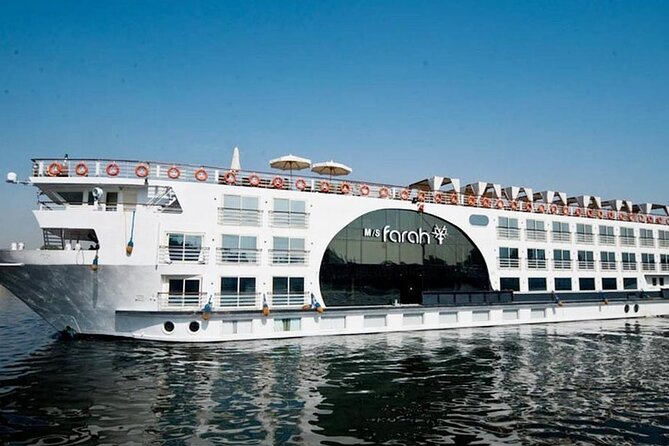
This 5-day Nile cruise is built on the most sensible idea in Egypt: don’t just see monuments—let the river reset your pace between them. Traveling by boat means you spend the “in-between time” actually enjoying the Nile, not transferring again and again.
You’ll also get a strong “ancient Egypt in layers” feeling. Luxor gives you the grand temple world; the west bank adds tombs and dramatic funerary architecture; Edfu and Kom Ombo bring you Ptolemaic-era temple life; Aswan adds a mix of modern history and an island-temple legacy shaped by relocation.
And because the trip includes meet and assist around arrival and departure, plus air-conditioned vehicle transfers for sightseeing, you’re less likely to waste energy figuring out who does what.
You can also read our reviews of more boat tours in Luxor

What Luxury Means Here: Pool Time, Onboard Comfort, Real Schedule Relief
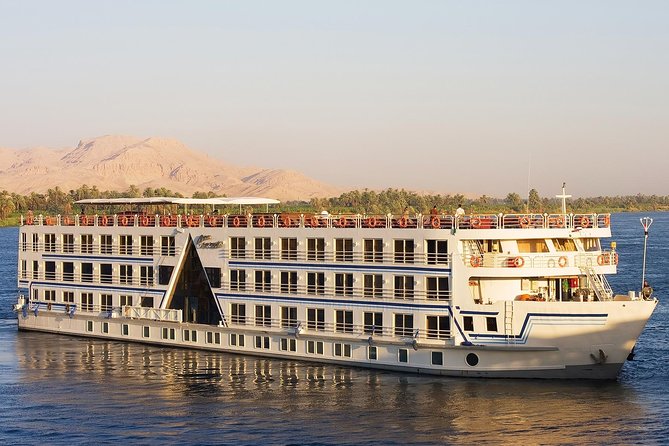
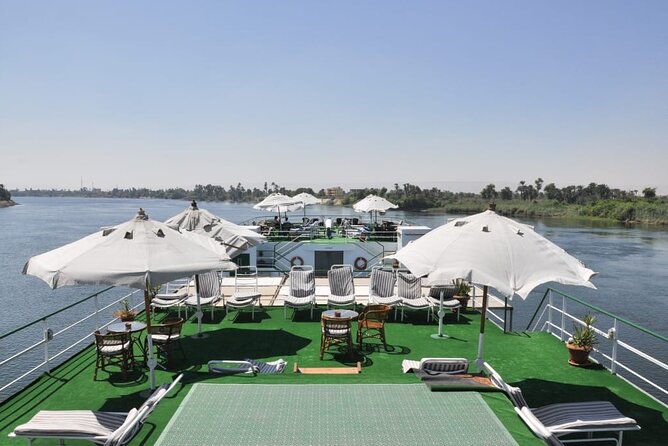
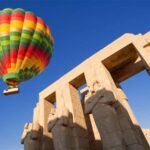
“Luxury” on a Nile cruise usually comes down to comfort plus timing. You’ll have onboard entertainment and a swimming pool, which matters more than people expect. After a couple of temple mornings, a quiet hour in the shade is what turns a day from exhausting to enjoyable.
Just as important: the package is full-board (breakfast, lunch, dinner are included during the cruise days). That is real value on the Nile. Egypt temple visits often run on a strict clock, and meals you don’t have to organize yourself are a big deal.
The biggest comfort-related win is that your guide is there to translate what you’re looking at. A qualified Egyptologist tour guide helps you move past the “wow, that’s old” stage and into the “now I get why it was built this way” stage.
Day 1 in Luxor: Karnak’s Scale and a Relaxing First Night
Day 1 starts with a smooth pick-up from Luxor Train station, the airport, or your hotel, followed by check-in on the cruise. You’ll have lunch on board, so you’re not starting temple touring hungry and rushed.
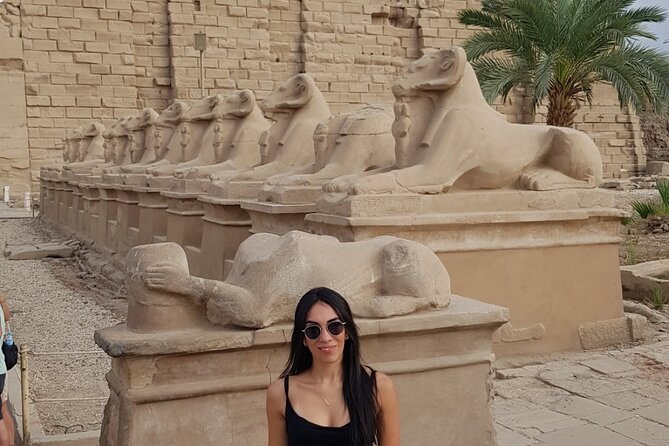
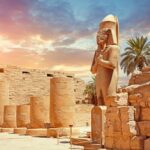
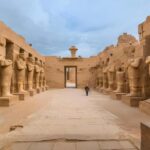
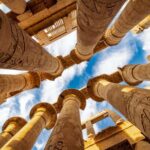
Then comes Karnak, and this stop is worth treating like a landmark in its own right. Karnak isn’t one building—it’s a massive complex of sanctuaries and pylons dedicated to the Theban gods. If you’re the type who likes big architecture and clear visual impact, Karnak often becomes the first “I can’t believe this is real” moment of the trip.
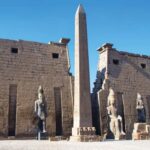
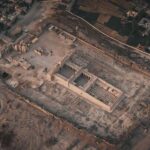
After Karnak, you’ll visit Luxor Temple, built by Amenhotep III and Ramses II. Luxor Temple has a different feel than Karnak: it’s still monumental, but it’s more focused in how it frames religious space and royal power.
By the time you’re transferred back to the cruise in a private air-conditioned car, you’ve earned downtime. That balance—hard stop, soft landing—is exactly how this kind of cruise keeps you fresh for the days ahead.
The West Bank Power Day: Colossi of Memnon, Valley of the Kings, Hatshepsut
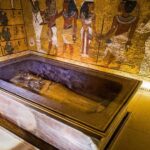
Day 2 leans hard into the Luxor that people dream about. It begins with the Colossi of Memnon, two huge statues that serve as a kind of opening act. Even when you know they’re famous, seeing their scale in person is still jarring—in a good way.
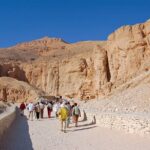
Next is the Valley of the Kings, the burial place for many pharaohs of the 18th, 19th, and 20th dynasties. What I like about this stop is that it gives context for the whole region. The “west bank” isn’t random tomb hunting; it’s a structured necropolis with UNESCO-level cultural weight.
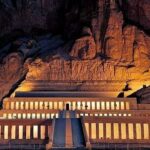
Then you’ll head to Temple of Hatshepsut at Deir el Bahari. This is a favorite for many visitors because Hatshepsut’s terraces rise up with architectural confidence, and her mortuary temple shows how ambition could be carved into stone. The layout—terraces, causeway connections, and the way the complex relates to Karnak across the Nile—helps you see the landscape as a designed system, not just scenery.
The practical takeaway: this day has a lot of meaning, but it also has a lot of walking and heat exposure. Bring sunglasses, sun protection, and a bottle you can refill. Pace yourself, and don’t try to “collect” every detail at once—let the guide teach you the big story first.
Edfu and Kom Ombo: Two Temples, One Nile Rhythm
Day 3 shifts from Luxor’s west bank drama to the steadier, well-preserved temple experience along the river.
You’ll visit Edfu Temple, dedicated to the falcon god Horus. This temple is known for being nearly intact, which is a huge advantage when you want to actually understand how the space works. You’ll also see that tourism infrastructure was added—like a visitor center and parking areas—because Edfu is one of the most important stops for Nile cruise traffic.
Then in the afternoon, you’ll go to Kom Ombo, famous for its double design for two sets of gods: Sobek (the crocodile god) and Horus (the falcon). The idea of a duplicated temple in one complex is one of those details that makes Egyptology feel alive. You’re not just seeing a temple—you’re seeing how belief systems were structured and repeated.
This day is a good reminder that the Nile is also a timeline. Edfu and Kom Ombo don’t feel like replicas of Luxor; they show how temple design shifted as eras changed, even while the gods remained central.
A few more Luxor tours and experiences worth a look




Aswan High Dam and Philae Temple: Modern Power Meets an Ancient Island
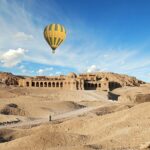
Day 4 is where Aswan brings contrast. First comes the Aswan High Dam, built between 1960 and 1970 across the Nile. If you’ve ever wondered why river levels and surrounding history matter so much, the dam is the modern answer. You’ll spend about 30 minutes there, which is short, but enough to get the point: this is one of the world’s largest embankment dams, and its impact is massive.
Then you’ll visit Philae Temple, an island-based complex downstream in the reservoir area. The key detail here is the relocation story. During the UNESCO effort to save Nubian monuments, the Philae complex was dismantled and moved to nearby Agilkia Island. So when you see the temple now, you’re seeing ancient stone plus a modern rescue mission.
Hieroglyphic reliefs at Philae are part of ongoing study through the Philae Temple Text Project. That’s a detail I love because it connects what you’re seeing to real research, not just sightseeing.
This day is often a “pause and look” day. If you’re tired from earlier temple days, Philae’s setting—its island history and the way the complex sits in context—can feel like a reset.
Optional Abu Simbel: The Most Intense Day, If You Want It
Abu Simbel is listed as optional, but it’s also the kind of optional that can be the highlight if you’re in the right mood for early starts.
The pickup is around 4:30, and you arrive around 8:00 for the visit. You’ll see the rock-cut temples built for Ramesses II and Queen Nefertary, designed with a level of intention that’s hard to appreciate until you’re there in person.
After Abu Simbel, you’ll transfer to Aswan Airport for your final departure.
The main drawback is time. If you want to sleep in, or if temple days already feel like sprinting, you might skip this. If you love big, cinematic monuments and you’re willing to trade sleep for scale, Abu Simbel is usually the kind of payoff that makes the trip feel complete.
Price and Value: What You’re Paying For, and What Still Costs Extra
At $1,200 per person for roughly 5 days and 4 nights, this isn’t a budget bargain—but it’s also not overpriced for what’s included.
What you’re getting value for:
- Qualified Egyptologist guide for the major interpretation
- Accommodation for 5 days / 4 nights on a full-board basis
- Meals included (breakfast 4, lunch 4, dinner 4)
- Meet and assist at arrival and departure
- Excursions and transfers by air-conditioned vehicle
What can add up:
- Entry fees to historical sites are not included (the plan notes admission is not included overall)
- Gratuities/tipping for cruise staff, guides, and drivers are not included
- Optional activities (like Abu Simbel, if you choose it) are not included
My take: this kind of package is a great deal when you want your days structured and your stomach handled. If you enjoy negotiating for every ticket and building your own schedule, you might not need this full service. But if you want to spend your energy on the monuments—not on logistics—this is a strong value.
Practical Tips That Make This Cruise Feel Smooth
A few things will make your days feel easier right away:
- Bring a light layer. Temple mornings can start chilly and end hot, and boats can have cooler air.
- Plan for frequent sun exposure. You’ll be outside at Karnak, Luxor Temple areas, Valley of the Kings, and the west bank terrace sites.
- Keep cash or a card ready for site entry fees, since they’re not included.
- Expect a schedule that moves. The cruise helps, but this is still a temples-first itinerary.
Also, this is a private tour/activity, meaning only your group participates. That matters if you want questions answered clearly or prefer not to get swept along with a huge crowd.
Finally, if you’re the sort of person who likes meeting new people, the feedback you’ll see tends to focus on friendly vibes onboard and in shared moments like meals. Even on a private group format, those small social touches can add to the feel of the trip.
Should You Book This 5-Day Luxury Nile Cruise?
Book it if:
- You want Luxor-to-Aswan sightseeing with an Egyptologist guide instead of self-guided guessing.
- You like a cruise pace where meals and transfers are handled.
- You’re excited by Karnak, the west bank tomb and temple sites, and the “river temples” at Edfu and Kom Ombo.
Skip or rethink if:
- You dislike early mornings, especially if you’re considering Abu Simbel.
- You prefer choosing every ticket yourself and don’t want any surprise costs for admissions and tipping.
- You’re sensitive to a packed day-to-day schedule.
My honest verdict: if you want a structured, comfortable way to see Egypt’s signature temple circuit without juggling transport, this cruise is the kind of trip that makes Egypt feel organized. The river time, the guide-led context, and the full-board flow are what turn a bucket list route into an actual holiday.
FAQ
How long is the cruise?
It’s about 5 days and 4 nights, with sightseeing on multiple days along the Nile route.
Where does the tour start and end?
It starts in Luxor with pickup, and the experience ends with transfer to Aswan Airport for final departure.
Are meals included?
Yes. Breakfast is included 4 times, lunch 4 times, and dinner 4 times on a full-board basis.
Is the Egyptologist guide included?
Yes. A qualified Egyptologist tour guide is included.
Do I pay entry fees separately?
Yes. Entry fees to historical sites are not included, and you should plan to cover site admissions in addition to the tour price.
Is Abu Simbel included?
Abu Simbel Temple Complex is listed as optional. If you choose it, you’ll be picked up around 4:30 and visit around 8:00.
What time does the tour pick you up for Abu Simbel?
The plan states pickup is around 4:30 for the Abu Simbel trip.
What if the weather is poor?
This experience requires good weather. If it’s canceled due to poor weather, you’ll be offered a different date or a full refund.
How close to the date can I cancel for a full refund?
You can cancel up to 3 days in advance for a full refund. If you cancel less than 3 full days before the start time, the amount paid will not be refunded.