REVIEW · LUXOR
5 Days , 4 Nights Nile Cruise From Luxor
Book on Viator →Operated by Booking2Egypt · Bookable on Viator
Five days of Nile temples, organized end to end. This Luxor to Aswan cruise stands out because you get an expert tour guide and full-board meals bundled into one price, so you’re not constantly re-planning your day. You’ll see Luxor Temple and Karnak on Day 1, then the Valley of the Kings and Hatshepsut’s temple on the West Bank, before moving downriver toward Edfu, Kom Ombo, and Aswan. The main thing to watch is that drinks and tips (tipping kitty) are not included, so you’ll want to budget a little beyond the headline price.
I like the way this format helps you focus: guided stops with included admission tickets on almost every major site, plus A/C transfers and guided narration that turns stone and symbols into a story you can actually follow. The cruises also cap the group size at 50 travelers, which keeps it feeling organized instead of chaotic. If you prefer a slow, do-it-yourself pace with lots of free time, you might find the schedule full on—especially with early starts tied to the sightseeing blocks.
In This Review
- Key things that make this cruise a smart value
- Why a Luxor-to-Aswan cruise beats piecing it together
- Day 1: Luxor Temple, Karnak, and the Avenue of Sphinxes
- Day 2: Valley of the Kings, Hatshepsut at Deir el-Bahari, and Colossi of Memnon
- Day 3: Edfu’s Temple of Horus and Kom Ombo’s double temple
- Day 4: Aswan High Dam and Philae Temple on the island
- Day 5: Nubian Village optional stop and how to plan your final hours
- On-board comfort: full board, snacks, Wi-Fi, and the food
- The guides: the difference between seeing and understanding
- Price and what you should budget beyond $519.14
- Timing and logistics that reduce stress (most of the time)
- Who this Nile cruise suits best
- Should you book this Luxor Nile cruise?
- FAQ
- How long is the Nile cruise?
- Where does the tour start and what time?
- What’s included in the price?
- Are admission tickets included for the main attractions?
- Is international airfare included?
- What about the Egypt entry visa?
- Are drinks included with meals?
- Is tipping included?
- Is the Nubian Village visit included, and do I have to do it?
- Can I cancel and get a full refund?
Key things that make this cruise a smart value
- Guided temple visits with admission tickets included for most stops, so fewer “extra cost” moments.
- 4 nights on board full board, with breakfast, lunch, and dinner built into the flow.
- A/C vehicle tours and transfers in Luxor and Aswan, which matters in Egypt’s heat.
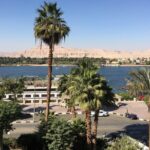
- Nile views plus ancient sights, so you’re not stuck inside for every hour.
- Guides named Mustafa and Ahmed are specifically praised for clear explanations and patience.
- Wi-Fi onboard most vehicles and on-site, plus a mobile ticket for easier day-of logistics.
Why a Luxor-to-Aswan cruise beats piecing it together
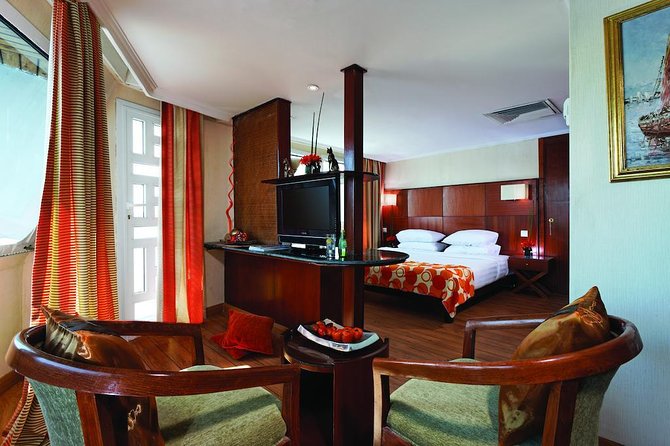
A Nile cruise is often sold as a “slow boat” experience. This one is better thought of as a smart way to stack highlights without handling the day-to-day logistics. You start in Luxor and work your way downriver in a tight timeline, which is ideal if you only have a few days in Egypt and want the big-hitters—Luxor Temple, Karnak, Valley of the Kings, and then the downstream temples at Edfu, Kom Ombo, and Philae.
The best value here is not just sleeping on a boat. It’s that the tour is structured so the entrances, transportation, and meals are already accounted for. You’re given an organized sequence of sites across both banks of the Nile, and the guide helps you make sense of what you’re seeing—down to names, reigns, and why certain layouts look the way they do.
One practical upside: the experience includes A/C vehicles for tours and all transfers in Luxor and Aswan. That reduces the friction of finding rides, negotiating costs, and hoping your timing matches your tickets.
You can also read our reviews of more boat tours in Luxor

Day 1: Luxor Temple, Karnak, and the Avenue of Sphinxes
Day 1 is all about arriving in Luxor and hitting the two central icons right away.
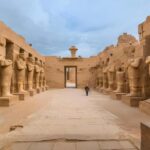
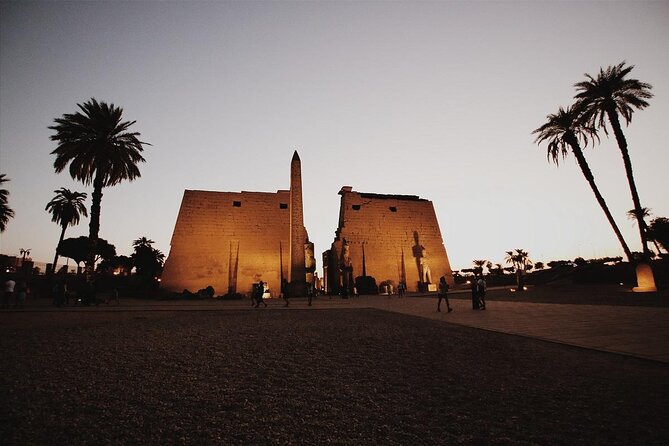
You begin at Luxor Temple, with time to walk its courtyard and see the granite statues of Ramses the Great. This is a site that works well even if you’re tired—because you can take it in step by step, and the scale hits you without needing a long hike.
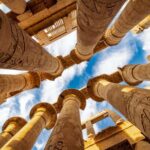
Next comes Karnak Temple Complex, where the sheer density of monuments is the point. You’ll follow the Avenue of Sphinxes, then pass the Unfinished Propylon before reaching the Hypostyle Hall with 134 gigantic columns. You also get to look for specific features tied to rulers, including the obelisks of Queen Hatshepsut and Tutomosis III, plus the Amon temple decorated with lotus and papyrus designs. The Sacred Lake and the Granite Scarabeus of Amenophis III round out the visit.
What I like about stacking Luxor Temple and Karnak on the first day: you get your bearings fast. Even if you don’t remember every name, you start to recognize the building patterns Egypt used—temples built for power, ceremonies, and the long run of dynasties.
A consideration: Karnak is big, and the best photos often mean you’re moving between wide open halls and darker interior spaces. Wear shoes you don’t mind getting dusty, and plan to take breaks when the heat presses.
Day 2: Valley of the Kings, Hatshepsut at Deir el-Bahari, and Colossi of Memnon
Day 2 is a heavy-hitter day on Luxor’s West Bank, where tombs and temples sit against the cliffs.
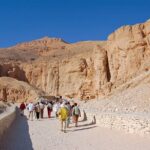
First up is the Valley of the Kings. The highlight here isn’t just seeing tombs—it’s understanding that you’re walking through the burial logic of multiple dynasties. You’ll have time for tomb visits, with admission included, and that makes the experience feel complete instead of “quick look and leave.”
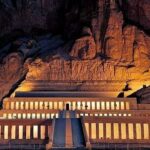
Then you head to Temple of Hatshepsut at Deir el-Bahari—often called the Djeser-Djeseru. This mortuary temple is built beneath the cliffs, and you’ll see why its terrace-style design still feels dramatic centuries later. It’s also a great pairing with the Valley of the Kings: burial sites on one side, and the pharaoh’s statement of legitimacy on the other.
You finish with the Colossi of Memnon—two massive stone statues of Pharaoh Amenhotep III. The stop is short, and admission is free, but it’s worth it because the stones are instantly recognizable. These statues give you a sense of how many structures were once part of a larger ceremonial complex.
The only caution I’ll add: this day tends to be intense in the morning-to-midday rhythm. If you’re prone to heat fatigue, bring water and pace yourself—don’t rush for photos. You’ll see more if you slow down.
Day 3: Edfu’s Temple of Horus and Kom Ombo’s double temple
On Day 3, the cruise starts to feel more like a real Nile journey—less “one town, one day,” and more moving through Egypt’s temple belt.
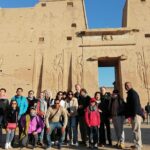
You visit the Temple of Horus in Edfu, with time to explore the temple complex. Even if you’re not a specialist in temple architecture, Edfu is approachable because it’s associated with the cult of Horus—one of the most important gods in Egyptian religion. The visit runs long enough to take in the layout rather than just stand at the entrance.
Then you move to Temple of Kom Ombo, known for being an unusual double temple. It was constructed in the Ptolemaic dynasty (with later Roman additions), and the building is essentially two temple spaces in one location. That makes the visit more interesting than many temples where everything feels uniformly dedicated to one primary focus.
What you’ll likely appreciate most on this day: the variety. Edfu gives you a strong, single-god temple experience. Kom Ombo shows you a different idea—temples as layered, evolving sites where history kept adding chapters.
If you’re the type who likes details, ask your guide to point out the differences in the two halves. It’s one of those moments where a little explanation makes the stones much more readable.
Day 4: Aswan High Dam and Philae Temple on the island
Day 4 turns from purely ancient monuments to the modern structures that shaped the Nile’s recent story.
First is Aswan High Dam. This isn’t an ancient temple stop, but it matters because it changed how the Nile behaves—and that affects everything from settlement patterns to how water is managed upstream. You get an hour for the visit, with admission included, so you’re not spending half the day on one thing.
Then you head to Philae (the Temple of Philae), located on an island in the reservoir area downstream. The setting is part of the experience: the temple complex was originally near the First Cataract, and it was moved/affected due to the reservoir changes. You’ll have time to explore the temple area, with admission included.
This pairing is a good reminder that Egypt’s “old world” and “new world” aren’t separate. Even if you came for ancient carvings, you’ll still leave with a clearer sense of how modern engineering reshaped the environment around those monuments.
One practical note: island temples often involve walking on uneven surfaces and around viewpoints. Good shoes matter here, and it’s smart to keep your water handy.
A few more Luxor tours and experiences worth a look




Day 5: Nubian Village optional stop and how to plan your final hours
Day 5 keeps things lighter with an optional Nubian Village visit. Since it’s labeled optional, you can decide based on your mood and energy level. The stop includes an admission ticket in the itinerary, and the time block is about two hours.
I like this setup because it gives you control at the end. After days of temples and museums, you may want a final cultural experience that’s more community-focused. If you’d rather save your energy, you can also treat this as the day to slow down and absorb what you’ve already seen.
If you do go, do it with a flexible mindset. Optional stops can vary in pace and expectations, and the best approach is to treat it as a chance to understand daily life rather than a checklist item.
On-board comfort: full board, snacks, Wi-Fi, and the food
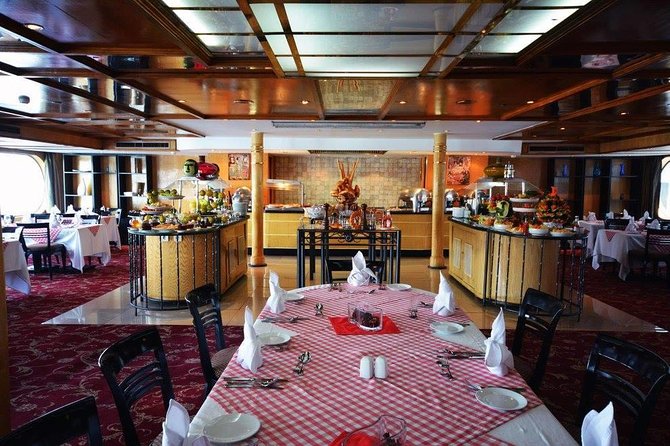
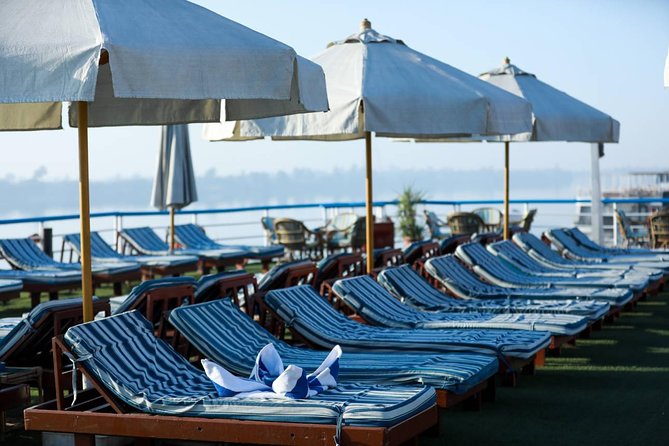
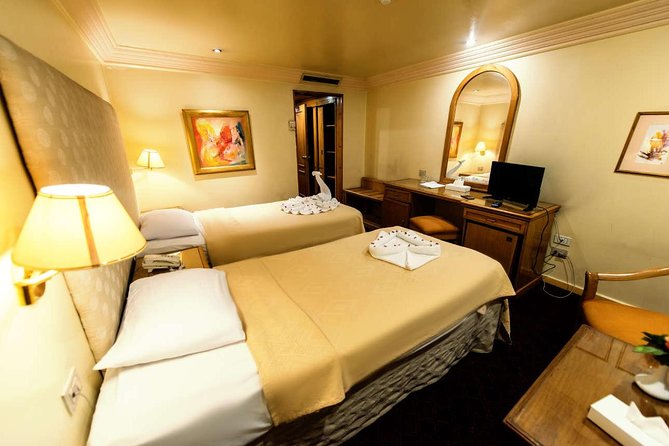
This trip includes 4 nights on board on a full-board basis, plus snacks and daily meals (breakfast, lunch, dinner are each included for all five days). That’s a big deal for value—Egypt can be expensive when you start buying meals separately, especially near major sights.
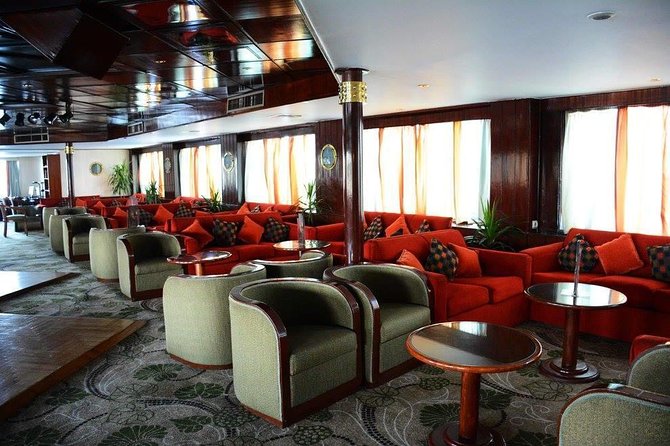
From past experience described in feedback, people appreciated that cabins felt spacious and comfortable, and that the on-board food was varied and enjoyable. Even if your cabin size varies by boat and category, the important point for you is that meals are planned into the schedule, so you’re not searching for food at the wrong time.
You’ll also have free Wi-Fi onboard most vehicles and a free Wi-Fi zone in the chosen hotels and Nile cruises. That helps with simple tasks—messaging, maps, and keeping your plans straight—without eating into your paid time.
If you’re the kind of person who needs an outlet or a quiet moment, it’s worth packing a small adapter and planning to use common quiet times before/after excursions.
The guides: the difference between seeing and understanding
The most praised part of this experience is the guiding. Names that come up in feedback include Mustafa and Ahmed, with multiple people calling out how inspiring the explanations felt and how patient the guides were.
This matters more than it sounds. Temple sites can easily turn into a blur if you only have time to look. With a good guide, you start connecting symbols to rulers, and rituals to what the temple rooms were designed to do. It’s the difference between walking past carved walls and actually reading what you’re looking at.
A practical tip: when your guide is explaining something specific—like a ruler linked to an obelisk or the role of a sanctuary—try to keep one or two key facts in your head as you walk. It turns the next photo into a memory, not just an image.
Price and what you should budget beyond $519.14
The price listed is $519.14 per person for the 5-day / 4-night experience. That can look straightforward, but the real value is in what’s inside the package.
Included:
- 4 nights accommodation full board
- All transfers in Luxor and Aswan
- A/C vehicle for tours/excursions
- Expert tour guide
- All taxes and services
- Sightseeing as scheduled
- Meals (5 breakfasts, 5 lunches, 5 dinners) plus snacks
- Admission tickets included for key sites on the itinerary
Not included:
- International airfare
- Egypt entry visa (they can provide you a visa upon arrival request)
- Drinks and personal expenses
- Tipping kitty
So what should you budget in real life? Drinks and tips. Also keep some room for personal items like bottled water if you run out, extra snacks, and any small shopping at ports.
And one more thing: there’s an optional Nubian Village component at the end. Because it’s optional, it can influence how you spend the final hours and any additional spending you might choose to do.
When a package includes entry tickets and meals, you end up with fewer surprise costs. For many people, that’s the difference between a good trip and a stressful one.
Timing and logistics that reduce stress (most of the time)
This tour starts at 10:00 am, which is a useful detail for planning your arrival day in Luxor. It also says they aim to return you two hours before your departure times based on cruise schedules, and that a backup coach is available if anything goes wrong.
That may sound like “operator stuff,” but it helps you relax. Egypt travel can throw curveballs, and a contingency plan is reassuring—especially when you’re connecting to departure times.
The group size is capped at a maximum of 50 travelers, and that’s big enough for a lively group but small enough to avoid feeling like a moving crowd.
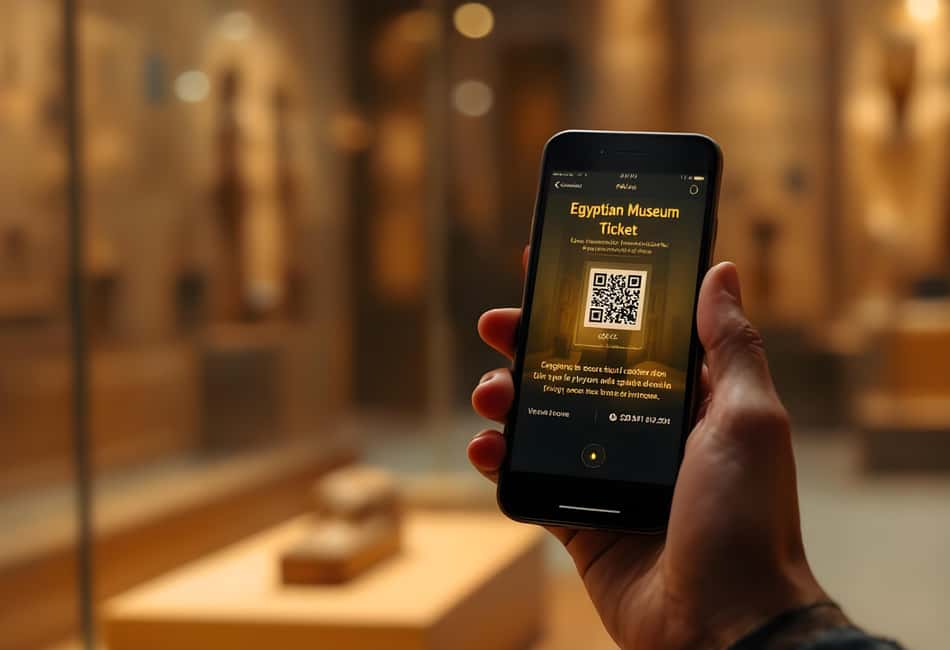
Also helpful: there’s a mobile ticket, and there’s free Wi-Fi on most vehicles plus Wi-Fi zones on board and in chosen hotels. In practice, that means you’re less likely to be stuck in confusion when you’re trying to coordinate times and meet-up points.
One thing to remember: you’ll still be on a schedule. If you like spontaneity, you’ll need to create your own small moments—like lingering at Karnak just a bit longer when your guide gives you breathing space.
Who this Nile cruise suits best
This is a great fit if you want:
- Major Luxor and Aswan temples without handling tickets, transfers, or timing
- A guided experience that helps you understand what you’re seeing
- Food included so you can focus on the day’s sights
- A manageable group size and A/C transportation
It may not fit as well if you:
- Want a lot of free time to wander alone for long stretches
- Dislike early starts and structured sightseeing blocks
- Prefer to pay everything separately so you can customize every stop
Should you book this Luxor Nile cruise?
Yes, if your priority is getting the best temple sequence with minimal logistical friction. The package value is strong because it bundles four nights, most key admissions, meals, and transfers into one price. Add in guides like Mustafa and Ahmed praised for clear, patient explanations, and you get a trip that’s more than just sitting on water with photos.
Book it if you want to maximize limited time in Egypt and you like having an organized plan. Skip it only if you’re allergic to structure or you want a mostly independent pace with lots of unscheduled hours.
If you do book, pack for heat, wear good walking shoes, and set aside a budget for drinks and tipping so the final bill doesn’t surprise you.
FAQ
How long is the Nile cruise?
It’s a 5-day trip with 4 nights on board.
Where does the tour start and what time?
The start time is 10:00 am, in the Luxor area.
What’s included in the price?
The tour includes 4 nights accommodation on a full-board basis, guided sightseeing, all transfers in Luxor and Aswan, A/C vehicle tours, an expert guide, Wi-Fi, snacks, and breakfast/lunch/dinner each day. Admission tickets are included for the listed sightseeing stops.
Are admission tickets included for the main attractions?
Yes. The itinerary lists admission tickets as included for Luxor Temple, Karnak, Valley of the Kings, Hatshepsut at Deir el-Bahari, Temple of Horus (Edfu), Temple of Kom Ombo, Aswan High Dam, and Temple of Philae. The Colossi of Memnon stop is marked free.
Is international airfare included?
No. International airfare is not included.
What about the Egypt entry visa?
Egypt entry visa is excluded, but the provider can provide a visa upon arrival if you request it.
Are drinks included with meals?
No. Drinks and personal expenses are excluded.
Is tipping included?
No. A tipping kitty is excluded.
Is the Nubian Village visit included, and do I have to do it?
The Nubian Village stop is optional. If you choose it, it’s included as an optional tour within the schedule.
Can I cancel and get a full refund?
Yes. Free cancellation is available up to 24 hours in advance for a full refund.