REVIEW · LUXOR
4 Days 3 Nights Nile Cruise Trip From Luxor to Aswan
Book on Viator →Operated by Egypt Gift Tours · Bookable on Viator
A Nile cruise changes the pace fast. This Luxor-to-Aswan trip combines 5-star ship comfort with an Egyptologist-led route through Karnak, Luxor’s temples, and the big West Bank sites. I love that it’s built around the river, so you get actual sailing time, not just check-the-box stops.
Two things I like a lot: the day-by-day guidance is tightly organized, and the ship includes full board meals so you’re not scrambling between excursions. The guide work is a standout too, with past groups getting very strong performances from Egyptology pros such as Ahmed and Mona (and Spanish-language guide Antar on some departures).
One thing to plan for: most of the major costs are not automatically included, especially entrance fees (plus drinks/water during meals) and tips. If you like zero-surprise pricing, you’ll want to budget for those upfront.
In This Review
- Key things that make this cruise worth your time
- Why a Luxor-to-Aswan cruise beats hopping between “just one more” sites
- Price and what’s actually included in the $778 per person value
- Day 1: Karnak and Luxor Temple, then checking in and getting comfortable
- Karnak Temple: the “how is this even real?” scale stop
- Luxor Temple: where the timeline gets messy (in a good way)
- Day 2: Valley of the Kings, Hatshepsut at Deir el Bahari, and Colossi photos
- Valley of the Kings: New Kingdom tombs in the mountains
- Deir el Bahari and Hatshepsut’s mortuary temple
- Colossi of Memnon: big statues, quick photo payoff
- Day 3: Edfu Temple by horse carriage, then Kom Ombo’s Horus and crocodile god
- Temple of Horus at Edfu with a horse carriage ride
- Sailing to Kom Ombo with tea time, then the double temple
- Day 4: Aswan High Dam and Philae Temple by motorboat
- Aswan High Dam: modern engineering in the middle of ancient Egypt
- Philae Temple: the Isis temple, reached by boat
- How the ship schedule actually feels: tea, deck time, and sailing changes
- Guide style, group size, and how to pick the right departure
- What to budget for beyond the tour price
- Who should book this cruise and who should skip it
- Should you book this Luxor to Aswan Nile cruise?
- FAQ
- What does the $778 price include?
- Are transfers and pickups included?
- Do I pay entrance fees for the sightseeing?
- Are drinks and Wi-Fi included on the cruise?
- Is the motorboat to Philae Temple included?
- Is free cancellation available?
Key things that make this cruise worth your time
- Full board on a 5-star ship means fewer decisions and more site time
- Egyptologist guide supports you through Luxor, Edfu, Kom Ombo, and Aswan
- West Bank classics: Valley of the Kings, Hatshepsut at Deir el Bahari, and Colossi of Memnon
- Edfu by horse carriage adds a small-but-fun local touch to the Horus temple visit
- Sailing moments built in: afternoon tea on the sundeck and crossing Esna Lock
- Evening entertainment on board, including a folklore show after Kom Ombo
Why a Luxor-to-Aswan cruise beats hopping between “just one more” sites
Luxor to Aswan is one of the most temple-dense routes in Egypt. Doing it the hard way usually means constant transfers, long drives, and tight time windows. On this cruise, the river acts like your schedule backbone.
The practical win is simple: after a museum-level morning, you return to the ship, eat, and decompress while you sail. You’re not fighting traffic or packing and unpacking every day. That matters even more if you’re visiting during hot months, because the ship gives you a real pause between outdoor sights.
I also like how the route mixes major monuments with a few “you’ll remember this” moments: tea on the sundeck, a folklore program onboard, and the feel of moving down the Nile instead of only seeing it from land.
You can also read our reviews of more boat tours in Luxor
Price and what’s actually included in the $778 per person value
At $778 per person for about 4 days and 3 nights, you’re paying for a bundle: ship nights + meals + transfers + guided touring. That bundle is where most of the value sits. Independent travel can be cheaper on paper, but you’d still pay for similar guide time, multiple transfers, and then the ship itself.
Here’s what’s included:
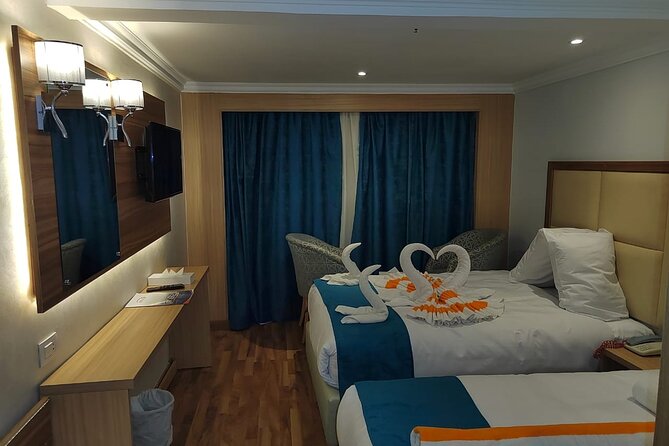
- 3 nights accommodation on a 5-star Nile cruise on a full board basis
- Breakfast, lunch, and dinner (3 each)
- All transfers, pick-up, and drop-off using an A/C vehicle
- Professional English-speaking Egyptology guide
- Mobile ticket and group travel on a maximum of 20 travelers
What’s not included (so you can budget without surprises):
- Entrance fees for the listed sights (you’ll pay by card for most)
- Drinks/water during meals
- Tipping for guide, drivers, and cruise crew
- Wi-Fi on the cruise (extra charge)
- Motorboat to Philae Temple
- Any personal expenses like laundry
There’s also a couple of paid add-ons related to hotel location:
- Picking you up from Luxor West Bank hotels adds $10 USD per person
- Dropping you at Aswan West Bank hotels adds $10 USD per person
One more practical note: you’ll want to confirm your exact pickup time, since hotel pickups can start before the standard time and timings can shift.
Day 1: Karnak and Luxor Temple, then checking in and getting comfortable
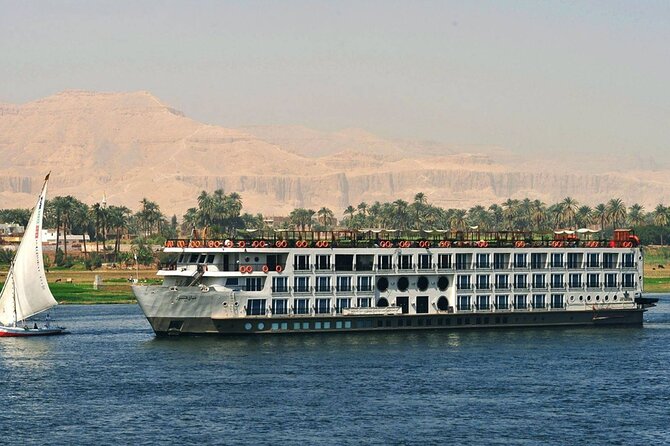
Your day begins with a transfer from your Luxor hotel, train station, or airport into the ship. There’s a smooth flow built in: check-in on the 5-star cruise happens before lunch, then you’ll eat and start touring.
Karnak Temple: the “how is this even real?” scale stop
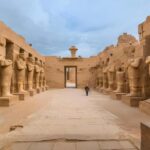
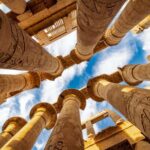
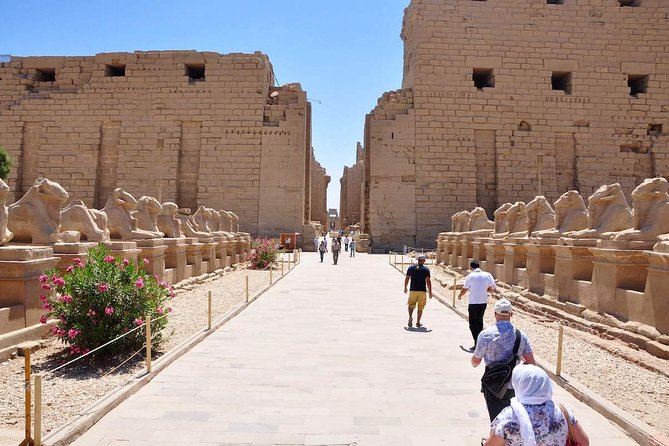
Karnak Temple is the largest temple complex, with centuries of building layered over about 2000 years. You’ll spend around 1 hour 30 minutes here.
The best way to enjoy Karnak is to go in ready to read the space. It’s not just one building—it’s a collection of monumental halls and gateways that make Egyptian religion feel physically huge. If you’ve seen photos, you’ll still be surprised by the scale in person.
Drawback to watch: Karnak is a long-walk kind of site. Comfortable shoes and water planning help a lot, especially when the sun is up.
Luxor Temple: where the timeline gets messy (in a good way)
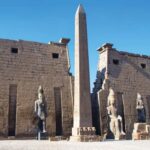
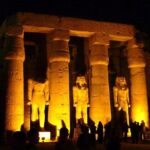
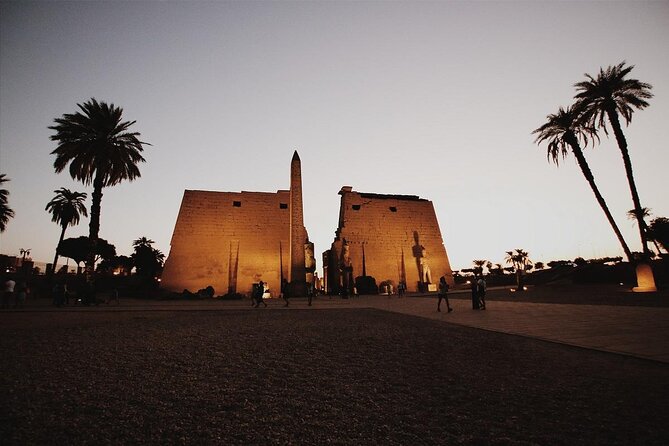
After Karnak, you go to Luxor Temple for about 1 hour. This is a fascinating stop because it shows ancient Egyptian, Christian, and Islamic features in the same area, plus the famous obelisk and statues.
Then you head back to the cruise for dinner onboard and overnight.
A useful operational detail: if your arrival is early, the tour may start right away because cruise check-in is at 12:00. That’s good planning. You won’t waste hours waiting in a lobby while you could be seeing history.
A few more Luxor tours and experiences worth a look



Day 2: Valley of the Kings, Hatshepsut at Deir el Bahari, and Colossi photos
Day two is the West Bank day, and it’s the classic reason most people choose this route. You’ll drive to the Theban Necropolis and hit three major stops.
Valley of the Kings: New Kingdom tombs in the mountains
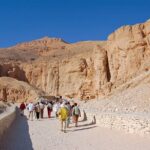
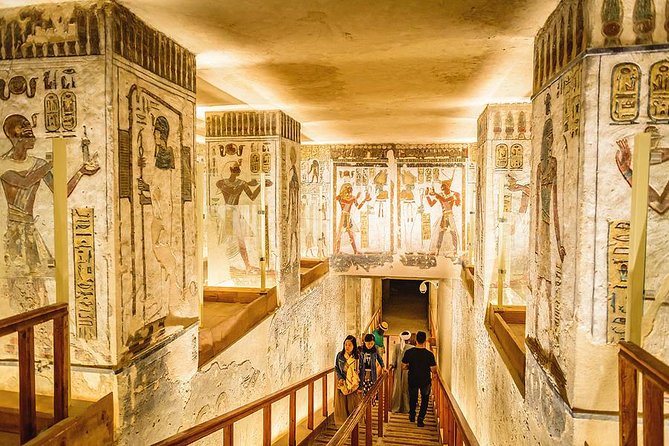
Breakfast is on the ship, then you’ll head to the Valley of the Kings for about 1 hour 30 minutes. This is where pharaohs of the New Kingdom carved tombs into the mountains to hide treasure and protect the mummies.
A key practical point: the visit is time-limited here, so you should decide what you want most. If you’re hoping for a very slow, detailed museum-style walk, you might wish you had more time. But if you want a strong overview plus a sense of the burial landscape, the timing works well.
Deir el Bahari and Hatshepsut’s mortuary temple
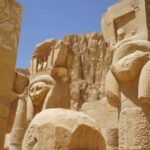
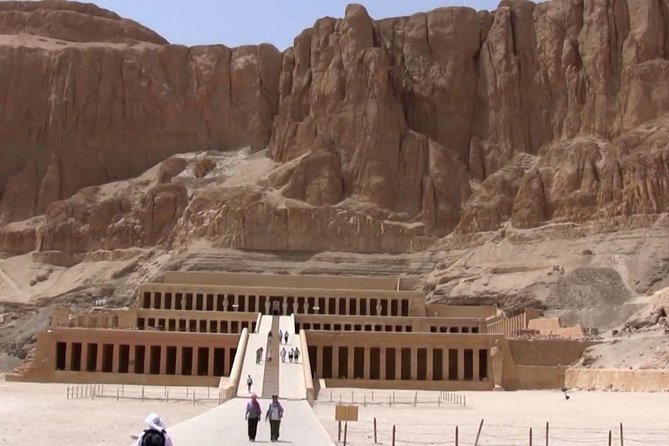
Next is the mortuary temple of Queen Hatshepsut at El Deir El Bahari, about 1 hour. This is one of those sites where story and architecture lock together. Hatshepsut ruled for 22 years—heavily male-coded in Egyptian history narratives—and the temple helps explain why her legacy lasted.
This stop tends to reward people who like context. A good guide will point out the details that make it feel like more than a pretty ruin.
Colossi of Memnon: big statues, quick photo payoff
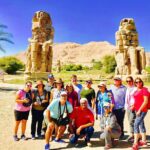
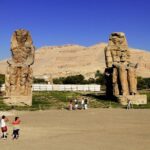
You finish with a photo stop at the Colossi of Memnon. These enormous statues were once part of a larger funeral temple built by Amenhotep III in the 18th dynasty.
Then you return to the cruise by noon for lunch. Sailing begins in the afternoon, with afternoon tea on the sundeck, and you’ll also cross Esna Lock as part of the river day.
If you’re the type who likes getting outside early, morning is when the West Bank is hardest to beat. If you’re sensitive to heat, plan for sun control and keep your pace steady.
Day 3: Edfu Temple by horse carriage, then Kom Ombo’s Horus and crocodile god
Day three keeps the energy high while shifting the scene from Luxor’s West Bank to Middle Egypt’s temple circuit.
Temple of Horus at Edfu with a horse carriage ride
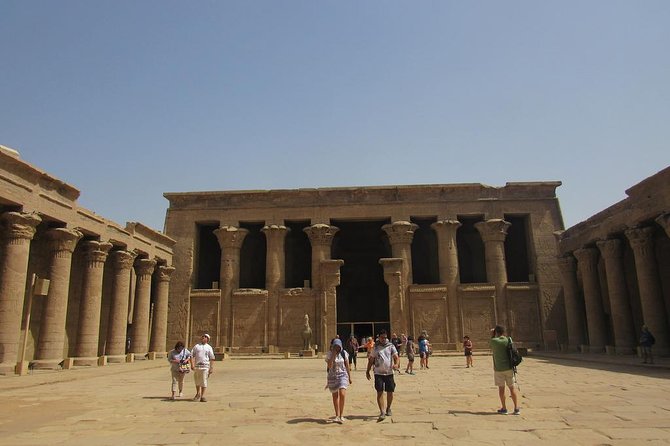
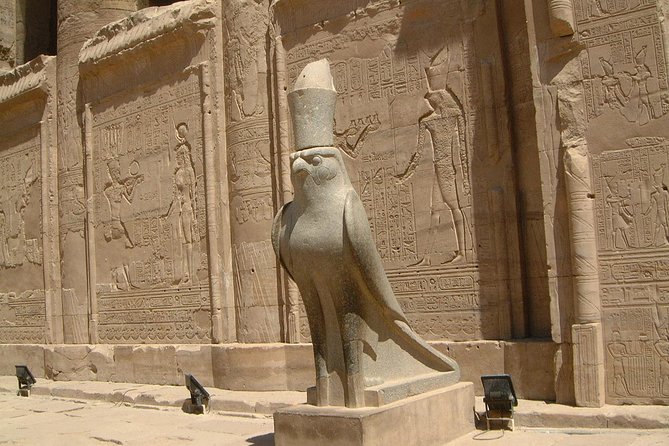
After breakfast, you’ll take a horse carriage ride with your guide to the Temple of Horus at Edfu. This temple is known as one of the most complete and best preserved in Egypt, and you’ll spend about 2 hours here.
The carriage adds a local flavor, but it also adds a small “logistics reality” factor. You’ll want to be ready for the transfer process and keep your expectations flexible if the ride timing feels a bit different from what you imagined.
The payoff is that Edfu often feels more readable than many ruins. With the guide support, you’re not just staring at columns—you’re understanding the temple’s logic.
Sailing to Kom Ombo with tea time, then the double temple
Once you’re back on the ship, you relax while sailing toward Kom Ombo. Lunch is onboard, followed by afternoon tea on the sundeck.
When you arrive, you visit Kom Ombo Temple in the late afternoon. This is the famous double temple dedicated to:
- Sobek, the crocodile god
- Horus, the falcon god
You’ll have dinner onboard, then a folkloric party operated by the cruise staff and tour guides. After that entertainment, you continue sailing to Aswan and overnight there.
What I like here is the tonal shift. You go from carved stone and iconography to music and performance. It’s a break that doesn’t feel like a separate tourist activity—it feels like part of the cruise rhythm.
Day 4: Aswan High Dam and Philae Temple by motorboat
On your last morning, you’ll check out with your luggage. Then you set off with your guide to see Aswan’s highlights and hear a story about Nubian immigration.
Aswan High Dam: modern engineering in the middle of ancient Egypt
The Aswan High Dam stop takes about 45 minutes. It was completed in 1960 and is tied to flood protection and electricity generation.
This is a smart inclusion because it shows how Egypt’s relationship with the Nile isn’t only ancient. The dam is part of how life works now, which helps you understand why this region mattered for centuries.
Philae Temple: the Isis temple, reached by boat
After the dam, you’ll head to Philae Temple, dedicated to goddess Isis. You’ll use a small motorboat to reach the temple (the motorboat cost is specifically noted as not included), and the on-site time is about 1 hour 30 minutes.
Then the tour ends with comfort transfers to Aswan Airport, train station, or hotel (east bank options are supported by default). If you want west bank hotels, there’s an extra $10 USD per person option.
Practical note: because the motorboat isn’t included, keep a little buffer for that final-day add-on. It’s usually not the kind of thing you want to argue about at the dock when you’re tired from the prior days of touring.
How the ship schedule actually feels: tea, deck time, and sailing changes
A cruise like this can work in two ways: either you feel rushed because the schedule is tight, or you feel like the ship is giving you breathing space. This one aims for the second option.
You’ll have sailing time built into the route, including:
- Afternoon tea on the sundeck (Day 2 and Day 3)
- A river move from Luxor down toward Esna Lock (Day 2)
- Time to watch Nile scenery while heading toward Kom Ombo (Day 3)
There’s also a real-world flexibility statement you should take seriously: sailing conditions on the Nile can change the order of stops or sailing times. They assure you’ll still see what’s on the itinerary, just not always in the same sequence.
In practice, that means you should pack your expectations around the sites rather than exact clock times. If you’re the type who hates changes, build calm into your plan.
Guide style, group size, and how to pick the right departure
The experience is capped at a maximum of 20 travelers, which is a big deal. In crowded Egypt, small group size can mean shorter bottlenecks at entrances and less waiting around.
The guide is English-speaking by default, and other languages are available with an extra charge. Based on past experiences tied to specific guide names, Egyptology guides like Ahmed, Mona, and Antar have been praised for their humor and clear explanations, including a Spanish-led option with Antar.
That matters more than it sounds. Temples can feel like stone shapes until someone gives you a map in your head. With the right guide, you’re not just visiting—you’re connecting what you’re seeing.
Also watch for the horse carriage timing. It’s not a massive activity, but you’ll want to be comfortable with a short ride as part of getting to the Edfu temple.
What to budget for beyond the tour price
To keep this trip comfortable, I recommend you assume extra spending for these items:
- Entrance fees for the listed sights (paid by card, with exceptions noted for High Dam and the Philae motorboat)
- Drinks and water during meals
- Tips for guide, drivers, and cruise crew
- Wi-Fi if you need it (extra charge)
- Motorboat to Philae
- Optional pickup/drop-off adjustments for west bank locations in Luxor/Aswan
This is also where the value math comes in. The $778 price is strong when you compare it to what you’d pay if you had to line up a similar guide + transfers + ship nights yourself. It’s weaker if you plan to ignore entrances and tips, because those are where costs will appear later.
Who should book this cruise and who should skip it
This cruise is a great fit if you:
- Want a high-coverage Luxor to Aswan route without constant logistics
- Appreciate an Egyptologist guide who can connect the dots
- Like the river pace and will use the ship time for rest and views
- Are okay with paying entrance fees and tipping as part of the real Egypt travel experience
You might want to reconsider if you:
- Hate extra costs that arrive after booking
- Expect Wi-Fi to be included
- Need very long, unhurried time inside each tomb or temple area
If your travel style is “see it all, guided, with meals handled,” this fits.
Should you book this Luxor to Aswan Nile cruise?
Yes, if you want a practical, organized way to see the big Luxor-to-Aswan highlights without turning your vacation into a transfer spreadsheet. The price works because you’re buying guided touring, transfers, and 3 nights with meals—the parts that usually cost time and energy when done alone.
Book it especially if you care about understanding what you’re seeing. This route isn’t only about walking through temples; it’s about having a guide talk you through why each site matters.
Just go in with a small budget buffer for entrances, drinks, tips, and the Philae motorboat, and you’ll have a smoother trip.
FAQ
What does the $778 price include?
It includes 3 nights on a 5-star Nile cruise on a full board basis, with breakfast, lunch, and dinner. It also includes all transfers by A/C vehicle and a professional English-speaking Egyptology guide, plus a mobile ticket.
Are transfers and pickups included?
Yes. All transfers, pickup, and drop-off are included by A/C vehicle. There are also optional extras for picking you up from Luxor West Bank hotels ($10 per person) and for transferring you to Aswan West Bank hotels ($10 per person).
Do I pay entrance fees for the sightseeing?
Entrance fees are not included for the sights listed in the schedule. You’ll need to pay entrance fees to the sightseeing mentioned, by card, with specific notes that the High Dam and the motorboat to Philae Temple are not handled the same way.
Are drinks and Wi-Fi included on the cruise?
Water or drinks during meals are not included. Wi-Fi on the cruise is also not included and is available for an extra charge.
Is the motorboat to Philae Temple included?
No. The motorboat to Philae Temple is listed as not included.
Is free cancellation available?
Yes. You can cancel for a full refund up to 24 hours in advance. If you cancel less than 24 hours before the experience starts, you won’t receive a refund.