REVIEW · LUXOR
Private Tour: Luxor West Bank, Valley of the Kings and Hatshepsut Temple
Book on Viator →Operated by South Sinai Travel · Bookable on Viator
That first rock-cut doorway feeling is unbeatable. On this private West Bank tour from Luxor, you get an Egyptologist to translate the story behind the carved walls in the Valley of the Kings, then you switch gears to the dramatic terraces of Hatshepsut’s Temple. I especially love the early start (less heat, better light) and the fact that you’re not rushing—your guide explains what you’re about to see before you step into the tombs. The one thing to watch: there’s an optional stop at an alabaster workshop, and it can feel like sales pressure if you don’t want souvenirs.
I also like that the tour is built for clarity. You’ll visit the West Bank sites by air-conditioned minivan with pickup and drop-off from central Luxor, and you’ll have time to explore Hatshepsut’s temple grounds at your own pace. In tours like this, guides such as Yolanda or Ahmad are often the ones leading the storytelling, and that makes a real difference when you’re standing in front of centuries-old rock art.
One more consideration: the highlights are short but intense. You’ll see three tombs in the Valley of the Kings, plus Hatshepsut and a quick stop for the Colossi of Memnon—so if you want a slow, photo-heavy day with lots of extra stops, you may feel a bit “time-boxed” within the roughly four-hour schedule.
In This Review
- Key points before you go
- A West Bank morning that feels smarter than a later start
- Valley of the Kings: how the tomb visit actually works
- The optional King Tutankhamun add-on
- Getting more out of the tomb interiors without a “hard sell”
- Temple of Hatshepsut at Deir el-Bahari: time to wander the terraces
- Colossi of Memnon: the quick photo stop that still has payoff
- Transportation, timing, and what “four hours” feels like
- Price and value: what you’re paying for at $107.88
- The alabaster factory stop: souvenir time or sales moment?
- What kind of traveler will love this tour most?
- Should you book this Luxor West Bank private tour?
- FAQ
- How long is the private Luxor West Bank tour?
- What time does the tour start?
- Does the tour include pickup and drop-off?
- Which sites are included?
- Is there an extra cost to visit King Tutankhamun’s tomb?
- Are photos allowed inside the tombs?
- What about food, drinks, and language options?
Key points before you go
- Private Egyptologist attention focused on what you’re about to see, not generic recitations
- Morning departure (7:00 am) to dodge the harshest afternoon desert heat
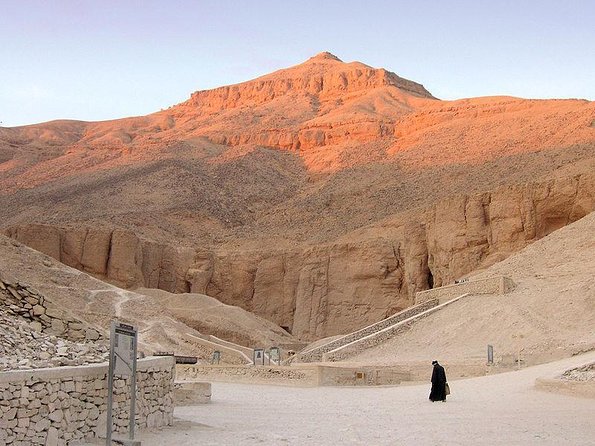
- Valley of the Kings with 3 tombs, plus an optional add-on for Tutankhamun’s tomb at extra cost
- Hatshepsut Temple at Deir el-Bahari with real free time to wander the courtyards and terraces
- Colossi of Memnon photo stop with Roman-era graffiti to spot
- Optional alabaster factory visit that can be great—or a sales moment
A West Bank morning that feels smarter than a later start
Luxor’s West Bank can fry your brain if you’re out in the sun too long. This tour starts around 7:00 am, which matters more than it sounds. Early means you’re walking in cooler conditions, and you’ll often get better comfort for the Valley of the Kings corridors and the bright white stone at Hatshepsut’s temple.
The other smart part is the private format. You’re not trapped behind a slow-moving group, and you can ask questions as you go. Your Egyptologist guide can also adjust the flow if you have specific interests—like focusing more on royal burial traditions or spending extra time on Hatshepsut’s story once you’re at Deir el-Bahari.
And yes, you still get the big landmarks, but the pacing feels more human: brief visitor-center orientation at the Valley of the Kings, then into the tombs, then straight to the temple terraces.
You can also read our reviews of more private tours in Luxor
Valley of the Kings: how the tomb visit actually works
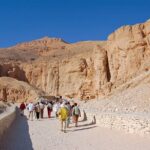
The Valley of the Kings is the kind of place where a few minutes can feel like a whole lesson. You cross to the West Bank, then you’ll get a short stop at the visitor center before you head into the mountain-cut burial area. It’s useful because it gets you oriented before you descend into the decorated chambers.
Here’s the key rule that shapes the experience: guides aren’t permitted inside the tombs. That sounds like a downside, but it’s actually built into how this tour runs. Your Egyptologist will describe what to look for before you go in, so when you’re standing there, you know what you’re seeing—hieroglyphs, painted walls, and the kinds of details that connect the tombs to the afterlife beliefs of the pharaohs.
On this tour, you’ll visit three tombs. That’s a solid number for a four-hour day. It’s enough variety that you notice differences in decoration and layout, but you’re not so exhausted that everything turns into “more rock corridors.” If you love art history, you can treat each tomb like a mini stop with a clear focus: one chamber for the story elements, one for inscriptions, one for overall design.
The optional King Tutankhamun add-on
You can also choose to add King Tutankhamun’s tomb, but it costs extra and is paid on-site. If that’s the reason you’re coming to Luxor West Bank, this tour can still fit your priorities well—you just plan for the add-on time and the extra ticket cost.
One practical detail: photos aren’t allowed inside the tombs. If you like to document everything, switch your mindset. Use notes and memory here. Outside in the open courtyards and at the photo stops, you’ll have chances to take pictures.
Getting more out of the tomb interiors without a “hard sell”
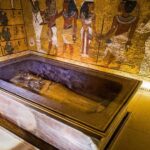
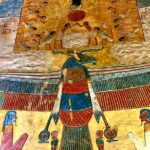
The Valley of the Kings looks dramatic from outside, but it’s the interior decoration that really stops you. The corridor walls and chambers are described as hieroglyph-covered and painted, and the feeling is very different once you step into the dim, carved spaces.
Since the guide can’t enter the tomb with you, your value comes from the prep work. I like tours where the explanation happens first, because it turns the tombs from random walls into something you can read. You’ll walk through those hieroglyph-filled passages and painted rooms with a basic map in your head—what the scenes are trying to communicate and why they matter to royal burial.
There’s also an advantage to this being private: if something catches your eye—say a particular section of text or a specific painted motif—you can ask your guide about it afterward. That keeps the experience from becoming a one-way “follow the leader” routine.
If you’re sensitive to tight spaces or low light, go slowly once you enter each chamber. The tombs are carved and narrow, and it’s easy to rush when you’re excited. Pace yourself so you can actually absorb what you’re seeing.
Temple of Hatshepsut at Deir el-Bahari: time to wander the terraces
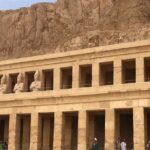
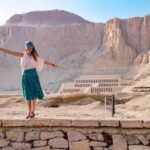
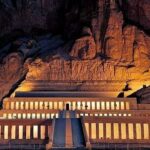
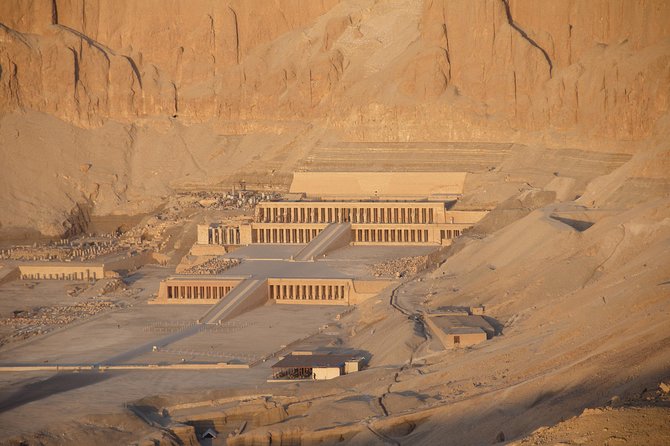
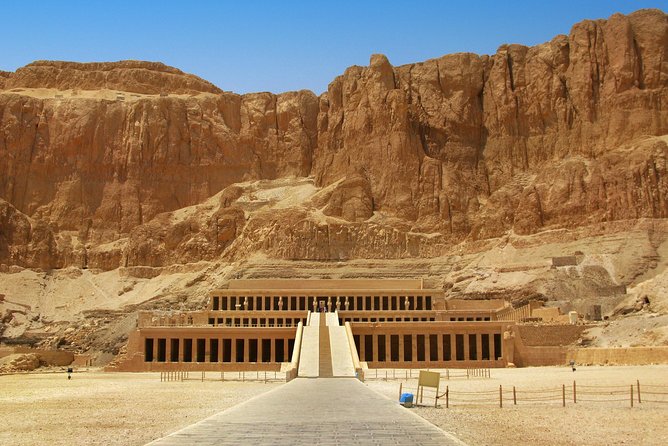
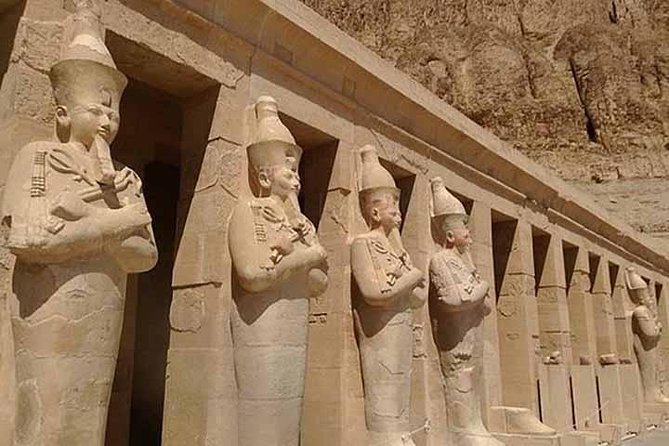
After the Valley of the Kings, the change in scenery hits fast. You go from carved, enclosed burial space to the bright, geometric sweep of Deir el-Bahari, where Hatshepsut’s Temple clings to the cliffside with its courtyards and terraces.
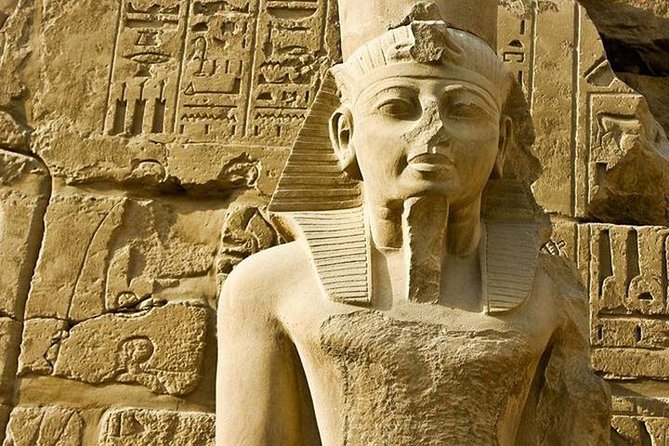
Your guide will explain who Queen Hatshepsut was—Egypt’s first female ruler—and why her reign matters in the wider story of pharaonic power. Even if you’ve read a little before, you’ll get more out of it standing right there, because the temple design and inscriptions are doing the work of memory: it’s a monument that carries the message forward.
This is one of the best parts of the tour for your own enjoyment: you get free time to explore. That means you can:
- slow down at the courtyards,
- scan the terraces level by level,
- and linger over the statues and hieroglyphics without feeling like someone is watching the clock.
A small but important tip from experience on similar visits: the stone can be very bright. Bring sunglasses. One reason people enjoy Hatshepsut more than they expect is that the setting is visually intense, and glare can make the carvings harder to see.


Colossi of Memnon: the quick photo stop that still has payoff
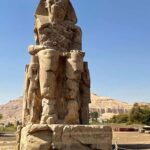
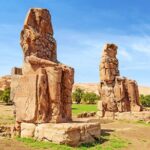
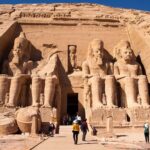
The Colossi of Memnon are the kind of landmark that makes you stop mid-sentence. These are two massive statues of Pharaoh Amenhotep III, and while the funerary temple around them is gone, the figures still dominate the landscape.
This portion of the tour is shorter—more of a photo stop than a full site visit. Still, it’s a worthwhile moment because you get a quick sense of scale and the location’s long timeline.
Your guide will share the stories and legends surrounding the statues, and here’s a detail that’s easy to miss if you’re not told: you can inspect Roman-era graffiti engraved in the stone. That’s a neat reminder that ancient places don’t stay “museum-only.” They keep getting revisited, re-used, and reinterpreted long after the original builders are gone.
Transportation, timing, and what “four hours” feels like
This is a 4-hour private tour using an air-conditioned minivan. The timing is built around the big outdoor heat issue on the West Bank, and the order makes sense: tombs first, then Hatshepsut, then Colossi.
The itinerary includes:
- a West Bank arrival with a visitor center pause,
- Valley of the Kings with three tombs and an optional add-on for Tutankhamun,
- Hatshepsut’s Temple with a longer exploration window,
- and a brief Colossi of Memnon stop.
Does four hours feel tight? If you’re the type who likes to linger and take lots of photos in every chamber, yes, it can feel brisk. But if you want the major highlights without turning the day into a marathon, it’s a strong length. Also, because it’s private, you’re less likely to lose time to waiting on a big group.
Price and value: what you’re paying for at $107.88
At $107.88 per person, the headline price is just the start. The value comes from three things you don’t get in cheaper, bus-style tours: private Egyptologist guidance, hotel/port pickup and drop-off, and air-conditioned private transportation.
You’re basically paying for:
- interpretation (what you’re looking at and why it matters),
- convenience (no self-coordinating across the West Bank),
- and efficient time use (morning start, clear site sequence).
There are a couple of cost items to keep in mind:
- Tutankhamun’s tomb is extra.
- Colossi of Memnon admission isn’t included.
- Food and drinks aren’t included unless specified.
- There can be a language supplement: a 1000 L.E supplement applies to all languages except the English language guide.
If you’re traveling as a couple or small group, private often ends up feeling like the right deal—because the guide’s attention is the main “luxury” you’re buying.
The alabaster factory stop: souvenir time or sales moment?
Many Luxor West Bank tours include some kind of workshop or factory stop. On this one, you may have the chance to visit an alabaster factory, with the option to purchase hand-cut pieces.
This can be a fun, quick look at how local materials are turned into souvenirs. One caution though: the “factory stop” style can lean hard toward selling. If you know you don’t want to buy, go in with a calm plan: browse, ask a couple questions, and leave when you’re ready. You’re not obligated to spend just because you’re standing in a showroom.
What kind of traveler will love this tour most?
This tour fits best if you:
- want a focused West Bank day with the main hits,
- like learning from an Egyptologist rather than scanning guideboards,
- prefer private pacing over big-group logistics,
- and want a morning schedule that avoids the worst heat.
It’s also a good match for first-timers to Luxor who feel overwhelmed by options. With Valley of the Kings + Hatshepsut’s Temple + Colossi of Memnon in one tight package, you’ll leave with a coherent sense of how the West Bank worked as a royal and ritual landscape.
If you already know you want to spend half a day in one tomb complex, or you want tons of extra sites beyond these three, you might want a longer option. Four hours is designed for “big highlights with good guidance,” not endless wandering.
Should you book this Luxor West Bank private tour?
I’d book it if your goal is to see the Valley of the Kings and Hatshepsut without wasting time figuring out logistics, and if you care about having someone explain what you’re looking at before you go inside. The morning start, the private Egyptologist format, and the included tomb visits make it a strong value for a first Luxor West Bank trip.
You might skip or adjust your expectations if you hate any chance of being pulled into souvenir selling. The alabaster stop is optional, but it’s part of the flow. If you’re strict about not buying, set that boundary early and treat it like a quick cultural stop.
Overall, this is the kind of tour where you walk away with more than photos. You’ll understand what you saw—and that’s what makes the West Bank click.
FAQ
How long is the private Luxor West Bank tour?
It runs for about 4 hours.
What time does the tour start?
The start time is 7:00 am.
Does the tour include pickup and drop-off?
Yes. You can get pickup and drop-off from central Luxor hotels or the river port.
Which sites are included?
You’ll visit the Valley of the Kings (with visits of 3 tombs), the Temple of Queen Hatshepsut, and you’ll stop at the Colossi of Memnon for photos.
Is there an extra cost to visit King Tutankhamun’s tomb?
Yes. Access to the tomb of Tutankhamun requires an additional ticket paid directly on site.
Are photos allowed inside the tombs?
No. No photos are allowed inside the tombs.
What about food, drinks, and language options?
Food and drinks aren’t included unless specified. The tour includes Egyptologist languages in the pricing such as English and French—and there may be a 1000 L.E. supplement for languages other than English.
If you want, tell me your group size and your travel month, and I’ll help you decide whether four hours is perfect or whether you should look for a longer West Bank option.