REVIEW · LUXOR
Luxor Day Tour: Explore Valley of Kings, Queens, Hatshepsut& More
Book on Viator →Operated by Eternal Egypt Tours · Bookable on Viator
Ancient tombs and living artisans in one day. That’s the real hook here: a full West Bank sweep with a private Egyptologist guide and air-conditioned pickup, so you can focus on the places instead of logistics. I also love the built-in help for tomb choices, since some sites need extra tickets and not every tomb is equally worth your time. One consideration: admission tickets aren’t included, so you’ll still budget for entry and decide on the tombs you want.
Over 7 to 10 hours, you’ll move through the big-name royal sites and the “how it was made” human story of Luxor’s West Bank. The route is packed, but it’s paced with breaks and photo time, which matters when the sun is strong.
If you care about Egypt beyond the postcard views, this kind of day hits the right balance of scale, story, and hands-on guidance. Just go in with the expectation of walking and heat, and you’ll have a much better time.
In This Review
- Key highlights worth planning for
- West Bank Day Tour: how 7 to 10 hours really works
- Price and logistics: why $10 can still be a good deal
- Valley of the Kings: how to handle tomb tickets and time
- Hatshepsut at Deir el-Bahari: why the temple looks the way it does
- Colossi of Memnon: the 30-minute giant-stop
- Queens and Nobles: Nefertari plus the Book of the Dead corridors
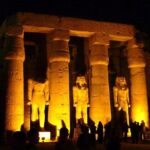
- Medinet Habu with Ramses III: where Amun meets the economy
- Deir el-Medina artisan village: the people behind the royal tombs
- Egyptologist guide impact: what good guidance looks like
- What to bring so the day feels easy
- Who should book this Luxor West Bank tour
- Should you book this Luxor West Bank tour?
- FAQ
- How much does the Luxor day tour cost?
- How long is the tour?
- What’s included in the price?
- Are admission tickets included?
- Is the tour private?
- Is pickup from my hotel included?
- Do I have to tip?
- Is lunch provided?
- What if weather is bad?
- What’s the cancellation window for a full refund?
Key highlights worth planning for
- Private Egyptologist guiding your tomb choices so you don’t waste extra ticket money
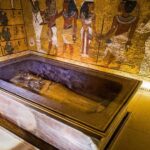
- Valley of the Kings with time focused on major tombs, including Tutankhamun’s resting place
- Hatshepsut at Deir el-Bahari plus context on damage caused by Tutmosis III and why it matters
- Medinet Habu tied to Ramses III and the god Amun, with time to explore at your own pace
- Deir el-Medina artisan village for the people behind the royal tombs, not just the monuments
West Bank Day Tour: how 7 to 10 hours really works
This is a one-day West Bank circuit, built to cover Luxor’s most important memorial sites without bouncing all over town. You’ll typically start with hotel pickup, then ride in a modern A/C vehicle between monuments. That transport detail matters because the heat can turn “a short walk” into “why did I wear these shoes?”
The timing is practical: each major stop gets a dedicated block, with enough structure to see the highlights and still enough breathing room to absorb what you’re looking at. You’ll also have the flexibility to move through sites with your guide’s input rather than feeling dragged from doorway to doorway.
You can also read our reviews of more tours and experiences in Luxor.

Price and logistics: why $10 can still be a good deal
The headline price is $10 per person, which is low for a private-guided day that includes pickup, A/C transfers, and a private Egyptologist guide. The catch is the trade-off you’ll need to plan for: admission tickets are not included, and that’s where your total cost will rise.
Here’s the smarter way to think about value:
- You’re paying for the guide’s time, coordination, and “what’s worth it” decision-making.
- You pay site entry separately, based on which tombs and temples you choose to go inside.
Also, tipping is optional. So you’re not pressured to add money just to make the day work; you can tip based on service and what you feel is fair.
A small bonus: you get a water bottle, and lunch is available only if you select the option that includes entry plus lunch.
Valley of the Kings: how to handle tomb tickets and time
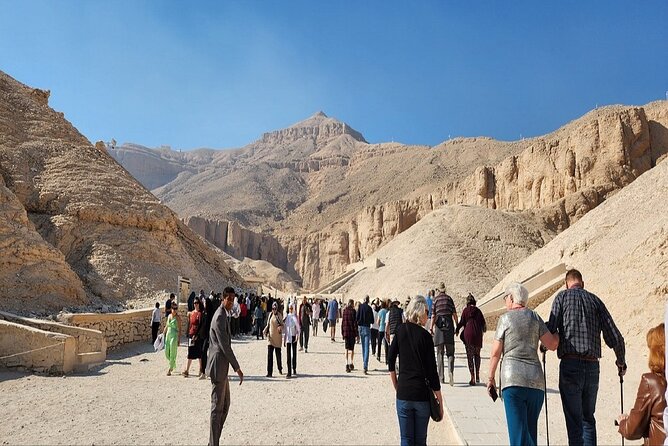
This is the star of the West Bank for a reason. You’ll spend about two hours in the Valley of the Kings, where royal burials and nobles’ tombs sit under a desert sky of stone and silence. The time block is long enough to see major decorated interiors, not just stand in line and rush out.
You’ll also get guidance on tomb choices, and that’s huge. Some tombs are ticket upgrades that can be worth it, while others may feel repetitive if you’re short on energy or time. Several guides connected with this route are known for helping you pick tombs that match what you care about—wall art, key scenes, or architectural layout—so you don’t overspend.
Plan for this reality: tomb interiors can feel dim and cool compared to outside, but you’ll still be walking, climbing steps, and moving through tight spaces. Wear comfortable shoes and keep water and sun protection ready for the gaps between tombs.
What you’re likely to see here
- A focused selection of tombs within the valley, including the famous resting place of Tutankhamun
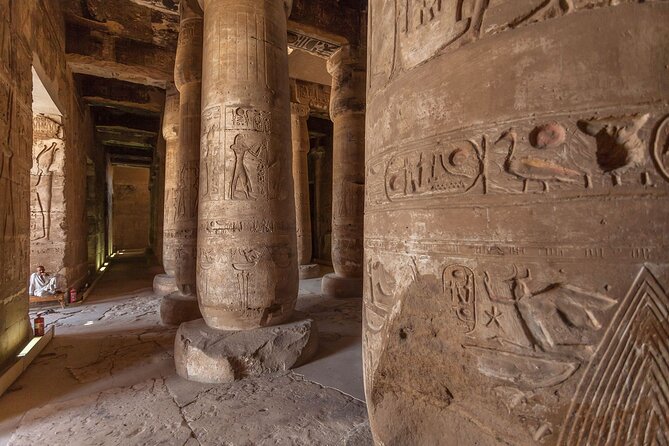
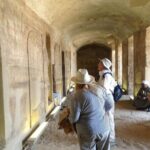
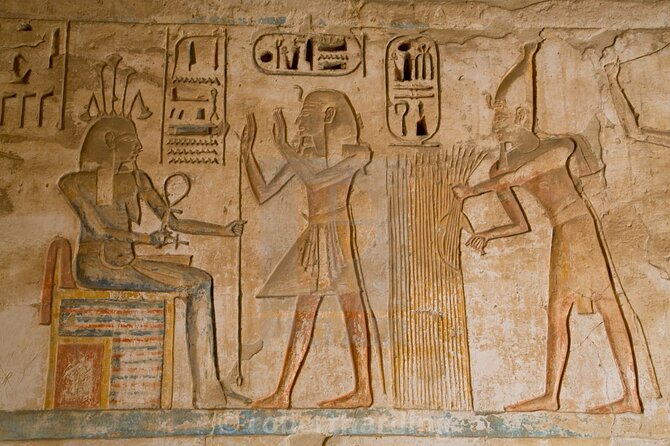
- Wall scenes and hieroglyphs that explain beliefs about funerary rites and the afterlife
Admission tickets for tombs aren’t included, so your guide’s advice on which tombs deserve the extra entry can save you money and time.
Hatshepsut at Deir el-Bahari: why the temple looks the way it does
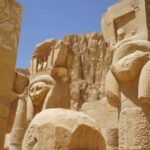
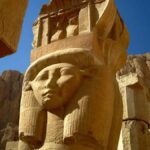
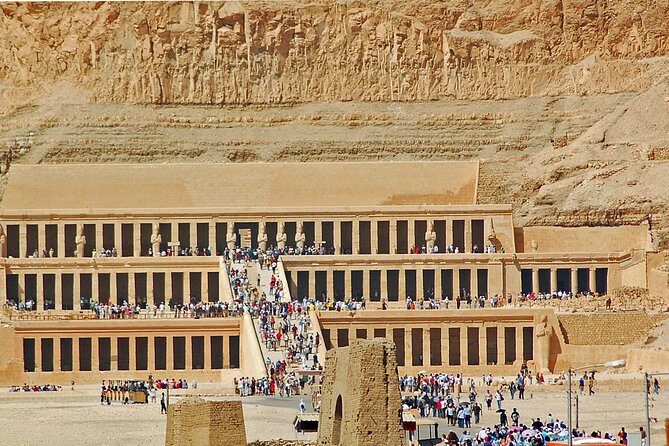
Next up is the Temple of Hatshepsut at Deir el-Bahari, a dramatic cliffside site that turns a history lesson into something you can see with your own eyes. You’ll have around two hours here, which is just enough time to understand how the place was built to communicate power, piety, and legitimacy.
The key detail you shouldn’t miss: your guide will explain that parts of the temple were intentionally damaged by Tutmosis III to erase her legacy. That’s not just trivia. It changes how you read the surviving scenes and how you understand the political message carved into stone.
If you like context, this stop is a highlight because it connects architecture to power struggles. You’ll be walking a real monument, not just reading about one.
Photo tip you can actually use: ask your guide about where to stand for the best view of the temple geometry before you start moving through smaller spaces. Some guides on this route also share quick pointers for photo framing.
Colossi of Memnon: the 30-minute giant-stop
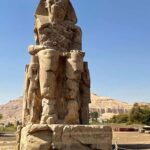
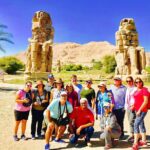
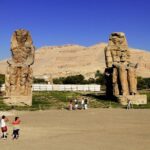
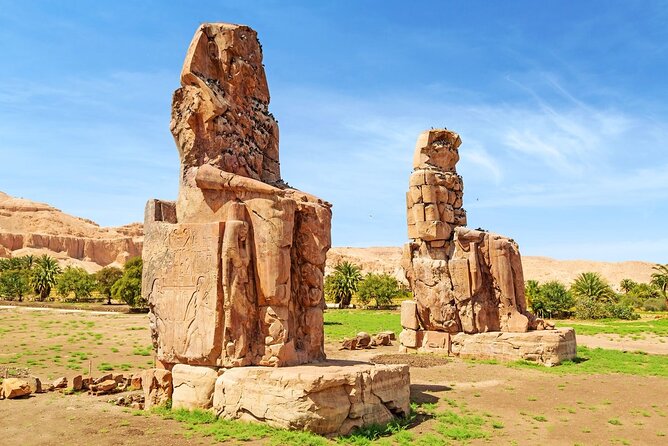
After Hatshepsut, the route pauses at the Colossi of Memnon—two massive stone statues of Pharaoh Amenhotep III. This is a shorter stop (about 30 minutes), and it works well as a reset between longer sites.
The statues are famous for a reason: even without going inside anything, you get a real sense of scale. And the entry note is helpful here—this stop is listed as admission-free.
Use this time for:
- A wide-angle look at the full statues
- Quick context from your guide so the stop feels meaningful
- Photos before your day gets too hot
Think of it as a breather that still feels like a highlight.
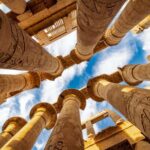

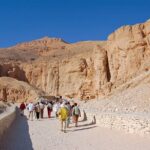
Queens and Nobles: Nefertari plus the Book of the Dead corridors
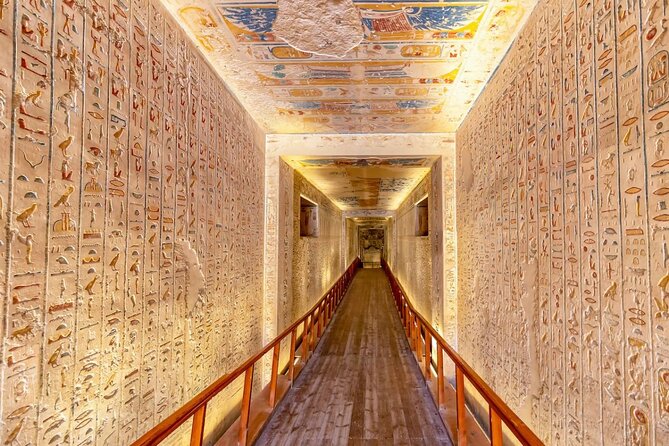
Then you’ll head to the Valley of the Queens and nearby sites. You’ll spend about an hour covering:
- The Valley of the Queens, including the tomb of Queen Nefertari
- The Tombs of the Nobles, including hundreds of tombs associated with passages tied to the Book of the Dead
This section is different from the Valley of the Kings. It feels more focused on the afterlife “script”—how people wanted the journey to go, and how that belief was carved into funerary spaces.
One practical consideration: if you’re feeling worn down by the day, this is where your guide’s timing matters most. An hour can go fast if you try to rush every doorway and corridor. If you slow down here, the story makes more sense.
Medinet Habu with Ramses III: where Amun meets the economy
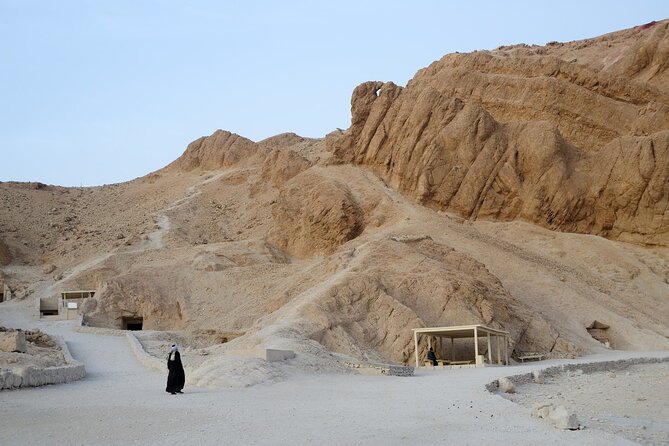
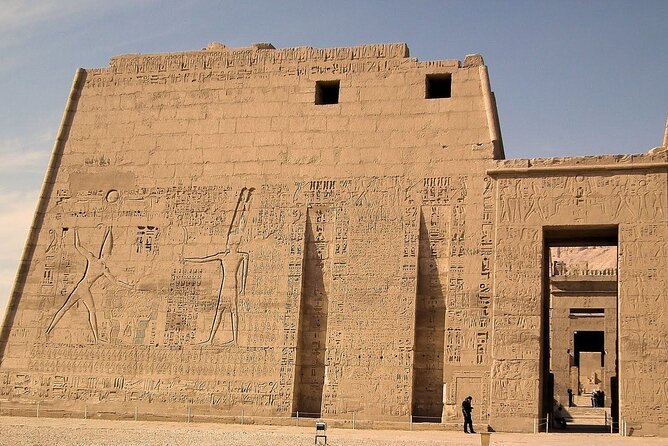
Next is Medinet Habu (often spelled Medinat Habu on signage), a memorial temple built by Ramses III. You’ll get about an hour, and your guide will walk you through key features before you have time to explore at your own pace.
This stop stands out because it connects religion to daily life and local meaning. The site is associated with the god Amun, and your guide should help you understand why Medinet Habu was more than a dramatic ruin—it also fit into how Thebes functioned economically.
If you prefer sites where the explanation helps you see “why this mattered then,” Medinet Habu is a strong choice. You’ll likely leave with a better sense of how temples worked as living systems, not just sacred buildings.
Deir el-Medina artisan village: the people behind the royal tombs
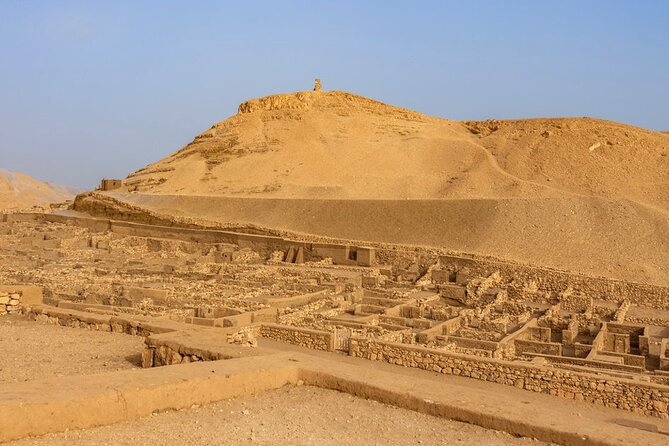
The final stop is Deir el-Medina, often called the Valley of the Artisans. This is the human side of the West Bank story. You’ll get about an hour here, enough time to see why this area is so special.
In simple terms: Deir el-Medina housed the workers and craftsmen who built and decorated royal tombs during the New Kingdom. Unlike the grand tombs themselves, the point here is the community—how the people who did the work lived and organized daily life.
This stop is great if you want to understand how the monuments were actually made. It’s also a relief from “royal only” storytelling.
Egyptologist guide impact: what good guidance looks like
This tour lives or dies on guidance, and the pattern is consistent: guides help you make smart tomb decisions and keep you moving efficiently without rushing you.
Names you might see connected with this route include Mohammed Adly, Abdul, Hassan Moghrapy, Youssef Hussain, Khaled, Mustafa Süleyman, Ahmet, Sayed, Ahmed, and Aza. That list isn’t a promise of who you’ll get, but it gives you a sense of the kind of local expertise involved.
What good guides do on this itinerary:
- Point out tombs that are worth the extra entry and explain why
- Keep you aware of time so you don’t miss key interiors
- Offer practical photo advice (especially helpful in tight tomb spaces)
- Prevent common problems like getting steered wrong at temple gates
If you like learning through real-world storytelling, this kind of guide makes the day feel personal, not like a checklist.
What to bring so the day feels easy
You’ll be on the West Bank for most of the day, so pack like it’s warm (because it will be). Based on what people commonly recommend for this route, I’d plan for:
- Cold drink and some snacks, since gaps between sites are real
- Comfortable shoes for steps and uneven stone
- Sun protection (hat/sunglasses) and a light layer for shade shifts
- A charged phone/camera, plus extra patience for photo angles
Even with A/C transfers, the walking part is yours.
Who should book this Luxor West Bank tour
This is a great fit if:
- You want a single day that covers the key West Bank sites without building your own route
- You’re interested in the afterlife beliefs and how those ideas show up in tomb art
- You like structured guidance that helps with tomb entry decisions
It may be less ideal if:
- You want a slow, low-walking day
- You hate paying separate admission fees and making choices about tomb interiors
- You’re very sensitive to heat and want lots of downtime between sites
For families, this itinerary can work if everyone has comfortable shoes and you accept the long day. The route covers iconic places, but it’s still a lot of time outdoors.
Should you book this Luxor West Bank tour?
I’d book it if you want a private, guided West Bank day that hits Valley of the Kings, Hatshepsut, Medinet Habu, and Deir el-Medina in one run. The strongest reason: the guide component is built to help you spend your tomb-ticket money well, not just see a lot of doors.
I’d think twice if you’re trying to keep costs ultra-low, because admission tickets aren’t included. Still, this is exactly where a good guide pays off—helping you choose the tombs that match your interests.
Final thought: if you want Luxor to feel like more than monuments, the artisan village stop at Deir el-Medina is the extra layer that makes this tour worth your time.
FAQ
How much does the Luxor day tour cost?
The price is listed as $10.00 per person.
How long is the tour?
The duration is about 7 to 10 hours.
What’s included in the price?
Included items are hotel pickup in Luxor and return, all transfers by a modern A/C vehicle, all taxes and service charges, a private Egyptologist guide, and a water bottle. Lunch is included only if you choose the option that includes Car+Guide+Entry+Lunch.
Are admission tickets included?
Admission tickets are not included. Colossi of Memnon is listed as admission-free, but other stops specify Admission Ticket Not Included.
Is the tour private?
Yes. It’s described as private, so only your group participates.
Is pickup from my hotel included?
Yes, pickup services are offered from your hotel in Luxor and you return after the tour.
Do I have to tip?
Tipping is optional.
Is lunch provided?
Lunch is included only when you choose the option Car+Guide+Entry+Lunch.
What if weather is bad?
This experience requires good weather. If it’s canceled due to poor weather, you’ll be offered a different date or a full refund.
What’s the cancellation window for a full refund?
Free cancellation is available up to 24 hours in advance for a full refund. If you cancel less than 24 hours before the experience starts, the amount paid isn’t refunded.