REVIEW · LUXOR
Private Tour: Luxor East and West Banks Full Day Tour
Book on Viator →Operated by Go Luxor Tours · Bookable on Viator
Luxor in one long, well-led day. I love how an Egyptologist guide turns each stop into something you can actually picture, and I like the practical payoff of round-trip transfers that keep you from wasting the morning on logistics. One thing to consider: it is a long, early-start day, so plan for heat, walking, and a steady pace.
This is priced at $189.80 per person for about 8 hours, and the value comes from what’s bundled: private transport, entrance fees at every listed site, and a mid-day meal. That matters in Luxor, where timing and ticket lines can eat into sightseeing time fast.
If your goal is the big Luxor hits—Valley of the Kings tombs, Karnak, and Luxor Temple—this format is one of the more efficient ways to do it. You’ll also get a planned break with an included local lunch, which helps when you’re stacking temples in one stretch.
In This Review
- Quick hits before you go
- How this private Luxor day stays smooth from pickup to temples
- Valley of the Kings: tomb time without the stress
- Deir el Bahari and Hatshepsut: the temple complex that rewards patience
- Colossi of Memnon: short stop, good payoff if you slow down
- Karnak Temple: where the day’s biggest structures meet the best explanations
- Luxor Temple: Rameses II statues and the sphinx avenue connection
- Price and Logistics: is $189.80 per person worth it?
- What I’d watch for on the West Bank to East Bank flow
- Who this Luxor East and West Banks private tour is best for
- Should you book this tour?
- FAQ
- What is the duration of the Luxor East and West Banks full day tour?
- How many sites do we visit during the day?
- Does the tour include hotel pickup and drop-off?
- Is lunch included?
- Are entrance fees included?
- Can I cancel for a full refund?
Quick hits before you go
- Hotel pickup and drop-off: you get a start-to-finish plan, not just directions
- Entrance fees included: you avoid the ticket scramble at each site
- An Egyptologist who manages the day: the best guides keep you moving through crowds and away from constant sales pressure
- West Bank first, East Bank after lunch: a smart arc that keeps the day organized
- A full temple sweep: Valley of the Kings, Deir el Bahari, Memnon Colossi, Karnak, and Luxor Temple
How this private Luxor day stays smooth from pickup to temples
This tour is built around one simple idea: you should spend your energy on ancient Egypt, not on navigation, ticketing, and figuring out what’s open. You’ll be picked up from your hotel or Nile cruise in Luxor, and the tour runs roughly 8 hours. The pickup window is wide enough to make it workable for most stays, running from 6:00 AM to 9:00 AM (Monday through Sunday).
You’ll ride in a private vehicle, which is a big deal in Luxor. Roads can be busy, and site schedules are strict. The private setup also keeps your day flexible: if you’re into photos, you can slow down for a minute and still stay on track. Many guests specifically call out how their guide helped with photos and kept logistics tight so they weren’t stuck waiting around.
A note on what’s included vs not included: entrance fees and taxes are covered, and lunch is included. Tipping is not. That means you should decide ahead of time what you want to leave for your guide (and driver, if you have one) so you aren’t scrambling at the end.
You can also read our reviews of more private tours in Luxor
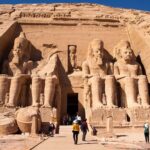
Valley of the Kings: tomb time without the stress
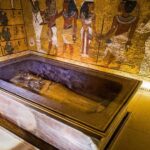
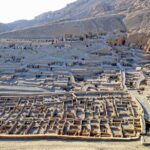
Your day starts on the West Bank with the Valley of the Kings, the famous royal burial ground where tombs were carved into the limestone cliffs. You’ll spend about 2 hours 30 minutes here, and the time block is important. In this valley, you’re not just walking past a bunch of doors. The experience makes more sense when you have enough minutes to understand what you’re seeing: how the kings were buried, why these tombs matter, and why some colors still look striking even after thousands of years.
If you’re picturing King Tutankhamun, you’ll have context on why his tomb is such a landmark—found in 1922 by British archaeologist Howard Carter. Your guide’s job is to connect the names and dates to the physical tombs in front of you, so it stops being a checklist and starts feeling like a story.
Practical tip: wear shoes you trust. The paths can be uneven and the sun can add up fast. If you want great photos, early morning light usually helps, and it’s easier when you’re not rushing.
One small consideration: tomb access can mean crowds at certain points. A good guide helps you navigate pacing so you’re not stuck staring at the back of someone’s hat. I like this setup because the guide role isn’t only facts—it’s also day-management.
Deir el Bahari and Hatshepsut: the temple complex that rewards patience
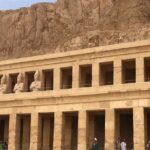
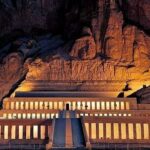
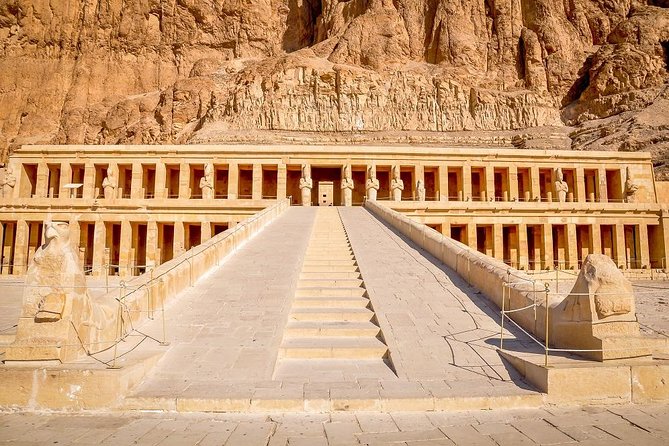
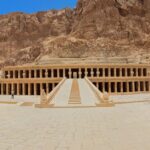
Next up is Deir el Bahari and the Temple of Hatshepsut, with about 1 hour 40 minutes set aside. This is one of Luxor’s most dramatic “wow” zones—not because it’s loud, but because it’s composed. The temple’s setting and the scale of what you’re looking at make it feel designed, not random.
The Temple of Hatshepsut is tied to one of Egypt’s standout rulers, and your Egyptologist will help you make sense of why her legacy is so prominent in this part of the country. You’ll get the kind of explanation that makes architectural details click: how the complex fits together, what the carvings and layout are meant to communicate, and why this spot is still a must-see.
A practical drawback here can be time pressure. If you try to rush, you miss the logic of the place. The good news is that your schedule includes enough minutes to slow down and look around. If you’re the type who likes to stand still and take it in, you’ll be happy with this time allotment.
As with the West Bank, expect heat and sun later in the morning. A hat and water bottle aren’t optional. If you tend to get tired in the sun, you’ll appreciate that lunch is coming soon after the West Bank stops.
Colossi of Memnon: short stop, good payoff if you slow down
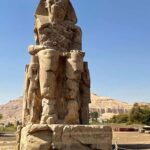
After the tombs and temple complex, you’ll visit the Colossi of Memnon—giant seated statues associated with Amenhotep III. The stop is short (about 20 minutes), so your strategy matters. If you treat it like a quick photo and move on immediately, you might feel like you didn’t get much out of it.
If you pause, though, the payoff is real. You’ll hear the story behind the echo legend that gave these statues their name. The echo may be myth and interpretation over time, but the tradition is part of the site’s personality. This is a moment where a guide’s explanation turns “big rocks” into something more memorable.
Then you head into lunch. Because Colossi is brief by design, it works well as a transition stop: enough time to appreciate the scale, then reset your energy before Karnak.
Karnak Temple: where the day’s biggest structures meet the best explanations
After lunch, the itinerary shifts to the East Bank and Karnak. You’ll spend about 3 hours here, which is the right amount of time for this enormous complex. Karnak can feel overwhelming if you’re wandering without context, and I like that your guide sets a path through the key areas so it doesn’t become random walking.
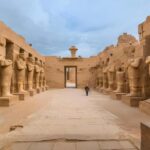
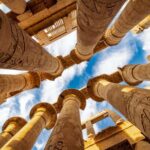
At Karnak, you’ll see the avenue of sphinxes, the massive column hall with 134 columns, and major monuments tied to rulers like Queen Hatshepsut and Tutmosis I. You’ll also get the temple of Amon, plus details like the granite scarab beetle of Amenophis III and the sacred lake.
Here’s what I love about this stop: it’s not only impressive, it’s explainable. Once you understand what you’re looking at—why columns and obelisks were placed where they were, and how the sections fit together—Karnak becomes the clearest “big picture” stop of the day.
A practical note: expect crowds in certain zones and shade that can be uneven. If you find yourself drifting, ask your guide where to focus next. The best ones keep you from losing the thread, especially around the column hall where people often scatter.
A few more Luxor tours and experiences worth a look


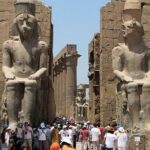
Luxor Temple: Rameses II statues and the sphinx avenue connection
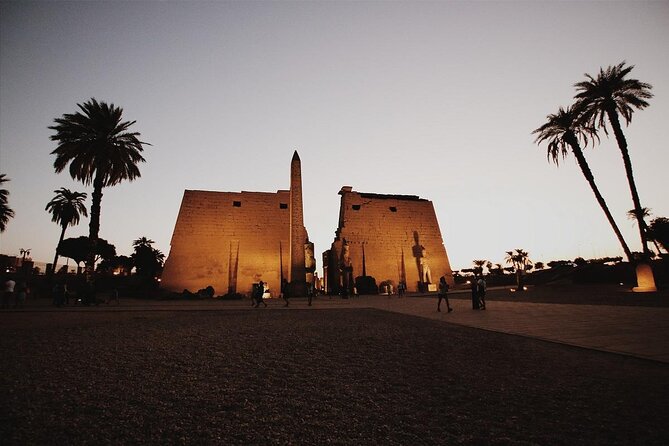
Finish strong with Luxor Temple. You’ll have about 2 hours here, which is enough time to see the big statues and understand Luxor’s temple relationship with Karnak.
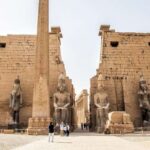
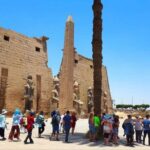
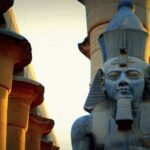
Luxor Temple is where you get the famous presence of Rameses II, including the massive standing statues that dominate portions of the site. You’ll also notice the connection between Luxor and Karnak through the sphinx avenue—a processional road that links two of the most important temple spaces in Egypt.
This ending is satisfying because it gives you a clearer sense of how ancient rulers projected power and order across the city. By the time you reach Luxor Temple, you’ve already spent hours with tombs and complex temple layouts. That makes the final stretch easier to follow and more meaningful.
If you’re the kind of person who enjoys photos, Luxor Temple is also a great place to slow down. The scale reads well even with handheld cameras, and the guide’s explanations can help you frame what matters instead of just chasing angles.
Price and Logistics: is $189.80 per person worth it?
At $189.80 per person, the price can feel either fair or high depending on how you plan. Here’s how I’d judge value, Luxor-style.
What you get that reduces cost and friction:
- All entrance fees are included for the listed sites
- A qualified Egyptologist guide is part of the package
- Hotel pickup and drop-off are included
- You’re in a private vehicle, which saves time in a city where traffic and finding parking can be annoying
- Local lunch is included, so you’re not hunting for food between major sites
What you should mentally budget for:
- Tipping is not included
- You’ll want basics like water, sunscreen, and comfortable shoes (not included, and you’ll thank yourself later)
Also worth noting: this is a tour format many people book around 5 days in advance on average. That doesn’t mean you have to wait, but it does suggest demand is steady. If your dates are tight, booking earlier can help you get the guide and pickup time you want.
One possible drawback from a purely practical angle: you’re stacking major sites in one day. That’s efficient, but you won’t have the freedom of a split-day plan where you can linger longer. If you like to spend half a day in one temple, you may feel rushed. If you prefer the highlights in one shot with expert direction, this format is a strong fit.
What I’d watch for on the West Bank to East Bank flow
A lot of your comfort comes down to pacing. This day is structured so you hit the West Bank first with Valley of the Kings and Deir el Bahari, then move to lunch, then transition to the East Bank for Karnak and Luxor Temple.
That flow helps because it prevents the classic mistake of bouncing around randomly. It also keeps the day readable. The West Bank sites are visually and emotionally different from Karnak and Luxor Temple, and switching contexts after lunch makes the change easier.
In real-world touring, the best Egyptologist teams do more than lecture. Guests often talk about guides who can:
- steer you through queues efficiently
- handle the constant sales pressure that can pop up near famous stops
- help with practical timing for photo moments
I like having that kind of support because Luxor can be intense for independent sightseeing. You’ll still have moments to look on your own, but you won’t feel like you’re fighting the day.
Who this Luxor East and West Banks private tour is best for
This is a great match if:
- you want a private tour and don’t want to coordinate transport or tickets
- you care about understanding what you’re seeing, not just collecting photos
- you’re short on time in Luxor and want the key sites in one day
- you like a smooth plan with clear blocks of time at major attractions
It may be less ideal if:
- you’re extremely sensitive to early mornings and heat
- you want a slow, minimalist pace with long free time at each site
- you prefer to build your own route and budget for tickets separately
Family groups can also work well here because the private setup makes it easier to adjust pace. And if you’re traveling with friends or a small group, group discount options can make the value even better.
Should you book this tour?
Book it if you want a well-run Luxor day that covers both banks with an Egyptologist guide and doesn’t leave you doing homework on ticket logistics. The included entrance fees, private transport, and lunch are the big reasons it feels like value. You’re paying for time saved and context gained.
Think twice if you strongly prefer long stays in fewer locations. This tour is designed to hit the highlights, so it’s not built for drifting.
If your priority is seeing the Valley of the Kings, Hatshepsut at Deir el Bahari, Karnak, and Luxor Temple in one organized day, this is one of the more sensible ways to do it. You’ll finish the day with a much clearer mental map of how the two sides of Luxor connect.
FAQ
What is the duration of the Luxor East and West Banks full day tour?
The tour runs for about 8 hours.
How many sites do we visit during the day?
You’ll visit the Valley of the Kings, the Temple of Hatshepsut at Deir el Bahari, the Colossi of Memnon, Karnak Temple, and Luxor Temple.
Does the tour include hotel pickup and drop-off?
Yes. Round-trip hotel transfers are included, starting from your hotel or Nile cruise in Luxor.
Is lunch included?
Yes. A local lunch is included in the price.
Are entrance fees included?
Yes. Entrance fees to all mentioned sites in the itinerary are included.
Can I cancel for a full refund?
You can cancel up to 24 hours in advance for a full refund. If you cancel less than 24 hours before the start time, the amount paid is not refunded.