REVIEW · CAIRO
Cairo: The Grand Egyptian Museum Private Guided Tour
Book on GetYourGuide →Operated by Sun Pyramids Tours · Bookable on GetYourGuide
Cairo’s new museum can feel huge. This private Grand Egyptian Museum tour trims the stress with a guide, skip-the-ticket-line access, and air-conditioned roundtrip hotel transfers, so you can focus on the artifacts.
What I like most is the chance to see must-see highlights like the King Ramses II statue and the Hanging Obelisk without guessing your way around. Another strong win is that a good guide can turn what looks like “objects in rooms” into a clear story of Ancient Egypt. The only catch to keep in mind is that time can get tight in a big museum, and some guides may rush if you don’t set expectations.
In This Review
- Key things that make this GEM private tour worth your time
- GEM is big, so you’ll be glad you have a plan
- Pickup, air-conditioning, and the real meaning of 3–4 hours
- The guided route: Ramses II to the Hanging Obelisk
- Recreated temples and royal scenes: what to pay attention to
- When your guide is great, it’s magic. When not, you need backup plans.
- Price and value: $58 is fair if you use the full package
- Who this private GEM tour suits best
- Should you book this Cairo GEM private tour?
- FAQ
- How long is the Grand Egyptian Museum private guided tour?
- What is included in the tour price?
- Does the tour skip the ticket line?
- What areas are pickup/drop-off from Cairo hotels included, and where is there an extra cost?
- What languages is the guide available in?
- Is the tour wheelchair accessible?
- Are private or small groups available?
Key things that make this GEM private tour worth your time
- Skip-the-ticket-line entry helps you start seeing real things sooner.
- Ramses II and the Hanging Obelisk give you instant, high-impact anchors for photos and understanding.
- Distance-view highlights (Senusert statues, the grand staircase, Ptolemaic king and queen) still help you read the layout.
- Royal regalia, columns, and major sculptures connect the dots between rulers and power.
- Grand atrium and gift shop time rounds out the visit when you’re ready to slow down.
- Private, air-conditioned transfers keep logistics from eating your museum hours.
GEM is big, so you’ll be glad you have a plan
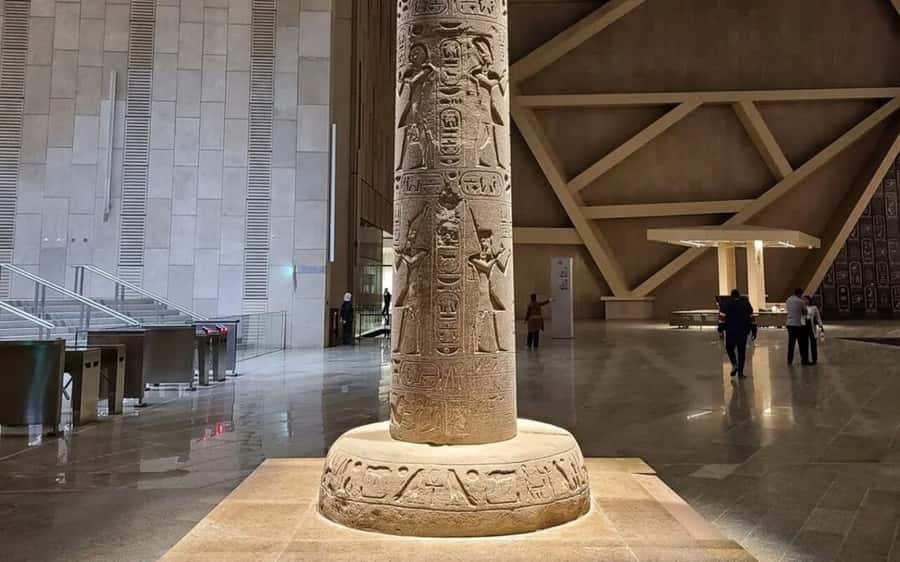
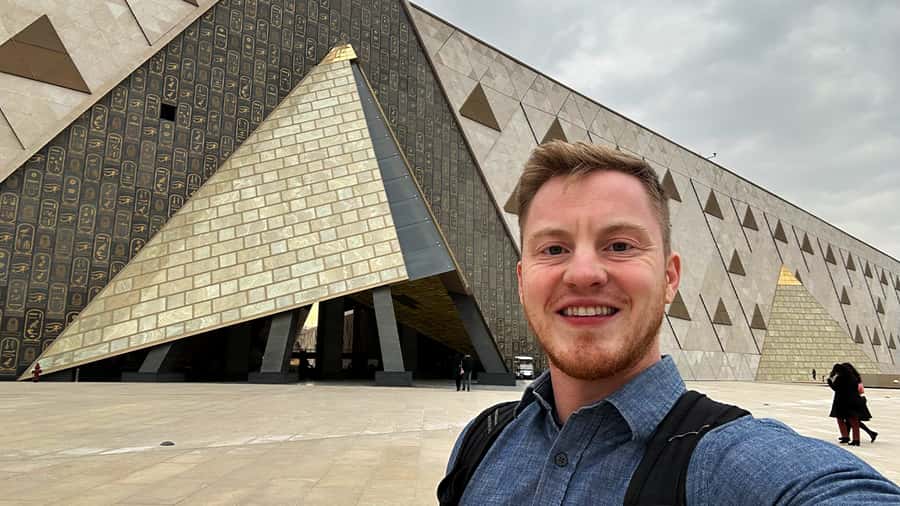
The Grand Egyptian Museum (GEM) is designed to be a major archaeological landmark, and it’s often described as the largest museum in the world. Even if you love museums, that kind of scale can turn your visit into a blur if you’re walking in cold. The big value of this private tour is that someone else handles the “where next” decisions while you handle the fun part: looking closely at real monuments and display pieces.
I also like that this tour targets specific, visually powerful stops. You’re not just buying time inside the building—you’re getting a guided route that points you toward standout features, including the King Ramses II statue, the Hanging Obelisk, and other major royal displays. When you’re seeing Ancient Egypt under museum lighting, those are the kinds of moments that make the whole building click.
One possible drawback: the visit is listed as 3–4 hours total, with about 2 hours guided inside. That’s plenty for highlights, but it’s not “all galleries” time. If you want to linger in every room, you’ll need to be clear with your guide about your pace.
You can also read our reviews of more guided tours in Cairo



Pickup, air-conditioning, and the real meaning of 3–4 hours
Logistics matter in Cairo. You’re typically picked up from your hotel in a private, air-conditioned vehicle, then driven to the GEM and returned afterward. The tour duration is 3–4 hours overall, with a guided visit of about 2 hours in the museum. You also get bottled water during your trip, which sounds small until you’re walking under bright museum lights.
Here’s how to interpret the timing so you don’t feel rushed: think of it as a fast, focused museum circuit. You’ll have time to see several headline displays and move between key areas, but you won’t have unlimited wandering time. If you’re sensitive to schedule pressure, plan your “must-see” list in advance: Ramses II, the Hanging Obelisk, and any royal regalia or column features that catch your eye.
One practical consideration: pickup/drop-off from Cairo Airport, Sphinx Airport, New Administrative Capital, New Cairo, Heliopolis, Badr City, Shorouk, Rehab, Obour, Sheraton Almatar, Sheikh Zayed City, or Madinaty City costs extra. So if you’re not staying in central Cairo areas, factor that into your budget.
Also, the experience includes private transportation and skip-the-ticket-line entry, both of which save your energy for the museum itself. That value shows up fast—especially on busy days.
The guided route: Ramses II to the Hanging Obelisk
A good GEM visit is part “wow,” part “I finally understand how it fits together.” This tour is built around both. You’ll enter with your guide and get a focused walkthrough of key elements, including several headline items that are hard to miss once you know where to look.
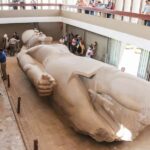
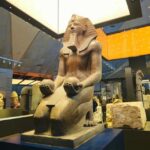
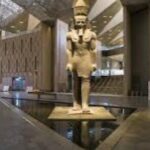
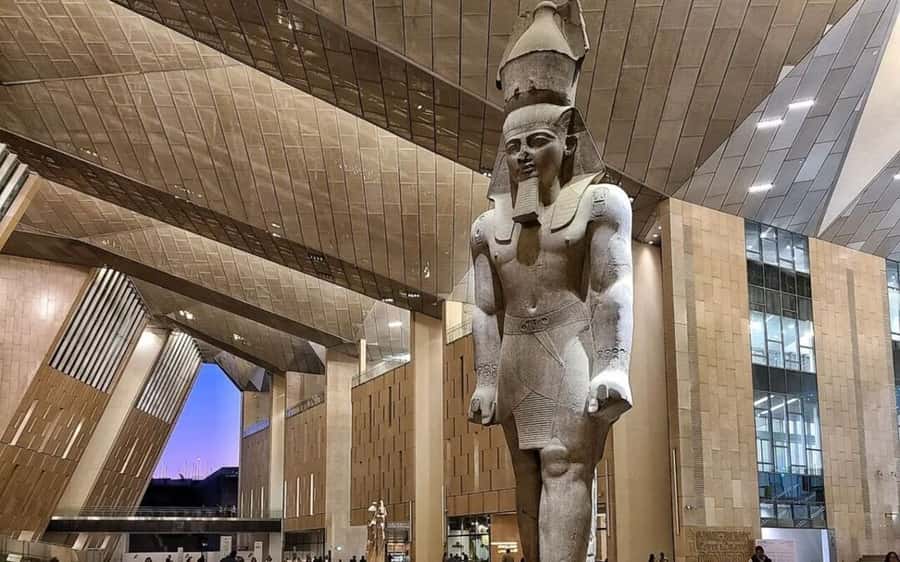
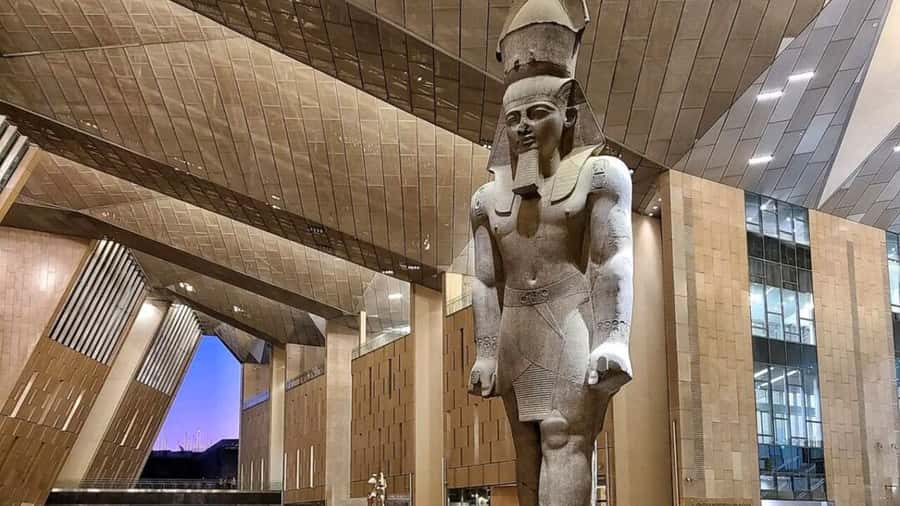
Ramses II statue (King Ramses II)
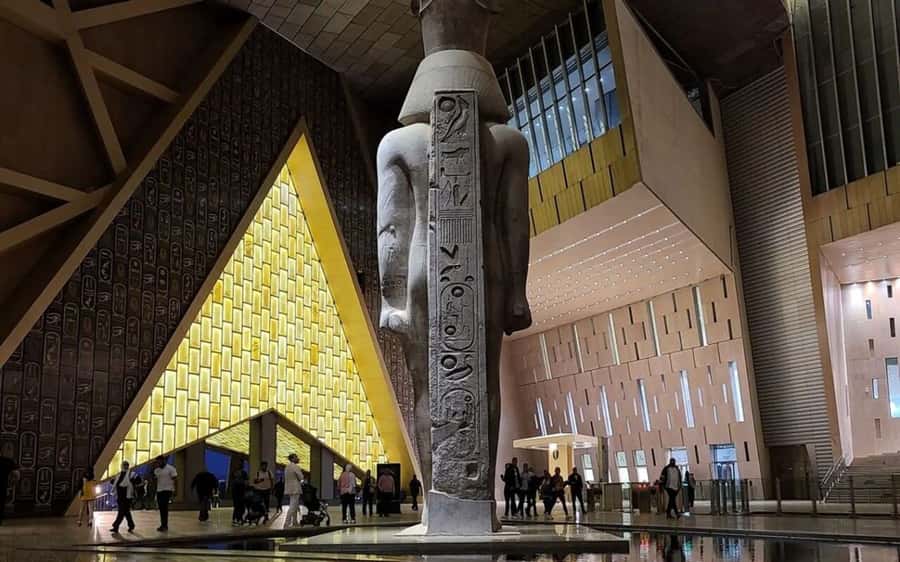
This is one of those “stand here and look around” moments. A huge statue anchors the story of royal power, and your guide should help you connect the visual to the context. Even if you’re not studying hieroglyphs that day, you’ll understand what you’re looking at.
Hanging obelisk
The Hanging Obelisk is the kind of feature that makes you stop mid-walk. It’s visually dramatic, so it works as both a photo target and an orientation point. If you’re the type who needs to see what you’re learning, this stop helps.
Senusert statues, grand staircase, and Ptolemaic royal figures (distance view)
These items are listed as distance view. That’s not a deal-breaker, but it changes your expectations. You may not get close-up, gallery-by-gallery study, so treat these as “big-picture comprehension” stops. Your guide should help you understand what you’re meant to notice from where you’re standing—position, scale, and how the museum arranges rulers across time.
Victory column of King Merenptah
Columns like this are all about symbolism and message. Even from farther away, the shape and placement can communicate power and authority. This is where you’ll appreciate a guide who can translate the display into plain meaning.
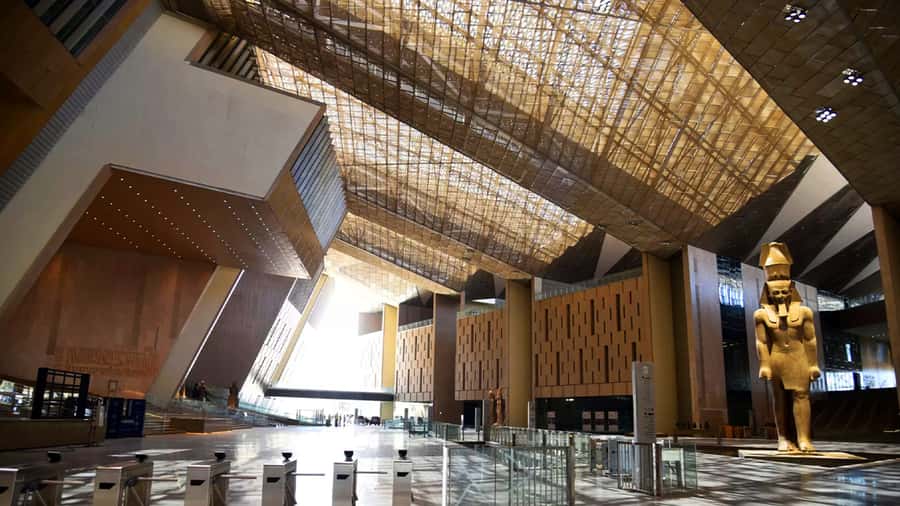
Royal regalia, grand atrium, and gift shop
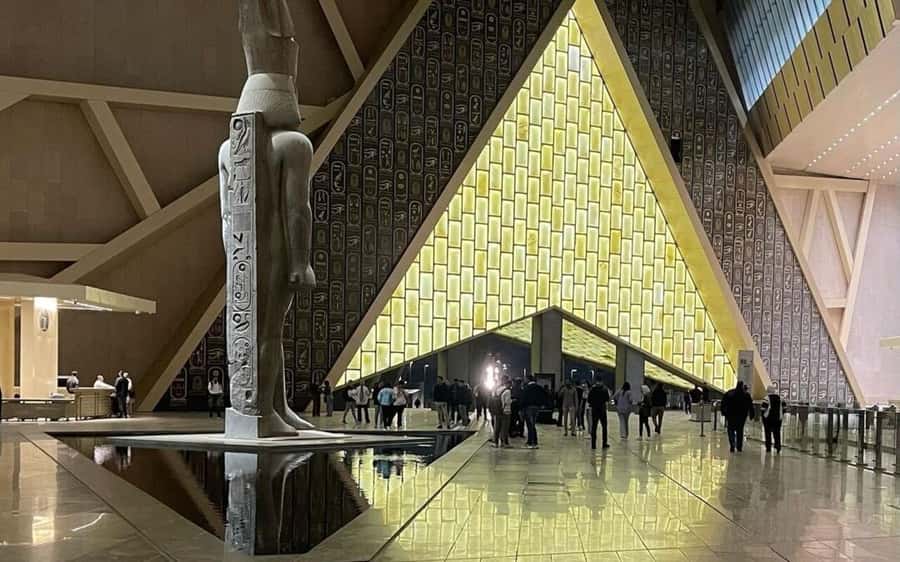
Towards the later part of your visit, you’ll move through the grand atrium and the gift shop area. That’s useful timing because it’s where you can cool down, reset, and still keep the flow of the visit. If you want souvenirs or a place to regroup, this is built in.
Recreated temples and royal scenes: what to pay attention to
GEM isn’t only about single artifacts sitting in cases. This tour also points you toward recreated temples and scenes that focus on “treasures and secrets” of Ancient Egypt. That matters because recreated environments help you understand how the pieces connect, instead of seeing everything as separate fragments.
When you’re in a guided setting with a timed route, your best strategy is to pick 2–3 themes you care about and let the guide connect them. For example:
- Royal authority and succession (Ramses II, Senusert, Ptolemaic king and queen)
- Power and public messaging (Merenptah’s victory column)
- Sacred architecture and the feel of temple spaces (recreated temples)
Also, remember that some highlights are explicitly marked as distance view. That means your goal is not microscopic study. Instead, aim to notice proportions and layout. From a distance, the museum can show you how rulers and motifs “sit” in a broader story. If you try to treat it like a close-up archaeology lecture, you may feel disappointed. If you treat it like orientation plus key monuments, you’ll enjoy it more.
One helpful angle: when the guide explains what you’re seeing, it’s often less about memorizing details and more about making the building readable. I find that even basic context—who the figures are and why they’re connected—makes the time feel worthwhile.
When your guide is great, it’s magic. When not, you need backup plans.
Your results will depend heavily on the guide’s pace and priorities. The good news: strong guides can make GEM feel alive. For example, one guide named Adel was praised for bringing the visit into the time of the Egyptians with plenty of anecdotes and patience with questions. Another guide, Anna, received praise for excellent English and making the experience wonderful.
That’s the upside. The caution is real too: there are cases where the visit felt rushed, with the guide pushing people to leave early and steer toward private sales for commissions. In some situations, water and air-conditioning expectations weren’t met the way the tour description suggests. There were also timing issues, including schedule changes that affected the day’s flow.
So how do you protect your time without sounding confrontational? Ask your guide right at the start for one clear thing: that the visit will prioritize the museum galleries and your chosen photo stops. If you have a top 3 list (Ramses II, Hanging Obelisk, and one royal regalia area), say it early. Also ask briefly about restrooms and photo breaks so you don’t have to “guess” later.
If you care about air-conditioning comfort and water, treat it as a check-in item rather than a hope. And if your date overlaps with seasonal schedule shifts (one experience mentioned Ramadan affecting museum closing time), confirm the latest opening hours with the operator before you commit.
You can also read our reviews of more private tours in Cairo





Price and value: $58 is fair if you use the full package
At $58 per person, this is priced like a value-focused private tour rather than a luxury day. The reason it can be worth it is that you’re not paying only for a guide. You’re also getting:
- Private air-conditioned transfers (hotel pickup and drop-off)
- Entrance fees
- Bottled water during your trip
- A private tour guide
- A shopping tour in Cairo included in the package
If you were trying to assemble this on your own—car service, tickets, and a qualified guide—you’d likely spend more time and money. Also, in a huge museum, the guide’s route-planning can save you from missing the best-known anchors.
The main value risk is the “hours in the museum” vs “hours in the day” mismatch. The guided portion is about 2 hours. If your expectation is a slow, room-by-room deep scan, this tour won’t match that. It’s best for people who want a smart highlights tour with historical explanations, not endless browsing.
Also watch the pickup area rule: extra cost applies if you’re picked up from certain airport and outlying zones. If that applies to you, your effective price rises. Still, for many people staying in standard Cairo hotels, the base price can feel reasonable for a private setup.
Who this private GEM tour suits best
This tour fits best if you want structure and efficiency in a museum that can overwhelm you with scale. You’ll likely enjoy it if:
- You want to see Ramses II, the Hanging Obelisk, and other signature royal displays without getting lost.
- You prefer a guide who can explain what you’re looking at in multiple languages (English, French, Spanish, Arabic, German, Italian, Russian, Chinese, Japanese, Portuguese).
- You’d rather spend your time inside than negotiating tickets, lines, or transportation.
It can also be a good fit for smaller groups, since the format supports private or small groups. And the tour is described as wheelchair accessible, which matters if you need mobility support in planning.
If you’re the type who hates any time pressure, I’d still consider it—just go in with eyes open. You may get the most out of it by telling your guide you want a calm pace and asking for a realistic amount of time at each highlight.
Should you book this Cairo GEM private tour?
I’d book this tour if you want a focused, high-impact introduction to the Grand Egyptian Museum with private transport, skip-the-line entry, and a guide who can make the layout and royal displays easier to understand. The highlights listed—Ramses II, the Hanging Obelisk, Merenptah’s victory column, royal regalia, and the grand atrium—are strong anchors for a short, satisfying visit.
I’d hesitate only if your ideal day is slow museum wandering with tons of free time. This tour is built around a guided circuit, and some experiences have shown that pacing can suffer when a guide pushes commissions or rushes. If you choose this, protect yourself early: set your priorities, ask for photo/restroom timing, and confirm any date-specific closing hours if your travel overlaps with Ramadan.
If you want a smart first trip to GEM, this private format is a practical way to get there and get your money’s worth.
FAQ
How long is the Grand Egyptian Museum private guided tour?
The total duration is listed as 3–4 hours, with a guided museum visit of about 2 hours.
What is included in the tour price?
Included are private air-conditioned transfers, hotel pickup and drop-off, entrance fees, bottled water during your trip, a shopping tour in Cairo, and a private tour guide.
Does the tour skip the ticket line?
Yes. The experience includes skip-the-ticket-line entry.
What areas are pickup/drop-off from Cairo hotels included, and where is there an extra cost?
Pickup/drop-off from many Cairo-area locations is included, but additional cost applies for pick-up/drop-off from Cairo Airport, Sphinx Airport, New Administrative Capital, New Cairo, Heliopolis, Badr City, Shorouk, Rehab, Obour, Sheraton Almatar, Sheikh Zayed City, or Madinaty City.
What languages is the guide available in?
Guides are available in English, French, Spanish, Arabic, German, Italian, Russian, Chinese, Japanese, and Portuguese.
Is the tour wheelchair accessible?
Yes, the tour is described as wheelchair accessible.
Are private or small groups available?
Yes. The tour is offered as private or small groups, depending on availability.