REVIEW · LUXOR
Private Full-Day Tour to West and East Bank of Luxor
Book on Viator →Operated by Egypt Private Trips · Bookable on Viator
One day in Luxor can feel like stepping through a door. This private West and East Bank tour is a practical way to see the big names—without the usual hassle—with pickup and an easy-paced private vehicle. You’ll visit the Valley of the Kings, Deir el Bahari (Hatshepsut’s temple), the Colossi of Memnon, plus both Luxor and Karnak Temples on the East Bank.
I especially like the way this tour handles the day as one connected plan: you’re not bouncing between taxis or trying to figure out routes mid-sightseeing. Another thing I love is the focus on your group—so your guide can answer questions and keep the flow moving. The only real consideration is that it’s a long day (about 6 to 7 hours) and the ticket costs at several stops depend on which option you choose, since admissions are not included at all sites.
In This Review
- Key Highlights You’ll Actually Feel
- The Real Value: How This Day Fits Together
- Valley of the Kings: Why Starting Here Makes Sense
- Deir el Bahari and the Temple of Hatshepsut’s Terraces
- Colossi of Memnon: A Short Stop With Big Payoff
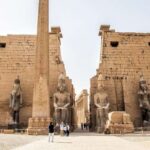
- Luxor Temple: Seeing the East Bank With Context
- Karnak Temple: The Biggest Temple Experience Your Schedule Can Handle
- What the Private Vehicle Really Changes
- Who This Tour Suits Best
- Price and Value: What You’re Paying For
- Should You Book This Private Full-Day West and East Bank Tour?
- FAQ
- How long is the private tour?
- Does the tour include pickup from Luxor?
- Is admission included for all the sites?
- Is this a private tour?
- What’s included in the price?
- What weather conditions are required?
Key Highlights You’ll Actually Feel
- Private, group-only format means less waiting and more direct attention from your guide.
- West + East Bank in one go saves you time versus piecing it together yourself.
- Air-conditioned transport plus bottled water keeps the heat from ruining your momentum.
- Hatshepsut’s temple terraces and architecture are easier to appreciate with guided context.
- Karnak Temple time is built in so you can see it without feeling like you’re rushing.
- Pickup timing and comfortable car are repeatedly noted as a strong part of the experience.
The Real Value: How This Day Fits Together
Luxor is one of those places where the sights are spread out, and the wrong plan turns into a day of standing in lines, asking strangers for directions, and losing time. This tour is built to prevent that. You get round-trip transfers from Luxor, driven in an air-conditioned private vehicle, with bottled water along the way.
The big win is that you see both sides of the Nile. The West Bank is where you go for royal tombs and monumental burial sites. The East Bank is where the living city expressed power through temples. When you do them on the same day, you start to understand the whole system—how the ancient Egyptians thought about life, death, and divine rule, not as separate trips but as one connected story.
One more practical point: at several stops, entry tickets are not included in the baseline plan. That doesn’t make the tour bad—it makes it something you should choose carefully. If you want fewer decisions on the day, look for the option that includes guide and entry fees. If not, budget time and money for admissions.
You can also read our reviews of more private tours in Luxor
Valley of the Kings: Why Starting Here Makes Sense
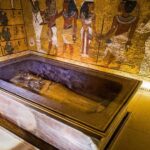
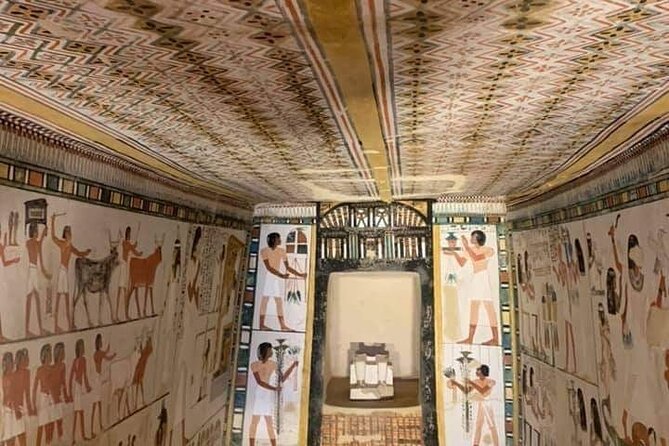
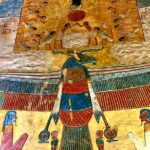
Your day begins on the West Bank with the Valley of the Kings. It’s the kind of place where the scale hits you fast. You’re in a burial landscape built for royalty, and the rock-cut tombs are part of a carefully designed world where status mattered even in death.
This stop is listed for about 2 hours, which is a solid window. It’s enough time to get your bearings, understand what you’re looking at, and visit at least one tomb without turning it into a marathon. The Valley is also specifically tied here to pharaohs such as Tutmosis I and Tutmosis III, so your guide can connect the site to real rulers rather than keeping everything generic.
A drawback to know up front: the Valley of the Kings is weather-dependent, and it’s also one of those sites where sunlight can make things feel hotter than you expect. If you’re sensitive to heat, come prepared. Comfortable shoes matter too—rocky ground plus walking time adds up across the whole day.
Deir el Bahari and the Temple of Hatshepsut’s Terraces
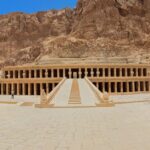
Next up is Temple of Hatshepsut at Deir el Bahari, one of Luxor’s most visually striking areas. Even before you get into details, you can feel why it’s famous. The temple uses layered design and terraces that step up the hillside, built as a monumental stage for a queen’s legacy.
This is where learning pays off. You’re not just looking at stones—you’re seeing a royal vision with an architectural story. The temple’s construction is attributed to Senenmut, Hatshepsut’s chancellor and royal architect. And the design is compared to an earlier model: the nearby mortuary temple of Mentuhotep II. The key difference is that Hatshepsut’s temple uses a long, colonnaded terrace system rather than a centralized layout.
One specific detail worth holding onto: the temple has three layered terraces rising to about 29.5 meters (97 feet). That kind of measurement helps you judge the scale while you’re standing there. It’s also a good example of why a guide helps. You can still enjoy it solo, but with someone explaining the why, the site becomes easier to read.
Possible downside? The included time is about 1 hour. That’s usually fine because the visuals are strong and you’ll likely want a breather too. But if you plan to go slowly and linger for photos, consider that the whole itinerary is time-managed.
Colossi of Memnon: A Short Stop With Big Payoff
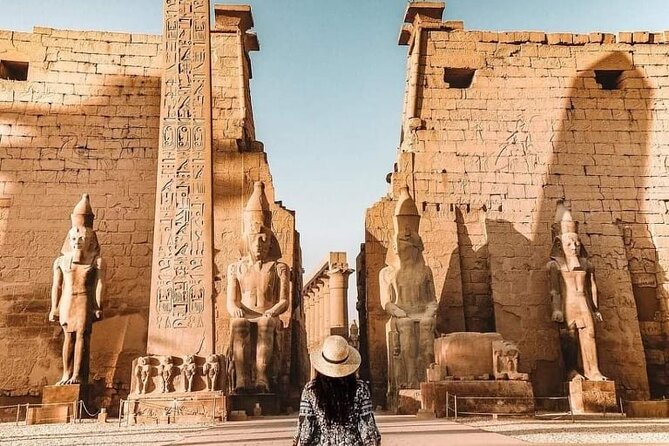
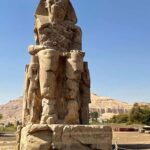
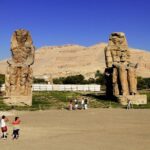
Then you get a breather with a shorter visit to the Colossi of Memnon. This is listed at about 15 minutes, and it works as a palate cleanser between the heavier temple stops.
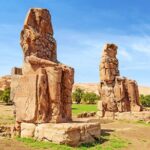
These twin statues represent Amenhotep III, seated with hands resting on his knees and facing toward the east (described here as roughly east-southeast in modern bearings) toward the river. The statuary also includes smaller figures carved into the front throne area—Tiye (his wife) and Mutemwiya (his mother). Even in this small stop, you’re looking at a statement about family and kingship.
Another detail I like from this site: the side panels depict the Nile. That matters because you start noticing how Egyptian monuments often fold environment into theology. This isn’t random decoration—it’s a reminder that the Nile wasn’t just a river. It was the lifeline and a central symbol for how power flowed.
Good news: the itinerary notes admission ticket here as included. That helps your budget and reduces one more stop-day friction point.
Luxor Temple: Seeing the East Bank With Context
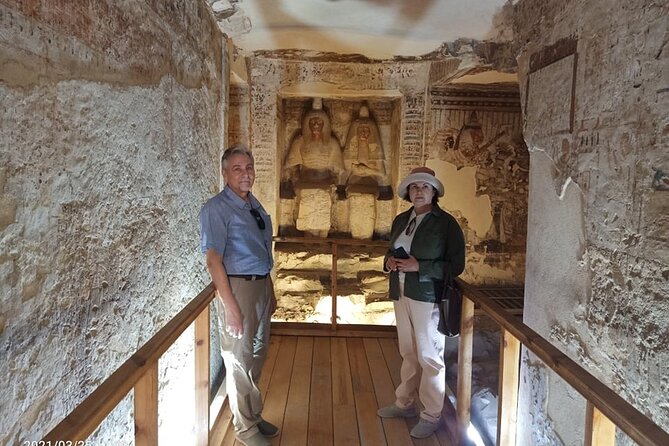
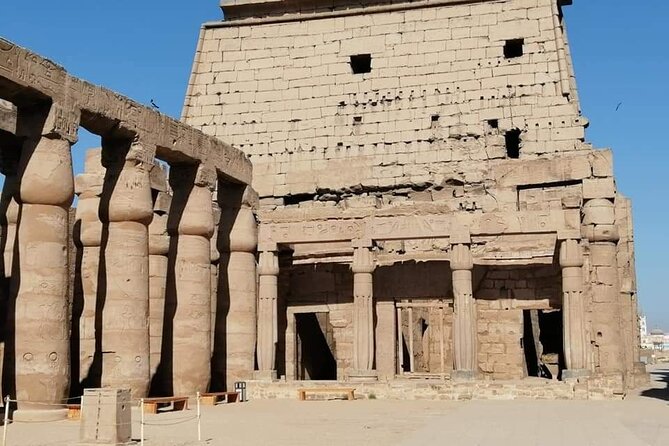
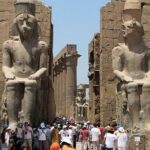
After the West Bank, you cross back to the East Bank for Luxor Temple. This is where the day shifts from burial landscapes to living-city grandeur. Luxor Temple is a major part of the “you can’t miss it” list for many people, but it’s the guided connection that keeps it from becoming just another set of walls and columns.
Your time here is about 2 hours. That’s long enough to walk through at a steady pace, absorb the main sightlines, and still ask questions. Admission isn’t listed as included at this stop, so again, your total cost depends on the option you choose.
A practical tip: if you’re picky about timing and you don’t want to feel rushed, Luxor Temple is a good place to ask your guide what to focus on first. The site can feel more open than it looks on photos, and it’s easy to drift without a route.
One more note from the pattern of feedback: people often call out the guide as helpful and informative, which really matters on the East Bank. Temples can feel similar unless someone shows you what to look for.
A few more Luxor tours and experiences worth a look


Karnak Temple: The Biggest Temple Experience Your Schedule Can Handle
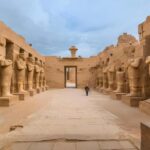
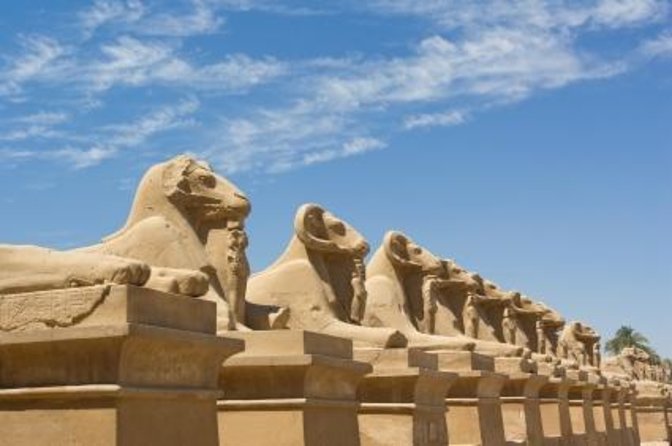
The final anchor is Temple of Karnak, described here as the biggest temple in all Egypt and the best place to see in Luxor. That’s a big claim, but it’s also easy to understand why. Karnak isn’t one building—it’s a temple complex, and it can be visually overwhelming if you show up without a plan.
You get about 2 hours at Karnak. For many visitors, that’s the sweet spot. You don’t try to conquer the entire complex, which would be exhausting, and instead focus on the main structures and layout. With a guide, you can also learn how the complex evolved over time—how power was layered onto stone across generations.
Since admission ticket is not listed as included here, it’s worth confirming what you’ve chosen for entry fees. If you’re trying to keep the day simple, selecting the option that includes entry fees with the guide often reduces stress.
If your legs start feeling it by the end of the day, Karnak is still manageable, but don’t plan to sprint through the last hour. Save your energy for the best sightlines and for the parts your guide highlights.
What the Private Vehicle Really Changes
A full-day tour can either feel like an organized day or like a stress test. The difference here is the private transport plus the way your guide supports you along the route.
Because this is limited to just your group, you’re not waiting on a bus full of strangers. That matters when you move between West and East Bank stops, where traffic timing and parking can affect the flow. Also, air-conditioned rides help you arrive at each site with your head still clear enough to take in what you’re seeing.
You’re also told bottled water is included. Sounds small, but in Luxor heat it’s the sort of detail that makes the day feel kinder to your body.
The best part? Pickup punctuality and comfort have been specifically noted, and those two things set the tone for everything that follows. If you start the day calmly, you enjoy the sights more.
Who This Tour Suits Best
This private full-day plan is a strong match if you want a classic Luxor circuit but hate wasting time figuring things out. It also works well if you prefer a more thoughtful pace with a guide who can answer questions.
It’s especially good for:
- First-time visitors who want both banks without making separate arrangements
- People who like architecture and want the “why” behind design choices, like Hatshepsut’s terraces
- Anyone who values comfort—air-conditioning, bottled water, and direct pickup
If you’re traveling with kids, the day can still work, but plan for breaks and keep expectations realistic because it’s a long schedule. If you’re someone who needs lots of time inside tombs, remember your time at each stop is set; you may want to focus on fewer sites more deeply.
Price and Value: What You’re Paying For
At $22.91 per person, this is priced like a budget-friendly Luxor day—especially because private transportation is included. That’s a big part of the value equation. You’re not just buying entry tickets. You’re buying your way through the day: car, driver, guide time, and water.
The key catch is admissions. The itinerary shows admissions as not included for the Valley of the Kings, Hatshepsut’s temple, and Karnak, while the Colossi of Memnon has admission listed as included. Also, the package says guide & entry fees are included when you choose from the available options, which means the final price can change depending on what you select.
So the smart approach is this: decide whether you want to handle admissions yourself or pay a little more upfront for fewer decisions. Either way, the tour still tends to be good value because it groups the big Luxor sights into one coordinated day with comfortable logistics.
One more thing: the tour mentions group discounts. If you have a small group traveling together, that can help the price feel even more reasonable compared to booking separate private drivers for West and East separately.
Should You Book This Private Full-Day West and East Bank Tour?
If your goal is a full Luxor day that covers the major sights on both banks, I’d say this is worth strong consideration. The best reasons are practical: you get pickup, private air-conditioned transport, and a guide-led plan that keeps the day from turning into a logistical puzzle. The experience is also praised for punctual pickup, friendly patience from the staff, and a guide who stays informative and helps you along the way.
Book it if:
- you want one organized day instead of two half-plans
- you like learning context at temples and royal sites
- you prefer comfort over scrambling for rides and timing
I’d hesitate if:
- you’re trying to maximize time inside tombs and want total flexibility
- you don’t want to think about which sites require admission tickets based on your chosen option
- you’re sensitive to long, warm outdoor walking days
FAQ
How long is the private tour?
The tour runs about 6 to 7 hours.
Does the tour include pickup from Luxor?
Yes, pickup is offered, and the tour includes round-trip transfers from Luxor.
Is admission included for all the sites?
No. Admission tickets are not included for the Valley of the Kings, Temple of Hatshepsut, Luxor Temple, and Temple of Karnak. The Colossi of Memnon stop lists admission ticket as included. Entry fees may be included if you choose the option that includes guide and entry fees.
Is this a private tour?
Yes. It’s private, and only your group participates.
What’s included in the price?
Included items list private transportation, bottled water, and a guide. Entry fees are included only when you choose the option that includes them. An air-conditioned vehicle is also included.
What weather conditions are required?
The experience requires good weather. If it’s canceled due to poor weather, you’ll be offered a different date or a full refund.