REVIEW · LUXOR
Nile cruise between Luxor and Aswan: Sail the best temples in Egypt
Book on Viator →Operated by Conocer Egipto · Bookable on Viator
Temples, then calm on the Nile. This Luxor-to-Aswan cruise strings together Egypt’s biggest highlights—Valley of the Kings, Karnak, Edfu, Kom Ombo, and Philae—while also giving you real downtime aboard the boat for river views and pool time. It’s a nice mix of major sites and slower sailing moments.
I especially like two things. First, you can enter 3 tombs of your choice in the Valley of the Kings, so you’re not stuck with a single preset route. Second, the experience is shaped by a guide named Mohamed Gaber, praised for clear explanations and keeping the group engaged (yes, even with a bit of theatre-style teaching).
One possible drawback: two excursions are optional—Abu Simbel and a Nubian village visit—so your final day length and cost can change depending on what you choose.
In This Review
- Key things that make this Nile cruise work
- Why a Luxor-to-Aswan cruise hits harder than a day-hopping trip
- Day 1 in Luxor: settle in, then choose your own pace
- Valley of the Kings, Hatshepsut, Memnon, Karnak, and Luxor Temple
- Valley of the Kings: pick your tombs, not just your photos
- Deir el Bahari and Hatshepsut: one queen’s statement
- Colossi of Memnon: quick hit, big impression
- Karnak: the temple complex that keeps expanding in your mind
- Luxor Temple: Amun Ra and the city’s living center
- Afternoon navigation to Edfu: the calm part you’ll be glad you planned
- Edfu Temple: one of the best-preserved stops on the route
- Kom Ombo: a temple designed for two gods
- Abu Simbel, Philae, felucca, and optional Nubian village time
- Abu Simbel (optional): why it’s often worth the extra effort
- Philae: a temple on an island, reached by boat
- Felucca ride: watch Egyptian life from the water
- Nubian village visit (optional): cultural time plus a wild-water option
- Aswan on Day 5: free time with a real transfer plan
- Price and what you’re really paying for at $625
- The guide and group size: why it matters more than you think
- Practical tips so your days feel smooth
- Should you book this Luxor-to-Aswan Nile cruise?
- FAQ
- FAQ
- How long is the Luxor to Aswan Nile cruise?
- Where does the tour start and where does it end?
- What time do tours generally begin each day?
- Do I get picked up in Luxor?
- Is there a transfer arranged in Aswan?
- Are tickets included for the temples and visits?
- How are meals handled during the cruise?
- Which included temples and sites should I expect?
- Are Abu Simbel and the Nubian village visit included?
- How big is the group?
Key things that make this Nile cruise work
- Up to 3 tombs at the Valley of the Kings, giving you flexibility in what you see
- A full temple day in Luxor, including Hatshepsut at Deir el Bahari, Karnak, and Luxor Temple
- Real sailing breaks, including afternoon navigation and time to relax on deck and by the pool
- Two “must” temples on the river route: Edfu (Horus) and Kom Ombo (Sobek and Haroeris)
- Philae by boat + a felucca ride, so you see Egyptian life from the water, not just the shore
Why a Luxor-to-Aswan cruise hits harder than a day-hopping trip
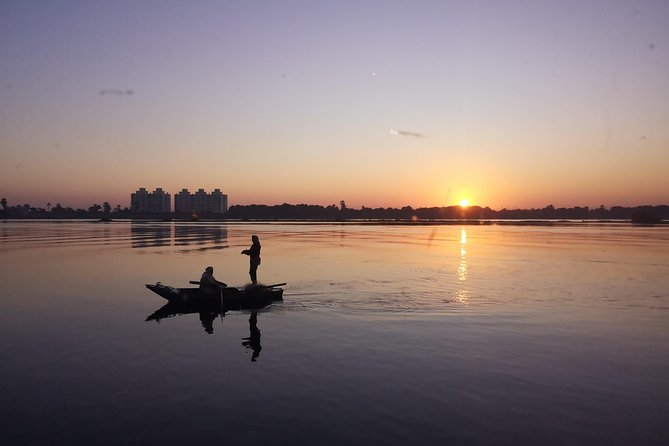
If you’ve ever tried to cram Luxor and Aswan into a busy schedule, you know what happens: you spend more time in cars than in temples. This format fixes that by moving with the river, so the trip feels built around the sites and not around traffic.
You also get built-in recovery time. After big morning visits, you’ll have afternoon navigation and spaces on the boat where you can rest, sunbathe, and let the day cool down before the next set of temples.
You can also read our reviews of more boat tours in Luxor
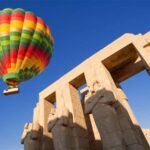

Day 1 in Luxor: settle in, then choose your own pace
You’re picked up in Luxor—airport, train station, or hotel—then taken to the boat. After you settle in your room, you start with meals according to the schedule, and the day is intentionally open and flexible.
That free time matters. Some people want to rest by the pool; others like to walk around Luxor on their own before the heavier temple days begin. Either way, you start the cruise feeling less rushed.
Valley of the Kings, Hatshepsut, Memnon, Karnak, and Luxor Temple
This is the “big day” in the itinerary, and it’s built like a history storyline: royalty in the necropolis, a queen’s legacy, then the massive temple complex world of Karnak. You’ll start with the Valley of the Kings, where you can enter 3 tombs of your choice.
Valley of the Kings: pick your tombs, not just your photos
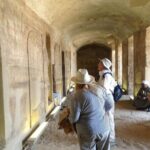
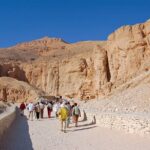
The Valley of the Kings is a major New Empire burial site, with tombs connected to pharaohs and figures from that era. The key benefit here is choice: you’re not limited to one tomb only, so you can focus on what interests you most.
Plan for this day to feel like “walking through stone stories.” Even when you’ve read a bit before coming, the physical scale and layout help the ideas click.
Deir el Bahari and Hatshepsut: one queen’s statement
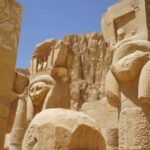
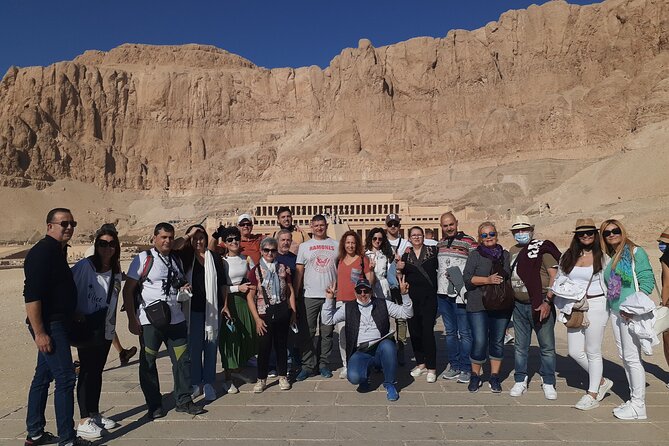
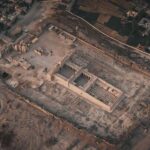
After the necropolis, you go to the Temple of Hatshepsut at Deir el Bahari. This is presented as one of the most important monuments of Ancient Egypt, and it’s easy to see why: the temple complex doesn’t feel like a single building. It reads like a carefully designed setting meant to project power and legitimacy.
If you like Egypt when it’s more than just pyramids and pharaoh stereotypes, this stop usually lands well. It adds a different angle: leadership, commemoration, and symbolism.
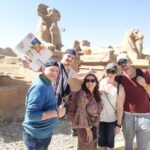

Colossi of Memnon: quick hit, big impression
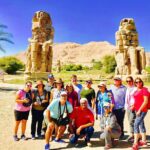
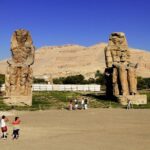
Next are the Colossi of Memnon, two giant stone statues tied to Pharaoh Amenhotep III. The visit is short—about 15 minutes—but it’s the kind of stop where you glance up and instantly get the point: these are meant to overwhelm your sense of scale.
Karnak: the temple complex that keeps expanding in your mind
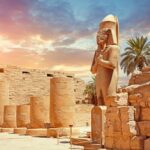
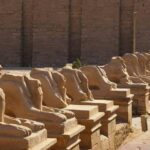
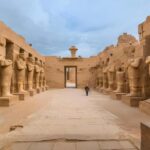
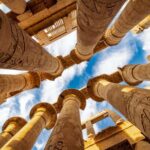
Karnak is where Egypt goes huge. The itinerary highlights the Avenue of the Sphinxes, the Hall of the Columns, and the Avenue of the Rams, and that’s a good outline for how to experience it.
Karnak can feel confusing if you arrive with only a vague sense of what’s where. But when a guide maps the area through explanations, it starts to make sense quickly—why certain lines matter, what the spaces were built to communicate, and how different pharaohs left layers over time.
Luxor Temple: Amun Ra and the city’s living center
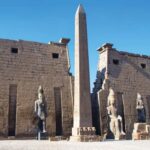
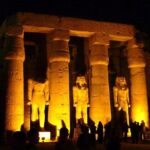
Finally, you visit Luxor Temple, connected to Amun Ra and raised in honor of that god. This closing stop gives a sense of continuity: it’s not only about cemeteries and distant rock-cut tombs, but also about how temples anchored city life.
Afternoon navigation to Edfu: the calm part you’ll be glad you planned
After the Luxor temple day, you’ll sail on the Nile while moving between Luxor and Edfu. This is where the cruise format earns its keep.
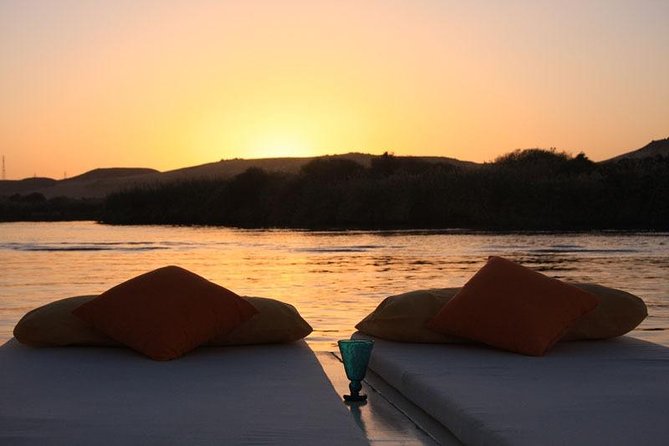
You get time to rest, sunbathe, and watch the river shift outside the boat instead of staring at a schedule and trying to “keep up.” It’s also a smart mental reset after hours of walking and standing in sun.
Edfu Temple: one of the best-preserved stops on the route
On Day 3, you visit Edfu Temple, dedicated to God Horus. The itinerary emphasizes that it’s one of the best-preserved temples of Ancient Egypt, and that’s important for how you experience it.
When a temple is well preserved, details read more clearly. Carvings and layouts make more sense, and you can connect your guide’s explanations to what you’re seeing in front of you without as many gaps.
If you’re trying to decide whether you want a “temples tour” or a “temples plus explanation” tour, this stop is a strong reason to choose the guided format. You’ll understand what you’re looking at faster.
Kom Ombo: a temple designed for two gods
Next is Kom Ombo Temple, built for two gods: Sobek and Haroeris. This is a fun change of pace from temples that feel focused on one dominant storyline.
A double-dedicated layout can make you feel like you’re seeing two worlds inside the same structure. If you enjoy noticing symbolism in structure—how space, names, and functions are built into the architecture—Kom Ombo rewards that habit.
Abu Simbel, Philae, felucca, and optional Nubian village time
Day 4 is where people often talk about the cruise afterward, because you get a mix of iconic scale and quieter “on-the-water” perspectives.
Abu Simbel (optional): why it’s often worth the extra effort
Abu Simbel is optional, but it’s framed as a must in the itinerary. The temples were excavated in rock during the reign of Pharaoh Ramses II, and the visit is dedicated to that monument complex and his wife Nefertari.
This is the one stop that can shift your entire day. If you choose to go, treat it like a priority block in your plans rather than an add-on you’ll treat casually. A full temple highlight like this tends to demand a focused mood.
Philae: a temple on an island, reached by boat
Philae is dedicated to the goddess Isis, and it’s located on an island. You arrive by boat, which means you start the visit with a little travel moment even before you reach the temple itself.
The island setting helps the experience feel different from mainland temples. It also gives you that satisfying “we’re arriving somewhere special” feeling without needing to add extra travel time.
Felucca ride: watch Egyptian life from the water
You’ll also take a felucca ride on the Nile to admire Egyptian life from another perspective. This is one of the calmer activities in the itinerary: you’re not hustling through entrances; you’re moving slowly and looking around.
It’s also a nice counterbalance after temple-heavy hours. Even if you’re a history person, you’ll feel the value of shifting your attention from stone details to everyday river rhythms.
Nubian village visit (optional): cultural time plus a wild-water option
The Nubian village visit is optional and includes meeting villages with traditional ways of life. The itinerary also mentions passing a place on the Nile where you can bathe if you dare, but this part is not included.
This optional add-on is for you if you like cultural encounters beyond temples. If you prefer staying strictly on the “major sites only” track, you can skip it and keep the day lighter.
Aswan on Day 5: free time with a real transfer plan
After breakfast and checkout, the day opens up for free time in Aswan. You can tour on your own, and the team takes you to where you need to go—hotel, airport, or station—when you tell them.
This structure is practical. It avoids the last-day scramble and lets you plan based on your flight time. If you want to shop, photograph, or just decompress by the river, you can do it without feeling like you’ll miss the official schedule.
Price and what you’re really paying for at $625
At $625 per person, this cruise is priced like an organized bundle, not a budget-only transfer. The value comes from the fact that it includes:
- Accommodation for 4 nights on the cruise
- All visits mentioned in the itinerary
- Pickup in Luxor (airport, train station, or hotel)
- Transfer in Aswan (airport, station, or hotel)
- Tickets for the included sites
- Meals: lunch (5) and dinner (4)
- Mobile ticket
That’s the key: you’re not just buying a boat ride. You’re buying a guided temple circuit plus the convenience layer that makes it easier to see a lot without constantly negotiating entrances or timing.
Two things aren’t included: drinks and tips. So budget for water/soft drinks and plan on tipping your guide and boat staff if that’s your style.
The guide and group size: why it matters more than you think
The max group size is 30 travelers, which is big enough to feel lively but small enough that a guide can still manage pacing. That balance affects your experience in temples, where lines, photo spots, and time-on-floor matter.
The guide named Mohamed Gaber is repeatedly praised for being attentive, organized, and good at explaining Egyptian culture and history. One detail that stands out: he’s described as engaging and even doing mini performances with the group to make key points stick. If you’ve ever had a “read the plaque yourself” tour, you’ll appreciate this more.
Also, the boat director named Máximo is mentioned as friendly and helpful. Those staff interactions matter on a cruise because you live in the same floating bubble for days.
Practical tips so your days feel smooth
Here are the smart moves I’d make if you’re booking this kind of itinerary:
- Decide early on optional stops. Abu Simbel and the Nubian village visit can change how long your days feel, so choose based on your energy and interests.
- Plan for heat and long walking. Many temple visits are timed and daytime-focused, so wear something breathable and build in water breaks when you can.
- Use the guide’s structure. When explanations are clear, places like Karnak become much easier to understand. Ask questions during quieter moments rather than waiting until the end.
- Balance temple time with boat time. The sailing and pool moments aren’t just filler. They prevent fatigue and make the next temple day feel less like a grind.
- Keep a simple photo plan. You’ll want wide shots for scale (especially Karnak and the giant statues) and close-ups for details. Don’t try to capture everything. Pick a few shots you really want.
Should you book this Luxor-to-Aswan Nile cruise?
Book it if you want a guided, temple-focused trip that also respects your need to rest. The itinerary has a clear rhythm: major sites in the morning, then sailing and downtime, then more temples with variety in the temples themselves (Horus at Edfu, dual gods at Kom Ombo, Isis at Philae).
Skip it or rethink your fit if you hate optional detours and prefer a tightly fixed schedule every day. Because Abu Simbel and the Nubian village visit are optional, your final experience depends on what you choose to add.
If your sweet spot is: history with good explanations, a small group size, tickets handled for you, and time to actually enjoy the Nile rather than just sprint through it—this cruise is a strong match.
FAQ
FAQ
How long is the Luxor to Aswan Nile cruise?
It’s listed as about 5 days.
Where does the tour start and where does it end?
It starts in Luxor and ends in Aswan.
What time do tours generally begin each day?
The start time is listed as 6:00 am.
Do I get picked up in Luxor?
Yes. Pickup is offered at the airport, train station, or hotel in Luxor.
Is there a transfer arranged in Aswan?
Yes. After breakfast and checkout, you’re taken to the hotel, airport, or station you request.
Are tickets included for the temples and visits?
Yes. Tickets for the places mentioned in the itinerary are included, and a mobile ticket is provided.
How are meals handled during the cruise?
Lunch is included 5 times, and dinner is included 4 times. Drinks are not included.
Which included temples and sites should I expect?
You’ll visit the Valley of the Kings, Temple of Hatshepsut (Deir el Bahari), Colossi of Memnon, Karnak, Luxor Temple, Edfu Temple, Kom Ombo Temple, Philae Temple, plus a felucca ride.
Are Abu Simbel and the Nubian village visit included?
They are optional. Abu Simbel is optional, and the Nubian village visit is optional and not included in the itinerary’s included items.
How big is the group?
The tour has a maximum of 30 travelers.