REVIEW · CAIRO
Cairo Citadel, Civilization Museum and Old Cairo
Book on Viator →Operated by Twitter Egypt Travel · Bookable on Viator
Cairo packs empires into one day. This private tour is interesting because it strings together Cairo Citadel views, the National Museum of Egyptian Civilization’s big-picture storytelling, and the churches of Old Cairo under one efficient plan. I like that the day starts with prompt hotel pickup in an air-conditioned private vehicle, so you’re not wasting time. I also like the focused guidance, with Hoda (spelled Honda in one review) praised for being organized and clear from stop to stop.
One thing to plan for: entrance fees for the Citadel and NEMC are not included (1050 EGP per person), and lunch isn’t part of the price, so your day budget should account for that.
In This Review
- Key things to know before you go
- The value of this Cairo combo: citadel, national museum, and Coptic Old Cairo
- Morning logistics that keep stress low
- Stop 1: Cairo Citadel of Saladin and Mohamed Ali Alabaster Mosque
- What to expect on the ground
- The main drawback at this stop
- Stop 2: National Museum of Egyptian Civilization (NEMC)
- How to make NEMC work for your time
- Main thing to watch
- Stop 3: St. Sergius and Bacchus Church (free)
- What to expect
- Practical drawback
- Stop 4: Coptic Old Cairo—Hanging Church, Abu Serga, and the Coptic Museum
- Hanging Church: why it’s famous
- Abu Serga: a refuge tradition
- Coptic Museum: artifacts that give the story teeth
- Time reality: plan for a focused, not exhaustive, Old Cairo
- Price, entrance fees, and whether $49 is a deal
- Who this tour suits best (and who might want a different plan)
- Practical tips to make your day smoother
- Should you book this Cairo Citadel, NEMC, and Old Cairo tour?
- FAQ
- What is included in the $49 per person price?
- Are entrance fees included?
- Which church stops are free?
- What time does the tour start?
- Is lunch included?
- Can I cancel for a full refund?
Key things to know before you go
- Private hotel pickup in Cairo or Giza at 8:00 am, plus drop-off and bottled water
- Qualified Egyptologist guide, with strong marks for clear explanations and smooth timing (including Hoda/Honda)
- Cairo Citadel visits key eras: Ayyubid (Saladin), Mamluk, and the 19th-century Muhammad Ali period
- National Museum of Egyptian Civilization is built for context, with chronological and thematic sections and UNESCO technical help
- Coptic Old Cairo churches are free, including St. Sergius and Bacchus, plus the Hanging Church area and Abu Serga tradition
- Mobile ticket and a private group setup, so the day stays on your schedule
The value of this Cairo combo: citadel, national museum, and Coptic Old Cairo
I like tours that prevent the common problem in Cairo: you see one big site, then the day falls apart. This one keeps the logic tight. You start high at the Citadel, move into the story of Egypt at the National Museum of Egyptian Civilization (NEMC), then finish with faith, legend, and early Christian art in Coptic Cairo.
You also get a rare mix of viewpoints. The Citadel helps you understand power and defense. NEMC helps you understand how long Egyptian civilization stretched across eras. And Old Cairo gives you a different kind of continuity, centered on the Coptic Christian community and the churches tied to the Holy Family traditions.
The pricing makes sense when you look at what’s included versus what isn’t. Your ticket cost covers the guide, the private air-conditioned transportation, and hotel pickup/drop-off. You still pay entrance fees separately for the big paid sites, but that’s typical for Cairo’s top museums and landmarks.
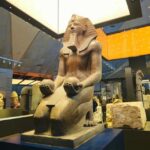
You can also read our reviews of more museum experiences in Cairo

Morning logistics that keep stress low
This tour starts at 8:00 am, with pickup from your hotel in Cairo or Giza. I really value the hotel pickup because traffic and taxi-hunting can eat up your best morning hours, especially when you’re trying to hit multiple major stops.
You ride in an air-conditioned vehicle with bottled water, which matters in Cairo heat. The tour is also set up as a private activity for your group only, so you’re not stuck waiting around for the slowest pace in a larger group.
There’s also a mobile ticket element, which usually means less paper-fuss on the day. Confirmation happens at booking time, which helps you plan your schedule confidently.
Stop 1: Cairo Citadel of Saladin and Mohamed Ali Alabaster Mosque
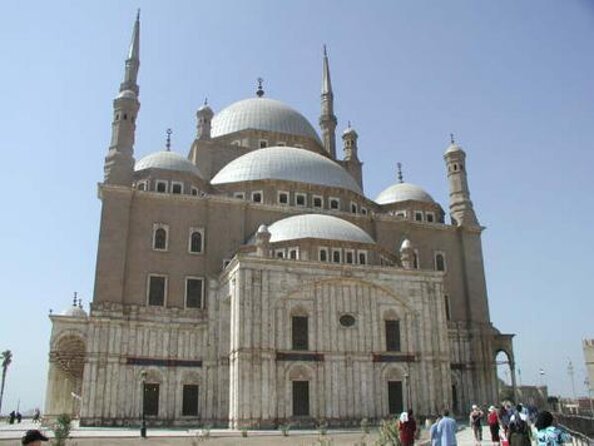
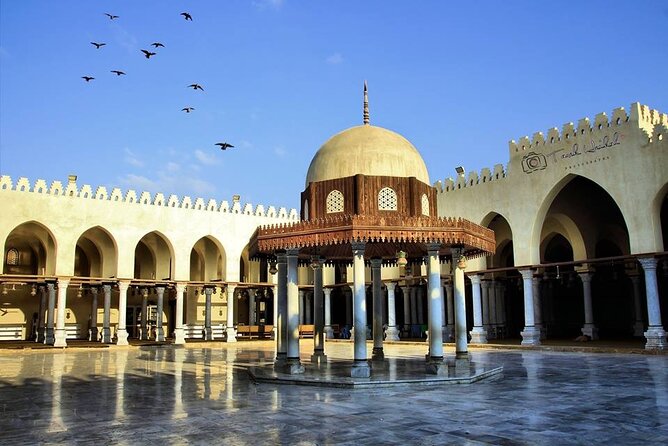
The Citadel is more than a viewpoint. It’s a living outline of how rulers defended themselves and displayed authority. Built on a promontory beneath the Muqattam Hills, the setting was chosen because it was difficult for enemies to attack.
What I find especially useful here is the layered construction story. The Citadel has three major build-and-rebuild periods shaping what you see today. You’re looking at:
- the 12th-century Ayyubid period tied to Saladin
- the 14th-century Mamluk period under al-Nasir Muhammad
- the 19th-century transformation under Muhammad Ali
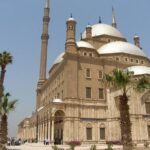
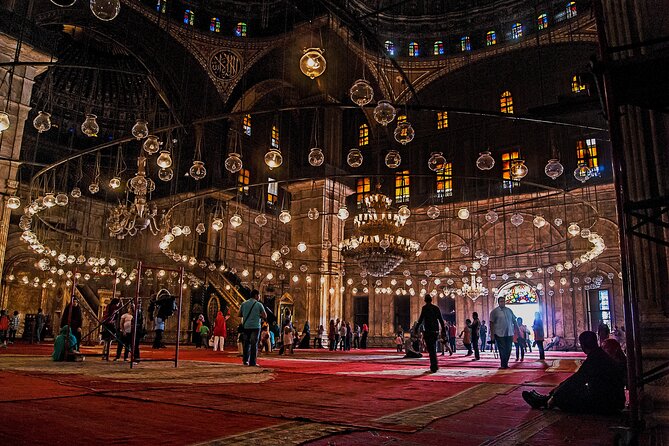
Inside this fortress-world, the tour includes the Mohamed Ali mosque and specifically the Mohamed Ali Alabaster Mosque. The overview notes it was designed by architect Yousif Boushnaq, using an Ottoman architectural style. That Ottoman connection is a helpful contrast: you’re standing in an Egyptian stronghold that later absorbed different visual languages of power.
What to expect on the ground
Plan for a proper walking-and-looking stop rather than a quick photo break. You’ll want comfortable shoes and some patience for shifting angles and courtyards. Even if you’re not a fortress person, the Citadel is where Cairo starts making sense as a city of strategic elevations.
The main drawback at this stop
Admission is not included (1050 EGP per person), so this is one of the places where you’ll want to budget ahead. Also, the Citadel can take time depending on crowds and security checks, so don’t plan anything tight right after.

Stop 2: National Museum of Egyptian Civilization (NEMC)
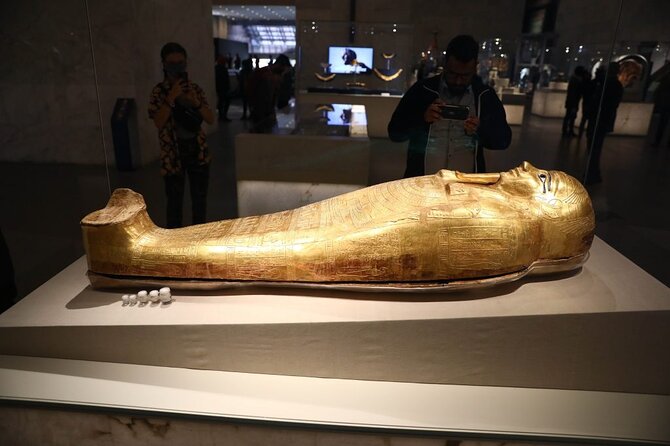
If the Citadel is about power and the fortress logic, NEMC is about context. The museum’s permanent collection is split into two complementary ways of seeing: a chronological path and a thematic set of topics.
The chronological galleries run through Archaic, Pharaonic, Greco-Roman, Coptic, Medieval, Islamic, modern and contemporary. That sequence is great for first-timers because it stops you from treating Egyptian history like separate disconnected highlights. Instead, you start noticing how each era sits next to the next.
Thematic sections cover the big themes that help you connect objects to meaning: Dawn of Civilization, The Nile, Writing, State and Society, Material Culture, Beliefs and Thinking, plus the Gallery of Royal Mummies.
Two details here are especially practical for your expectations. First, the museum received UNESCO technical help, which reflects how seriously they approached the presentation. Second, the collections were brought together from other Egyptian museums, including the Egyptian Museum, Coptic Museum, Museum of Islamic Art, Manial Palace and Museum in Cairo, and the Royal Jewelry Museum.
How to make NEMC work for your time
This stop runs about two hours on the tour. That’s enough time to get oriented, not enough to read everything cover to cover. I suggest choosing one approach early:
- If you want the story straight through, follow the chronological flow.
- If you’re more curious about how people lived, use the thematic galleries to pick what interests you most.
A good guide helps a lot here, because they can point out which rooms are the best use of your limited time. In Cairo, two hours can either feel productive or rushed, depending on the route your guide chooses.
Main thing to watch
Entrance fees apply here too and are not included. Also, NEMC can feel like a lot of information fast. Having a guide who keeps the pace steady turns it into learning, not overload.
Stop 3: St. Sergius and Bacchus Church (free)
Next you shift from museum storytelling to a church with deep ties to the Coptic tradition. The Church of St. Sergius and Bacchus is traditionally believed to have been built on the spot where the Holy Family—Joseph, Mary, and the infant Jesus—rested at the end of the journey into Egypt.
The tour also notes that Joseph may have worked at the fortress, linking daily life, faith, and place. That’s the kind of historical-meets-religious story that makes Old Cairo feel different from other city districts.
There’s another reason this stop matters: it’s described as a place where many patriarchs of the Coptic Church were elected. Even if you don’t know the details of Coptic leadership history, knowing that this church served as a key point of decision helps you see why it still pulls attention.
What to expect
This is a free church stop, listed as about one hour. Expect a quieter pace than the Citadel and a more focused look at icon-adorned tradition and church space.
Practical drawback
Because this is a working religious site, you may have to follow local rules on behavior and dress. The tour guide will help, but your best move is to keep clothing simple and respectful.
Stop 4: Coptic Old Cairo—Hanging Church, Abu Serga, and the Coptic Museum
Old Cairo is where the tour turns from “see” to “feel the layers.” This part is built around the Coptic Christian community, described as one of the world’s oldest.
You’ll visit a medley of early churches linked to sacred traditions, including the Hanging Church and Abu Serga, where the holy family is said to have found refuge. The overview also frames this area as a private tour experience with a guide, so you’re not just standing in front of buildings—you’re getting the story that shaped what people worshipped there.
Hanging Church: why it’s famous
The tour names the Hanging Church directly, and that’s enough to know you’re stepping into one of the most talked-about places in Coptic Cairo. It’s part of the church circuit built around early Christianity in Egypt, and you’ll likely spend time looking closely at how icon-adorned tradition shows up in the space.
Abu Serga: a refuge tradition
The Abu Serga tradition is included for a reason: it keeps the story connected to the Holy Family route and the idea of refuge during that time. Even if you approach the story with curiosity rather than belief, the way local tradition anchors buildings in memory is important to understand why Old Cairo still draws pilgrims and visitors alike.
Coptic Museum: artifacts that give the story teeth
The tour includes time to visit the Coptic Museum as part of the Old Cairo experience. The museum is described as a treasure trove of ancient artifacts that tell the story of this Christian community.
I like museum stops in places like this because it helps you move beyond legend and into material culture. You get a more grounded understanding of how a community preserved its identity through objects, art, and records.
Time reality: plan for a focused, not exhaustive, Old Cairo
The supplied overview describes Coptic Cairo as a private tour and also mentions a multi-stop church circuit. Depending on pace on the day, you should expect this portion to feel compact but meaningful. If you like structured stops, this schedule works well. If you want a full day just in Old Cairo with wandering time, you might crave more hours than the tour provides.
Price, entrance fees, and whether $49 is a deal
The headline price is $49.00 per person for a 6 to 7 hour experience, with hotel pickup/drop-off, private transportation, a qualified Egyptologist guide, and bottled water included.
Here’s the value math I’d do before booking:
- Included: you pay for the guide and private ride that links multiple major locations.
- Not included: entrance fees are 1050 EGP per person, and lunch is not included.
So the cost is a base price plus museum/landmark admissions. If you’d be paying taxis and hiring a guide anyway, the structure is likely efficient. And the private-group setup matters: you avoid waiting around with unrelated people and you can keep a steady tempo that suits your group.
Also, the tour notes group discounts. That’s a real value lever if you’re traveling with friends or family who will keep the same schedule.
Who this tour suits best (and who might want a different plan)
This tour fits best if you want a smart Cairo day without map chaos. I’d especially recommend it for:
- first-timers who want a “big picture” route across major sites
- history and architecture fans who like seeing the same city from different angles
- couples or small groups who prefer private pacing
It may be less ideal if you:
- want to spend extra time reading slowly inside museums
- hate paying separate entrance fees at major sites
- plan to do more after the tour in the same area without a buffer (because Cairo traffic and security lines can shift timing)
One more note: the Citadel and NEMC are the two longer paid stops in a day that also includes multiple church sites. If your group wants a heavier museum day or a heavier Old Cairo day, this balanced route may feel just right or slightly split.
Practical tips to make your day smoother
These are the small things that can turn Cairo from tiring into enjoyable:
- Wear comfortable shoes. You’ll be walking through historic spaces with uneven surfaces.
- Bring a hat and sunglasses. Even indoors, Cairo’s light can be sharp.
- Use the provided bottled water, then plan a top-up during breaks since lunch is not included.
- Budget for 1050 EGP per person entrance fees for the paid stops, and plan your lunch time separately.
- Keep your camera ready for three different visual worlds: fortress views at the Citadel, object galleries at NEMC, and icon-adorned church interiors in Coptic Cairo.
And based on the strong comments about guide performance, I’d lean on your guide to keep you moving efficiently. The praise for Hoda/Honda wasn’t just about facts—it was about organization, which is what saves time in a day like this.
Should you book this Cairo Citadel, NEMC, and Old Cairo tour?
Yes, if you want a single-day plan that covers three high-impact sides of Cairo: defensive architecture at the Citadel, civilization-wide context at NEMC, and the Coptic story in Old Cairo churches and museum.
I’d book it if:
- you value private hotel pickup and a steady route
- you want a guide who can explain what you’re looking at (and keep timing smooth)
- you’re comfortable adding separate entrance fees and skipping lunch-included expectations
I might skip or look for a different option if your priority is one site only, like a long, unhurried museum day or a full Old Cairo afternoon with lots of wandering.
If you do book, tell your guide what you care about most—Citadel architecture, museum themes, or Coptic church stories. In a schedule like this, that one conversation can shape the whole day.
FAQ
What is included in the $49 per person price?
The price includes an air-conditioned vehicle, private transportation, a qualified Egyptologist guide, hotel pickup and drop-off, and bottled water.
Are entrance fees included?
No. Entrance fees are listed as 1050 EGP per person and are not included in the tour price.
Which church stops are free?
The itinerary lists St. Sergius and Bacchus and the Hanging Church area as free admission stops.
What time does the tour start?
The meeting/start time is 8:00 am.
Is lunch included?
No, lunch is not included.
Can I cancel for a full refund?
Yes. Free cancellation is available, and you can cancel up to 24 hours in advance of the experience’s start time for a full refund.