Egypt’s tombs make time feel unreal. This private West Bank run hits the big names fast, from the Valley of the Kings to Hatshepsut’s temple, with hotel or Nile Cruise pickup and an Egyptologist guide who makes the myths and symbols click. I love the way the day stays organized in air-conditioned transport and the way guides like Irene, Maria, and Mahmoud guided us with story-first explanations. One thing to plan for: it’s a daytime outing in Luxor, so bring sunscreen and light layers, because heat comfort comes up again and again in real-world feedback.
If you like your Luxor with fewer logistics headaches and more “wait, that’s what that painting means?” energy, this tour fits. You get enough time at each stop to walk, look closely, and take photos at the right moments, but it still feels like a single flowing day instead of three separate ticket lines.
In This Review
- Key highlights at a glance
- The Value: Why this West Bank route makes sense for your day
- Pickup and transport: the difference between a good day and a stressful one
- Valley of the Kings: walking into the heart of royal afterlife beliefs
- Hatshepsut at Deir el-Bahari: the temple terraces that make power look effortless
- Colossi of Memnon: a short stop that earns its place
- Time management and comfort in real Luxor conditions
- What’s included (and what you should budget for)
- Who this private tour is best for
- Should you book this Luxor West Bank private tour?
- FAQ
- How long is the Luxor West Bank private tour?
- What is included in the admission fees?
- Do I get hotel or Nile Cruise pickup?
- Is this tour private?
- What ticket format do I receive?
- Can I get a full refund if I cancel?
Key highlights at a glance
- Private Egyptologist guidance that turns tomb walls and temple terraces into real stories
- Valley of the Kings ticket included, with time built in for seeing major tombs
- Deir el-Bahari and Hatshepsut Temple admission included, in the dramatic setting tied to the Valley of the Queens
- Colossi of Memnon stops are free, quick and perfect for photos without a long add-on
- Pickup and drop-off from your hotel or Nile Cruise, using an air-conditioned vehicle
The Value: Why this West Bank route makes sense for your day
Luxor’s West Bank can feel like a choose-your-own-adventure—too many gates, too many signs, and too many chances to lose time. What I like about this specific format is the focus. You’re not trying to cram in a dozen sites. You’re hitting the ones that give you the clearest picture of royal power, religious beliefs, and what people built for eternity.
At about $14.14 per person, the math is hard to ignore—especially because admission for the two main sites is included: Valley of the Kings and Temple of Hatshepsut at Deir el-Bahari. The Colossi of Memnon stop is also free. If you’ve paid separately for admissions before, you’ll recognize the difference right away: this feels like the guided portion is doing most of the heavy lifting, while tickets aren’t piling on.
There’s also the private angle. You’re not sharing your pace with strangers who may want to rush or linger. That matters at tombs, where you often have limited time inside and you don’t want to get stuck waiting outside because someone took the scenic route.
You can also read our reviews of more private tours in Luxor
Pickup and transport: the difference between a good day and a stressful one
You start with pickup from your hotel or Nile Cruise in an air-conditioned vehicle. For me, this is a big deal in Luxor, because the West Bank roads and the heat can wear you down fast. Even when everything else goes right, arriving at the sites already warm and scattered can make the experience feel harder than it is.
The tour is set up as private, meaning only your group participates. In the real-world feedback, guides and drivers are consistently praised for being punctual and professional—people name folks like Mohamed and George when they talk about the smooth start. That’s exactly what you want when you’re trying to enjoy the monuments instead of managing small problems.
One small note: the Colossi of Memnon is a shorter stop, about 30 minutes. That can be a win if you’re heat-sensitive or you just want one strong final photo moment before heading back.
Valley of the Kings: walking into the heart of royal afterlife beliefs
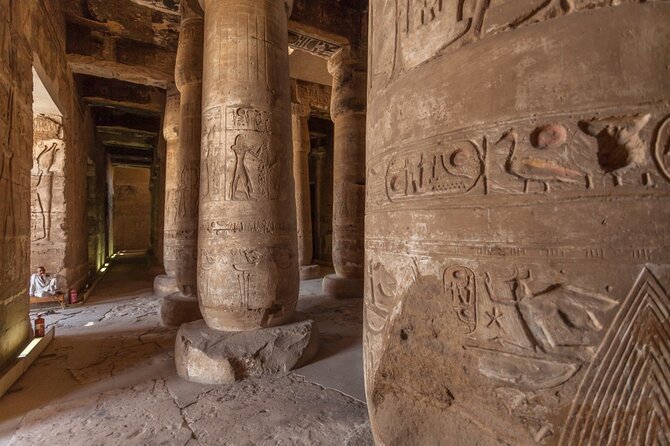
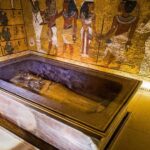
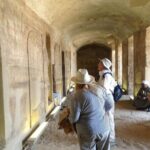
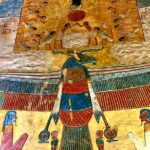
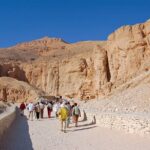
This is the big one. The Valley of the Kings is known for its tombs—officially listed as 63 tombs—and it’s where the idea of an afterlife stops being abstract. With an Egyptologist, you don’t just look at carved scenes. You get the meaning behind the symbols and the way the ancient Egyptians imagined the journey beyond death.
You’ll get about 3 hours at the Valley of the Kings, with admission ticket included. That timing is long enough to do more than a quick loop. You can walk the valley paths, read the signs you pass, and go in with a better sense of what you’re seeing before you step into the tomb spaces.
Also: King Tutankhamun is the name everyone knows, and his tomb is the most famous draw. Even if you’re not obsessed with every pharaoh, the Valley hits harder when you understand why these tombs were built where they were and what the decoration was meant to do.
Practical reality check: tomb interiors can feel dim and cool compared to the desert outside, but they’re still part of a longer day in Luxor. Bring something light for sun, and keep your energy for walking. A good guide—people like Ahmed and Hanan come up in feedback—will help you not only with facts, but also with timing and pacing so you’re not racing.
Hatshepsut at Deir el-Bahari: the temple terraces that make power look effortless
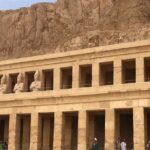
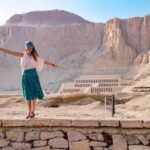
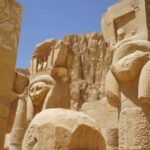
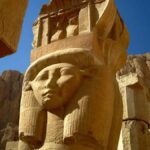
After the Valley, you head to Temple of Queen Hatshepsut at Deir el-Bahari, with admission included and around 2 hours on site. This is one of those places where the setting matters as much as the carvings. The temple sits above the surrounding area in a way that turns the terraces into something you can feel in your body—wide steps, long sightlines, and desert light doing half the work.
Hatshepsut’s story is the point. She’s remembered as the “Foremost of Noble Ladies,” and the tour focuses on how her reign shaped long-lasting legacy. One detail that stands out in this tour description: it’s tied to ideas about early trading routes. Even if you only remember one thing, it should be this: this isn’t just a temple. It’s a political statement.
You’ll also hear the bigger frame—how Deir el-Bahari connects to the wider Valley setting, often referenced as the Valley of the Queens area. That helps you see why West Bank sites cluster the way they do: it wasn’t random landscaping. It was planned geography tied to belief, memory, and authority.
This is also where many guides really lean into storytelling. In feedback, Maria and Sahar Mo are praised for making explanations easy to follow, and Fatima is called out for being enthusiastic and clear. If you like learning through narrative—rather than reading wall captions and hoping for the best—this stop is usually the highlight.
A practical consideration: wear shoes with grip. The grounds can be uneven, and you’ll likely want to pause for views from terrace angles. If you’re tempted to stand still for photos, just remember you still have one more stop later.
Colossi of Memnon: a short stop that earns its place
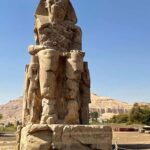
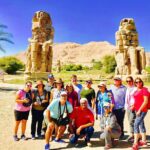
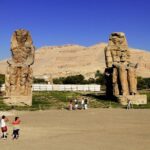
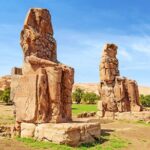
Then comes the Colossi of Memnon—two colossal statues—visited for about 30 minutes. Admission here is free, and that makes the stop feel low-stress. The statues are made from blocks of quartzite sandstone, and they’re associated with the entrance of Amenhotep’s memorial temple.
This is the kind of site that’s perfect for “quick but memorable.” You get a strong sense of scale fast, and you can grab photos without feeling like you’re losing half a day. It also works as a decompression point after the Valley and Hatshepsut, since you’re less focused on reading lots of inscriptions and more on viewing the monument and taking it in.
In the photos you’ll take, you can actually see why the Colossi stayed famous for centuries—monumental size plus a dramatic desert background. It’s not the longest stop, but it’s a strong visual capstone.


Time management and comfort in real Luxor conditions
The whole tour runs about 6 hours. For a West Bank day, that’s a practical length: enough time to do the key sites with a guide, but not so long that you feel cooked by late afternoon.
What’s especially reassuring is how often real guests mention comfort in hot weather. People describe tours as comfy and well-paced, and they highlight guides who keep things moving without pressure. That’s the sweet spot: you want structure, but you don’t want to feel rushed through archaeology.
My advice: treat this as a walking and heat day. Plan to drink water during transfers (when you can), take shade breaks when available, and keep your phone battery safe. If you’re going to shoot photos, do it with intention—don’t spend every second filming. Let your eyes do some of the work.
What’s included (and what you should budget for)
Included:
- Valley of the Kings admission
- Temple of Hatshepsut at Deir el-Bahari admission
- Colossi of Memnon admission is free
- Egyptologist guide
- Hotel or Nile Cruise pickup and return
- All service charges and taxes
- Mobile ticket
Not included:
- Tipping (so set aside a bit for your guide and driver if you feel they earned it)
If you’re trying to compare prices across Luxor tours, don’t just compare the base number. Look at whether admissions are packaged like this one. Here, your two main-ticket sites are covered, and the last stop has free entry.
Who this private tour is best for
This is ideal if you want a focused West Bank day with a guide who explains what you’re looking at. You’ll especially enjoy it if you:
- like learning through clear storytelling (names of guides like Ahmed, Bob, Ibrahim, and Mahmoud show up for a reason)
- want an organized plan with pickup and drop-off
- prefer private pacing over group shuffle
It can also suit first-time Luxor visitors who are overwhelmed by options. With this route, you get a strong sweep of themes: kingship and tombs, a royal woman’s temple legacy, then a final monument for scale.
If you’re a hardcore “I only want to see the most famous tombs” traveler, you may want to double-check what inside-tomb choices your guide plans to prioritize. The tour guarantees time and admission for the Valley, but the exact tomb-by-tomb plan isn’t listed in the data you provided.
Should you book this Luxor West Bank private tour?
I’d book it if you want your day on the West Bank to feel smooth and meaningful. The biggest reasons are simple: admissions are included for the two key sites, you get Egyptologist guidance, and pickup/return removes the most annoying part of independent travel in Luxor.
Skip it (or at least rethink) if you’re the type who wants to linger long hours in one place, or if you hate walking in desert heat without frequent breaks. At about 6 hours total, the schedule is efficient rather than slow.
If your goal is to see the classics—Valley of the Kings and Hatshepsut—and understand them without getting lost in facts-only overload, this private format is a smart call.
FAQ
How long is the Luxor West Bank private tour?
The tour is approximately 6 hours.
What is included in the admission fees?
Admission is included for the Valley of the Kings and the Temple of Hatshepsut at Deir el-Bahari. Admission to the Colossi of Memnon is free.
Do I get hotel or Nile Cruise pickup?
Yes. Pickup and return transfer are included from your starting point in Luxor.
Is this tour private?
Yes. It’s a private tour/activity, so only your group participates.
What ticket format do I receive?
You’ll receive a mobile ticket.
Can I get a full refund if I cancel?
Yes. You can cancel up to 24 hours in advance for a full refund. Cancellation cut-off is based on the experience’s local time.