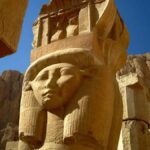
Seven hours in Luxor feels like time travel. This full-day tour ties together the big-name sites on both sides of the Nile, with hotel pickup and a private Egyptologist guide who explains what you’re looking at as you go.
I especially like that the day includes a free lunch in Luxor. It’s not an afterthought, it’s your reset break so you can keep your energy for Karnak and Luxor Temple.
One catch to plan for: tips are not included, and airport pickup costs $10 extra.
In This Review
- Key highlights you’ll actually feel
- Why this East and West Bank day makes sense
- Pickup, air-conditioned comfort, and the pacing you need
- Valley of the Kings: Tutankhamun’s tomb and the drama of burial art
- Deir el-Bahari and Hatshepsut: a temple built to stare at the sky
- Colossi of Memnon: iconic statues and a quick photo moment
- Lunch in Luxor: a free reset that keeps the day enjoyable
- Karnak Temple: the largest religious building and the joy of hieroglyphs
- Luxor Temple: colonnades and a link to the Opet Festival
- The $9 price: what’s a bargain, what to double-check
- Who this tour fits best
- Should you book this Luxor East & West Bank highlights tour?
- FAQ
- How long is the Luxor East & West Bank highlights tour?
- Does the tour include hotel pickup?
- Is lunch included?
- Which sites are visited during the day?
- Are admission tickets included?
- Is this a private tour?
- What’s included besides the guide and admissions?
- Are tips included in the price?
- Is airport pickup included?
- Can I get a full refund if I cancel?
Key highlights you’ll actually feel
- Private Egyptologist guide: you get stories and context, not just a list of ruins
- Included admissions for the main stops: Valley of the Kings, Deir el-Bahari, Karnak, and more
- Free lunch in Luxor: a real break with traditional Egyptian food
- East + West Bank in one day: Karnak and Luxor Temple paired with Valley of the Kings
- Comfortable transport: air-conditioned vehicle plus bottled water
- Good variety of sights: tombs, temples on a cliff, giant statues, and two temple complexes
Why this East and West Bank day makes sense
Luxor can feel like too much, too fast. This tour helps you handle it by building a logical route across the Nile and keeping the pace workable for a full day. You’re not jumping around randomly—you’re moving through the main landmarks in a sequence that’s easy to follow.
The value here comes from the mix of “wow” stops and “why it matters” explanation. The highlights are obvious, but the guide work is what turns photos into understanding. Even in the accounts I saw, guides like Khaled, Mena, and Mina are praised for making the history clear and human, not stuck in textbook mode.
That said, it is a full day. If you’re sensitive to heat or walking on uneven ground, you’ll want to pace yourself, wear good shoes, and plan to move slowly at the tomb sites.
A few more Luxor tours and experiences worth a look

Pickup, air-conditioned comfort, and the pacing you need
You start with pickup from your Luxor hotel, then ride in an air-conditioned vehicle through the countryside and backstreets of Luxor. Bottled water is included, which matters because the day includes time outdoors at multiple sites.
The tour runs about 7 to 8 hours, and that timing helps you avoid the two extremes: doing Luxor too quickly without context, or doing it so slowly that you lose the whole day to waiting around. Each major stop gets its own window—enough time to see the core features, but not so long that you melt in the sun.
One other practical plus: this is a private tour with only your group. That usually means fewer awkward pauses for big crowds and more flexibility to ask questions while you’re there.
Valley of the Kings: Tutankhamun’s tomb and the drama of burial art
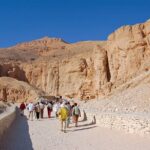
The day starts at the Valley of the Kings, the burial site of ancient pharaohs. This is where Luxor’s funerary world becomes concrete. You’re not just looking at monuments—you’re walking into the setting where kings were buried with layers of religious and political meaning.
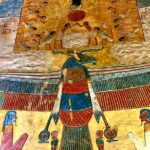
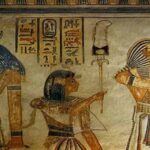
Your highlight here is the tomb of Tutankhamun, with entry included as part of the plan. What makes this stop so powerful is the combination of scale and detail. Even when you’ve seen temple reliefs before, the tomb experience feels tighter and more focused: you notice painted surfaces, carved scenes, and the overall sense that every surface was meant to carry meaning.
Two practical notes for this stop:
- Time feels different in tombs. It’s not like walking through open courtyards. Plan for slower viewing and eye-adjusting.
- Heat and shade vary. Some areas give you cover, others don’t. Take a moment to catch your breath before you head deeper.
A short drawback: if you’re expecting a lot of freedom to wander on your own, tomb visits are typically more structured. This is normal here, and it’s usually a benefit because your guide can point out what you might otherwise miss.
Deir el-Bahari and Hatshepsut: a temple built to stare at the sky
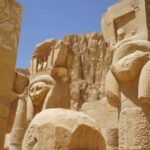
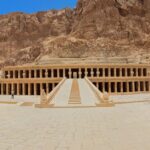
Next comes the Temple of Hatshepsut at Deir el Bahari, one of Luxor’s most striking architectural settings. You’re on a site carved into dramatic cliffs, and that backdrop changes the whole feeling of the temple. It’s not a flat, easy “walk and look” place—the setting forces you to notice how the complex fits into the rock.
This stop is tied to Hatshepsut, described as the first female pharaoh. That matters because you’re seeing a monument that wasn’t built by accident. The guide’s role here is important: the more you understand the person behind the temple, the more the architecture makes sense.
You’ll get about an hour to take it in. That’s enough time to understand the layout and enjoy the views, but it’s also short enough that you won’t feel stuck in one area. If you’re the type who loves symmetry and design, this is one of the best places on the route for that satisfaction.
Colossi of Memnon: iconic statues and a quick photo moment
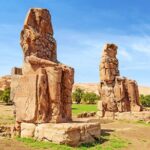
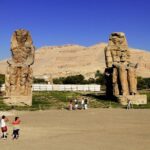
The Colossi of Memnon are easy to spot and hard to forget. These are the giant statues associated with the temple of Amenhotep III, and even though the site is brief, it’s a memorable pause in the day.
This stop is mostly a photo break, and you should treat it like that. Give yourself a few minutes to get angles from different sides, then move on. The value here isn’t “long museum time”—it’s the shock of seeing these massive figures up close in real scale.
If you’re traveling with someone who doesn’t want to spend hours on every site, this is the stop that usually keeps everyone happy.
A few more Luxor tours and experiences worth a look


Lunch in Luxor: a free reset that keeps the day enjoyable
Around midday, you’ll have a complimentary lunch at a local restaurant in Luxor. The food is described as traditional Egyptian cuisine, and the big practical win is the pacing. Without this break, Karnak and Luxor Temple can feel like a second day stacked onto the first.
I like tours that don’t treat lunch as a sad sandwich stop. Here, lunch is given real space in the itinerary and appears to be enough time to sit, eat, and cool down a bit.
Two things to keep in mind:
- The restaurant might not be fancy, but it’s the point. This is where you get local flavor without the stress of deciding where to eat.
- If you’re picky about spice, you can usually request less heat, but you’ll need to communicate clearly.
After lunch, you’ll be ready for one of Luxor’s most famous temple complexes.
Karnak Temple: the largest religious building and the joy of hieroglyphs
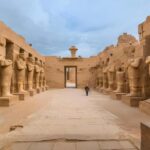
Karnak Temple is next, and it’s the kind of place where “big” doesn’t cover it. The tour frames it as the largest religious building ever constructed, built for the Theban triad: Amun, Mut, and Khonsu.
What I find useful about having a guide here is that Karnak is easy to get lost in. If you’re left to wander, you might see impressive columns and walls but miss the story those walls are telling. With a private Egyptologist guide, you can connect the dots: what each area is for, why the hall matters, and how the symbols work.
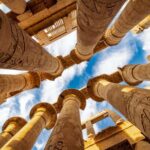
Expect to spend around 2 hours, including time for the hypostyle hall and the intricate hieroglyphics. This is one of the best places on the itinerary for slow looking. Don’t just glance upward. Give yourself permission to stop in a few key spots and read what you can.
Potential drawback: Karnak can feel busy and loud, especially if you’re near other groups. If you want quieter photos, ask your guide where to pause for calmer angles.
Luxor Temple: colonnades and a link to the Opet Festival
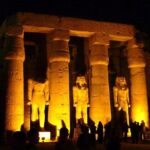
The final temple stop is Luxor Temple, another “can’t miss” location. It’s known for its preserved structure and beautiful colonnades, and the tour highlights its connection to the annual Opet Festival.
This stop gives you about 1 hour, which works well as a closing act. Karnak is massive and exhausting in a good way. Luxor Temple feels more approachable in scale, and it’s a great place to reflect on everything you saw earlier in the day.
The colonnades help frame your view, and that architectural rhythm makes it easier to slow down. If you like walking through history that feels intact rather than partially ruined, Luxor Temple tends to land well.
The $9 price: what’s a bargain, what to double-check
At $9 per person, this is priced as a deal compared to what similar Luxor temple circuits often cost. The value isn’t only the low number—it’s the included structure: air-conditioned vehicle, bottled water, lunch, and admissions listed for the major sites.
That said, keep a few money items straight so you don’t get surprised:
- Tips are not included, so plan for that. (Tipping isn’t required everywhere, but guides often work hard here.)
- Airport pickup is $10 extra if you need it.
- Any personal expenses are on you.
Also, double-check the exact start time expectations when you book. Luxor days can run early, and you’ll want to be ready for pickup without stress.
Who this tour fits best
This tour is a good fit if you want a focused Luxor hit—East and West Bank together—with an expert guiding your eyes. It’s also a strong option if you care about getting the context, not just the pictures.
It’s especially suitable for:
- People who want to see the big Luxor names in one day
- First-time visitors who need help understanding the connections between temples and tombs
- Small groups who value a private guide and smoother pacing
It may be less ideal if:
- You want lots of free time to wander without any schedule (this is structured)
- You dislike long outdoor stretches, even with air-conditioned transport between stops
Should you book this Luxor East & West Bank highlights tour?
I’d book it if your goal is a practical, high-value Luxor day: East and West Bank sights, a free lunch, and admissions handled for the core stops, all with a private Egyptologist guide. For $9, the included plan is hard to beat.
I’d hesitate only if you know you don’t do well with full-day pacing, or if you’re very budget-tight and need a clear idea of what you’ll spend on tips and any extras like airport pickup. If that’s you, still consider booking—but go in with your spending plan.
If you choose to go, bring sunscreen, a hat, and comfortable shoes. Then let your guide do the heavy lifting while you enjoy the feeling of standing in places that shaped an entire civilization.
FAQ
How long is the Luxor East & West Bank highlights tour?
The tour lasts about 7 to 8 hours.
Does the tour include hotel pickup?
Yes, pickup from your Luxor hotel is offered.
Is lunch included?
Yes. Lunch is included and described as free.
Which sites are visited during the day?
You visit the Valley of the Kings, the Temple of Hatshepsut at Deir el Bahari, the Colossi of Memnon, Karnak Temple, and Luxor Temple.
Are admission tickets included?
Entry/admission for the Valley of the Kings, Temple of Hatshepsut at Deir el Bahari, Colossi of Memnon, Karnak Temple, and Luxor Temple are listed as included.
Is this a private tour?
Yes. It is private, and only your group participates.
What’s included besides the guide and admissions?
The tour includes an air-conditioned vehicle, lunch, all fees and taxes, a private Egyptologist guide, bottled water, and the listed site admissions.
Are tips included in the price?
No. Tips are not included.
Is airport pickup included?
Airport pickup is not included and costs $10 extra.
Can I get a full refund if I cancel?
Yes. You can cancel up to 24 hours in advance for a full refund. If you cancel less than 24 hours before the start time, the amount paid is not refunded.