REVIEW · LUXOR
Hurghada: Luxor Guided Full Day trip with Tut Tomb & Lunch
Book on GetYourGuide →Operated by OceanAir Egypt · Bookable on GetYourGuide
Seventeen hours, and the temples feel close. This Hurghada-to-Luxor day trip strings together Karnak Temple and Tutankhamun’s Tomb (KV62) with a live Egyptologist, so the sights come with real context, not just dates on a sign. It’s one long day that trades sleep for big wow-factor.
The main drawback is the schedule: you’re on the road about 5 hours each way, so you’ll want to pace yourself and accept a full, packed day rather than a slow museum stroll.
In This Review
- Key things that make this trip worth your time
- Hurghada to Luxor: the long drive you’re paying for
- Karnak Temple: where the scale stops being theory
- Luxor Temple photo stop: quick Nile-side context
- Colossi of Memnon and the Amenhotep III area: giant faces, real impact
- Queen Hatshepsut’s mortuary temple: the architecture lesson you’ll remember
- Valley of the Kings + Tutankhamun (KV62): your main moment
- Lunch in Luxor: included, but plan around what’s not
- Small-group pace and guides: why names like Eshref Alexandre and Adel matter
- Value at $141: what’s included, and what you should still watch
- What to bring (and what to leave behind) so the day runs smoothly
- Should you book the Hurghada to Luxor day trip with Tutankhamun (KV62)?
- FAQ
- How long is the Hurghada to Luxor trip?
- Which major sites are included?
- Is hotel pickup and drop-off included?
- What languages are the guides available in?
- Is lunch included, and are drinks included?
- How big is the group?
- Does this tour include entrance fees?
- Is the tour wheelchair accessible?
Key things that make this trip worth your time
- Small group (up to 12) keeps the guide’s attention focused and the pace manageable
- Karnak + Valley of the Kings + KV62 are all built into one day, with guided time at the key stops
- Skip-the-ticket-line helps you spend more minutes inside the temples than waiting outside
- Hatshepsut and the Colossi of Memnon give you both dramatic architecture and famous monumental faces
- Lunch in Luxor + snacks/drinks/water on the drive keeps energy steady for the long trip
- Outside Luxor Temple photo stop adds an extra layer of Nile-side context without eating the whole day
Hurghada to Luxor: the long drive you’re paying for
This tour is a classic Egypt “big distances, big rewards” setup. The total time is 17 hours, and the driving time is about 5 hours out and 5 hours back, which is why the tour feels like a day trip and an overnight trip had a baby. You’ll start with hotel pickup in Hurghada and head straight to Luxor by air-conditioned minivan.
I like that the operator plans for the reality of a long ride. You get breakfast snacks, cold drinks, and water on the way, so you’re not waiting until lunchtime to feel human again. If you’re the type who gets cranky without caffeine, factor in that lunch is included but drinks during lunch are not.
If you’re comparing value, think like this: you’re paying for time with an Egyptologist and for the transfers that make Luxor possible from the Red Sea. The price only makes sense if you’ll actually use that time well once you’re in Luxor—because you won’t be wandering for hours on your own.
You can also read our reviews of more guided tours in Luxor
Karnak Temple: where the scale stops being theory
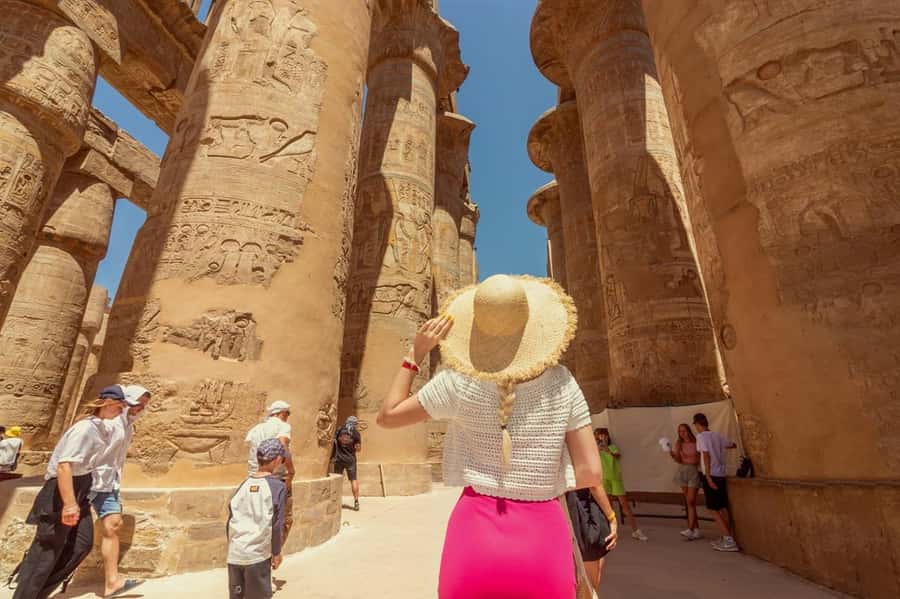
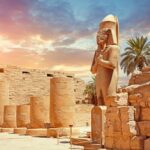
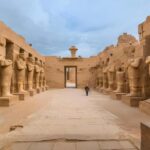
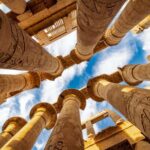
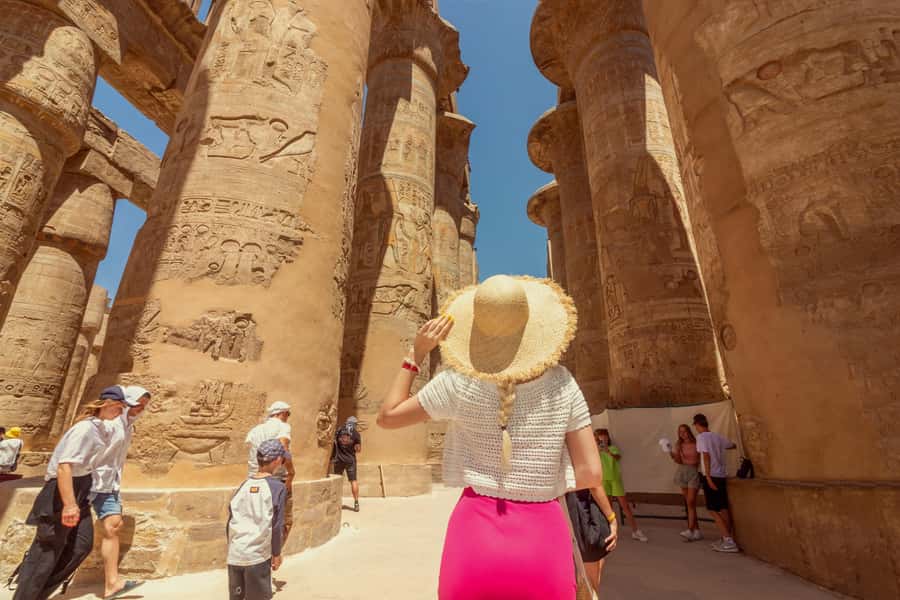
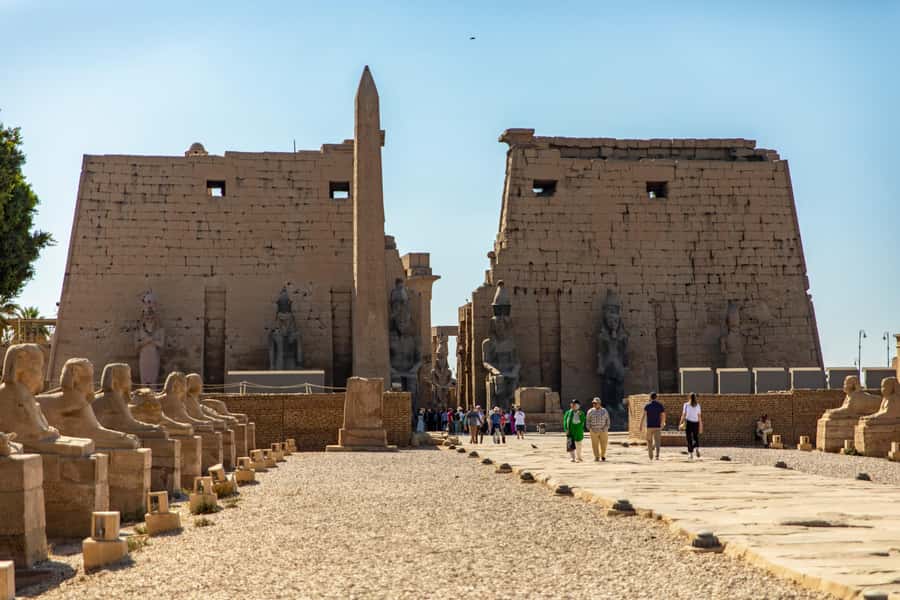
Karnak is the kind of place that makes your camera battery sweat. You get a guided visit with about an hour of walking and sight time, which is just enough to see the main highlights without feeling like you got trapped in a history lecture.
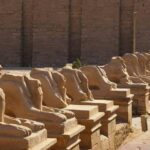
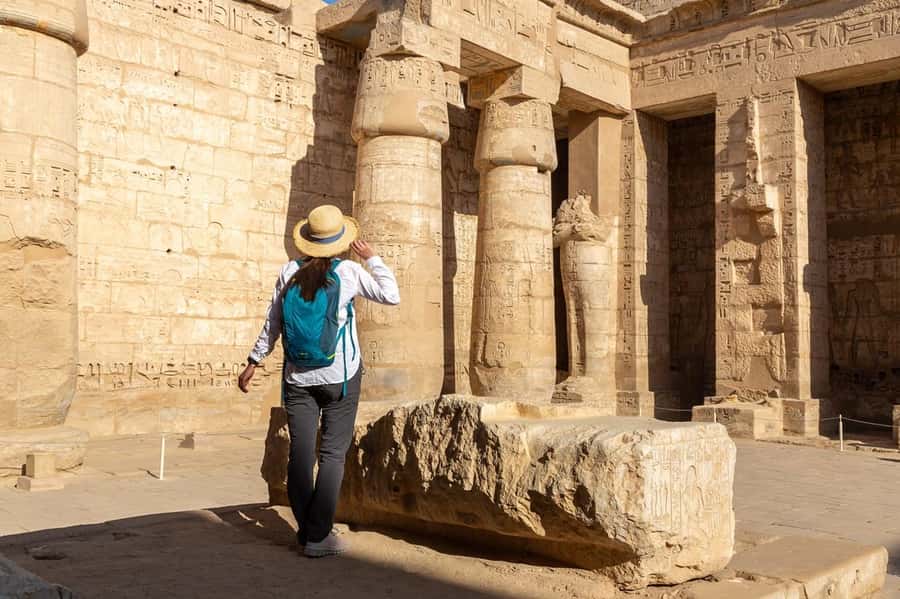
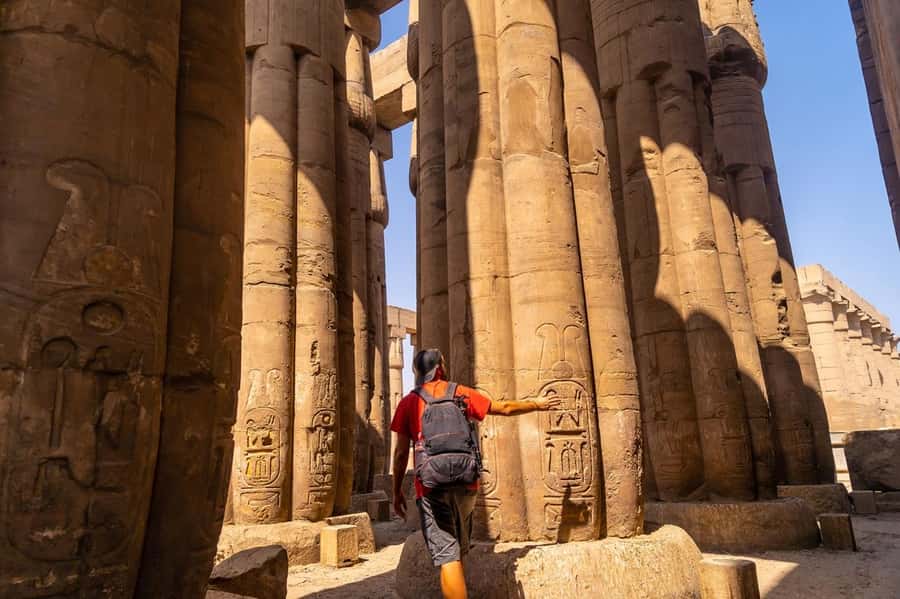
What I’d focus on here is the columned halls and chapels plus the sacred lake. Karnak’s layout is sprawling, and a guide helps you connect what you’re looking at—how spaces relate, what the functions likely were, and why certain structures were built the way they were. This is also where you’ll appreciate the details: many sculptures and surfaces look well maintained, and that makes it easier to imagine the temple as it once operated.
A practical note: plan for heat and crowds. Even with guided time, you’ll be outdoors more than you expect, so sunglasses and a sun hat are not optional vibes here—they’re survival gear.
Luxor Temple photo stop: quick Nile-side context
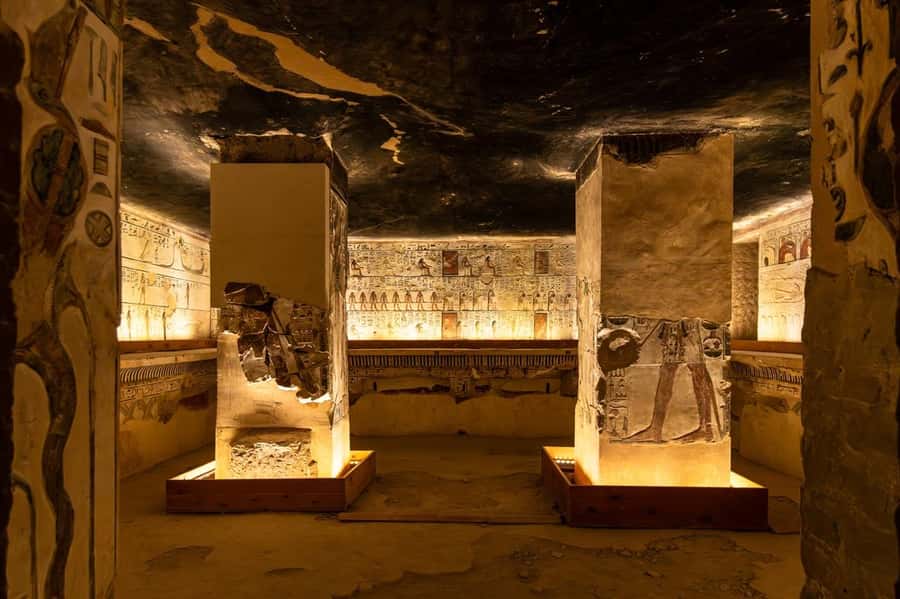
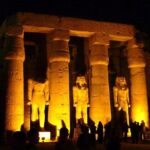
After Karnak, there’s an outside photo stop at Luxor Temple (about 15 minutes). This isn’t meant to replace a full Luxor Temple visit. Instead, it works like a reset button: you get a Nile-side view and a sense of how Luxor looked as a living city, not just a site on a map.
If you want the best photos, do two things. First, pick a spot early rather than scrambling for the perfect angle. Second, use the moment to connect it visually to what you saw at Karnak—because later, when you’re moving through other major ruins, the city layout starts to click.
Colossi of Memnon and the Amenhotep III area: giant faces, real impact
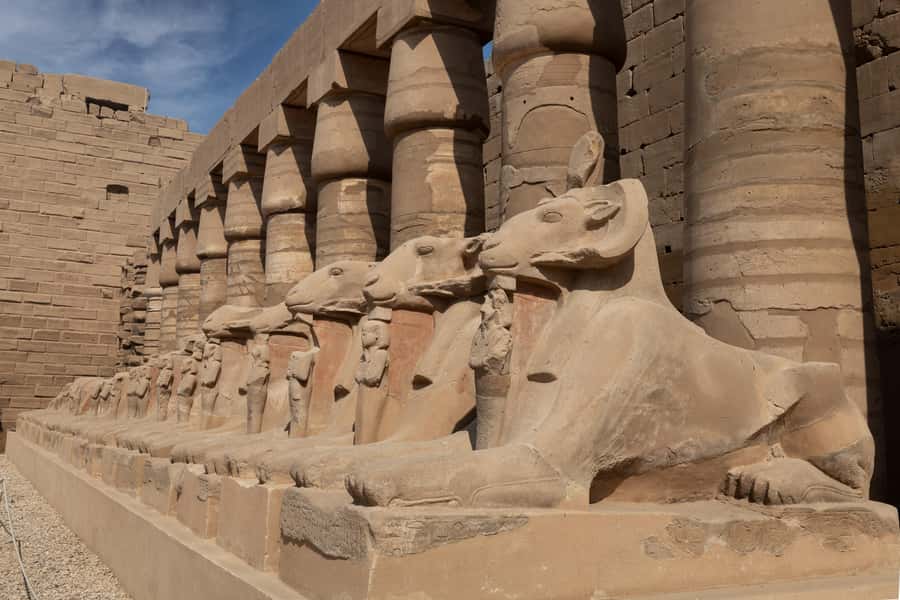
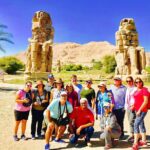
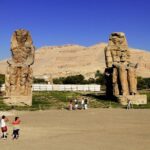
One of the smartest stops on this day is the combination around Amenhotep III and the Colossi of Memnon. You’ll visit with guided context and time for photos and a short walk (about 30 minutes total for the Colossi stop).
These aren’t just big statues. They’re still impressive because of their scale and because the site is easy to understand even if you’re new to Egyptian archaeology. You also get a stop associated with the City of the Dead area—so you’re not only seeing monuments; you’re seeing the landscape idea of where people built for eternity.
There’s also a visit to the remnants of the Temple of Amenhotep III. This is valuable because it contrasts the “complete-looking” feeling you get in some temple sections with what remains after centuries. It’s a good reminder that Egypt’s monuments survive in layers—some intact, some broken, all part of the story.
Queen Hatshepsut’s mortuary temple: the architecture lesson you’ll remember
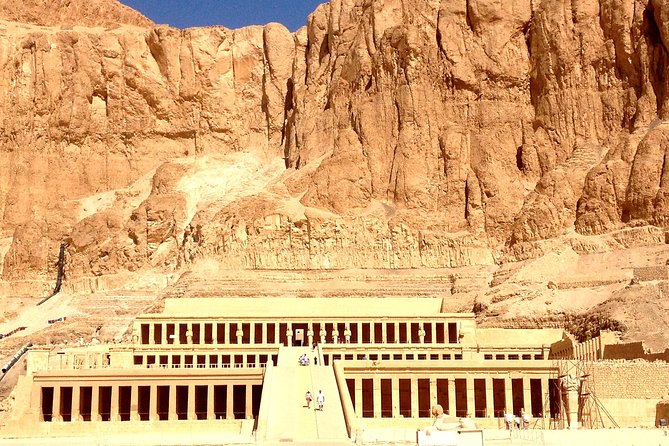
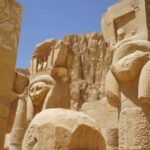
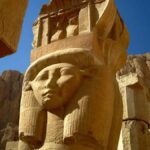
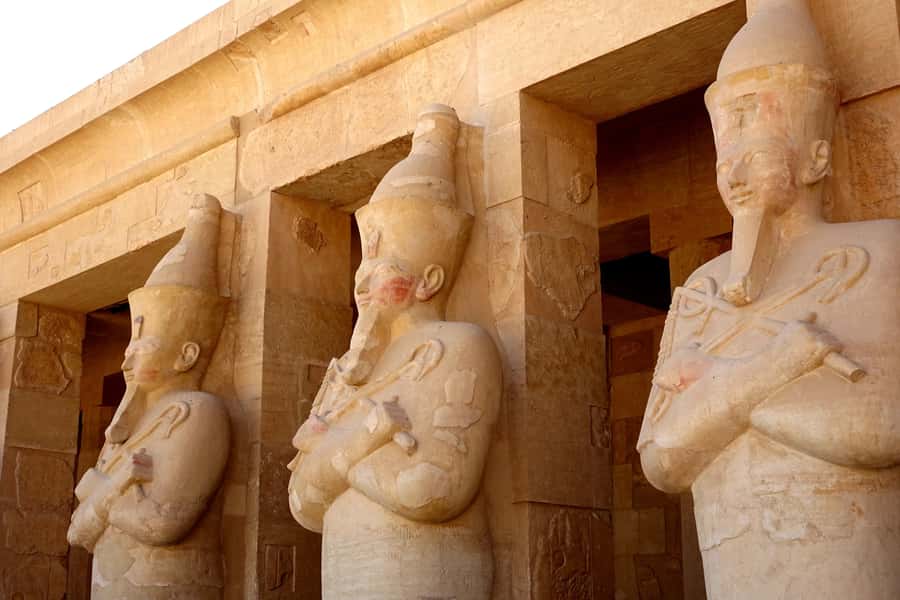
Next comes Hatshepsut’s Mortuary Temple, also called the Temple of Hatshepsut. You get about one hour of guided walking and sightseeing, which is enough time to appreciate why it’s famous for architecture as much as for history.
The standout here is the way the temple is built into its setting. Terraces, geometry, and the overall design make it feel like the place was engineered to be seen from specific viewpoints. A guide helps by explaining what you’re looking at and why the layout matters—so you don’t just collect impressions; you collect understanding.
This stop is also where I’d slow down a little. If your feet are tired, take breaks in shade when you can. The temple is worth a careful look, not a sprint.
A few more Luxor tours and experiences worth a look


Valley of the Kings + Tutankhamun (KV62): your main moment
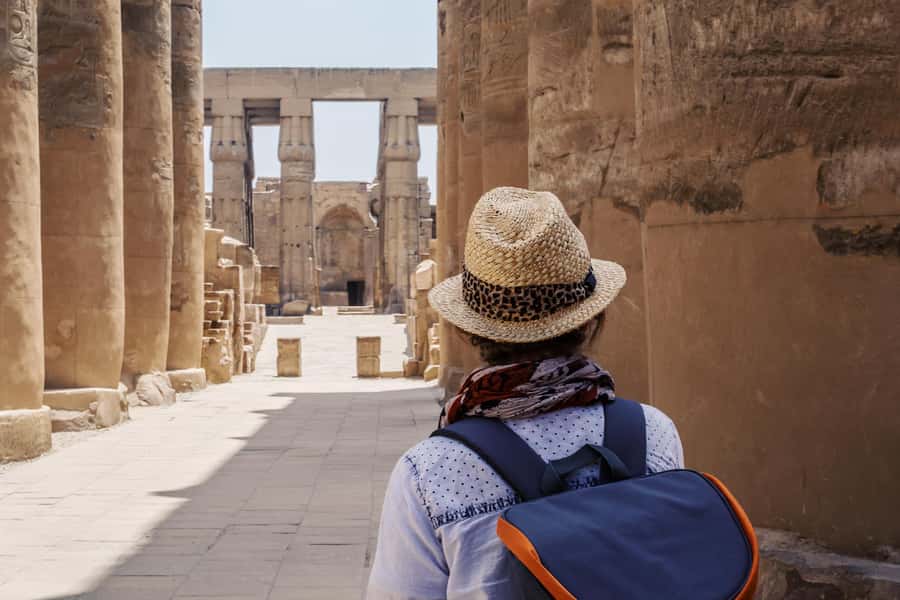
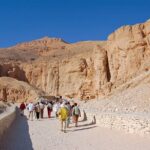
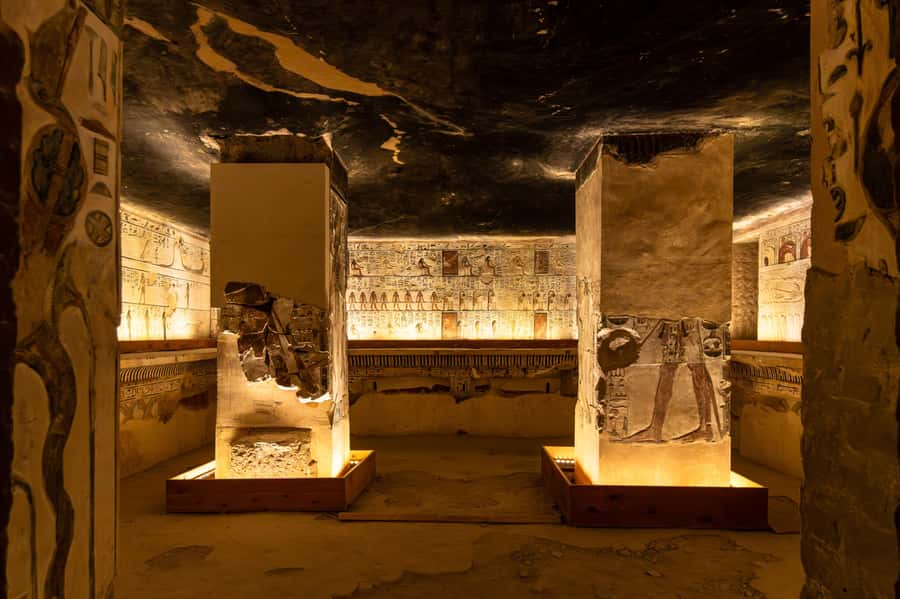
This is the heart of the trip. You’ll spend time in the Valley of the Kings with guided sightseeing and walking (about two hours), and then you’ll go to the Tomb of Tutankhamun, known by its number KV62.
Here’s what makes this stop so powerful: Tutankhamun’s tomb is one of the most famous archaeological discoveries in the world, and the Valley of the Kings gives it that full “where the story lives” feeling. You’re not just seeing an object in a museum case—you’re seeing where the kings were buried and how the site is arranged.
Because the tomb visit is part of a tight schedule, you should expect a practical tempo: you’ll get time inside, but you’re not going to have the valley entirely to yourself and you won’t have hours of quiet. Still, it’s a great way to check off the big goal of a Luxor visit from the Red Sea.
If you’re choosing when to do this on a vacation, I’d put this trip early in your schedule. The reason is simple: it’s long and intense, and you’ll likely use the rest of your trip more comfortably if you’ve already handled the hardest logistics.
Lunch in Luxor: included, but plan around what’s not
Lunch is included in Luxor and takes about one hour at a local restaurant. I like that it’s built into the day, not left to you to figure out once you’re tired.
Just keep expectations realistic. Drinks during lunch are not included, and some stops can run pricey for extras—coffee, for example, can cost more than you’d want on a long day. If you want a caffeine hit, decide before you sit down and don’t treat it like a bargain café.
Also, since you’re eating during a major temple day, keep it simple. Go for something filling but not risky, so you’re ready for the next walk and the heat outside.
Small-group pace and guides: why names like Eshref Alexandre and Adel matter
This is a small group tour limited to 12 participants, and that changes how the day feels. With larger groups, you often spend time waiting and being ushered. With a smaller group, the guide can explain more clearly and adjust pacing when people get tired or want an extra minute near a doorway.
A big part of the value here is the Egyptologist’s storytelling. On this route, guides you might encounter include names like Eshref Alexandre, Adel, Siu, Marwa, Marion (MarMar), and Monika. The consistent theme across their approaches is clear: they focus on what you’re seeing and they help you understand the logic behind the monuments, plus they’re willing to keep moving without losing the meaning.
The driving also matters. Drivers are part of your experience because you’re doing long stretches by road. One driver named Eshref received praise for being kind and for safe round-trip service—exactly what you want when you’re starting early and ending late.
Value at $141: what’s included, and what you should still watch
At $141 per person, the price can look either “worth it” or “too much,” depending on what you compare it to. Here’s the value equation I’d use:
You’re getting:
- Roundtrip transfers in an air-conditioned vehicle
- Hotel pickup and drop-off in Hurghada
- A professional Egyptologist guide in English, French, or German
- Entrance fees to the attractions
- Lunch in Luxor (drinks not included)
- Snacks, cold drinks, and water during the trip
That bundled list is why this works as value. If you tried to piece this together alone—getting transportation, arranging guided access, and booking entry tickets—you’d likely end up spending time and money in different places, and you’d lose the “one day, done” convenience.
Where the price can feel less fair is if you realize, midway through, that you needed more time at fewer sites. This tour packs famous stops into one long day. It’s excellent for first-timers and people who want the highlights, but it’s not designed for slow, solitary exploration.
One more thing: entrance-ticket rules in Egypt can come with payment requirements. The info for this tour says that entrance tickets must be purchased directly with card (cash not accepted). Even though entrance fees are marked included, I’d still travel with a working card just in case you’re asked for anything on-site.
What to bring (and what to leave behind) so the day runs smoothly
You’ll be walking outdoors in Egypt’s sun for parts of the day. Bring:
- Passport or ID card
- Sunglasses
- Sun hat
And follow the bag rules: luggage or large bags aren’t allowed. That’s important because it affects what you can pack in your day bag before pickup.
This tour is not suitable for wheelchair users, so if mobility is a concern, you’ll want to look for a different format.
Should you book the Hurghada to Luxor day trip with Tutankhamun (KV62)?
Book it if you want:
- One long day that hits the headline sites: Karnak, Hatshepsut, Valley of the Kings, and KV62
- A guide who explains what you’re seeing in plain language
- A small group that keeps the day from feeling like a moving bus tour
Skip or rethink it if you:
- Dislike long travel days and early starts
- Need long, quiet time at each monument
- Have mobility needs that can’t handle walking and stairs
If your goal is to make Luxor happen from the Red Sea without extra planning, this is a strong “do it once, do it well” option.
FAQ
How long is the Hurghada to Luxor trip?
The total duration is 17 hours, including roundtrip travel and time at the sites.
Which major sites are included?
You’ll visit Karnak Temple, Hatshepsut Mortuary Temple, Valley of the Kings, and the Tomb of Tutankhamun (KV62). You’ll also have an outside Luxor Temple photo stop, plus Colossi of Memnon and stops related to Amenhotep III.
Is hotel pickup and drop-off included?
Yes, hotel pickup and drop-off is included for Hurghada. For some farther locations (like Al Gona, Sahl Hasheesh, Soma Bay, Makadi, and Safaga), pickup is available only if you select the long-range pickup add-on.
What languages are the guides available in?
The Egyptologist guide is available in English, French, and German.
Is lunch included, and are drinks included?
Lunch in Luxor is included, but drinks during lunch are not included.
How big is the group?
It’s a small group, limited to 12 participants.
Does this tour include entrance fees?
Yes, entrance fees to the attractions are included.
Is the tour wheelchair accessible?
No, it is not suitable for wheelchair users.
If you’d like, tell me your travel dates and which language you prefer, and I’ll help you sanity-check whether the 17-hour pace fits your style.