REVIEW · LUXOR
From Luxor:8-Night Luxury Nile River Cruise & Hot Air Balloon
Book on Viator →Operated by Nice tours · Bookable on Viator
Tombs, temples, and a balloon over Luxor. I love the mix of guided West Bank walking and onboard comfort, so you’re not just rushing through ruins. I also really like the hot air balloon ride timed for the first light over Luxor—once you’ve seen the Nile loop through the desert skyline, you get why this area is so famous. One possible drawback: this is a very full program, so expect early starts and long days when the tour is driving you from site to site.
On the cruise itself, the basic idea is simple: you wake up in one ancient world, eat well, then get transported to the next one. You’re covered for meals and entrance fees, and you’ll have a professional Egyptologist to turn the carvings into stories.
Crowds can be real at the big-name sites (especially Karnak), and the pace can feel “busy” if you prefer slow travel. If you’re the type who wants quiet, you’ll probably look forward to the day of leisure on the ship.
In This Review
- Key things I’d pencil in (before you book)
- Luxor’s West Bank in one strong first day
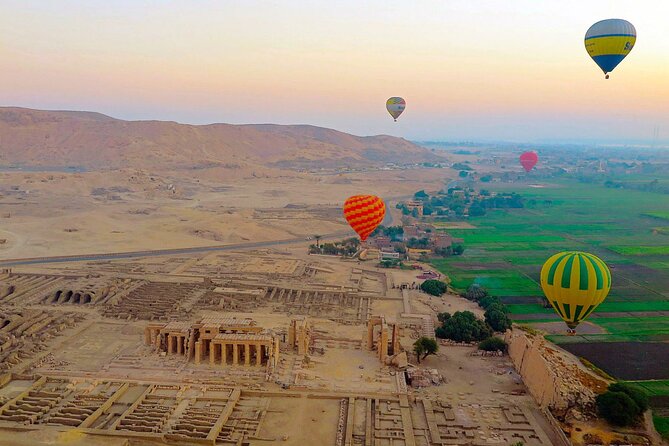
- Sunrise hot air balloon over Luxor: the best photo you didn’t stage
- Edfu and Kom Ombo: Ptolemaic temples with two different moods
- Aswan’s Philae Island and the High Dam: wonder plus reality
- Abu Simbel: long day, major payoff
- The built-in break: a full day at leisure on the ship
- Abydos and Dendera: the temple road trip day that expands your understanding
- Karnak and Luxor Temple, then a felucca sunset with tea
- Price and value: what you’re really paying for
- Who this Nile cruise suits best
- Should you book this Luxor-to-Nile cruise?
- FAQ
- How long is this cruise experience?
- What’s included in the price?
- Do I need to buy tickets for the temples and sites?
- Is the hot air balloon ride included?
- What about meals during the cruise?
- Are gratuities included?
Key things I’d pencil in (before you book)
- Hot air balloon over Luxor at sunrise: it’s included and timed so you see the light come up over the city and surrounding villages before returning to the boat.
- West Bank depth on the first day: Valley of the Kings + Hatshepsut at Deir el Bahari + the Colossi of Memnon, with key tombs and entrances included.
- Dual-temple experience at Kom Ombo: a site dedicated to two gods, with contrasting temple architecture on each side.
- Abu Simbel as a long, high-impact day: start early, spend up to 8 hours at the complex, then return to the cruise for a Nubian Village visit.
- A real temple road trip outside the usual circuit: Abydos (Seti I) and Dendera (Hathor) in one day, with guided context you won’t get from photos.
- Guides can make or break the day: multiple named guides came up in feedback—Asma Saber, George, Gabriel, David, Ahmed, Adam, and coordinator Zainab—so choose the language and ask questions.
Luxor’s West Bank in one strong first day
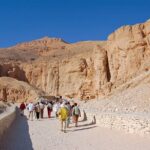
Your trip kicks off on the West Bank with the kind of lineup that’s hard to recreate on your own. You’ll meet your Egyptology guide and start in the Valley of the Kings, where the tombs aren’t just big. They’re specific—resting places of pharaohs like Ramesses III, Ramesses VI, and Mrenptah. You’ll also have an included visit to the tomb of Tut-Ankh-Amon. That combination matters. It helps you see how royal burials evolved in scale and style, instead of treating each tomb as a separate ticket punch.
Next comes Deir el Bahari and the Temple of Hatshepsut. This is one of those stops where the architecture does some of the teaching for you. Hatshepsut was a rare case: a female ruler credited with 20 years of wealth and peace in her era. Standing there, you feel the deliberate statement of power—especially after you’ve already been inside tomb corridors that were built to withstand time.
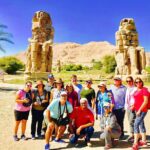
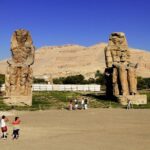
Then you’ll see the Colossi of Memnon—massive statues tied to the mortuary temple of Amenhotep III. It’s a shorter stop, but it works as a visual reset between the darker tomb spaces and the more open temple grounds.
Finally, you return toward Luxor and get a look at the city. There’s time set aside for the old market area, which is a nice contrast after monuments that can start to blur together if you’re only reading captions.
Practical tip: wear comfortable shoes you can tolerate for uneven ground. This day is not “museum-sitting” travel—it’s walking in archaeological spaces.
You can also read our reviews of more boat tours in Luxor
Sunrise hot air balloon over Luxor: the best photo you didn’t stage
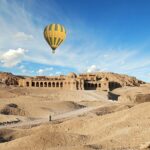
Day two is built around an included hot air balloon ride over Luxor. The schedule is basically: wake early, take off before the city fully wakes, then float over Luxor’s ancient areas and villages while daylight creeps in. You come back to the boat before continuing your cruise.
What I like about this is the timing. You’re seeing the Nile region as the sun first colors it, not as a mid-morning tourist stamp. The views aren’t just “pretty.” They give you a better mental map of how the river, settlements, and desert sit together.
You’ll also have time for the balloon morning without losing the rest of your day, because you’re still cruising afterward and you’ll reach Esna in the evening. That’s the sweet spot: one signature activity, then you’re back into the core cruise.
One consideration: if you’re someone who hates early mornings, plan for it mentally. This day starts before the usual rhythm of sleep-in vacations.
Edfu and Kom Ombo: Ptolemaic temples with two different moods
As the cruise moves along, the next big temple stop is in Edfu with the Temple of Horus. You’ll arrive in the morning and make it feel local by using a traditional horse and carriage ride to reach the temple. That small transport detail matters here: it slows you down just enough to appreciate you’re moving through lived-in areas, not only across museum entrances.
Once you’re at the temple, you’re dealing with the largest Ptolemaic temple in Egypt (as the program describes it). That scale can be overwhelming if you walk in cold. The guide’s job is to help you notice what the stone is communicating—festival spaces, carved religious symbolism, and the way the temple layout directs how people experienced the sacred grounds.
In the afternoon you head to Kom Ombo. Here the atmosphere shifts. This temple is dedicated to two gods, and the architecture is built with that contrast in mind—different sides, different focuses. It’s the kind of site that rewards you if you ask questions. You’ll spend about an hour on the visit, so you’re not stuck all day, but it’s also not a drive-by.
A practical note: temple visits often run with sun and shade that change quickly. Bring sunscreen and a hat, and don’t rely on your hotel daypack being enough—your long stops need real sun protection.
Aswan’s Philae Island and the High Dam: wonder plus reality
When the cruise reaches Aswan, you get two different angles on the Nile. The first is Philae Island and the Temple of Isis. The program sets you up with a guided visit, which is crucial because this is the sort of place where the details matter—what’s carved where, what’s sacred to whom, and why the site is positioned on an island in the river system.
Then you’ll visit the Aswan High Dam. This stop can feel like a curveball if you came for only ancient art. But I actually think it adds context. The High Dam is part of why the Nile region looks the way it does today: electricity, water management, and modern life tied to an ancient lifeline. It’s not about ruins, but it helps you understand the river as infrastructure as well as mythology.
After that, there’s free time to explore Aswan’s city and ancient market area. This is one of your best chances on the trip to slow down and buy small items without feeling rushed by the next bus transfer.
Abu Simbel: long day, major payoff
Abu Simbel is one of those “you can’t fake it” destinations. The plan is an early arrival, then a long stretch—up to 8 hours—to explore the Abu Simbel Temple Complex. It’s described as one of the most important wonders in the world, and that’s not just marketing language. The site is engineered and positioned to create a sense of ceremony. With a guide, you’ll understand more than surface facts, and you’ll be better able to read what you’re seeing as design choices rather than random carvings.
After the temple time, you go back to the Nile cruise ship for lunch, then head out again for the Nubian Village visit. This part gives you a human scale to go with the monumental scale. You’ll have about 2 hours at the village, then return to the ship.
Practical reality check: Abu Simbel is a full day. Even if you enjoy every minute, you’ll be tired by the evening. Pack snacks or plan to eat the included meals without skipping. And keep your camera batteries ready—this is a place where you’ll want more than one.
A few more Luxor tours and experiences worth a look



The built-in break: a full day at leisure on the ship
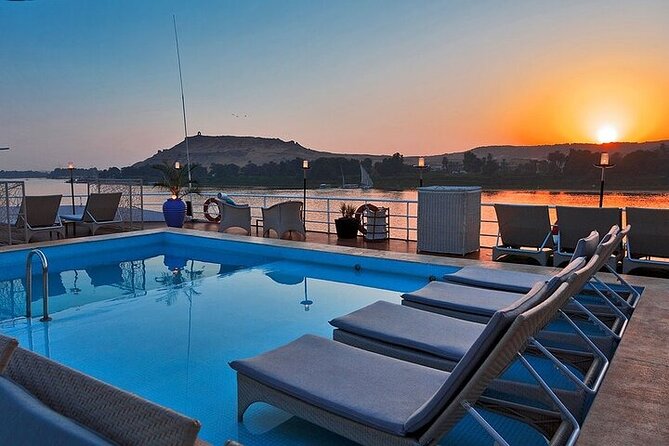
After Abu Simbel and the Nubian Village, the itinerary gives you a day of leisure on board. I like that because it’s not just a “rest” day for show. It’s a chance to recover from temple intensity—both the sun and the constant new information.
Use it the way you like, but I’d treat it like a reset button:
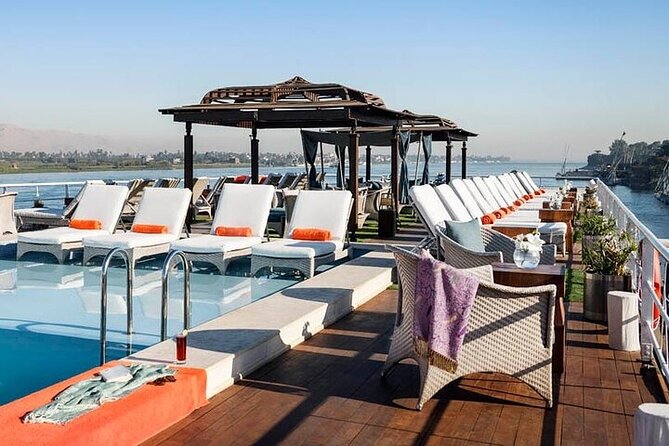
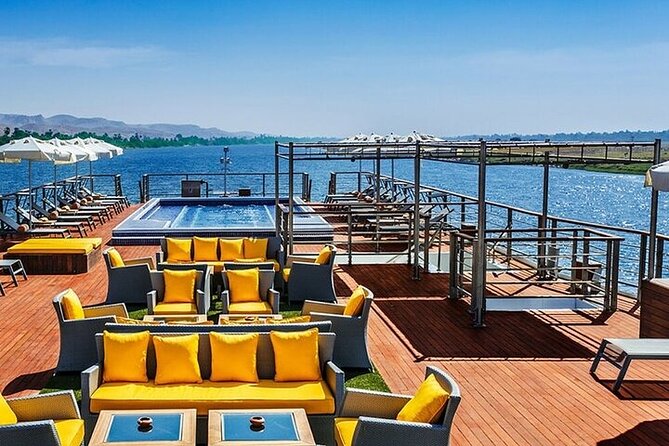
- Slow down with the scenery from the deck.
- Re-sort what you learned so far (tombs, temple layouts, the river’s role).
- Take a nap without guilt.
There’s also a side note worth mentioning based on real-world experience on river cruises: onboard internet can be unreliable depending on the ship and signal. I’d assume limited connectivity and enjoy the time without screens.
Abydos and Dendera: the temple road trip day that expands your understanding
One of the most interesting parts of this cruise is the day trip north of Luxor to Abydos Temple and Dendera Temple Complex. This isn’t just “another temple day.” It’s a chance to see how far you can stretch from Luxor’s main cluster while still getting guided interpretation.
At Abydos, you’ll visit the Temple of Seti I. The drive itself is part of the experience: you pass quaint villages and everyday local life, and your guide talks as you go. Abydos is especially described as unique in its limestone architecture laid out over three stages. That “three stages” detail is the kind of thing you can miss if you don’t have someone there to explain what it means in the layout and progression of sacred space.
Then you drive onward to Dendara and the Temple of Hathor. This is another guided visit, and it’s dated to the late Ptolemaic Period in the program description. The guide context matters here because the site is described as located on holy Egyptian ground and known for relics tied to older religious structures associated with Pharaoh Pepi the First’s reign. In plain terms: you’re seeing layers of religious memory, not a single-era snapshot.
It’s about 2 hours at each main site, then you’re transferred back to your hotel. That’s a lot of driving time compressed into one day, so it’s best if you like active sightseeing more than slow strolling.
Karnak and Luxor Temple, then a felucca sunset with tea
Your final full sightseeing day brings you to the East Bank: Karnak first, then Luxor Temple, then a sunset felucca ride.
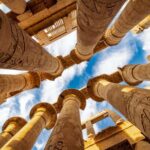
Karnak is the biggest temple complex in the world (as the program describes it). That scale is the key. You can’t take it in all at once. With a guide, you’ll avoid the common trap of trying to memorize every wall while mentally drowning in details. You’ll focus on what matters in the structure and what it tells you about how the site functioned.
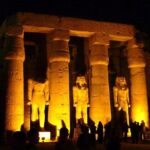
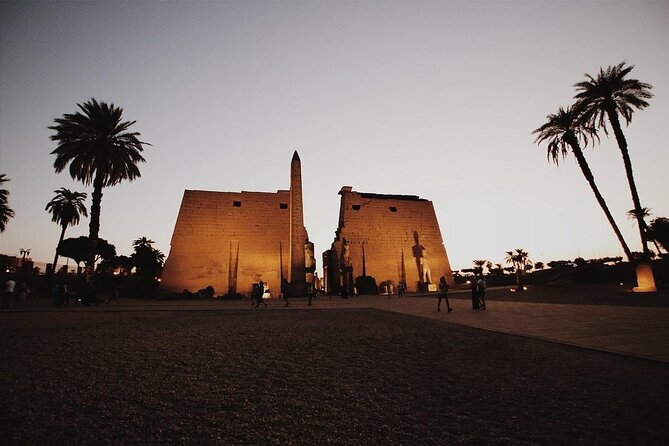
You’ll also tour Luxor Temple, built by Amenhotep III in the 18th Dynasty and completed by Ramses. Again, this sequence matters: you get the massive “complex” experience, then a different kind of temple story with its own timeframe and design character.
Then comes the fun wind-down. You’ll take a felucca ride at sunset and enjoy a cup of traditional Egyptian tea included in the program. From a travel value perspective, this is smart. It gives your brain a break after hours of stone and symbolism. And as the sun drops, you’re seeing the Nile as a living corridor, not just a backdrop for photos.
Based on feedback style from people who’ve done this with different guides (like Ahmed and Adam in Luxor), the guide’s pacing here can be the difference between a rushed sunset and a memorable one—so ask questions and let the day breathe a bit.
Price and value: what you’re really paying for
At $1,357 per person, this isn’t a budget trip. But it also doesn’t feel like a “pay extra for everything” kind of tour—at least on paper.
Here’s what’s included in the program package you’re buying:
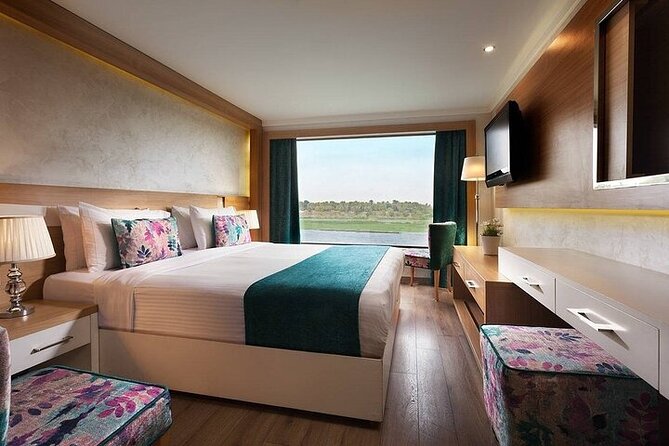
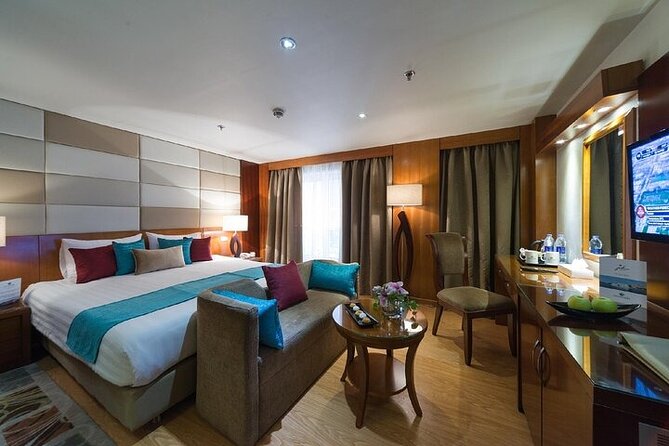
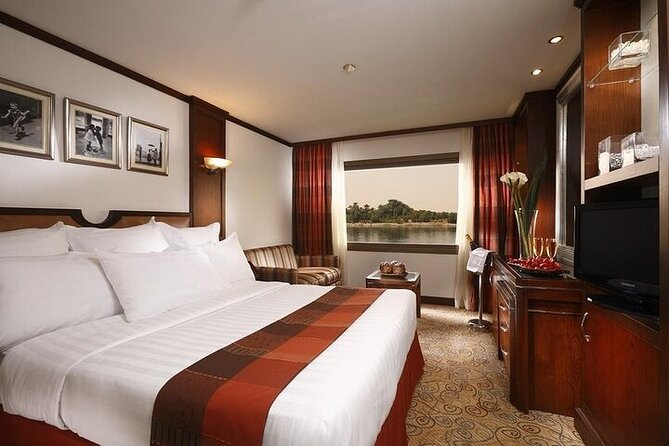
- An 8-night 5-star Standard Nile cruise ship with cabin and facilities
- Meals: breakfast (8), lunch (8), dinner (8)
- A professional Egyptologist guide across the included sites
- Entrance fees for the listed monuments
- Transportation: pickup/drop-off, private transport, and motor boat as needed
- Key on-land experiences: horse and carriage, plus the felucca ride and hot air balloon
That blend is where the value sits. You’re paying for fewer unknowns: you’re not coordinating each temple visit or fighting ticket lines on top of the long-distance travel. Also, big monuments like Abu Simbel are only “easy” if you’re part of a planned day with the right timing.
Where value can drop for some people: if you strongly dislike crowds at major sites, the included tours can’t erase that reality. You can still benefit from the guidance, but you can’t make Karnak empty.
Who this Nile cruise suits best
This cruise is a strong match if you:
- Want a guided version of Egypt’s highlights, not a self-planned temple marathon
- Like the structure of a set itinerary but still have one leisure day
- Are excited by both ancient monuments and modern context (High Dam stop)
- Appreciate signature experiences like a sunrise balloon and a felucca sunset
It might be less ideal if you:
- Need lots of quiet time every day (this is packed)
- Prefer to travel only at your own pace without transfers
- Are very sensitive to early mornings
One more small note from actual cruise-style realities: hotels in this program are described as Arabic style, and one piece of feedback specifically mentioned no alcohol in hotels. If that matters to your routine, plan accordingly.
Should you book this Luxor-to-Nile cruise?
If you want Egypt’s greatest hits with less hassle, I think this one makes sense. The combination of a West Bank opening day, a balloon over Luxor, and a full Abu Simbel day gives you the iconic moments without leaving you stranded on logistics. The named guide examples—Gabriel, Asma Saber, George, David, Ahmed, Adam, and coordinator Zainab—also suggest that the human factor is taken seriously, and that you can get real explanations, not just walking supervision.
My decision rule: book it if you’ll enjoy a structured, high-activity week and you’re happy to lean on the guide for context. Consider going slow only if you’re the type who gets grumpy when you’re moving all day.
FAQ
How long is this cruise experience?
It’s listed as 9 days (approximately), with an 8-night Nile cruise as part of the package.
What’s included in the price?
The package includes a 5-star 8-night standard Nile cruise ship, cabin with facilities, meals, listed site entrance fees, pickup and drop-off, a professional Egyptologist guide, horse and carriage, motor boat, hot air balloon ride, private transportation, and taxes/charges.
Do I need to buy tickets for the temples and sites?
No—entrance fees for the sites included in the program are listed as included.
Is the hot air balloon ride included?
Yes, the hot air balloon ride is included as part of the experience.
What about meals during the cruise?
Meals are included: breakfast 8 times, lunch 8 times, and dinner 8 times.
Are gratuities included?
Gratuities are listed as optional, meaning they are not included in the tour price.