REVIEW · LUXOR
Enjoy full day tour to Abu Simbel from Luxor
Book on Viator →Operated by Special trips · Bookable on Viator
Abu Simbel starts before sunrise. That early push is exactly why this full-day tour feels worth it: you get a private Egyptologist guide and a smooth door-to-door plan for seeing the Ramses II and Nefertari temples in one long, well-organized day. I especially like the two-piece temple visit (it’s not just Ramses II’s giant façade), and I like the “you’re picked up and dropped off” approach that saves you the hassle of timing trains and transfers. The main drawback to keep in mind is the marathon schedule: you’re looking at roughly 16 hours and a lot of sitting in transit.
In practice, the “full-day private tour” format helps more than you might think. You’ll have someone to explain what you’re seeing and adjust the pace when your group needs a breather, while the transport handles the hard parts. I also think the included lunch box and bottled water are a smart touch for a day that begins around 3 a.m. and keeps going.
In This Review
- Key Things to Know Before You Go
- Why Abu Simbel from Luxor Means an Early Start
- Getting There: Luxor to Aswan by First-Class Train, Then Private Road Transfer
- Entering the Ramses II Temple: Universal Gods and Massive Scale
- The Temple of Queen Nefertari: A Different Kind of Royal Power
- Egyptology Guide + Private Vehicle: Why the Experience Feels Organized
- What’s Actually Included (and What This Means for Your Day)
- Price and Value: Is $180 a Good Deal for Abu Simbel?
- Timing and Comfort on a 16-Hour Day
- Who This Tour Fits Best
- Should You Book This Abu Simbel Day Trip from Luxor?
- FAQ
- FAQ
- What time does the tour pickup start?
- How long is the trip in total?
- How do you travel from Luxor to Abu Simbel?
- Is this a private tour or a group tour?
- Are entrance fees and a guide included?
- Is lunch and water included?
- What is the cancellation policy?
Key Things to Know Before You Go
- 3 a.m. pickup from Luxor (East bank by default) sets the tone for this long day
- First-class train tickets Luxor–Aswan–Luxor are part of the package, not an add-on
- Private air-conditioned vehicle handles the road trip from Aswan to Abu Simbel
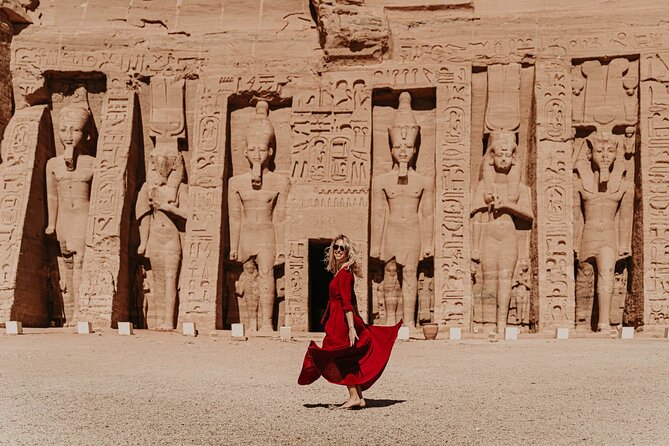
- Two major stops: Temple of Ramses II and Temple of Queen Nefertari
- You travel with a qualified Egyptologist guide plus entrance fees included
Why Abu Simbel from Luxor Means an Early Start
Abu Simbel isn’t a casual day trip. It sits far from Luxor, so most of your time goes into getting there and back. The tour leans into that reality by building the day around the most workable route: a morning train segment plus a private road transfer to the temples.
What makes the schedule feel justified is that Abu Simbel is not just another set of ruins. These temples were moved to save them from the threat of flooding, thanks to government and UNESCO cooperation. That context changes how you look at the architecture: you’re seeing a monument that survived a modern rescue effort, not just a site frozen in time.
The temple focus is also strong. You get the public-famous main complex linked to Ramses II, plus the Temple of Queen Nefertari, which balances the story of the ruler with a specific spotlight on royal queenship and symbolism. If you care about meaning in the carvings (not only size), this pairing is a good one.
A few more Luxor tours and experiences worth a look

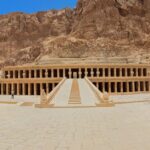
Getting There: Luxor to Aswan by First-Class Train, Then Private Road Transfer
The day starts with pickup around 3 a.m. from your Luxor hotel. The tour notes pickup time can be around 3 a.m., and it’s typically finalized close to your departure (they confirm pickup time about 48 hours before, depending on where you’re staying). You’ll then head toward the Luxor train area.
From there, you travel by train to Aswan (the ride is about 3 hours). Then the group shifts to a private air-conditioned vehicle for the drive to Abu Simbel, which takes about 3.5 hours. The total day length is listed at roughly 16 hours, which matches what this kind of route usually feels like: long travel, then big payoff.
A key practical point: the train class matters. The tour includes first-class train tickets for Luxor/Aswan/Luxor, and one traveler noted that first class is noticeably different from what first class means in the UK. Still, there’s at least one unhappy note about train class not matching expectations, so I’d treat “first class” as something to confirm in writing (or ask the organizer to confirm what you’ll actually get on the train). That one detail can make or break comfort on a 16-hour day.
Once you arrive at Abu Simbel, the private vehicle setup reduces stress. You’re not trying to coordinate taxis, find the right bus, or guess schedules while you’re already sleep-deprived.
Entering the Ramses II Temple: Universal Gods and Massive Scale
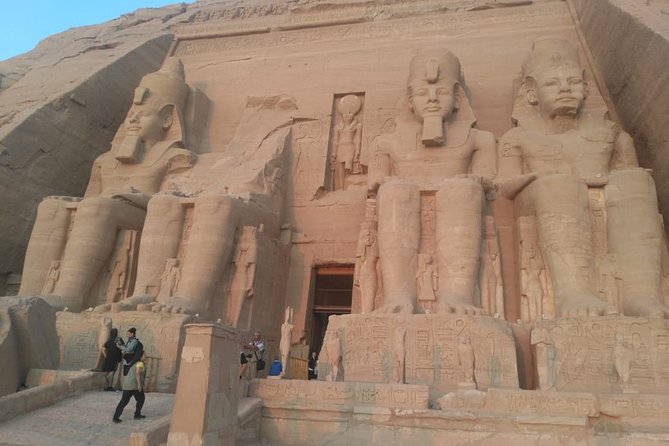
The star of the Abu Simbel experience is the Temple of Ramses II. This temple is tied to the new Kingdom era and designed with heavy royal religious messaging. You’ll spend time inside seeing how the ruler’s authority is placed in the same frame as major Egyptian divine forces.
One of the most useful details to know ahead of time is the temple’s dedication theme. The listing highlights that the temple is dedicated to four universal gods: Ptah, Re-Her-Akhtey, Amun-Re, and Ramses II himself. Having that in mind helps you connect the carvings and layout to a purpose. Instead of wandering through inscriptions, you can ask yourself: which power is being emphasized here, and how does Ramses position himself within that system?
The sheer scale is the obvious first impression, but the guide’s job is to turn that “wow” into understanding. A qualified Egyptologist guide means you’re more likely to catch what the iconography signals, not just that it looks impressive. A private format also helps because you can move at a pace that doesn’t leave half your group behind or force you into a rushed group shuffle.
A consideration: because this is a long transit day, your energy level is limited. So aim to keep your first stop focused and don’t over-plan what you’ll fit in beyond the planned temple time. If you’re prone to getting tired early, this tour is still doable, but you’ll want to treat it like a full-day mission, not a casual sightseeing stroll.
The Temple of Queen Nefertari: A Different Kind of Royal Power
Many people arrive at Abu Simbel thinking mostly about Ramses II. The good news is that the tour doesn’t stop there. You also visit the Temple of Queen Nefertari, and this second stop adds a different angle on royal symbolism.
Queen Nefertari’s temple is often remembered for honoring her status within the broader royal-religious message of the complex. Seeing it after the Ramses II temple changes your reading of the site: you start to notice that the architecture isn’t only about one ruler’s image. It’s about a paired story of power, legitimacy, and the idea of sacred queenship.
This is where a guide makes the biggest difference. A knowledgeable guide can point out how the temple’s design and decoration fit into what the complex is communicating overall. The listing also emphasizes unique style between the two temples, and that uniqueness is one of the reasons this itinerary works better than tours that only give you time for the main façade.
Egyptology Guide + Private Vehicle: Why the Experience Feels Organized
This tour is set up as a private tour/activity, meaning you don’t get dumped into a random crowd. In a place with a tight schedule, that matters. It helps your group keep together, and it reduces the awkward moments of waiting around for stragglers in a site where you already started the day at 3 a.m.
You’ll also travel with a dedicated Egyptology guide. In at least some cases, the service included coordinators and guides such as Star, Mido, and Omar (names show up in customer notes). Even if you don’t meet those exact people, the underlying point is solid: you’re paying for someone to explain what you’re looking at, not just to get you from A to B.
The itinerary is described as flexible, so if your group needs time adjustments, you can ask. That flexibility can matter on an intense day like this, especially if someone needs a shorter stop to avoid falling behind or getting overheated.
Also useful: the tour offers pickup from Luxor East bank hotels, and west bank pickup is possible for an extra $10 per person. If you’re staying west, that saves you from having to arrange your own early transfer into the city’s rail side.

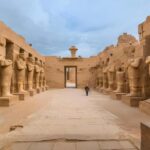


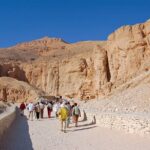
What’s Actually Included (and What This Means for Your Day)
The “included” list is one of the biggest value signals here. You get:
- Hotel pickup and drop-off in Luxor
- A private vehicle for the road transfer segment
- Entrance fees
- Qualified Egyptologist guide
- Bottled water
- A lunch box
- All taxes, fees, and handling charges
- First-class train tickets Luxor/Aswan/Luxor
For a day trip this long, included basics matter because you can’t easily run out and buy supplies once you’re committed to the schedule. Bottled water helps you stay comfortable on transit and at the sites. The lunch box keeps you from spending time hunting for food during tight windows.
One caution, based on the information you should take seriously from customer feedback: dietary needs may require extra attention. The itinerary states you receive a lunch box, but it does not specify vegetarian customization. If you’re traveling as a vegetarian or with strict dietary requirements, message ahead and ask whether the lunch box can match your needs, and what options exist.
Another inclusion point: entrance fees are covered. That reduces the chance of time wasted on ticket booths or last-minute entry confusion.
Price and Value: Is $180 a Good Deal for Abu Simbel?
At $180 per person, you’re paying for logistics as much as sightseeing. This price covers private transport, a qualified Egyptologist guide, entrance fees, and first-class train tickets. For a place like Abu Simbel—far enough to make the day exhausting—this kind of package can be good value because it removes the planning tax.
However, the “value” depends on two things you should verify:
- You’ll actually receive the first-class level that’s included (one note hints that expectations weren’t met).
- The lunch box works for your needs (especially if you have dietary restrictions).
If you and your group want to reduce decision-making and don’t want to coordinate trains, then a package like this is often cheaper in total time and stress, even if a DIY version might look less expensive on paper. If you’re the type who enjoys building your own itinerary and you already know how the rail schedules work, you might be able to DIY. But you’ll likely still face the same reality: you’re doing a very early start and a long day.
Timing and Comfort on a 16-Hour Day
Let’s be blunt: this is a grindy itinerary. The tour starts with pickup around 3 a.m., then you’re on the train for about 3 hours, on the road for about 3.5 hours, and you’re back on the return route afterward—ending with drop-off at your Luxor hotel.
So how do you make it feel smoother?
- Build in a proper night’s rest before the pickup. You don’t get to “catch up” during the day.
- Pack a small comfort kit: water, sun protection, and something for your personal comfort on a long ride.
- Keep expectations realistic. You’re seeing major highlights, not trying to conquer every corner of Egypt in one day.
The comfort factor comes mainly from two things you’re paying for:
- First-class train seats for part of the schedule
- Private air-conditioned vehicle on the road segment
That’s why the train details matter. If the class ends up not being what you expect, the long day feels longer, even if the temples themselves are still stunning.
Who This Tour Fits Best
This Abu Simbel day trip is best for you if you want:
- A guided visit to the temples, not a self-guided rush
- Clear, door-to-door logistics from Luxor
- A structured plan that includes both Ramses II and Queen Nefertari
It’s also a good fit for people who dislike coordinating public transport on a tight timetable, especially when the start time is so early.
You might want to think twice if:
- You have strict dietary needs that must be handled precisely, and you can’t get clarity on the lunch box options
- You’re very sensitive to transit discomfort and you need strong confirmation of what “first class” means in your actual carriage
- You’re not ready for a long day that begins before dawn
Should You Book This Abu Simbel Day Trip from Luxor?
I’d book it if you want the simplest path to one of Egypt’s most dramatic temple complexes, with a guide who can explain what you’re seeing and with transport handled end to end. The strongest reasons are practical: entrance fees included, first-class train tickets, a private guide, and a day plan that covers both Ramses II and Queen Nefertari without you having to figure anything out at 2:30 or 3:00 a.m.
But do your homework on two details before you commit: confirm the train class you’ll receive and ask about the lunch box if you have any dietary restrictions. If those fit your expectations, this tour is a solid way to turn a very long day into a memorable, meaningful visit.
FAQ
FAQ
What time does the tour pickup start?
Pickup is arranged around 3 a.m. from your Luxor hotel (East bank hotels by default). The exact pickup time is typically confirmed about 48 hours before the date based on where you’re staying.
How long is the trip in total?
The tour runs for approximately 16 hours from early pickup through return to Luxor.
How do you travel from Luxor to Abu Simbel?
You travel by train from Luxor to Aswan (about 3 hours), then you take a private air-conditioned vehicle from Aswan to Abu Simbel (about 3.5 hours).
Is this a private tour or a group tour?
This is described as a private tour/activity, so only your group participates.
Are entrance fees and a guide included?
Yes. The tour includes entrance fees and a qualified Egyptologist guide.
Is lunch and water included?
Yes. You’ll receive a lunch box and bottled water.
What is the cancellation policy?
You can cancel for a full refund up to 24 hours before the experience start time.