REVIEW · LUXOR
4 Nights Nile Cruise from Luxor to Aswan
Book on Viator →Operated by Mody Egypt tours · Bookable on Viator
A long Nile cruise beats day trips. You get a well-paced run of Luxor’s East and West Banks plus temples along the river, led by an Egyptologist (often named Mustafa Ragab in the feedback I saw). I especially like the fact that you spend extra time in Luxor, and the daily schedule is built around real sightseeing stops instead of just sailing. The one thing to watch is that entrance fees are not included, so your total cost depends on how many ticketed sites you choose.
You’ll also want to plan for early starts and some travel-in-the-day, especially on the days with multiple temple stops. I like that transfers are handled between Luxor and Aswan, and that meals are included on board—less time guessing, more time looking at stone that’s older than most countries.
In This Review
- Key Points Worth Knowing Before You Go
- The Real Value: Temples, Time, and a Cruise Pace That Makes Sense
- The one drawback to budget for
- Day 1 in Luxor: Karnak and Luxor Temple on the East Bank
- Karnak Temple: where the gods had a whole neighborhood
- Luxor Temple: New Kingdom power at street level
- Day 2 West Bank: Valley of the Kings, Hatshepsut, and the Colossi of Memnon
- Valley of the Kings: tombs with color you don’t expect
- Hatshepsut Temple: the divine birth story, plus politics
- Colossi of Memnon: photo ops that still mean something
- Day 3 Edfu and Kom Ombo: Horus, the Falcon, and a Temple with Two Worlds
- Edfu Temple: dedicated to Horus (the falcon protector)
- Kom Ombo Temple: why it feels unusual
- Day 4 Aswan Day: Philae Temple, the High Dam, and an Unfinished Obelisk
- Philae Temple: a boat ride plus a temple that feels dramatic
- High Dam: the modern engineering side of Aswan
- Unfinished obelisk: proof that history is work in progress
- Day 5 Options: Abu Simbel Early Morning and Saying Goodbye to the Nile
- Quick reality check about timing
- What the Included Stuff Really Means for Your Day
- Guide Quality: Why Names Like Mustafa Ragab Matter
- Who This Cruise Fits Best (and Who Might Feel Frustrated)
- Practical Tips to Make the Cruise Feel Smooth
- Should You Book This Luxor-to-Aswan Nile Cruise?
- FAQ
- What’s included in the 4-night Nile cruise package?
- Are entrance fees included?
- How long is the tour?
- Do you get pickup in Luxor and transfer out in Aswan?
- Is Abu Simbel included?
- How big is the group?
- What are the rules for children?
- Is there free cancellation?
Key Points Worth Knowing Before You Go
- Luxor East Bank + West Bank on a full cruise schedule: you’re not just doing a quick hit.
- Egyptologist guiding you through the stories: you’ll connect what you’re seeing to the people who built it.
- Edfu and Kom Ombo temple time: both are major stops with strong visual impact.
- Aswan highlights grouped smartly: Philae, the High Dam, and the unfinished obelisk all in one day.
- Optional Abu Simbel on day 5: great add-on if you’re willing to rise early.
- Small group size (max 15): easier navigation and less crowd chaos than mega tours.
The Real Value: Temples, Time, and a Cruise Pace That Makes Sense
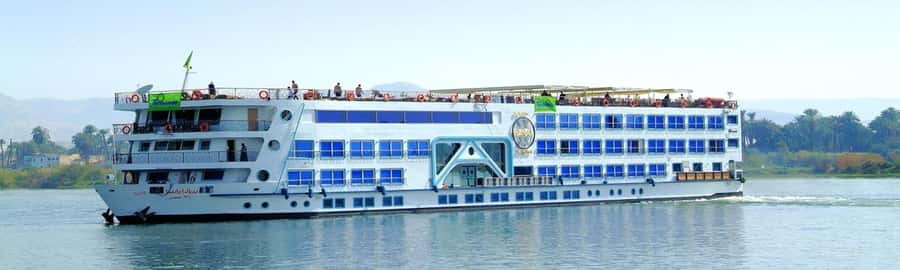
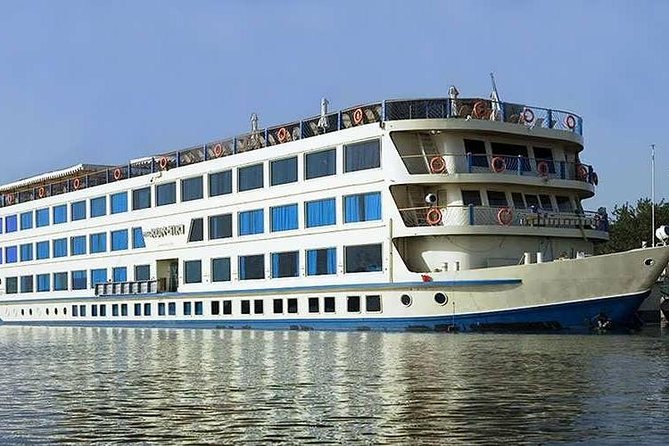
This 4-night Nile cruise is built for people who want more than a sightseeing sprint. The core idea is simple: you sleep on the river, move between major sites during the day, and spend your time where it matters—on the ground inside temples and tombs.
Price is $750 per person, and the cruise includes a lot of what usually eats up money and stress: 4 nights accommodation, meals on the plan (breakfast/lunch/dinner as listed), an Egyptologist guide, and air-conditioned transport plus pickup/drop-off in Luxor and Aswan. Entrance fees aren’t included, so I treat that as the only true “unknown” cost.
I also find the maximum group size (15 people) important. In Egypt, you want enough structure to get through lines and timing, but not so big that you’re herded. This setup aims for that middle ground.
You can also read our reviews of more boat tours in Luxor


The one drawback to budget for
Entrance fees are your expense. That means you should either:
- budget for tickets in advance so the day doesn’t surprise you, or
- have your guide help you confirm what you’ll definitely pay for on the day.
Day 1 in Luxor: Karnak and Luxor Temple on the East Bank
Day 1 starts with pickup in Luxor—your hotel, the train station, or Luxor airport—then a ride by air-conditioned vehicle to the East Bank. This side is where Luxor’s “big statements” live, and it’s a smart place to start because the scale sets the tone for everything else you’ll see.
Karnak Temple: where the gods had a whole neighborhood
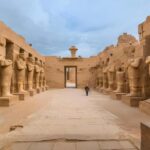
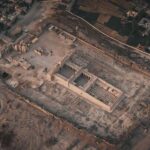
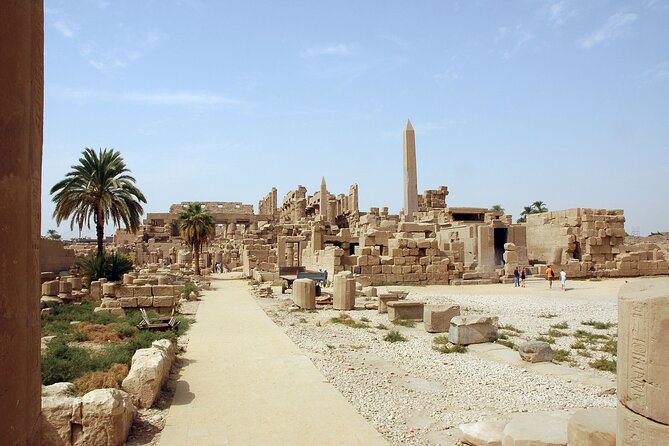
You’ll visit Karnak Temple, dedicated to the triad of Thebes: Amun Ra, Mut, and Khonsu. Karnak isn’t one clean, single building. It’s a temple complex built and reworked by multiple kings, so the layout can feel complicated—on purpose. That’s why an Egyptologist matters here: you’re not just staring at columns, you’re learning what each part represents.
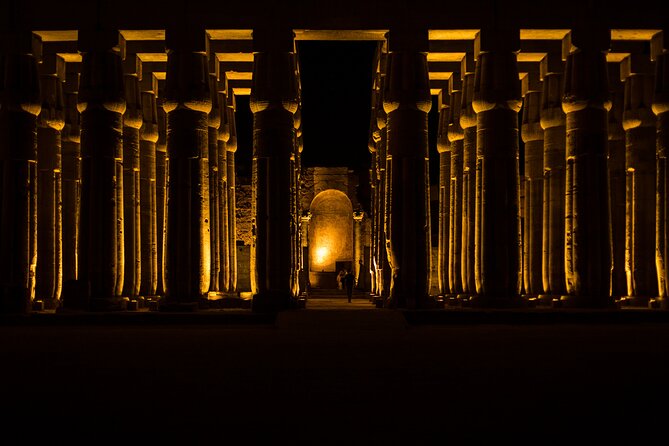
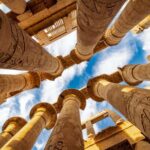
The Hypostyle Hall is the star—134 columns in ordered rows. It’s one of those places where you realize why people once thought architecture could be magic.
Luxor Temple: New Kingdom power at street level
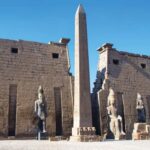
Next you’ll go to Luxor Temple, associated with King Amenhotep III of the New Kingdom. The location is more downtown-feeling than Karnak, so it plays differently in your memory. If Karnak is the massive “message,” Luxor Temple is the more intimate follow-through.
Then the day ends with staying the night on the cruise ship—so you’re set up for the next morning on the West Bank.

Day 2 West Bank: Valley of the Kings, Hatshepsut, and the Colossi of Memnon
Day 2 flips you from the living world of temples to the “city of the dead.” After breakfast on board, you head to the West Bank for tombs, mortuary temples, and big-photo moments.
Valley of the Kings: tombs with color you don’t expect
At the Valley of the Kings, you’ll visit three tombs. The point isn’t just that they’re old; it’s that the decoration is surviving in ways that make the art feel alive. You’ll learn about the artists’ clever choices and see shining colors that still pop if you’re ready for how close-up the detail can be.
A practical tip: bring a little patience. Tomb interiors can be dim, and your eyes need a few minutes to adjust before you’ll really notice the patterns.
Hatshepsut Temple: the divine birth story, plus politics
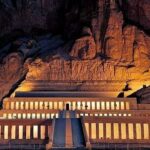
Then you’ll visit the Temple of Queen Hatsheput. Your guide will connect her rise to the throne with themes of divine birth and the conflict with Thutmose III. This is one of the stops where understanding the story makes the stone much more interesting.
Hatshepsut’s temple is also visually distinctive. It feels like a statement built by someone who wanted to be remembered.
Colossi of Memnon: photo ops that still mean something
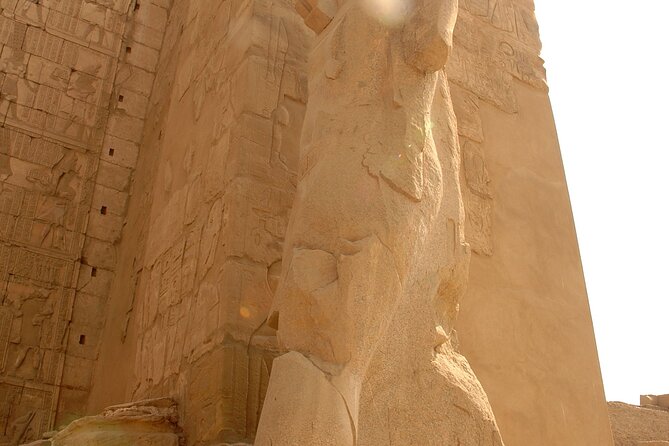
You’ll finish with the Colossi of Memnon—two huge statues of Amenhotep III. Yes, you’ll take pictures. But you’ll also get a quick sense of the scale of the original mortuary complex they belonged to.
After lunch onboard, you sail toward Edfu.
Day 3 Edfu and Kom Ombo: Horus, the Falcon, and a Temple with Two Worlds
Day 3 is where the cruise schedule starts to feel like a “temple relay.” Breakfast on board, guided visits off the boat, then sailing after each stop.
Edfu Temple: dedicated to Horus (the falcon protector)
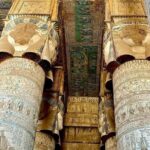
You’ll visit the well-preserved Temple of Edfu, dedicated to the falcon god Horus. This is one of the big temple experiences on the route, and it’s popular because the condition helps you read the carvings and layout.
The guide’s context here matters because it changes how you interpret the scenes—less “pretty walls,” more “religion-in-stone.”
Kom Ombo Temple: why it feels unusual
Then you sail to Kom Ombo and visit its temple. The main idea is that it’s fascinating, and it stands out along this route because of its themes and design. Your Egyptologist will help connect what you’re seeing to the gods and beliefs tied to this location.
When you’re in a place with a lot of similar-looking walls, it helps when you’re given a clear “what to look for” framework—and that’s what guidance is supposed to do.
Day 4 Aswan Day: Philae Temple, the High Dam, and an Unfinished Obelisk
By Day 4 you’re arriving in Aswan, which gives you a different feel than Luxor. The tempo slows slightly because you’re not juggling as many back-to-back tomb moments. Instead, you get a focused set of major landmarks.
Philae Temple: a boat ride plus a temple that feels dramatic
You’ll visit Philae Temple, with the itinerary noting a motorboat ride. That’s a small detail that makes a difference. It’s not just transport—it’s part of the mood, and it helps you feel like you’re reaching something special rather than just arriving in a lineup.
High Dam: the modern engineering side of Aswan
You’ll also see the High Dam. This is key for context: you’re looking at ancient sites today, and modern infrastructure is part of why the region looks the way it does.
Unfinished obelisk: proof that history is work in progress
Finally, you’ll visit the unfinished obelisk. This one is a reminder that these monuments were made by real people with real constraints. You’re seeing the process, not the final product.
Then you stay overnight in Aswan so Day 5 has a calmer start.
Day 5 Options: Abu Simbel Early Morning and Saying Goodbye to the Nile
Day 5 begins with breakfast on board and an option to visit Abu Simbel on Lake Nasser in the early morning. Abu Simbel is famous for a reason. If you’re the type who likes the big, high-impact monuments, this is the day that usually justifies the extra effort.
After your visit (or without it), you check out and get transferred by air-conditioned vehicle to your hotel, Aswan train station, or Aswan airport.
Quick reality check about timing
Because Abu Simbel is early, it’s not a “sleep in and see” kind of day. If your idea of vacation includes late mornings, plan accordingly and consider whether you truly want the optional add-on.
What the Included Stuff Really Means for Your Day
This kind of cruise works when the included items remove friction. Here’s how the inclusions translate into real-life comfort.
- Meals onboard (B/L/D as listed): fewer decisions during the busy sightseeing days.
- Qualified Egyptologist guide: you’ll get explanations that help you tell the difference between what you’re seeing in tombs and temples.
- Hotel/station/airport transfers: less guesswork when you arrive in Luxor and when you leave Aswan.
- 4 nights accommodation on the cruise: you wake up in the middle of the journey instead of cramming travel breaks.
The only major exclusion is entrance fees. I’d rather you go in knowing that up front than get a surprise later.
Guide Quality: Why Names Like Mustafa Ragab Matter
In the feedback I saw, certain guide names show up repeatedly, especially Mustafa Ragab. That kind of repeat signal matters because on this route, the difference between an okay and a great guide is huge. You’re looking at ancient structures that can be visually impressive but confusing without explanation.
A strong Egyptologist doesn’t just recite facts. They help you understand what to look for—whether it’s the logic of Karnak’s complex plan, the story behind Hatshepsut, or the meaning of scenes in the Valley of the Kings.
Who This Cruise Fits Best (and Who Might Feel Frustrated)
This itinerary suits you if you:
- want a structured way to see Luxor, Edfu, Kom Ombo, and Aswan without juggling logistics,
- like learning history in context rather than just taking photos,
- enjoy the rhythm of a Nile cruise—sleep on the water, tour by day, sail between stops.
It may not be the best fit if you:
- hate early starts (especially with the Abu Simbel option),
- expect entrance fees to be included in the headline price,
- are sensitive to last-minute schedule changes. Some feedback reported communication problems and even late cancellations in other versions of this booking. I can’t promise you won’t hear a hiccup, so I’d recommend keeping your schedule flexible and confirming details clearly before you travel.
Practical Tips to Make the Cruise Feel Smooth
- Bring cash for entrance fees. The tour price is clear, but ticketing isn’t included.
- Plan for sun and walking on temple days. Even when the boat handles the big transit, you’ll still be on uneven ground.
- Choose Abu Simbel intentionally. It’s early, and it can be a long day. If you want the biggest monument, go for it. If you’re tired, skip it and enjoy Aswan instead.
- Use the guide actively. If you’re curious, ask questions. On this route, good answers make the carvings and tomb art snap into focus.
Should You Book This Luxor-to-Aswan Nile Cruise?
If your goal is a classic Luxor-to-Aswan experience with real guided temple time, this cruise is a solid choice—especially for the value you get when you compare price versus included meals, accommodation nights, and an Egyptologist.
I’d book it if:
- you’re comfortable budgeting for entrance fees,
- you like structured days and want the cruise to handle transfers,
- you want more time in Luxor than a quick add-on route.
I’d think twice if:
- you need a perfectly predictable schedule with no surprises,
- you can’t handle early departures,
- you want a totally independent trip where you choose every ticketed site yourself.
Bottom line: this is a good “see the best stops with a guide and don’t sweat logistics” plan. Just budget for entrances and keep a flexible mindset for Egypt’s real-world operational bumps.
FAQ
What’s included in the 4-night Nile cruise package?
The package includes 4 nights accommodation, meals as listed in the itinerary (breakfast, lunch, dinner), a qualified Egyptologist guide, hotel pickup and drop-off, and transport by air-conditioned vehicle. Entrance fees are not included.
Are entrance fees included?
No. Entrance fees are at your own expense, so you should budget for tickets on temple and tomb days.
How long is the tour?
It runs for about 5 days total, based on the 4 nights on the cruise included in the schedule.
Do you get pickup in Luxor and transfer out in Aswan?
Yes. The experience offers pickup in Luxor (hotel, train station, or Luxor airport) and transfer by air-conditioned vehicle when you leave Aswan (to a hotel, train station, or airport).
Is Abu Simbel included?
Abu Simbel is optional. You have a chance to visit it early morning on day 5, after breakfast, before you check out and transfer onward.
How big is the group?
The maximum group size is 15 travelers.
What are the rules for children?
A child rate applies only when sharing with 2 paying adults, and children must be accompanied by an adult.
Is there free cancellation?
Yes. You can cancel up to 24 hours in advance for a full refund. If you cancel less than 24 hours before the start time, the amount paid is not refunded.