REVIEW · LUXOR
A Luxor Excursion to Habu Temple, Valley of Workers & Queens
Book on GetYourGuide →Operated by Emo Tours Swiss · Bookable on GetYourGuide
Three tomb sites, one smooth West Bank day. This tour strings together Medinat Habu (Habu Temple), Deir el-Medina, and the Valley of the Queens with a private guide and a car that actually keeps you comfortable. I especially loved how the Habu Temple carvings and towering columns look incredibly solid for something this old, and I also liked the way Deir el-Medina turns the Valley of the Kings into a real workplace by focusing on the artisans who made the tombs. One thing to keep in mind: if a specific tomb is closed for maintenance, your guide may swap the plan, so go in with a little flexibility.
The ride is easy. You get a pickup at 8:00 am from your hotel or Nile cruise (or from Luxor International Airport, depending on your option), then you head straight to the West Bank by private A/C vehicle with bottled water included. Guides I’ve seen mentioned, like Sawsan and Bahhgat, are described as friendly and sharp on explanations, which matters when you’re moving between three different sites in one morning-and-early-afternoon window.
In This Review
- Key things to know before you go
- Morning Pickup and the Private A/C Ride to Luxor’s West Bank
- Medinat Habu (Habu Temple): Towering Columns and Carvings You Can Read
- Deir el-Medina: The Worker Village Behind the Valley of Kings Tombs
- Valley of the Queens: Ta-Set-Neferu and Royal Burials Beyond Queens
- The 6-Hour Flow: Good Pace, Smart Order, Less Stress
- Price and Value: What $91 Really Buys You
- Guide Languages and Communication That Helps You See
- Should You Book the Habu Temple, Workers, and Queens Tour?
Key things to know before you go
- Private guided tour with skip-the-ticket-line timing so you spend more time looking and less time waiting
- Medinat Habu (Habu Temple): towering columns and intricate carvings in a very well-preserved setting
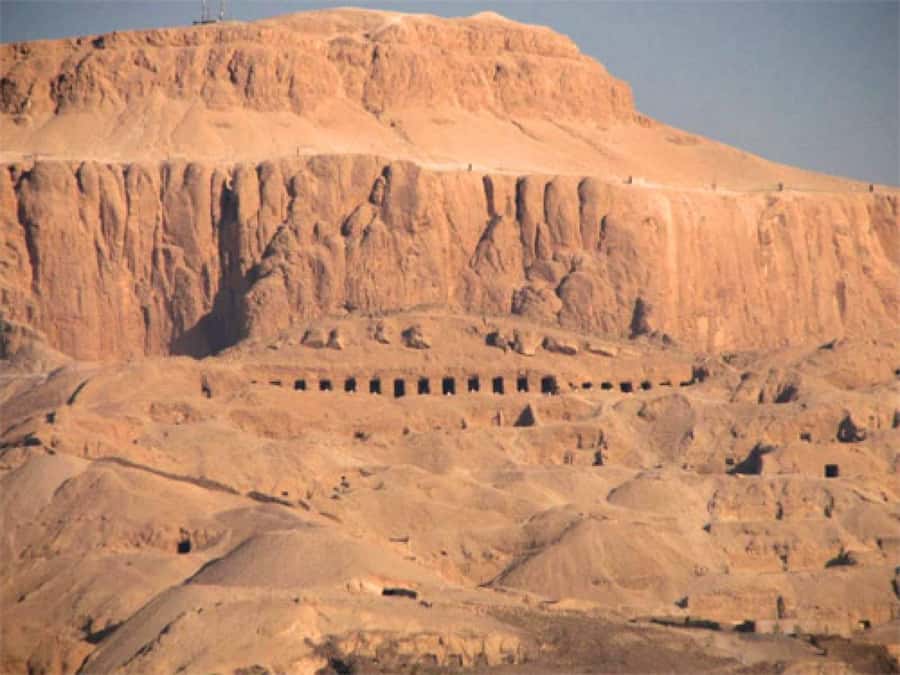
- Deir el-Medina: the worker village tied to the tomb-building teams of the 18th–20th dynasties
- Valley of the Queens: Ta-Set-Neferu (the place of the children of Pharaoh) with royal burials beyond queens
- All transfers by private A/C vehicle plus entry fees included in the price
- Bottled water provided to keep the pace comfortable in Luxor’s heat
Morning Pickup and the Private A/C Ride to Luxor’s West Bank
Your day starts at 8:00 am, with pickup from your hotel or Nile cruise in Luxor. You’ll meet your guide in the lobby holding a sign with the company name, then get transferred by a private A/C vehicle to the West Bank. Even if you’ve done Luxor before, having a dedicated car and one guide for the whole flow helps you keep the monuments in your head as a single story.
This is a big deal in practice. The West Bank is not a “pop in, pop out” place. You want time to settle your eyes, read a few details, and actually notice what the guide points out—especially in areas where light and distance can make carvings hard to see on your own. With a private setup, you can also move at your pace when you hit something that catches your attention.
If you’re flying in, you can also start from Luxor International Airport. If you’re returning later, the plan includes drop-off back at the airport as well. That flexibility is handy when your travel day is already packed.
You can also read our reviews of more tours and experiences in Luxor.

Medinat Habu (Habu Temple): Towering Columns and Carvings You Can Read
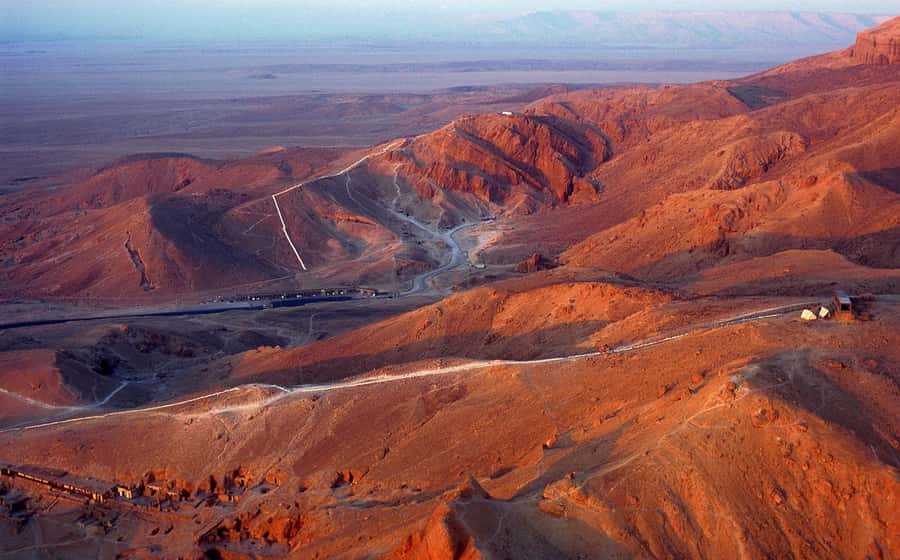
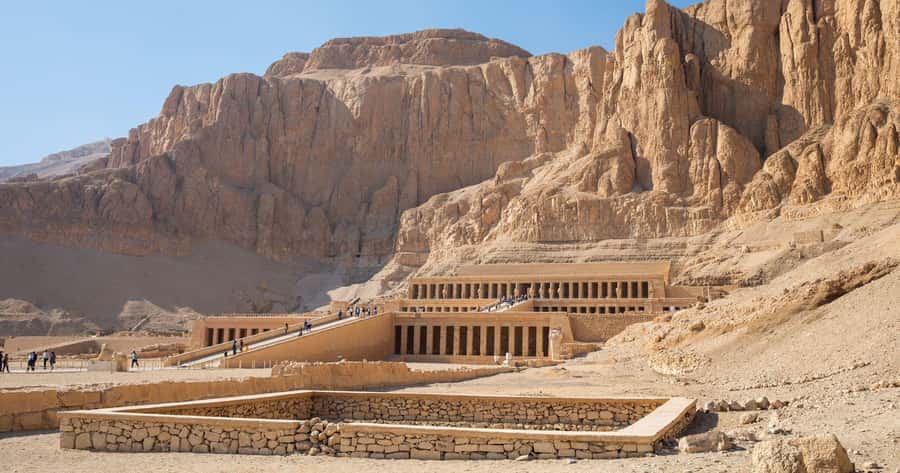
The day’s main “wow” stop is Medinat Habu, often called Habu Temple in tours. It sits near the foot of the Theban Hills on the West Bank, across from modern Luxor, and it feels like the monuments are built to be seen from different angles. This is the kind of place where the scale hits you first—those towering columns—and then the carvings pull you in once you slow down.
What you’ll love here is the overall condition. In guides’ explanations, it’s easy to focus on names and timelines, but the standout experience is how clean and legible many details appear. One review notes the temple feels really magnificent and very well preserved, and I get why that lands. When a site holds up visually, your guide can point without you squinting through a mess of weather-worn stone.
A good private guide makes this stop feel three-dimensional. The guide can explain what you’re looking at—carving placement, repeated motifs, and the way the layout guides your eyes. With enough time here (the tour includes about an hour with guidance), you can move from “pretty” to “I’m getting it.”
Practical tip: wear something sun-proof. The temple area gets bright fast. You don’t need to rush; you just need shade when your eyes start to tire.
Deir el-Medina: The Worker Village Behind the Valley of Kings Tombs
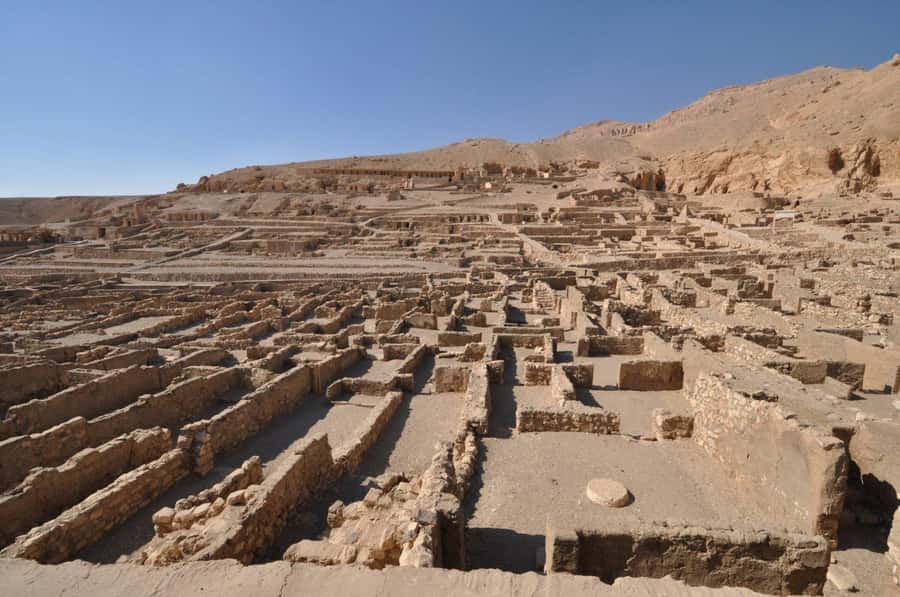
After Medinat Habu, you head to Deir el-Medina, also known as the Valley of Workers. This is where the story of royal burials becomes human-scale. Deir el-Medina was an ancient Egyptian village home to the artisans who worked on the tombs in the Valley of the Kings during the 18th to 20th dynasties (ca. 1550–1080 BC).
That time frame matters. It means you’re not just touring “some ruins.” You’re seeing a place linked to how New Kingdom tombs were actually made: teams of workers living close to their craft, with art and decoration tied to the work itself. The guide’s explanations here are the difference between walking through remains and understanding the village’s role.
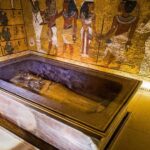
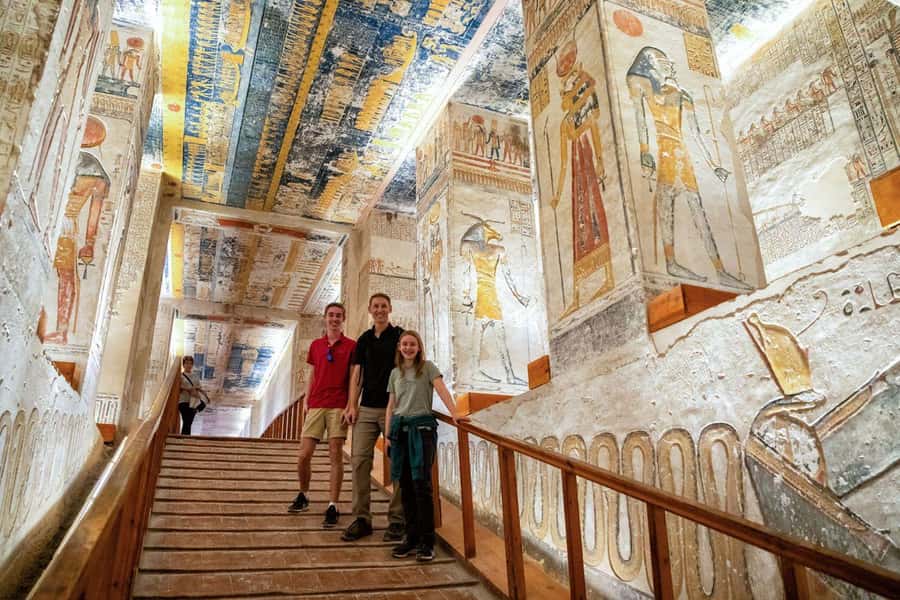
One detail that stood out is how the paintings are described as looking so fresh. Even if you know ancient art can look worn in other places, Deir el-Medina’s surviving surfaces can feel unusually lively. That freshness makes the explanations easier to follow because you’re not always fighting faded traces.
If you like Egypt that’s not only about pharaohs on thrones, you’ll enjoy this stop. It gives you a different lens on power: the people who made the monuments possible.
Valley of the Queens: Ta-Set-Neferu and Royal Burials Beyond Queens
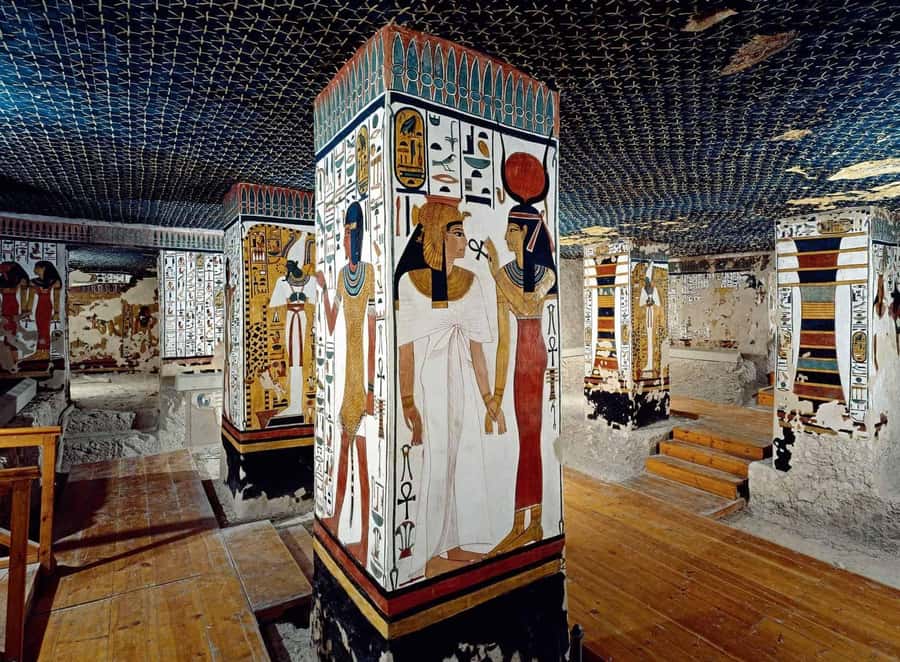
Next comes the Valley of the Queens, where the tour centers on the burial area known in ancient times as Ta-Set-Neferu, meaning the place of the Children of the Pharaoh. The key point isn’t only that queens were buried here. It’s that along with queens from the 18th, 19th, and 20th dynasties, many princes and princesses were also buried, along with other members of the nobility.
That broader mix changes how you view the valley. It stops being a simple “who’s who of queens” stop and turns into a family map of royal life and status. With a guide, you can connect what you see to the meaning behind the names and the burial pattern.
The experience feels more rewarding when you can compare it in your mind to other West Bank sites you’ve seen. Here, the guide can help you notice how the valley’s identity shapes the monuments. You’ll likely spend about an hour here with guidance, which is enough time to get your bearings and focus on the most important tomb areas without feeling rushed out the door.
Bring water, pace yourself, and don’t try to “collect stamps.” Choose what you want to understand. In this valley, your best souvenir is what the guide helps you decode.
The 6-Hour Flow: Good Pace, Smart Order, Less Stress
A 6-hour duration sounds short until you’re actually on the West Bank. Then you realize it’s the right length for three major stops because you’re not traveling between them repeatedly. The order also helps: you start with Medinat Habu, then shift to the worker village context, and finish with the royal burials of the Valley of the Queens. That sequence keeps the day from feeling like a random list.
There’s also a “stress saver” built in: skip-the-ticket-line plus private transportation. In Luxor, waiting can eat your mood fast. When tickets are handled smoothly and the guide keeps the day moving, you spend more energy on the monuments themselves.
What you should watch for is timing pressure if you’re sensitive to schedules. This tour packs meaningful content into a half-day. If you tend to linger a lot, tell your guide gently at the start. With a private group, you’ll usually get some flexibility.
One more consideration: tomb access can shift. A closure can happen, and the guide may propose substitutions that change what you expect to see. I’d plan mentally for “this is an excellent day even if one door is shut,” not “everything will match my wishlist perfectly.”

Price and Value: What $91 Really Buys You
The price is $91 per person for a private guided half-day covering major West Bank sites. What makes this feel fair isn’t just the guide—it’s what’s included: all transfers by a private A/C vehicle, entry fees, a tour guide, and a bottle of water.
That’s where value shows up. A lot of Luxor days look cheap on paper until you add transport, tickets, and guide time. Here, you’re buying a bundled plan that keeps your day coherent. You also don’t have to manage ticket lines, which can be a big chunk of lost time on busy days.
What’s not included is straightforward: lunch and tipping. So if you want lunch, you’ll pay extra or plan to grab something nearby after the tour. And if tipping is part of your travel routine, decide your amount ahead of time so it doesn’t become an awkward topic mid-day.
If you’re a solo traveler, a couple, or a small group that wants less hassle than larger group tours, this setup usually makes sense. If you’re the kind of traveler who only wants one or two sites, you might feel three stops is too much. But for people who want a full West Bank sweep with an informed guide, it’s a strong fit.
Guide Languages and Communication That Helps You See
The tour guide can speak Arabic, English, German, and Spanish. That matters more than you might think. In places like Medinat Habu and the Valley of the Queens, small interpretive details—why something is placed where it is, what a symbol refers to, how a site’s layout works—help you “read” the monuments instead of just looking at them.
In the experiences shared, guides such as Sawsan and Bahhgat are mentioned as friendly and knowledgeable, and that’s exactly the style that makes a short day work. You don’t need a lecture; you need clear explanations at the right moments.
Tip: if you have specific interests (workers’ lives, royal family burials, temple symbolism), ask early. A private guide can adjust on the fly when you give them a direction.
Should You Book the Habu Temple, Workers, and Queens Tour?
If you want a well-structured West Bank morning with a private car, included entry fees, and guided time at three big sites, I think this is an easy yes. Medinat Habu is the star for impressive condition and scale, Deir el-Medina adds a grounded view of the people who built the tombs, and the Valley of the Queens gives you the family-and-burial context behind the place name Ta-Set-Neferu.
Book it if you like guided explanations and want to leave with more than photos. Consider a little flexibility in your expectations if you’re fixated on one specific tomb view—access can vary—and remember lunch and tipping are not included.
If your goal is to get the West Bank essentials without the usual logistical headaches, this tour hits the sweet spot.