REVIEW · GIZA
Private Tour in Giza Pyramids, Saqqara & Memphis and Sphinx
Book on Viator →Operated by Ragab · Bookable on Viator
One day, three must-see monuments. This private route strings together Giza pyramids, the Great Sphinx, then keeps going to Saqqara and Memphis so you get the full Old Kingdom story in a single long outing. I like that it’s built for flow: transport, photo stops, and a licensed guide, all in one package.
What I especially like is the guide time. Ragab, a licensed Egyptologist, is the type who doesn’t just name structures. He explains how these sites connect, and he answers questions clearly as you move. I also like the practical touch of air-conditioned transport and bottled water, which really matters once you’re out walking for stretches in the heat.
The main drawback to factor in is simple: entrance fees aren’t included. Admission for Giza/Sphinx, Saqqara, and Memphis can add to the $55 base price, and you’ll want to be ready for extra cost and some waiting time once you arrive.
In This Review
- Key highlights at a glance
- A one-day circuit of Giza, Saqqara, and Memphis
- How the 8-hour schedule actually feels
- Giza Pyramids: Cheops, Chephren, Mykerinus in one sweep
- The Sphinx and Valley Temple of Chephren: more than a photo stop
- Saqqara: the Step Pyramid of Djoser and the oldest stone ambition
- Memphis: Ptah’s worship center and the Alabaster Sphinx
- Price and value: what $55 per person really buys
- What’s included, what’s not, and the smart way to prep
- Private touring with Ragab: why the guide makes the difference
- Who should book this tour (and who might want something else)
- Should you book this Giza–Saqqara–Memphis private tour?
- FAQ
- FAQ
- How long is the private tour?
- What locations are included?
- Are pickup and drop-off included?
- Is the tour private?
- Is the mobile ticket included?
- Are entrance fees included in the price?
- What is included in the tour besides the guide?
- How much does the tour cost?
- What is the cancellation policy?
- Is this tour suitable for most people?
Key highlights at a glance
- All three Giza pyramids plus the Sphinx in one tight circuit
- Step Pyramid of King Djoser at Saqqara, described as the oldest complete stone building
- Valley Temple of Chephren for a fuller look at royal precincts
- Memphis Old Kingdom capital sights, including Ramsis II and the Alabaster Sphinx
- Licensed Egyptologist guide (Ragab) with strong Q&A and photo-friendly stops
- Pickup and drop-off with AC to keep the day manageable
A one-day circuit of Giza, Saqqara, and Memphis
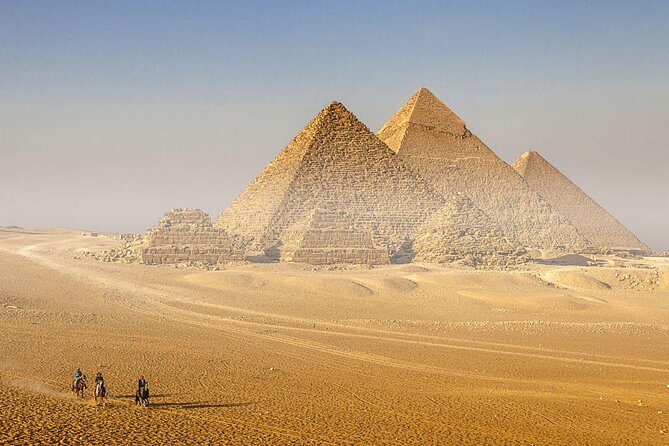
If you want a concentrated taste of Egypt’s pyramid era, this is a smart way to do it. You start at Giza and see the three major pyramids and the Great Sphinx area, then you drive south to Saqqara for the Step Pyramid, and finally you end in Memphis for key Old Kingdom anchors.
The value here is time. Instead of coordinating separate taxi trips and piecing together multiple admissions, you get a single plan with one guide threading the story for you. That matters because these places can feel like “just big ruins” if you don’t know what you’re looking for. With a licensed Egyptologist leading the way, you’ll get context fast—why these monuments were built, how the dynasties connect, and what to notice while you’re standing there.
Also, this is a private tour, so you’re not stuck pacing with strangers who want a 10-minute photo and then disappear. You can ask questions, pause for views, and move at a comfortable pace—within the constraints of an 8-hour day.
You can also read our reviews of more private tours in Giza

How the 8-hour schedule actually feels
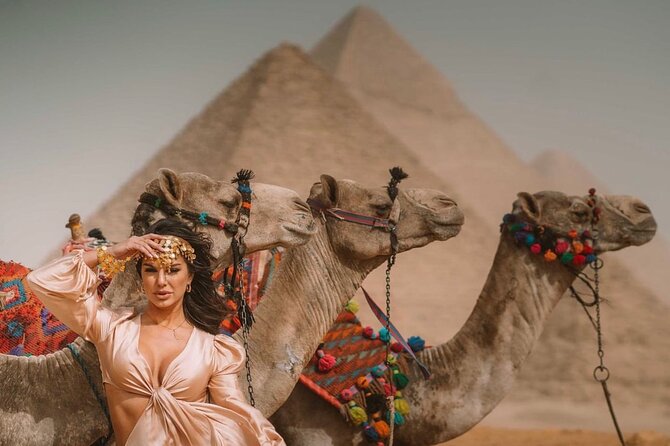
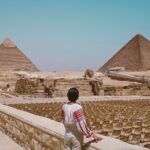
Eight hours is long, but it’s also just enough to hit the highlights without turning the day into a sprint. You’ll spend real time walking on uneven stone and sand at Giza, then switch to Saqqara for the Step Pyramid complex, and wrap with Memphis for a calmer, city-style finish.
One practical thing: this is a full-day commitment. You’ll likely be out in sun for stretches, and the walking can add up even if you’re not doing long hikes. The good news is that you’re not stuck in heat for the whole day—there’s air-conditioned vehicle transport between stops and bottled water included.
A second practical point is admissions. The monuments themselves are amazing, but you need to budget for entrances because ticket prices are not included. That affects how smooth your day feels, especially if lines or security checks run slower than expected.
Giza Pyramids: Cheops, Chephren, Mykerinus in one sweep
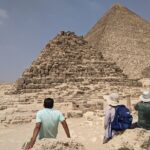
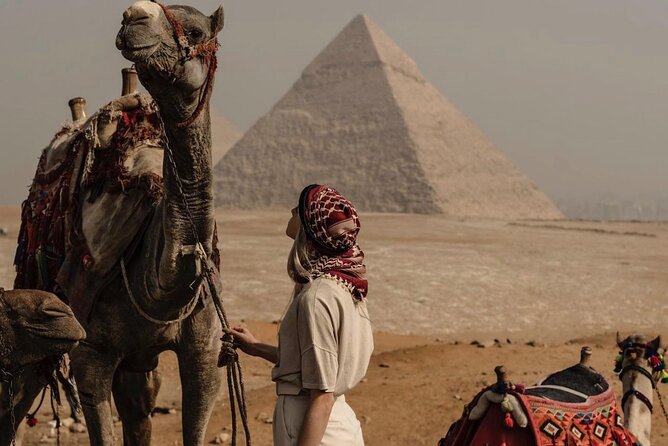
Giza is the headline, and this tour starts right where most people want to be: at the pyramids. You visit the Pyramid of Cheops, then Chephren, and finally Mykerinus. Seeing all three in one day is powerful because each one has its own “personality,” and the differences become clearer when you stand next to them back-to-back instead of days apart.
I like how this structure helps you spot what’s often missed when people visit only one pyramid. When you’re able to compare scale and placement across the complex, you start noticing how the site was planned. You also get better at reading the environment—how the precincts relate to each other, where sightlines open up, and where it makes sense to stop for photos.
One consideration: the time spent at Giza is listed as 4 hours for the pyramid area. That’s enough to see the big forms and walk around key vantage points, but it won’t feel like you have hours and hours to wander. If you’re the kind of person who wants to slow down for every single corner and inscription, you might feel it’s “too fast.” If you want a well-run day that hits the essentials with context, it’s a good fit.
The Sphinx and Valley Temple of Chephren: more than a photo stop

After the pyramids, you head to the Great Sphinx, which is dated to the time of King Chephren. This is one of those monuments where it helps to have a guide pointing out what you’re looking at—because your eye can get distracted by the obvious face and miss the larger story.
This tour also includes the Valley Temple of King Chephren. That’s a big deal, because it shifts your visit from “famous landmark” to “royal ritual space.” Temples and processional areas explain how these sites functioned, not just what they looked like from afar. You’ll likely walk away with a clearer sense of why the Sphinx area sits where it does and how it fit into the broader Giza complex.
One thing to plan for: the Sphinx area can feel busy and hot, and the best viewing angles can be a game of timing. Having a guide helps because you spend less time guessing where to stand and more time actually seeing.
Saqqara: the Step Pyramid of Djoser and the oldest stone ambition
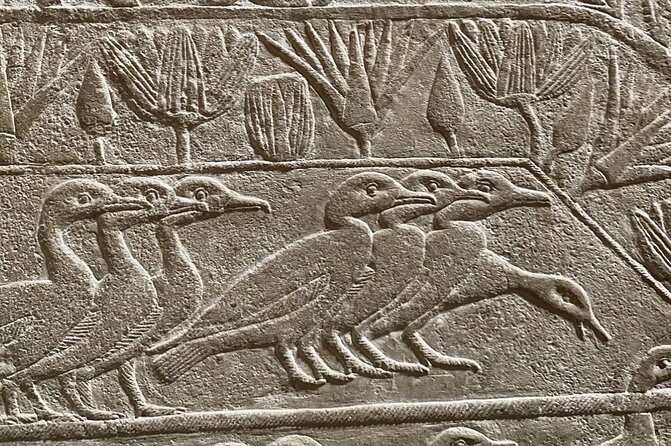
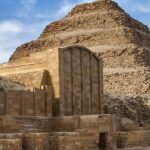
Next comes Saqqara, about 30 km south of Giza. Saqqara often gets less attention than Giza in one-day plans, but it deserves the spotlight. Here you visit the Step Pyramid of King Djoser, described as the oldest complete stone construction ever built on earth. That alone is a good reason to go—because it signals a turning point in how rulers expressed power and permanence.
You’ll also hear why Saqqara is often called the largest cemetery ever found in history, with uncountable ancient tombs. That kind of scale changes your perspective. Instead of focusing only on one “hero monument,” you see the bigger idea: Saqqara wasn’t a single project. It was a long-lived necropolis.
The time you’re given at Saqqara is 2 hours. For most people, that’s just right: enough to see the Step Pyramid complex and understand its significance without feeling like you’re rushing. The biggest drawback is that the site can feel expansive, so if you get easily distracted by every small structure, you may wish you had more time.

Memphis: Ptah’s worship center and the Alabaster Sphinx
After Saqqara, you move to Memphis, which served as Egypt’s capital for more than eight dynasties during the Old Kingdom. The city peaked in prestige under the Sixth Dynasty, when it became a center for the worship of Ptah, the god of creation and arts.
This is where the day rounds out nicely. Giza and Saqqara are about monumental royal projects. Memphis is more about the administrative and religious heart of a functioning kingdom. The vibe changes, and that helps you process what you saw earlier rather than stacking more “giant structures” back-to-back.
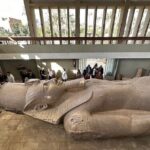
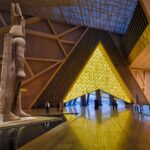
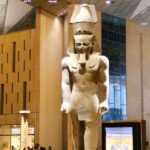
In Memphis, you visit a large statue of Ramsis II and the Alabaster Sphinx. These stops give you tangible anchors for understanding how later rulers interacted with the Old Kingdom legacy. Even if your main goal is the pyramids, Memphis helps you connect the dots between pyramid-building and the wider culture that grew around it.
Time here is short—about 1 hour. That means you’ll likely focus on the main sights rather than a long museum-style stroll. It’s a good ending point, leaving you with enough energy to enjoy the final chapter without turning the day into a marathon.
Price and value: what $55 per person really buys
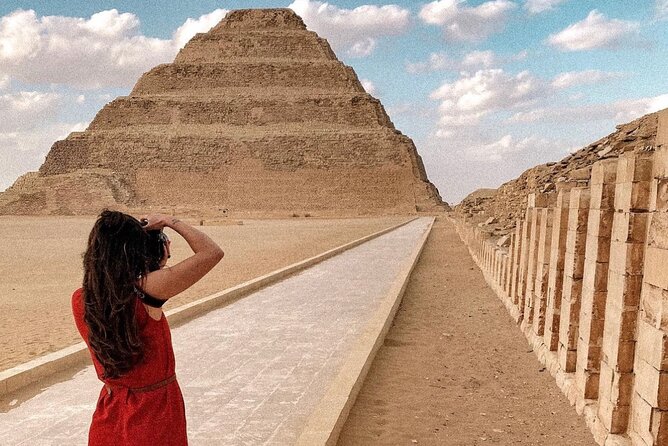
At $55 per person, the base price is about getting you transportation, a licensed Egyptologist guide, and the structure of a private day. That’s the value: you’re paying for fewer logistical headaches and better interpretation once you’re on-site.
Just remember what’s not inside that number: entrance fees for the sites are not included. So your real “all-in” cost depends on ticket prices at Giza/Sphinx, Saqqara, and Memphis. If you want the best sense of total cost, ask ahead what admissions you should expect to pay so you’re not doing math on the fly.
I also think the included items matter more than they sound on paper:
- Air-conditioned vehicle helps you avoid spending the whole day fried by sun and dust.
- Bottled water keeps you from cutting the visit short because you feel dehydrated.
- The guide is positioned to take you to good photo spots, which can save time and improve your results.
In other words, you’re not just paying to be driven. You’re paying for interpretation, timing, and a calmer experience.
What’s included, what’s not, and the smart way to prep
Included in the tour:
- Air-conditioned vehicle
- Bottled water
- A licensed Egyptologist tour guide (Ragab is the name you may meet)
- Help finding the best spots for photos
- Pickup offered
- Mobile ticket
- Private format, meaning only your group
Not included:
- Entrance fees / admission tickets
- Personal expenses
- Gratuity
Preparation tips that actually help you enjoy the day:
- Plan for sun. Even with AC transport, you’ll be outdoors at key monuments.
- Bring cash or card for admission once you arrive (since fees are not included).
- If you’re carrying a phone or camera, charge it before pickup so you don’t run low during the pyramid and Sphinx segments.
- Wear shoes that handle dust and uneven ground.
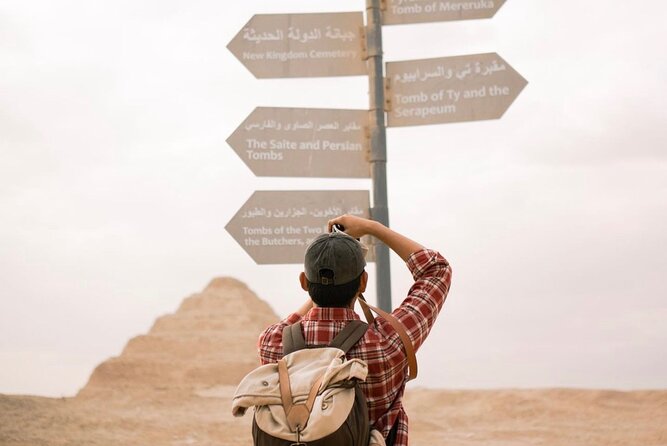
If you care a lot about photos, this tour’s photo-spot approach is a real plus. One traveler even singled out the photos and the guidance around timing and viewpoints.
Private touring with Ragab: why the guide makes the difference

The most repeated praise centers on Ragab’s role as more than a driver with a facts sheet. People describe him as welcoming, stress-free, and eager to share context without holding back. That type of guide changes your experience because you stop treating the pyramids like a checklist.
You also get better answers to the questions that pop up while you’re staring at these places. Why the structures look the way they do. What each dynasty period contributed. How the Sphinx and temples relate to Chephren. How Saqqara fits into the evolution from older building traditions to monumental stone architecture.
One thing I appreciate about guides like this is the “keep it moving” balance. You don’t just wait around for the right photo spot, and you don’t get rushed away before you feel ready. The pacing is designed for a one-day plan that still feels thoughtful.
Who should book this tour (and who might want something else)
This private day works best if you:
- Want Giza, Saqqara, and Memphis in one outing
- Appreciate a guide who explains what you’re seeing as you go
- Like the idea of photo-friendly stops instead of aimless wandering
- Prefer the comfort of AC transport plus bottled water
It might not be your best match if you:
- Want only one site and lots of free time to roam slowly for hours
- Don’t want to add extra budget for entrance fees
- Plan to treat this as a relaxed sightseeing stroll rather than a structured full-day route
Should you book this Giza–Saqqara–Memphis private tour?
I’d book it if you want maximum ancient-value per day without turning planning into a second job. The blend of pyramids (Giza), the stone milestone (Saqqara’s Step Pyramid), and the capital connection (Memphis) makes the order meaningful. You’ll feel how the story evolves instead of ticking boxes randomly.
If you’re on the fence, do this quick check:
- If you’re okay paying entrance fees on top of the $55 base and you can handle a full day in sun, this tour is a strong choice.
- If you want slow, unstructured time at a single site, you might prefer a longer visit focused only on Giza or only Saqqara.
FAQ
FAQ
How long is the private tour?
The tour runs about 8 hours.
What locations are included?
You’ll visit the Pyramids of Giza (Cheops, Chephren, and Mykerinus) and the Sphinx area, then go to Saqqara (Step Pyramid of Djoser), and finish with Memphis.
Are pickup and drop-off included?
Pickup is offered, and the day is designed with transport between stops.
Is the tour private?
Yes. It’s private, so only your group participates.
Is the mobile ticket included?
Yes. A mobile ticket is included.
Are entrance fees included in the price?
No. Admission tickets/entrance fees are not included.
What is included in the tour besides the guide?
You get an air-conditioned vehicle, bottled water, and help with finding good photo spots, along with a licensed Egyptologist guide.
How much does the tour cost?
The price is $55.00 per person.
What is the cancellation policy?
You can cancel for a full refund if you cancel at least 24 hours before the experience’s start time. Cancellation is free, and changes within 24 hours are not accepted.
Is this tour suitable for most people?
The tour notes that most travelers can participate.