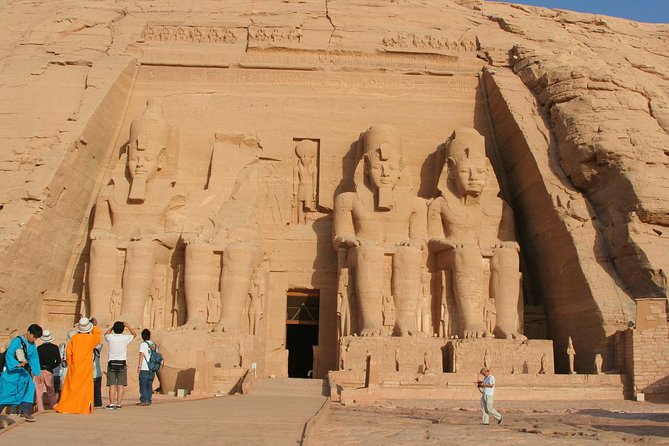
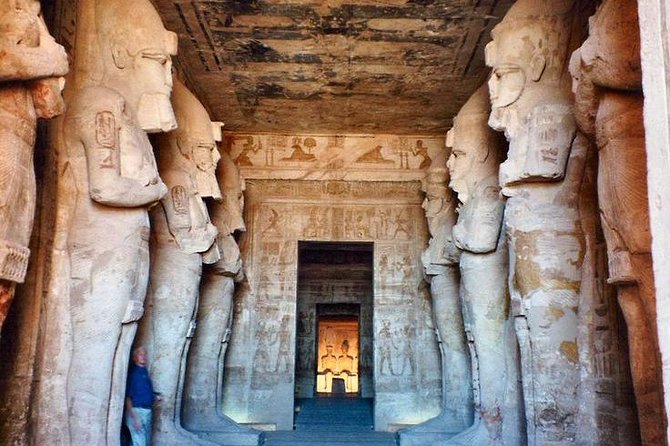
Sunrise temples on the Nile feel unreal.
This 7-night cruise from Luxor stacks the big hits—Karnak Temple and the Valley of the Kings—with a comfy rhythm: you sleep on the boat and sail between stops. I especially like the built-in flow that keeps hotel changes off your plate, and I love having an Egyptologist guide to make the sites make sense instead of just being piles of stone. One thing to plan around: you’re on a schedule with very early mornings, and onboard basics like water and drinks may not match what you expect.
You’ll also want to think about what you want most—easy sightseeing versus a true “float-and-do-nothing” cruise. This trip is private (just your group) and uses pickups, transport, and entrance fees that are included where indicated, which is great for value.
In This Review
- Key things to know before you go
- Why a 7-Night Nile Cruise from Luxor Is Such a Smart Way to See Egypt
- Luxor Day 1: Karnak Temple and Luxor Temple with No Hotel Changes
- The West Bank Day: Valley of the Kings, Hatshepsut, and the Colossi of Memnon
- Edfu Day 3 and the Temple of Horus: When Egyptology Turns Into Real Understanding
- Kom Ombo Day: Two Gods, One Temple Stop That Breaks Up the Route
- Aswan Day 4: The High Dam and Philae’s Island-Temple Feel
- Esna and the Khnum Temple: The Quiet Stop That Often Gets Overlooked
- Food, Water, and the Real-World Boat Notes You Should Plan For
- Price and Value: What $965 Covers, and What to Budget Extra
- Timing, Heat, and Walking: Make the Schedule Work for You
- Who This Luxor to Aswan Cruise Suits Best
- FAQ
- How long is the Nile cruise?
- What time does the tour start?
- Are meals included on board?
- Is an Egyptologist guide and entrance fees included?
- Are drinks, including water, included?
- Can I request a vegetarian option?
- Is this a private tour?
- Do I need to tip?
- What is the cancellation/change policy?
- Should You Book This Luxor to Aswan Nile Cruise?
Key things to know before you go
You’ll see major Luxor and Aswan highlights without hotel hopping
An Egyptologist guide helps you connect the dots at each temple
All meals plus afternoon tea are included, but drinks are not
Expect early starts, lots of walking, and strong sun
Admission fees are included where listed, with optional add-on tours
Why a 7-Night Nile Cruise from Luxor Is Such a Smart Way to See Egypt
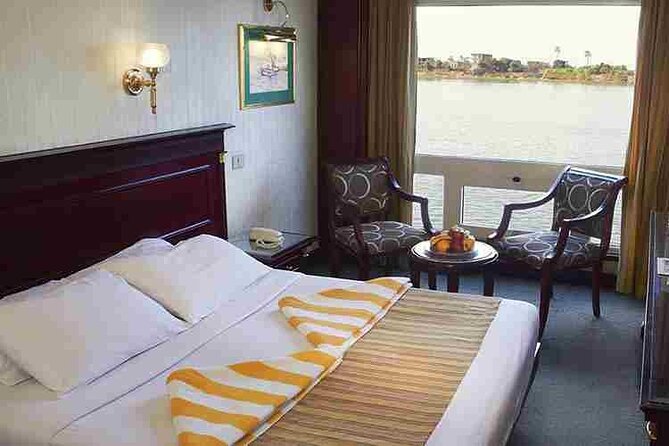
A Nile cruise sounds like a vacation that never ends. In real life, it’s more like a guided “greatest hits” route with time to rest between sites. The value here is that you’re not spending precious hours re-checking in and out of hotels.
The cruise also gives you a nice pacing trick. You do the big sightseeing blocks (Luxor temples, West Bank tombs, Edfu, Kom Ombo, Aswan) and then you sail to the next place, so your day has shape. That structure is comforting when you’re juggling heat, crowds, and history all at once.
You can also read our reviews of more boat tours in Luxor
Luxor Day 1: Karnak Temple and Luxor Temple with No Hotel Changes
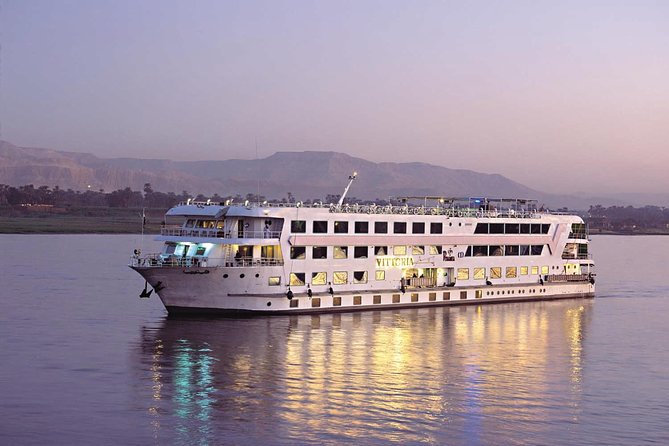
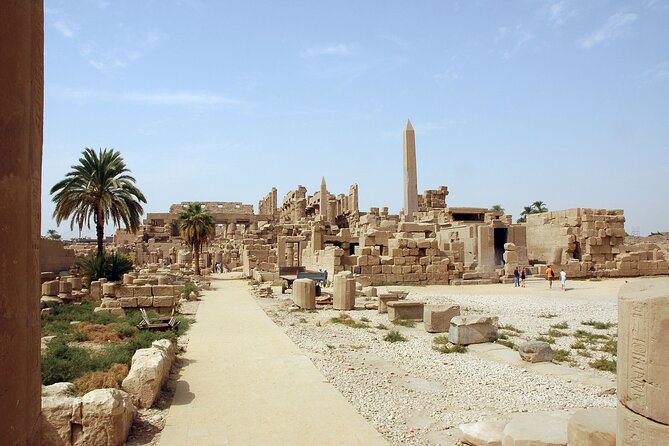
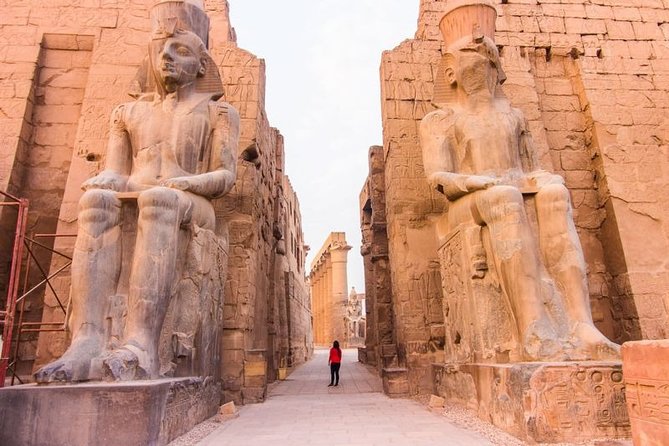
Day 1 starts early enough that you’ll feel the trip right away. You’ll board before lunch, eat on board, then head out for Karnak Temple and Luxor Temple.
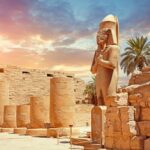
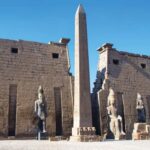
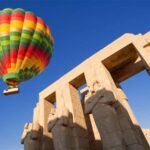
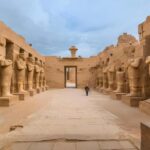
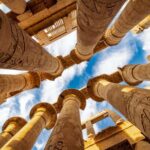
Karnak is the kind of place where your brain needs a guide. With an Egyptologist explaining what you’re seeing, you go from random columns to a real sense of how it functioned and why it mattered. Luxor Temple pairs well after Karnak because it feels more human-scaled and easier to process before you return to the ship.
Overnight in Luxor means you get that first “arrival” night without rushing to the next city. It’s a small detail, but it makes the whole week feel smoother.
The West Bank Day: Valley of the Kings, Hatshepsut, and the Colossi of Memnon
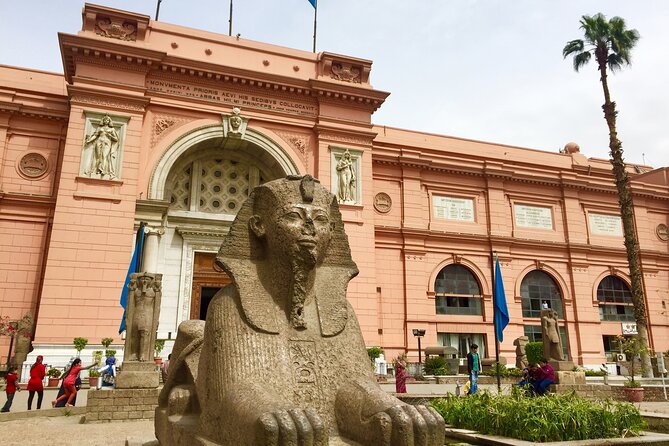
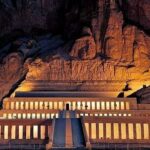
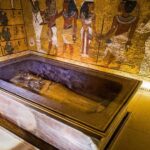
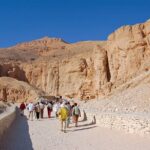
On the second day, the pace shifts from “temples in town” to “temples in the hills.” You’ll cross to the West Bank for Valley of the Kings, the Temple of Queen Hatshepsut, and the Colossi of Memnon.
This is one of the best parts of the cruise because the scenery adds meaning. The West Bank setting makes the tombs feel intentional rather than just “somewhere you walk through.” Hatshepsut’s temple is especially striking for its shape and story, and the Colossi give you that huge, dramatic scale that photos never fully explain.
After lunch on board, you sail to Esna and then continue toward Edfu, including a lock crossing and dinner onboard. Translation: you get to see your next destination while the day winds down, instead of arriving exhausted and immediately facing another full tour.
Edfu Day 3 and the Temple of Horus: When Egyptology Turns Into Real Understanding
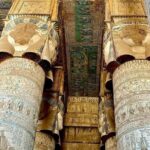
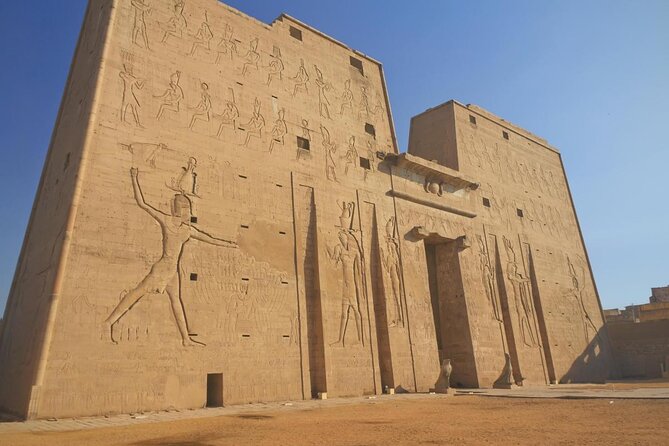
Edfu is where the week starts to feel ancient in a different way. The main stop is the Temple of Horus, and it’s one of those sites where a guide can completely change your experience.
Egypt’s temple walls weren’t just decoration. They worked like a visual language—processions, myths, and royal messaging built into stone. With an Egyptologist walking you through the key parts, you’ll likely spot details you’d miss on your own.
Then you sail toward Kom Ombo for the next night. You’ll have lunch and dinner on board, plus afternoon tea, which is a nice rhythm in the middle of a busy day. Afternoon tea might sound like a small perk, but it gives you a mental break and a chance to cool off.
Kom Ombo Day: Two Gods, One Temple Stop That Breaks Up the Route
On the way, you’ll visit Kom Ombo, including the Temple shared by the two gods Sobek and Haroeris. The idea of one temple honoring two major figures is a great mental palate cleanser after Luxor’s single-focus clusters.
Kom Ombo also helps you understand how Egyptian religion could be both specific and adaptable across regions. Even when you’re tired, your guide can help you connect the symbolism to what you saw earlier, so the week doesn’t feel like disconnected ticket stops.
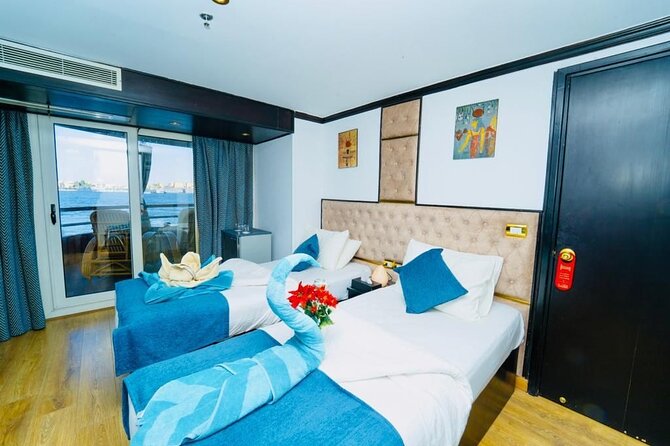
You’ll have a bit of free time on the next day as well, plus sailing time back toward Edfu. That flexibility matters. It lets you recover, wander the ship’s spaces, or simply sit on deck and watch the Nile slide by.

Aswan Day 4: The High Dam and Philae’s Island-Temple Feel
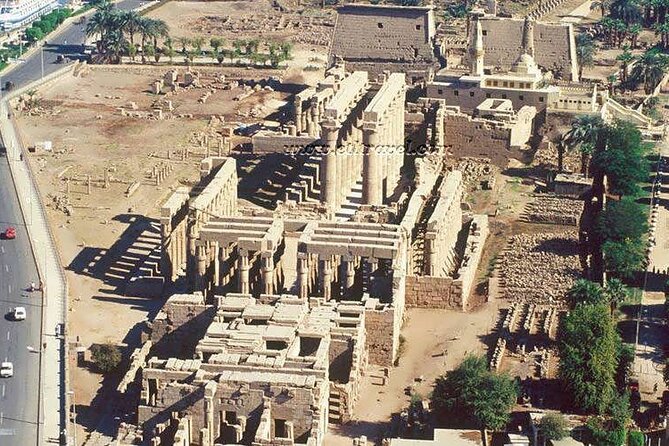
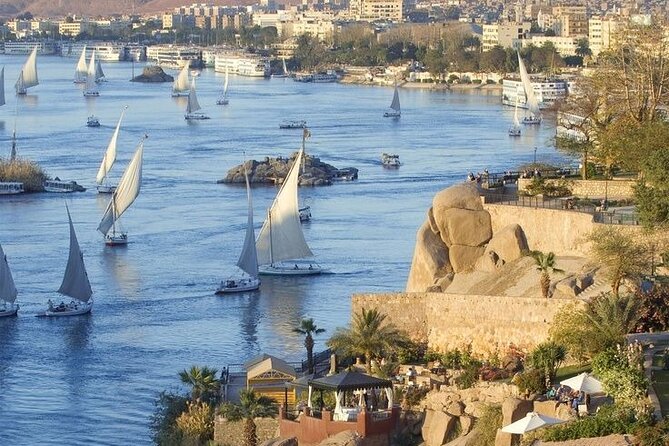
Aswan is where the Nile starts to feel more like a world. Day 4 includes a visit to the High Dam and the Temple of Philae.
The High Dam gives you a modern anchor for your trip. It shows how people reshaped the landscape—and it helps you understand why Aswan looks and feels different than Luxor upstream. Then Philae swings you back into ancient Egypt, especially because it’s famous for the way it sits and the atmosphere around it.
After that, you’re back on board for afternoon tea and dinner, then overnight in Aswan. This is a good setup if you want the day’s sightseeing to land, rather than being immediately followed by another exhausting temple block.
Esna and the Khnum Temple: The Quiet Stop That Often Gets Overlooked
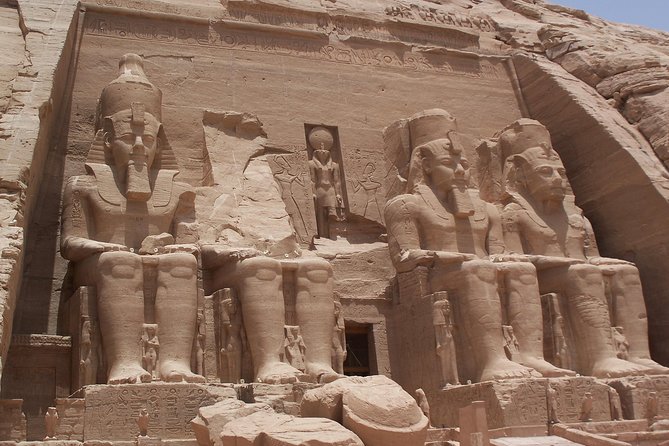
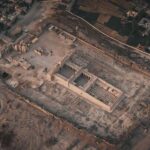
Not every day is built for maximum big-name excitement. Day 6 includes sailing to Esna, a visit to the Temple of God Khnum, and another lock crossing before sailing back toward Luxor.
This is the kind of stop that can be a sleeper hit if you’re enjoying the slower, interpretive side of Egyptology. Khnum’s temple isn’t as universally famous as Karnak or Philae, but that’s the point. It can feel less crowded, and with a guide explaining the themes, you can come away feeling like you learned more—not just checked boxes.
You’ll have lunch and dinner on board and then finish with disembarkation after breakfast on Day 7.
Food, Water, and the Real-World Boat Notes You Should Plan For
Meals are a highlight on paper: you get breakfast, lunch, dinner, plus afternoon tea. That’s a big advantage on a route like this, where stepping out for food would eat time and energy.
Still, keep expectations grounded. Some people report that onboard food quality can vary. In one account, breakfasts like omelettes and waffles stood out. In others, food felt less impressive than advertised. The safe move is to treat meals as part of the trip’s convenience, not as a gourmet destination.
Water is the part I’d plan hardest for. Drinks, even water, are not included, and at least one past traveler flagged limited water availability during the hottest hours. Bring your own water strategy: buy early, carry a bottle when you’re heading out, and don’t wait until you feel thirsty to solve it.
One more practical note: internet service can be spotty on some boats. So if you’re the type who needs constant messaging or maps, plan for downtime and save key offline info before you board.
Price and Value: What $965 Covers, and What to Budget Extra
At $965 per person for about 7 nights, the value comes from what’s bundled. You’re paying for a full week where accommodation is included, meals are included, and entrance fees are included as indicated. You’re also getting pickup/drop-off plus transport, and you travel with a guide rather than a self-guided scramble.
What’s not covered is equally important. Tipping is recommended, and drinks are not included even water. If you’re the sort of person who wants bottled water all day and extra drinks on top, that can add up fast in Egypt heat.
Also, there are admissions and activities listed as included where indicated, plus additional tours you can do at your own expense. The best value usually comes from using the included program first, then choosing one or two add-ons only if they match your interests.
Timing, Heat, and Walking: Make the Schedule Work for You
This cruise runs on an early start. You’ll have a 5:30am start time at the beginning, which sets the tone for the week. If you’re sensitive to early mornings, you’ll want a simple strategy: sleep well the first night, pack light enough to move quickly, and aim to be ready the moment you’re called.
Walking volume is real on temple days. Even if you’re not doing long hikes, you’ll cover ground on uneven surfaces, climb stairs in places, and spend hours outside. One past traveler mentioned a brutal temperature around 47 degrees, so sun protection is not optional—it’s part of your outfit.
Bring comfortable shoes with grip, a hat, and a layer you can tolerate if you duck into shaded spots. Also, plan your photos. Temple lighting can change quickly, and the guide’s timing matters when crowds shift.
Who This Luxor to Aswan Cruise Suits Best
This is a great match if you want Egypt’s top sites with less logistics stress. If you’re the type who likes structure—pickup, transport, guide, meals figured out—you’ll feel at ease.
It’s also ideal if you want a guide-led experience. Having an Egyptologist with you helps you understand what you’re seeing at Karnak, the West Bank tomb area, Horus at Edfu, and Philae. Without that, many visitors find themselves staring at stone and hoping it turns into a story on its own.
It may be less ideal if you want a slow, quiet cruise where sightseeing is optional and meals are flexible. This trip is designed for tours. You can rest between stops, but you’re still moving through major monuments most days.
FAQ
How long is the Nile cruise?
It’s a 7-night cruise with an overall duration of about 8 days.
What time does the tour start?
The start time is listed as 5:30 am.
Are meals included on board?
Yes. The plan includes breakfast, lunch, and dinner as per the itinerary, plus afternoon tea.
Is an Egyptologist guide and entrance fees included?
Yes. The experience includes an Egyptologist guide, and entrance fees are included as indicated in the program.
Are drinks, including water, included?
No. Drinks are not included, even water.
Can I request a vegetarian option?
Yes. A vegetarian option is available if you advise at the time of booking.
Is this a private tour?
Yes. It’s a private tour/activity, and only your group will participate.
Do I need to tip?
Tipping is not included. It’s recommended.
What is the cancellation/change policy?
The experience is non-refundable and cannot be changed for any reason. If you cancel or ask for an amendment, the amount you paid will not be refunded.
Should You Book This Luxor to Aswan Nile Cruise?
If you want the big ancient highlights—Karnak, Luxor Temple, the West Bank sites, Edfu’s Horus, Kom Ombo, and Philae—while sleeping in one place for a full week, this cruise format is a strong choice. The bundled meals, included entrance fees as listed, and guide support make it easier to get real value from your time in Egypt.
Book it if you’re ready for early starts and temple-day walking, and if you’ll plan ahead for drinks and water. Skip it (or reconsider) if you’re looking for a leisurely cruise with minimal tours, or if you expect drinks beyond tea to be automatically covered.