REVIEW · LUXOR
4 nights Luxor to Aswan Nile Cruise with Abu Simbel & Air Balloon
Book on Viator →Operated by Mody Egypt Tours · Bookable on Viator
Sunrise in the balloon makes Egypt feel unreal. This hot air balloon included stop and the Egyptologist guide support are the two big wins, turning a long day of temples into a story you can follow. One thing to weigh: the schedule is full, with very early starts like Abu Simbel, and you should expect extra time pressure.
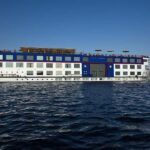
You’re also getting the practical payoff of a Nile cruise: transport is handled, meals are mostly covered, and you move between Luxor, Edfu, and Aswan without re-booking hotels. The cruise size is capped at 20, so it stays friendly rather than chaotic. Still, ship comfort can vary, so go in with flexible expectations about cabins and onboard extras like drinks.
In This Review
- Key things I’d watch for before you go
- Luxor-to-Aswan Nile Cruise: the value is in doing big sights with less hassle
- Day 1 on Luxor’s West Bank: Valley of the Kings and Hatshepsut’s story
- Day 2: Luxor hot-air balloon plus Karnak and Luxor Temple
- Day 3 on the Nile: Edfu by horse carriage and Kom Ombo at sunset
- Day 4: Abu Simbel’s very early departure and Aswan market time
- Day 5 in Aswan: Philae Island and the High Dam
- Meals, boat cabins, and the real comfort picture
- Transport, group size, and why the guiding matters
- Price and what you should budget beyond $650
- Who this Luxor to Aswan cruise suits best (and who should choose differently)
- Should you book this Luxor to Aswan cruise with Abu Simbel and the balloon?
- FAQ
- Where does the trip start and end?
- How long is the experience?
- What’s included in the price?
- What is not included?
- Is the hot-air balloon ride guaranteed?
- Are there age limits for the balloon?
- Do I need to pay for drinks onboard?
- How early do you go for Abu Simbel?
- How many people are in the group?
Key things I’d watch for before you go
- Hot-air balloon over Luxor is included, but weather can cancel it and you only get a partial refund.
- Egyptologist-led temple time makes the big sights easier to understand (names you may hear include Mahmoud Amin, Mahmoud, Bishoy, and Talaat Abdo).
- Abu Simbel is a very early day, and it can start around 5am (or earlier in some schedules).
- You get a traditional horse-and-carriage ride and motorboats, so you’re not just sitting in a bus all day.
- Entrance fees and gratuities are extra, so your final spend depends on what you choose to pay on-site.
Luxor-to-Aswan Nile Cruise: the value is in doing big sights with less hassle
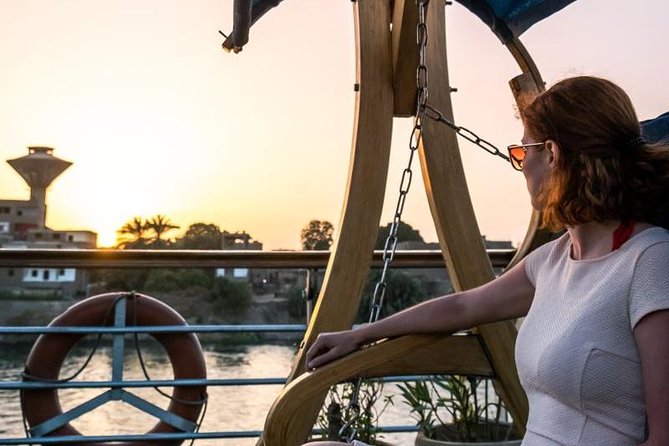
A Luxor-to-Aswan Nile cruise works best when you want the headline places without building the logistics yourself. This one stitches together the West Bank highlights, Luxor’s east-side temples, and the river stops that most people plan around anyway. Then it adds two high-drama bonuses: a hot-air balloon ride and the long shuttle day to Abu Simbel.
At $650 per person, the value comes from what’s bundled. You’re not just buying a room on the water. You’re also getting hotel/port pickup and drop-off, air-conditioned coach transport for excursions, motorboats for crossing water to the sights, and a qualified Egyptology guide. On top of that, meals are included across the cruise—breakfast, dinner, and lunches—so you’re not constantly hunting for food between temple tickets.
The main trade-off is time density. This is not a slow cruise where you linger. You’re doing temples early, sailing midday, then doing more temples after. If you hate early mornings, Abu Simbel is the day to think about first.
You can also read our reviews of more boat tours in Luxor
Day 1 on Luxor’s West Bank: Valley of the Kings and Hatshepsut’s story
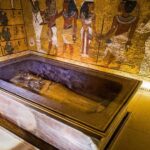
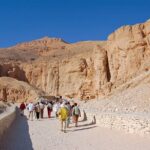
Your first full day lands you on Luxor’s West Bank, the side of the Nile tied to tombs and mortuary temples. You’ll transfer by motorboat to get across, then drive into the Valley of the Kings area. This is the classic setting for Egypt’s royal tombs, and the best part is how the scale makes sense when someone frames it for you.
You’ll also be guided through the kind of behind-the-scenes discovery stories that make old sites feel more human. One of the details built into this day is a reference to Howard Carter’s famous moment of peering into a space before the tomb opening—an origin story that helps you connect the site to real people and real choices.
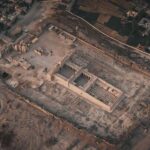
After the Valley of the Kings, the day continues to Queen Hatshepsut’s temple. This is a smart addition because it shifts you from tombs to power. Hatshepsut is often described as a turning point figure in Egyptian leadership, and her temple is where that idea becomes visible—big forms, strong symbolism, and a very specific sense of ambition in the architecture. It’s a great way to balance the day so it’s not only about underground burial chambers.
Practical takeaway for you: wear shoes you trust for uneven steps and sandy ground. Also, plan to be in the sun longer than you expect, since early temple days still come with harsh light.
Day 2: Luxor hot-air balloon plus Karnak and Luxor Temple
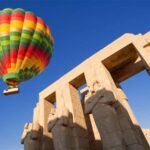
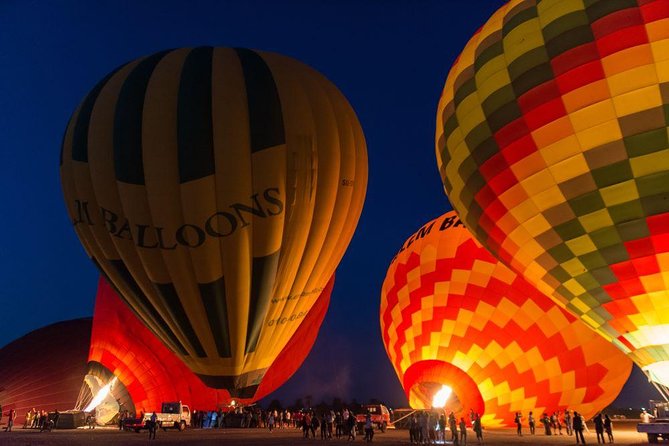
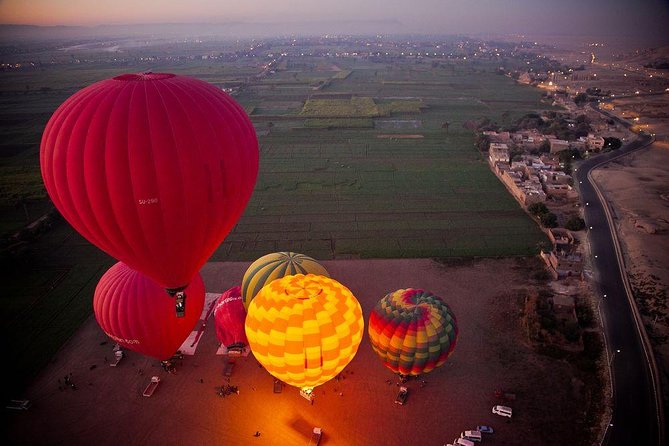
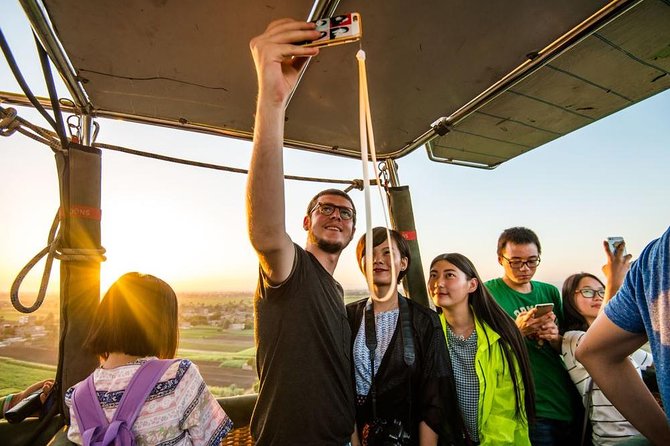
Day 2 starts early because the balloon ride needs a flight window. You’ll be picked up, taken by motorboat in the morning, and then you’ll float over Luxor in a hot-air balloon. Even if you’ve seen photos, the experience hits differently in person: the Nile creates lines you can actually track, and the temple cluster looks oddly organized from above.
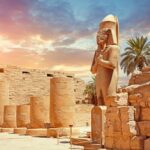
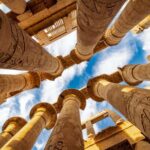
After the balloon, you head back into the sightseeing rhythm. Karnak Temple is next. It’s billed as the biggest temple in the world for a reason: once you’re inside the scale, it stops being a single building and becomes a whole system of spaces. Your Egyptologist guide’s job here is huge—explaining what you’re seeing and why those layouts mattered to worship and kingship.
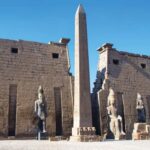
Then you wrap with Luxor Temple, closer to the river and easier to absorb after Karnak. It often feels like the quieter counterpart: still monumental, but more straightforward to read as you move through.
One timing reality to know: balloon days can run on tight schedules. If you’re the type who likes to sit down and unroll plans slowly, this day will still feel efficient.
Day 3 on the Nile: Edfu by horse carriage and Kom Ombo at sunset
This day is one of the best for pacing because it mixes land time with sailing time. You’ll head to Edfu for the Temple of Horus. What makes it feel special is the approach: you’ll take a traditional horse and carriage transfer to reach the temple. It’s short, but it breaks up the day in a way a bus transfer never does, and it gives you a quick sense of local movement patterns.
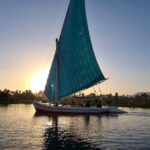
After the temple, you return to the cruise and continue sailing along the Nile. Passing towns and green riverbanks gives you the feeling of being carried by the river rather than just visiting it. It’s not a wilderness cruise, but it’s still a useful break between heavy temple days.
Then Kom Ombo arrives around sunset. The timing matters here because the light softens the carvings and makes the stone surfaces easier to see. You’ll visit the Kom Ombo Temple in the evening light, which is exactly when many people find outdoor monuments most photogenic and most comfortable to walk.
Practical takeaway for you: bring something warm or at least a light layer for late hours. Even in Egypt, evenings by the river can cool down faster than you expect.
Day 4: Abu Simbel’s very early departure and Aswan market time
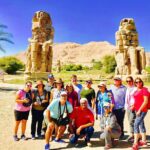
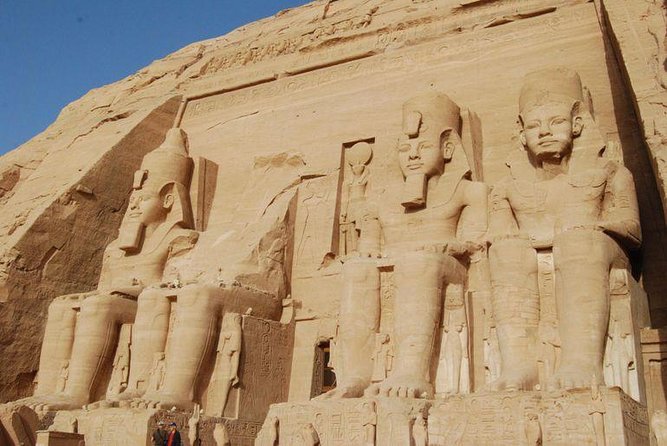
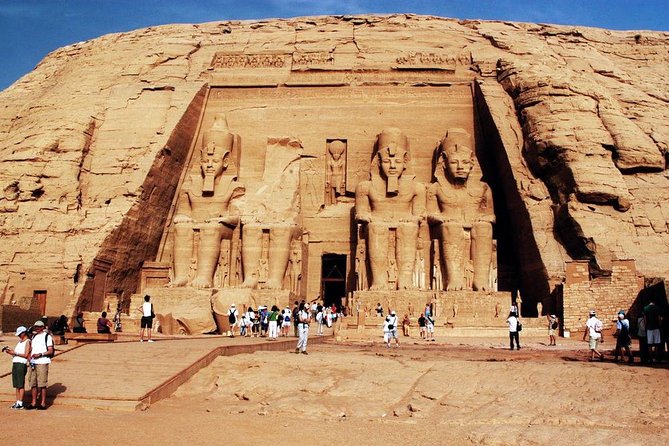
Abu Simbel is the reason many people choose this route, and it’s also the reason you should plan your energy carefully. The drive starts around 5am, so you’ll be up and moving in darkness. The payoff is that you get to see Abu Simbel without being stuck in a late-day crowd crush.
You’ll be guided around the Abu Simbel Temple Complex, then returned for lunch time around 1:30pm, depending on how the day runs. That means you get a built-in recovery window afterward. Your afternoon and evening in Aswan are then more flexible in feel: you can spend time at a local market at night, which is a nice change of pace after hours of temple walking.
One consideration to plan around: if you have a flight, Abu Simbel timing can affect your departure day. Some schedules have prompted people to look for flights later in the day, because the last day can include a service ending time that isn’t always compatible with early departures.

Day 5 in Aswan: Philae Island and the High Dam
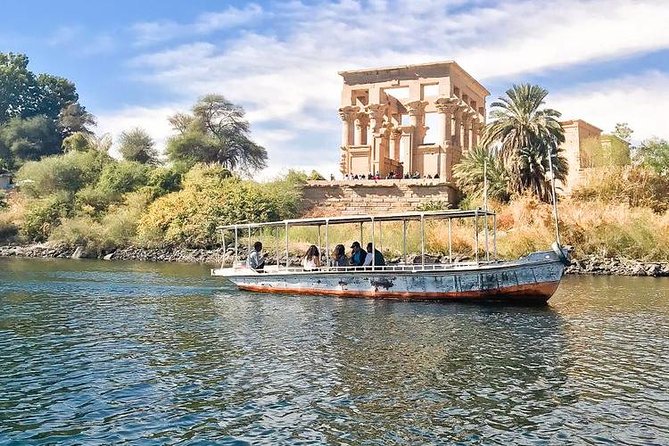
Your final day in Aswan focuses on two major sites with very different vibes. You’ll go down to the Nile by motorboat to reach Philae Island Temple. This is the kind of place where being on the water helps the whole experience make sense. The temple setting feels more dramatic once you’re approaching it by boat.
Then you drive to the High Dam of Aswan. This stop changes your lens from ancient monuments to modern engineering. If you like connecting past and present, this is a satisfying final contrast: you started with tombs and temples, and you end with the structure that reshaped the river’s future.
Once that’s done, the service ends. You don’t linger on a long final-day program, which is often a relief after a full set of early and late temple visits.
Meals, boat cabins, and the real comfort picture
Meals are a big part of why a cruise like this feels easy. Breakfast and dinner are included, along with lunches that keep you from losing time on food hunts between temples. The cruise also includes onboard service for dining, and many people rate the food highly for Egypt cruise standards, describing meals as plentiful and tasty.
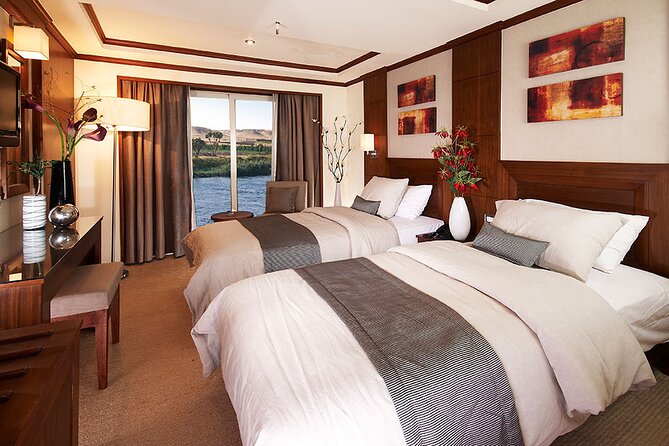
That said, onboard experience isn’t always the same across cabins and boats. Some reports describe rooms that felt small or older, along with issues like noisy generators and inconsistent air-conditioning. Other reports praise cleanliness and helpful cabin caretakers, so the honest takeaway is this: you should pack for the reality of a shared cruise ship environment and not assume hotel-level silence or modern climate control.
Also, plan that drinks, bottled water, and coffee may cost extra. It’s a small detail, but it adds up on a long day of walking and heat.
Food advice for you: if you have strict dietary needs, don’t assume every meal will match your preferences. Vegetarian options, in particular, have been called out as uneven on some cruises.
Transport, group size, and why the guiding matters
This is a small-group experience with a cap of 20 travelers, which helps a lot on busy temple schedules. It also reduces the chances you’ll feel like you’re trapped in a crowd for every photo.
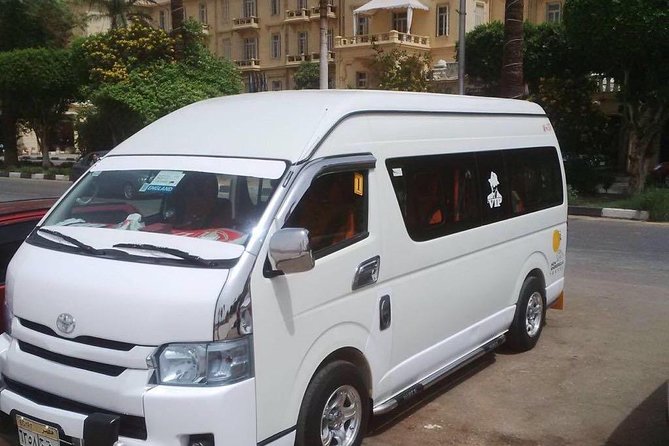
You’ll move by a mix of coach and short transfers by motorboat. That matters because Egypt’s biggest sights aren’t always on the same roads, so getting there efficiently affects how much time you actually spend inside the site.
The guiding is also central to how enjoyable this route feels. Several named Egyptology guides show up in feedback, including Mahmoud Amin, Mahmoud, Bishoy, Mohamed, Wael, and Talaat Abdo. The pattern across feedback is consistent: when the guide can translate the symbols and stories, temples stop feeling like stone walls and start feeling like readable meaning.
One more guiding detail: for Abu Simbel specifically, the experience notes a shared small group with an English-speaking tour guide. That can be helpful because it keeps the Abu Simbel day more focused, but it also means you may not always stay with the exact same guide for every leg.
Price and what you should budget beyond $650
The headline price is $650 per person for the cruise plus the included activities. For many people, that number feels reasonable because you’re bundling several expensive or time-consuming pieces together: hotel/port transfers, a multi-day Nile sail, an Egyptology guide, multiple motorboat crossings, a horse-and-carriage transfer, and the hot-air balloon ride.
However, two things commonly change your final cost. Entrance fees are not included, and gratuities are recommended. Drinks and bottled water may also cost extra onboard, and local extras can add up on days like Aswan market time.
So I’d budget in two layers:
- Your base cost: $650 covers most logistics and major experiences.
- Your on-the-ground add-ons: entrance fees, tips, and the extras that come from being on a ship and moving through markets.
If you want the cleanest comparison, price this cruise as: transport + guide + balloon + multi-day cruise + meals minus entrance and tips. That’s the math that tells you if it’s a good deal for your travel style.
Who this Luxor to Aswan cruise suits best (and who should choose differently)
This cruise is a good match if you want a guided, high-impact introduction to Upper Egypt. It fits well for first-time visitors to Egypt who don’t want to plan transport between Luxor, Edfu, and Aswan. It also works for people who like structure—when you’re walking through tombs and temples, having a plan and a storyteller makes the whole trip easier.
It may not be ideal if you:
- get grumpy with very early starts (Abu Simbel is the biggest one)
- want lots of downtime on the boat between stops
- expect modern, quiet, hotel-style cabins every night
- need very specific dietary options every meal
If you’re traveling with children, note that the balloon has an age rule: kids under 6 can’t participate in the balloon trip.
Should you book this Luxor to Aswan cruise with Abu Simbel and the balloon?
If you’re craving the biggest sights with the least planning headache, I’d say yes—with a few smart expectations set first. The included hot-air balloon and Egyptology guidance make this route feel more like a guided learning experience than a checklist. The Nile sailing also gives you a real sense of place, not just museum time.
Book it if you can handle early mornings and you’re okay with the idea that ship comfort can vary. If you’re the type who needs calm, quiet afternoons every day, you might find the pacing stressful. And if your budget depends on knowing every single cost up front, you should plan for entrance fees and tips.
Bottom line: this is strong value when you want a structured Upper Egypt highlight trip—especially because it bundles the balloon and the hard-to-time Abu Simbel day into one package.
FAQ
Where does the trip start and end?
It runs from Luxor to Aswan. You’ll start in Luxor with hotel/port pickup, sail for four nights, and finish with a day in Aswan before the service ends.
How long is the experience?
The tour is about 5 days.
What’s included in the price?
Four nights on a cruise ship, a cabin with facilities, meals (breakfast, dinner, and lunches), an Egyptology guide, motorboat transfers, and a hot-air balloon ride. It also includes transport by air-conditioned coach, a horse-and-carriage ride, and sightseeing cruise.
What is not included?
Entrance fees are not included. Gratuities are also not included, though they’re recommended.
Is the hot-air balloon ride guaranteed?
It’s included, but if the balloon is cancelled due to bad weather, you receive a refund of $25 per person.
Are there age limits for the balloon?
Yes. Children under 6 years old are not allowed for the balloon trip.
Do I need to pay for drinks onboard?
The tour data doesn’t list drink pricing, but it does not state that drinks are included. Plan for the possibility that drinks and water may cost extra onboard.
How early do you go for Abu Simbel?
You’ll start around 5am for the Abu Simbel tour.
How many people are in the group?
There is a maximum of 20 travelers.