Waking up before sunrise pays off here. This Luxor to Aswan Nile cruise blends temple-hopping with big-moment extras like a hot air balloon flight over Luxor. I also like that the whole trip runs on a tight, guided schedule, so you’re not stuck chasing tickets, boats, and transport all day. One drawback to plan for: the included program leaves less time than you might want at each site, and entrance fees aren’t included.
I went in expecting a smooth cruise, and I got that plus a side of real Egypt logistics. Air-conditioned coach transfers, motor boats for the river crossings, and an Egyptology guide make the route feel doable even when the days start early. Just know that you’ll likely spend extra cash on-site for temple entry, drinks like water, and tips.
In This Review
- Key highlights at a glance
- What the Luxor to Aswan cruise includes (and what you’ll pay for anyway)
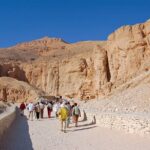
- Day 1 on Luxor West Bank: Valley of the Kings, Queen Hatshepsut, and Carter House
- Day 2: Sunrise hot air balloon, Karnak, Luxor Temple, then sailing toward Edfu
- Day 3: Edfu Temple by carriage, Kom Ombo at sunset, and on toward Aswan
- Day 4: Abu Simbel at around 5 a.m., then Philae and the Aswan High Dam
- Onboard life: cabins, rooftop pool time, and the meals reality
- Transfers and pacing: how to survive early mornings and short temple windows
- Ethical and practical note on horse carriage transport
- Who this cruise is best for (and who should pick something else)
- Should you book this Luxor to Aswan cruise with Abu Simbel and a balloon?
- FAQ
- What does the $410 per person price include?
- Are entrance fees included?
- What time is Abu Simbel on this trip?
- What happens to the hot air balloon if the weather cancels it?
- Is tipping included?
- How many people are in the Abu Simbel group?
Key highlights at a glance
- Hot air balloon over Luxor for big views of the UNESCO temple area from above
- Egyptology guidance on Luxor’s West Bank and the major temple stops along the river
- Full-board 3-night cruise with meals starting at lunch and ending with breakfast
- Abu Simbel sunrise visit (~5 a.m.) plus a shared small group setup with an English-speaking guide
- Nile day trips by motor boat, plus traditional horse-and-carriage transfer on select legs
- Evening entertainment with a galabia party and belly-dancing show
What the Luxor to Aswan cruise includes (and what you’ll pay for anyway)
This is priced at $410 per person, and the value comes from how much is wrapped into the package. You get 3 nights on a 5-star cruise, full-board meals (lunch to breakfast), a cabin with facilities, and an Egyptology tour guide. You’re also covered for transfers by air-conditioned coach, plus the smaller transport pieces like motor boats for river crossings.
The main thing to budget for is that entrance fees are not included. Even with the program handled, you’ll still need cash for temple tickets and other optional add-ons that pop up at some stops. On top of that, tipping is listed as recommended, and in practice it’s a trip where small payments show up a lot.
The other “surprise” category is drinks. The package focuses on meals, not beverages, so if you’re the type who keeps grabbing bottled water all day, plan for extra spending.
You can also read our reviews of more boat tours in Luxor
Day 1 on Luxor West Bank: Valley of the Kings, Queen Hatshepsut, and Carter House
Your first day sets the tone: temples, tombs, and the human stories behind the stones. You start with a pickup and head down to the Nile for a motor boat ride to Luxor’s West Bank. That quick river crossing matters because it shifts your whole experience from city bustle to ancient necropolis vibes fast.
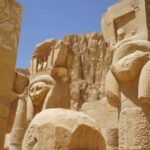
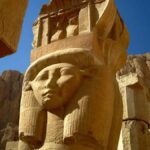
From there, you hit the Valley of the Kings area, where the focus is on what’s actually behind the myths. You’ll also visit Queen Hatshepsut’s temple, known for being a major highlight on the West Bank and for reflecting how powerful and strategic her reign was in Egypt’s story.
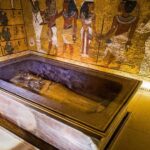
Then you get Carter House (Howard Carter House), the place connected to Howard Carter, the archaeologist linked with Tutankhamun’s discovery. This isn’t just another ruin stop. It’s a slower, more personal feeling moment: you’re looking at where the work happened and where the history-making process lived, not just where the findings ended up.
Two practical notes:
- West Bank days can involve walking on uneven ground, so wear shoes you trust.
- This day is also where you’ll feel the “we’re seeing everything” pace, so don’t plan on long photo sessions without breaks.
Day 2: Sunrise hot air balloon, Karnak, Luxor Temple, then sailing toward Edfu
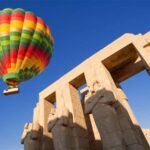
Day 2 is built around a big visual payoff: a hot air balloon ride over Luxor. Balloon mornings are early for a reason—weather and light. The upside is what you came for: you get the ancient monuments spread out below you, with a scale that’s hard to understand from the ground. It’s also one of those experiences where the views keep changing as you drift.
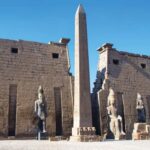
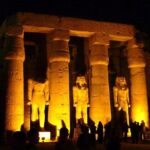
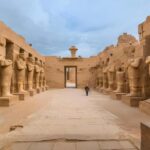
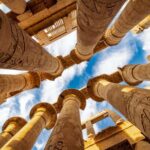
After the balloon, the day turns into classic Luxor temple time. You visit Karnak Temple, with a guide that helps you connect the layout and symbolism instead of just reading signs. Then you move to Luxor Temple.
Once the land tours wrap, the cruise starts. You’ll sail through the river scenery toward Esna, and you’ll also pass the Esna lock area. Seeing the lock is a nice change of pace because it’s modern river life interacting with an ancient route. Then you continue sailing to Edfu, where you stay overnight.
Why I like this pacing:
- The balloon breaks up the day so it doesn’t feel like nonstop temple walking.
- You go from sunrise spectacle to daytime temples to evening sailing, so you get variety.
Day 3: Edfu Temple by carriage, Kom Ombo at sunset, and on toward Aswan
On Day 3, you start with Edfu Temple, the Temple of Horus. Edfu is the kind of site where the details reward your attention: columns, reliefs, and the way the temple reads as a designed space rather than random ruins.
To get there, the program includes a traditional horse-and-carriage ride. This part can be a highlight or a stress point, depending on how the animals look that day. I suggest you watch closely once you arrive. If the horses seem poorly cared for, it’s reasonable to ask about an alternate option (some people prefer skipping the horse ride when the conditions don’t look good). You’re there for the temples, not to feel bad during the ride.
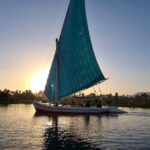
After Edfu, you return to the cruise and continue sailing along the Nile, passing Egyptian river life scenery on both sides of the river.
Then comes Kom Ombo Temple in the sunset window. This is one of those times when the light makes stone feel warmer and the carvings look sharper. You get the temple visit before sailing onward to Aswan, with another overnight onboard.
Day 4: Abu Simbel at around 5 a.m., then Philae and the Aswan High Dam
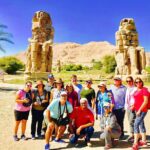
Abu Simbel is the reason this itinerary is worth it. You’re picked up very early—around 5 a.m.—to reach Abu Simbel Temples at the time that keeps the day working. This early start is non-negotiable if you want to see it without the whole day collapsing under heat and crowding.
Then the clock keeps moving. After the Abu Simbel visit, you’ll head back down to the Nile by motor boat and continue to Philae Island Temple. Philae is more than a stop on a route; it’s a change in atmosphere from the larger, more dramatic temple scenes. It tends to feel more intimate, and the island setting helps.
Next you visit the Aswan High Dam, which gives you the modern context behind the river. It’s a good reminder that Egypt’s ancient water management and today’s river engineering share the same core challenge: controlling water in a place where timing matters.
By late afternoon, you transfer to Aswan airport, train station, or your hotel. In other words: the day is long, but you’re finishing with major landmarks instead of ending with a small detour.

Onboard life: cabins, rooftop pool time, and the meals reality
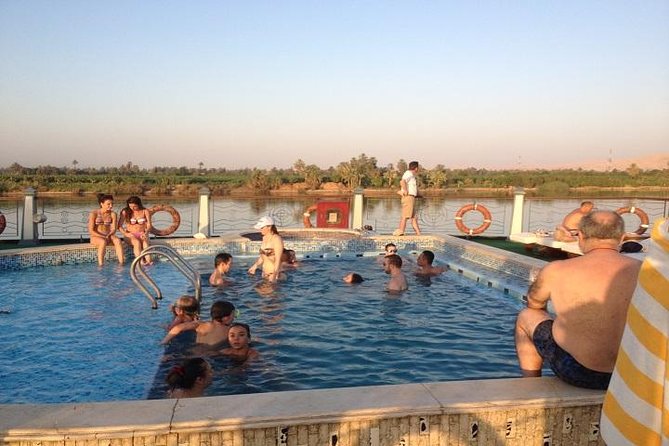
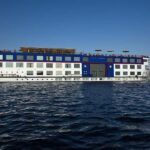
The ship is part of the deal: you get 3 nights in a cabin with all facilities and the option to relax between temple days. Some people like the rooftop deck setup, including a pool and lots of sun lounging space.
Cabin details can vary, so I’d think of this as comfortable basecamp, not luxury-room-from-a-catalog. Some reports mention older ship feel and that certain cabin features (like balconies) aren’t guaranteed. If you care a lot about cabin specifics, ask what your cabin includes before you pay.
Meals are generally a strong point in feedback: there are breakfasts, lunches, and dinners included, and the buffets tend to be plentiful. Still, food quality can vary day to day, and drink expectations don’t match restaurant standards. If you’re picky, bring small snacks you enjoy.
One more practical item: drinks—especially water—can cost extra. If water isn’t supplied consistently as part of meals, you’ll want to budget for it so you don’t end up paying more than you expected in hot weather.
Transfers and pacing: how to survive early mornings and short temple windows
This tour is busy in the best way and exhausting in the same breath. The big attractions are spread across multiple days, so you’re always in motion: coach to the next area, motor boat across the Nile, and then back on board to sail to the next town.
That pace is why the trip is good value. You’re not paying just for a cruise ride; you’re paying for logistics, guiding, and the ability to see the big names without doing the planning yourself.
But here’s the consideration: temple stops can feel like sprints. If you want long museum-style wandering, this isn’t built for that. Your best strategy is to pick one or two photo angles you care about most per site, then let the guide point out what makes them meaningful.
Also, keep a small cash stash for:
- Temple entrance fees (not included)
- Tips (recommended, and you’ll likely pay more than once)
- Drinks you want during the day
If you hate carrying money, this will be a mental adjustment. The good news is that the trip has reps and guides around you for transitions, so you’re rarely left alone with confusion.
Ethical and practical note on horse carriage transport
One recurring theme with river tours is that traditional transport can look charming but also raise questions about animal welfare. This program includes horse-and-carriage transfers on select days.
Use the simple common-sense check:
- Look at the condition of the animals.
- If something seems off, skip the ride and ask about an alternative like a tuk-tuk or other local option when available.
- Put your energy into the temples, not into watching something that makes you uncomfortable.
Who this cruise is best for (and who should pick something else)
This works especially well if you:
- Want Luxor and Aswan plus the key temple stops along the Nile in a tight window
- Like an organized plan with an Egyptology guide
- Care about the big wow moments like Abu Simbel and a balloon flight
- Prefer air-conditioned transfers and guided day structure over DIY planning
You might want a different style of trip if you:
- Want unhurried, deep museum time at fewer sites
- Are very sensitive to cabin conditions like noise or fumes (some ships can feel more “practical” than “fresh” depending on docking and cabin location)
- Strongly dislike the idea of paying extra for temple tickets and day purchases
Should you book this Luxor to Aswan cruise with Abu Simbel and a balloon?
I’d book it if your priority is seeing the headline sites with minimal planning and you’re okay with early starts and extra on-site spending. The balloon over Luxor and the Abu Simbel dawn visit are the two big anchors of this itinerary, and the cruise route ties together Karnak, Edfu, Kom Ombo, Philae, and Aswan High Dam in one efficient sweep.
I wouldn’t book it if you hate crowds, hate tight schedules, or assume that a package price means everything is paid. Here, you’ll likely still spend for temple entrance fees and drinks, and tipping is part of the rhythm.
If you go in with the right expectations, this is a very satisfying way to experience Upper Egypt: guided, scenic, and heavy on the moments you’ll remember long after you’ve left the river behind.
FAQ
What does the $410 per person price include?
It includes 3 nights on a 5-star cruise, meals starting with lunch and ending with breakfast, your cabin with facilities, an Egyptology tour guide, air-conditioned coach transfers, motor boats, horse and carriage, a shared small group setup to Abu Simbel with an English-speaking guide, and a hot air balloon ride over Luxor.
Are entrance fees included?
No. Entrance fees to the mentioned sightseeing are not included.
What time is Abu Simbel on this trip?
Abu Simbel is scheduled for around 5 a.m.
What happens to the hot air balloon if the weather cancels it?
If the hot air balloon trip is cancelled due to bad weather, you will be refunded $25 per person.
Is tipping included?
Tipping is not included, and it is recommended.
How many people are in the Abu Simbel group?
The Abu Simbel part is described as a sharing small group, and the tour notes a maximum of 15 travelers.