REVIEW · HURGHADA
Hurghada: Small-Group Luxor Highlights & Balloon Day Tour
Book on GetYourGuide →Operated by Special Egypt · Bookable on GetYourGuide
Sunrise from a hot-air balloon changes Luxor forever. This small-group day packs two big winners: a 45–60 minute sunrise balloon ride and a guided sweep of the West Bank tombs with an English Egyptologist. The one thing to watch for is the pacing: you cover a lot, so each site can feel time-limited rather than slow and lingering.
I like that the day starts with comfort and sleep-friendly logistics. You’re picked up from your Hurghada hotel around 11:00 PM, then you ride in an air-conditioned vehicle to Luxor with a licensed driver. The rest of the schedule keeps moving—Valley of the Kings, Hatshepsut, Colossi of Memnon, felucca tea on the Nile, and finally Karnak—so it feels like Egypt in one long, story-driven arc.
At $240 per person, it’s not a budget outing, but it’s also not just a ticket to a few monuments. You’re getting round-trip transfers, entry fees, an Egyptologist guide, lunch, the felucca ride, and the balloon experience itself. If you want the highlights in one shot—and you like being told what you’re looking at—this is a strong value.
In This Review
- Key highlights you’ll remember
- Hurghada to Luxor: a long day that still feels organized
- The sunrise hot air balloon: Luxor in real time
- Valley of the Kings: tomb art you can actually understand
- Hatshepsut’s mortuary temple: the West Bank’s architectural flex
- Colossi of Memnon and Amenhotep III’s temple complex
- Lunch and recovery time (yes, you’ll want it)
- Felucca at sunset: tea on the Nile feels like a reset button
- Karnak Temple: the final payoff on the East Bank
- Getting back to Hurghada: plan for the long return
- Price and value: what you’re actually paying for
- Who this tour suits best (and who should look elsewhere)
- Should you book this Hurghada to Luxor balloon tour?
- FAQ
- FAQ
- How long is the tour from pickup to drop-off?
- When do you get picked up in Hurghada?
- What languages are available for the Egyptologist?
- What are the main sites you visit in Luxor?
- How long is the hot air balloon ride?
- Is lunch included?
- What if you’re in El Gouna or sahl hasheesh?
- Can I cancel, and is pay later available?
Key highlights you’ll remember
- Sunrise balloon (45–60 minutes): Watch Luxor wake up from above the archaeological sites.
- Valley of the Kings trio: Three royal tombs with hieroglyphs, plus plenty of explanation from your Egyptologist.
- Hatshepsut’s temple visit: Three-floor mortuary temple with open balconies and iconic statuary of Osiris and Hatshepsut.
- Nile felucca at sunset: A calm sail with traditional Egyptian tea while the West Bank light changes.
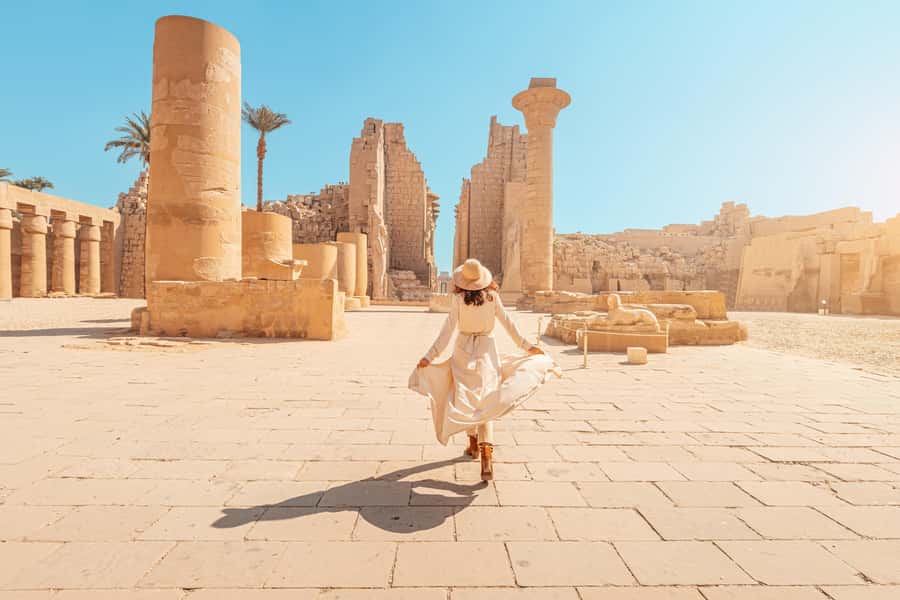
- Karnak Temple on the East Bank: Luxor’s largest temple complex, dedicated to Amun and his family (Mut and Khonsu).
- Guides who bring it to life: Many guides earn top marks for being passionate and clear, with names like Ahmed Ali Hassan, Ammar, Sama, Aladdin, and Ahmed Bahaa popping up often.
Hurghada to Luxor: a long day that still feels organized
This tour is built around one simple idea: you’ll see Luxor the way you came for it—ancient sites plus the balloon sunrise—without trying to piece everything together yourself. The tradeoff is that it’s a 20-hour day. Translation: it’s a lot of time on the road, but it’s also a full plan, with the guide and transfers handled.
Pick-up happens around 11:00 PM from your Hurghada hotel. After that, you drive to Luxor in an air-conditioned vehicle with a professional licensed driver. This matters more than it sounds. A night transfer means you avoid losing the day to logistics, and air-conditioning is a real quality-of-life upgrade when you’re heading through Egypt at unusual hours.
Once you reach Luxor, you get a little reset with a local café stop for traditional tea. It’s a small touch, but it helps you switch from travel mode to history mode. And then comes the part that makes this tour different from the standard temple circuit: the hot air balloon ride at sunrise.
You can also read our reviews of more tours and experiences in Hurghada.


The sunrise hot air balloon: Luxor in real time
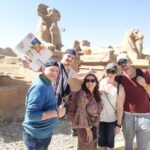
The balloon portion runs about 45–60 minutes, and it’s timed for sunrise over Luxor’s archaeological area. From the ground, Luxor is dramatic. From the air, it’s different: you see how temples, tombs, and the Nile corridor relate to each other. The shapes make more sense.
This is also where the guide style can matter, because the best Egyptologists don’t just point at ruins. They connect what you’re seeing to the bigger story. In the guide feedback, names like Ahmed Ali Hassan and Sama show up with lots of praise for clear explanations and enthusiasm. When that happens, the balloon isn’t just a wow moment—it turns into a mental map you’ll use all day.
One practical consideration: early morning can mean cooler air, even if the day later warms up. You’ll likely be moving between a vehicle, waiting areas, and open spaces, so dress in layers if you can.
Valley of the Kings: tomb art you can actually understand
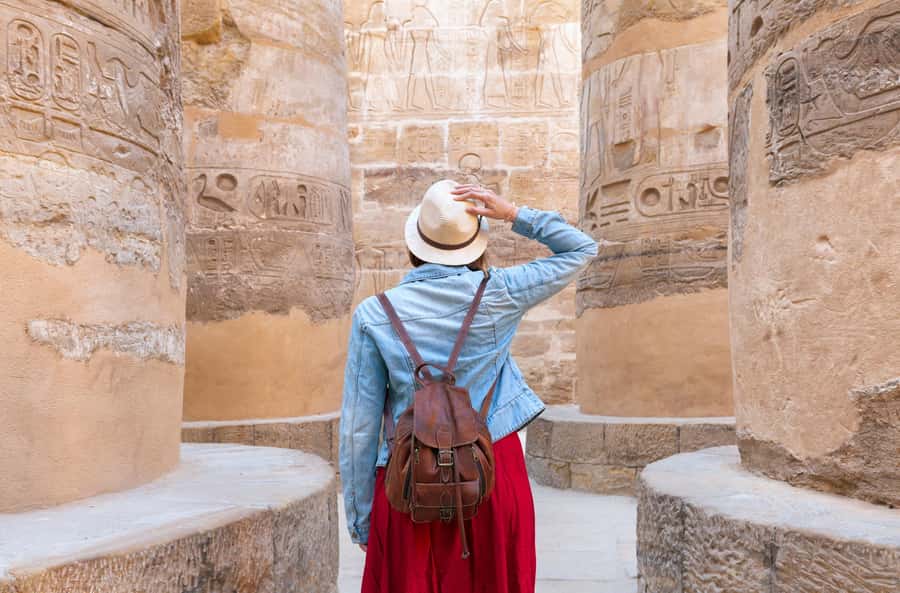
After the balloon, you head to the West Bank and the Valley of the Kings. Your itinerary focuses on three royal tombs. That choice is smart for a highlights tour. The Valley of the Kings can be overwhelming because there are many tombs, but you’ll get time with the major painted/inscribed spaces rather than rushing through everything.
Here’s what I like about this approach: you’re not just walking past stone. You get to look at hieroglyphs and the tomb walls as meaningful decoration, not just ancient scribbles. The Egyptologist guidance is the point. The guide names in the feedback—Ahmed Bahaa, Ammar, and others—are repeatedly described as passionate and engaging, and that energy usually translates into better understanding on-site.
Be ready for the reality of tomb visits: it’s indoors, it’s a bit of a maze, and it can feel warmer than you’d expect depending on the room. Take your time with the details when your guide points them out, then step back for photos once you’ve got the gist.
Hatshepsut’s mortuary temple: the West Bank’s architectural flex
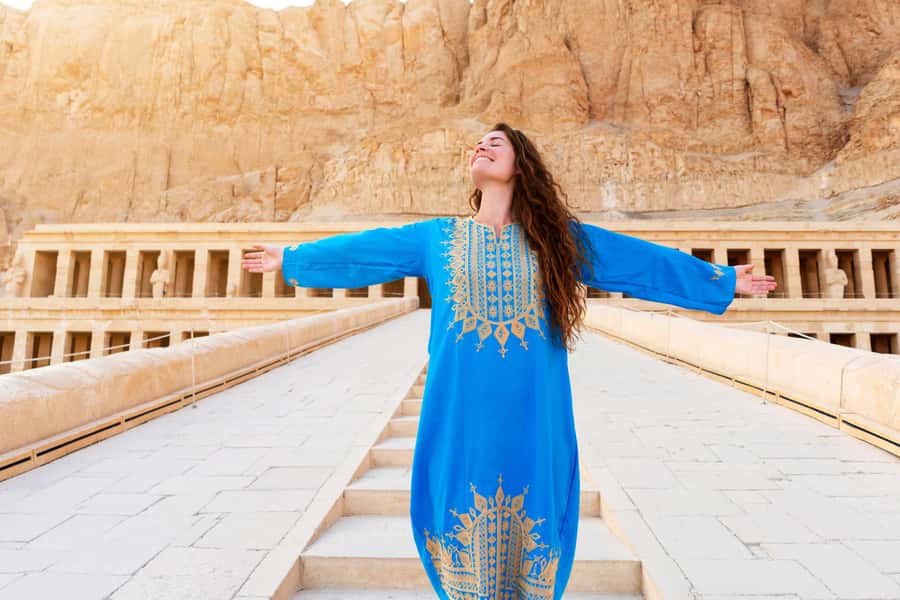
Next up is the Mortuary Temple of Hatshepsut, often treated like a must-see for a reason. You’ll see how it’s built from limestone and laid out across three floors with open balconies. Even without a deep background, the architecture helps you feel how Hatshepsut wanted her story to be seen.
The temple also features statues linked to the god Osiris and Queen Hatshepsut. When a guide explains what those figures mean and where they’re placed, the visit goes beyond wow-ruins-and-photos. It turns into a lesson in power, religion, and symbolism.
If you’re the type who likes photos, you’ll get plenty of angles here. If you’re the type who cares more about meaning, this stop tends to reward you too—especially with an enthusiastic Egyptologist. In the feedback, the guides are described as the reason people felt like the day made sense.
Time note: this is one of the reasons the tour gets such high ratings but not “endless wandering” vibes. You cover key stops, and each one gets enough attention to feel satisfying.
Colossi of Memnon and Amenhotep III’s temple complex
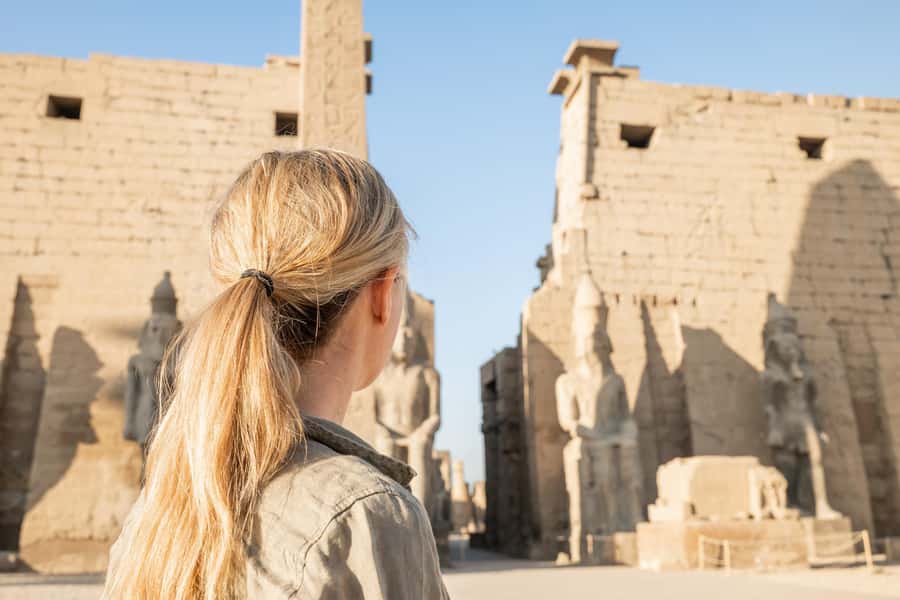
After Hatshepsut, you’ll visit the Mortuary Temple of Amenhotep III with a stop at the Colossi of Memnon. These massive statues are the kind of thing that looks unreal until you’re standing next to them and realizing your height feels like an afterthought.
This is the kind of stop that works well inside a longer day. It breaks up the more enclosed tombs with something more open-air and visually striking. And it helps connect the dots across multiple pharaohs on the West Bank.
If you’re trying to decide whether you’ll get enough value from a packed day like this, this stop helps answer the question. It’s one of the classic “you came for this” moments, and the tour includes it as part of the core route.





Lunch and recovery time (yes, you’ll want it)
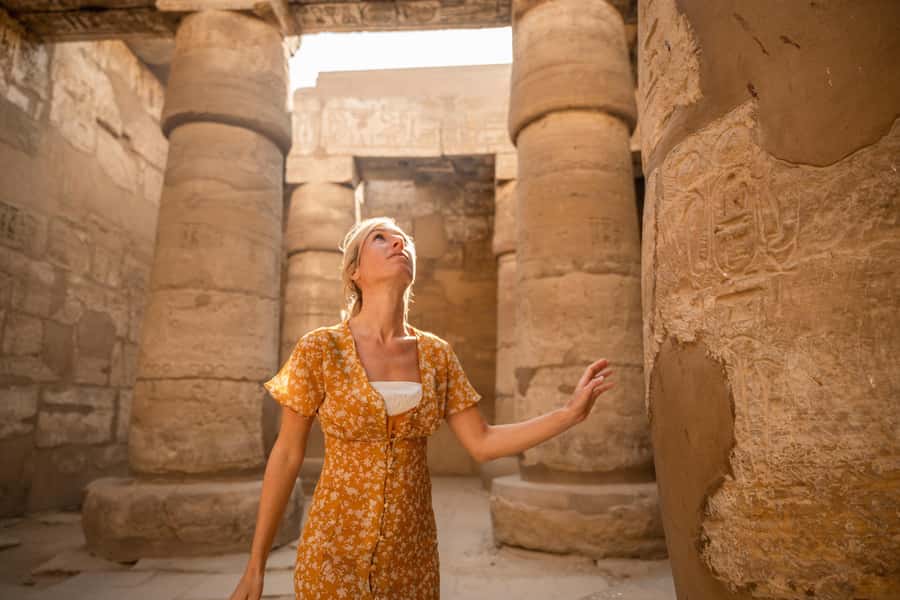
Between major sites, you stop for lunch at a local restaurant. The exact menu isn’t specified here, so I’d treat lunch as your planned energy reset rather than something to count on for a specific dish.
This is one of the more practical parts of the day. When tours omit real breaks, people start feeling cranky and the best explanations stop landing. Here, lunch gives you a buffer before the Nile portion and the East Bank temple finale.
Felucca at sunset: tea on the Nile feels like a reset button
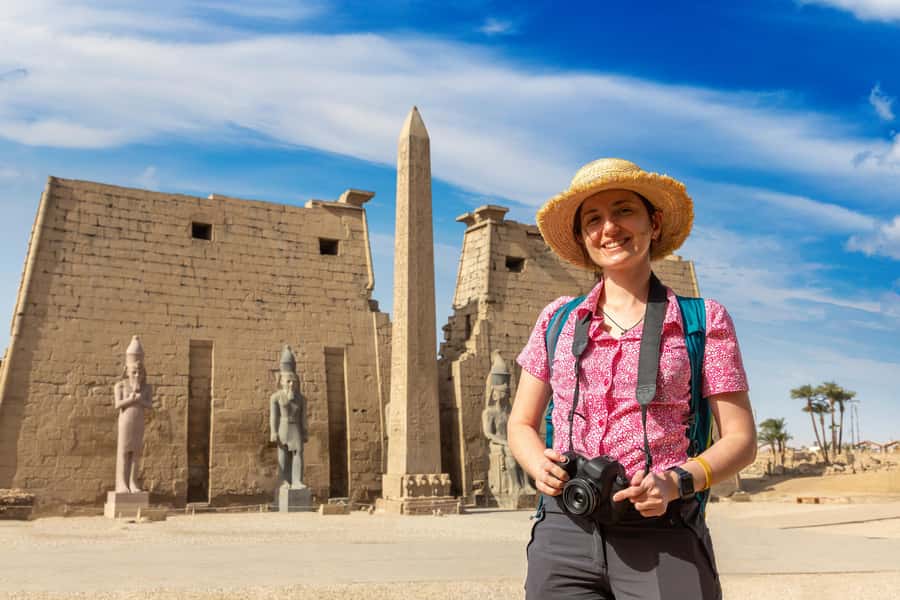
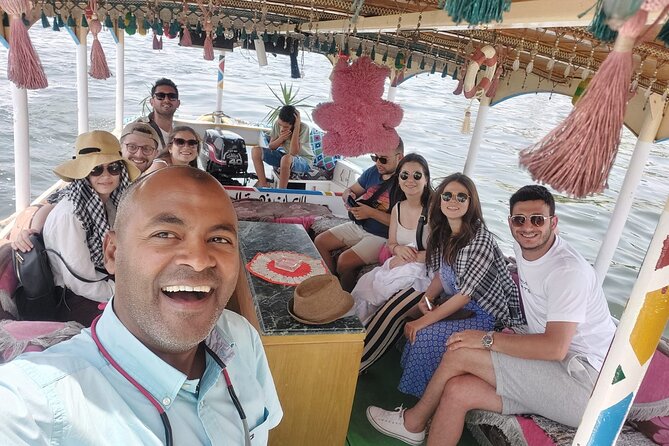
Then you shift from stone and sand to water. You’ll enjoy a peaceful felucca ride at sunset along the Nile and sip traditional Egyptian tea included with the ride.
This is a smart pairing with the balloon and tombs. The West Bank is about death rituals and permanence. The Nile is about movement, daily life, and the sheer flow of time. Sitting on a felucca turns the day from a history lecture into a sensory experience.
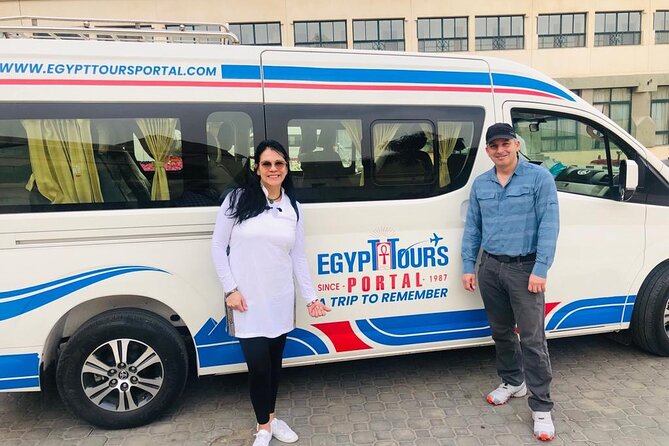
A detail worth noting: one review highlighted that the transfer vehicle had air-conditioning and added sun protection (curtains on back windows). That kind of comfort makes a difference because sunset felucca rides only feel great if you aren’t exhausted.
Karnak Temple: the final payoff on the East Bank
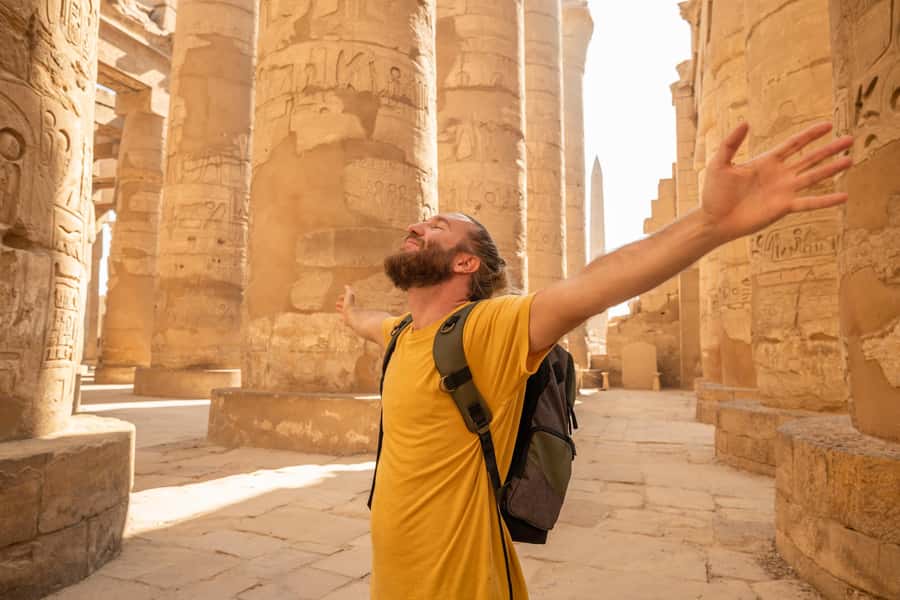
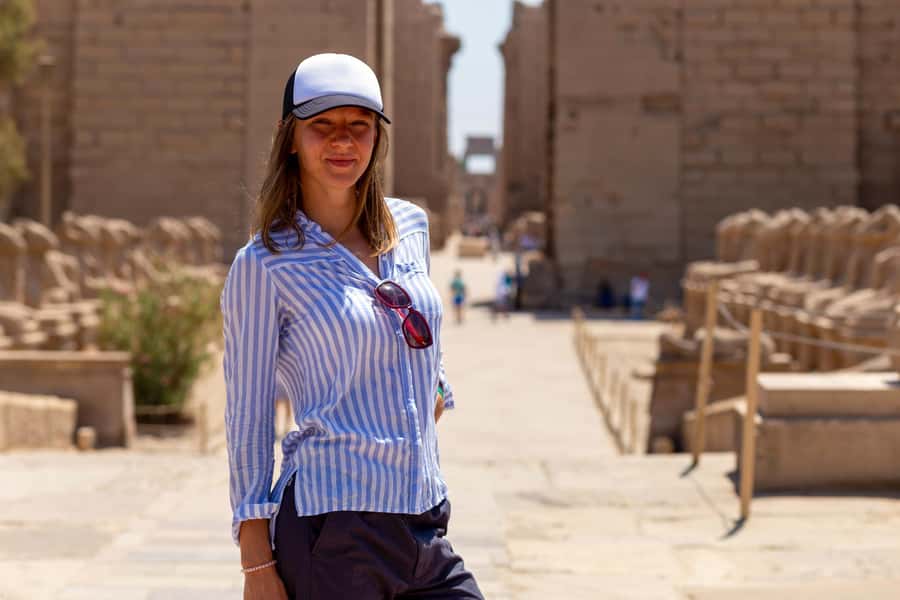
At the end of the day, you head to the East Bank and visit Karnak Temple, described as the largest temple in Luxor. It’s dedicated to the god Amun, his wife Mut, and their son Khonsu.
Karnak can feel endless if you walk in cold. That’s exactly why this tour leans on an Egyptologist. The guidance helps you understand how parts of the complex relate to each other and what the temple system was designed to communicate.
If you only do one temple in Luxor, Karnak usually wins. This tour also ties Karnak into the rest of your day, since you’ve already visited West Bank monuments tied to royal power and religious belief. So by the time you reach Karnak, you’re not just seeing impressive columns—you’re seeing a connected worldview.
Getting back to Hurghada: plan for the long return
After Karnak, you’ll be transferred back to your hotel in Hurghada. Since the total duration is 20 hours, you should treat this day like a marathon, not a normal outing.
What helps: the tour is structured with stops that keep you from waiting around too long in one place. And you’re using an air-conditioned vehicle for the long drives, which makes late-night and early-morning travel easier to tolerate.
Price and value: what you’re actually paying for
$240 per person can look steep if you’re comparing it to a single-site ticket. But this tour isn’t a single-site outing. You’re paying for the full package:
- pickup and drop-off between Hurghada and Luxor
- a professional licensed driver and air-conditioned transportation
- an English Egyptologist guide
- entry fees
- lunch
- the felucca ride
- the sunrise hot air balloon ride
That balloon is the headline expense. Everything else supports it—so you’re not just spending money on a one-hour thrill and calling it a day. You’re also getting the temple/tomb circuit guided by someone who can connect hieroglyphs, architecture, and historical context while you’re still there to look.
Who this tour suits best (and who should look elsewhere)
You’ll likely love this if:
- you want the big Luxor highlights without arranging guides and tickets yourself
- you care about explanations, not just photos
- sunrise experiences are a priority for your trip
You might want to reconsider if:
- you dislike early starts and long travel days
- you prefer slow, flexible time at each site instead of a tightly planned route
- you’re traveling from a pickup area that may add cost (El Gouna or sahl hasheesh pick up/drop-off is listed as $20 extra)
Should you book this Hurghada to Luxor balloon tour?
I’d book it if you want a one-day Luxor hit with the sunrise balloon as the centerpiece and you value guided context throughout. The strong feedback patterns point to two things: the guides tend to be energetic and good at explaining, and the schedule includes enough variety to make the long day feel worth it.
Skip it only if you know you’ll hate a packed itinerary. This tour is built for efficiency—seeing the essentials—and it delivers on that promise.
FAQ
FAQ
How long is the tour from pickup to drop-off?
The tour duration is 20 hours.
When do you get picked up in Hurghada?
Pickup is around 11:00 PM from your hotel in Hurghada.
What languages are available for the Egyptologist?
The tour offers live guidance in Arabic, English, French, German, and Spanish.
What are the main sites you visit in Luxor?
You’ll visit the Valley of the Kings (three royal tombs), the Mortuary Temple of Hatshepsut, the Colossi of Memnon / Amenhotep III area, Karnak Temple, and you’ll also do a felucca ride on the Nile at sunset.
How long is the hot air balloon ride?
The sunrise balloon ride lasts about 45–60 minutes.
Is lunch included?
Yes, lunch is included.
What if you’re in El Gouna or sahl hasheesh?
Pick-up and drop-off from El Gouna or sahl hasheesh is not included and costs $20 extra.
Can I cancel, and is pay later available?
You can cancel up to 24 hours in advance for a full refund. You can also reserve now and pay later.