REVIEW · CAIRO
From Cairo: 8-Day Tour of Cairo, Luxor and Aswan with Cruise
Book on GetYourGuide →Operated by Nice Tours · Bookable on GetYourGuide
Egypt hits fast. This tour strings together the big names.
You get Giza pyramids plus a Luxor-to-Aswan cruise in one efficient loop. It’s a smart way to cover the “must-sees” without constantly re-planning hotels, drivers, and tickets.
One quick consideration: it’s a packed schedule, with early starts and some long travel days—especially Abu Simbel.
I really like how much of your time is guided and explained. The private guides (and the constant human support behind the scenes) make the sights feel less like a checklist and more like a story you can follow—from Karnak to the Hanging Church in Cairo.
For me, the biggest drawback is pace. The itinerary is designed to fit a lot in, and at places like Philae or the Abu Simbel day, you can feel the clock pushing you along. Add optional upgrades like a hot air balloon, and the days can start feeling less flexible.
In This Review
- Key highlights you’ll actually feel
- Why this Cairo-to-Aswan route works
- Day 1 in Cairo: check in, then Nile-side folklore
- Cairo days 2 and 3: Giza, Saqqara, Memphis, plus Islamic and Coptic Cairo
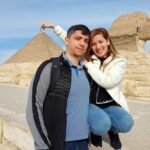
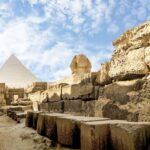
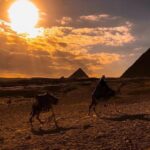
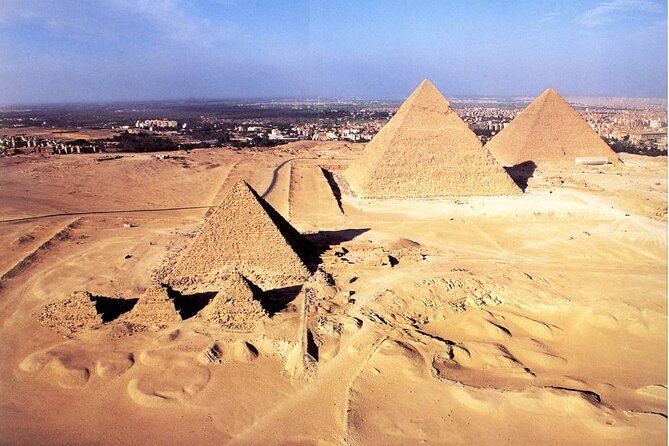
- Giza and the Sphinx: worth it when someone explains
- Memphis and Saqqara: the “other” pyramid story
- Islamic Cairo and Coptic Cairo: two sets of holy spaces
- Luxor after the flight: Karnak, Luxor Temple, and that first Nile calm
- Karnak Temple: the big “why” behind Egyptian power
- Luxor Temple and Opet connections
- A short felucca ride: a gentle reset
- Luxor at sunrise: hot air balloon option, Valley of the Kings, Hatshepsut
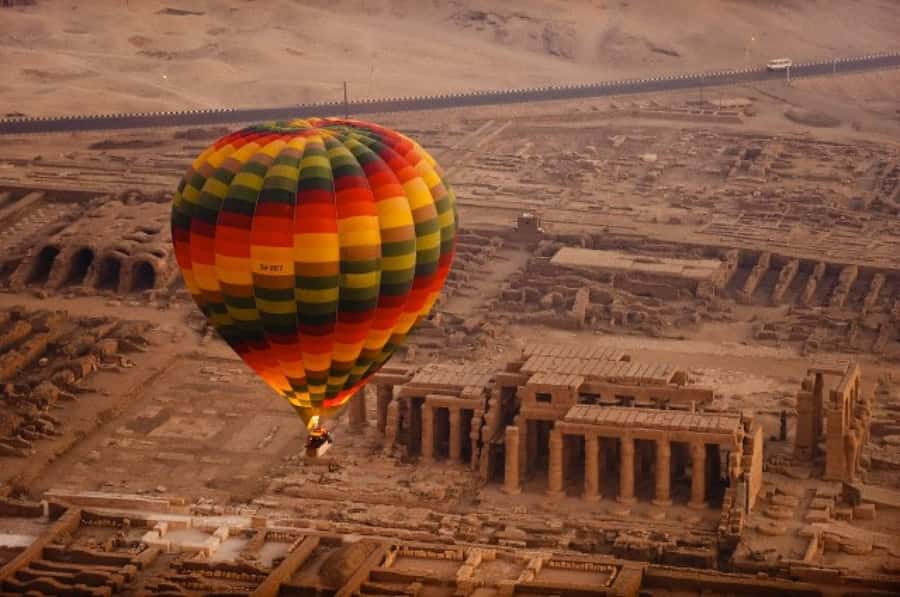
- Hot air balloon: optional, and good if weather cooperates
- Valley of the Kings: tombs under the drama
- Hatshepsut’s temple: Egypt’s “power move”
- Memnon statues: fun photos, real atmosphere
- Edfu and Kom Ombo: temples you’ll remember for their themes
- Edfu: Horus and the “lost art” feeling
- Kom Ombo: Sobek and the falcon god split the story
- Abu Simbel and Philae: the two “wow” days that test your stamina
- Abu Simbel: long coach ride, short temple window
- Philae: hieroglyphs with the river close by
- Practical: pace yourself for Philae
- Hotels, cruise ship, and the included meals
- Guides, drivers, and the WhatsApp advantage (Zeinab)
- Price and logistics: what you’re really paying for
- Should you book it?
- FAQ
- What’s included in the price?
- Are drinks included?
- Is the hot air balloon ride included?
- What languages are the guides available in?
- What are the main places you’ll visit?
- Does the trip include felucca rides?
- Is there free cancellation?
Key highlights you’ll actually feel
- A coordinator on WhatsApp (Zeinab) sending next-day plans, pickup info, and staying responsive during issues
- Two Cairo styles in one trip: Islamic landmarks (Citadel, Muhammad Ali Mosque) plus Coptic churches (St. George and the Hanging Church)
- Luxor cruise rhythm: temple visits by day, sailing between stops, and evenings with onboard events
- Abu Simbel as the signature challenge: long ride for a short, unforgettable temple visit
- Private guides by city, with standout names like Mahmoud (Cairo pyramids), Martina (Karnak), Ahmed Bahaa (Luxor), and Khaled (Abu Simbel)
- Meals and entrances handled daily, with vegetarian-friendly options reported on the cruise
Why this Cairo-to-Aswan route works
If it’s your first serious trip to Egypt, you’ll love the way this itinerary clusters the heavy-hitters. Cairo gives you the “ancient world legend” feeling at Giza and Saqqara. Then you fly to Luxor and move down the Nile, with temples spaced out across the route.
The value here is that so many logistics are wrapped together: private transport, entrance fees, and daily meals. That means you spend less time arguing with ticket lines or figuring out timing, and more time actually looking at the stonework and listening to the guide.
Still, this is not slow travel. If you want an easygoing vacation with lots of breathing room, you should mentally prepare for a tour that moves. Egypt is intense even without tours. With this one, plan on being “on” most days.
You can also read our reviews of more boat tours in Cairo



Day 1 in Cairo: check in, then Nile-side folklore
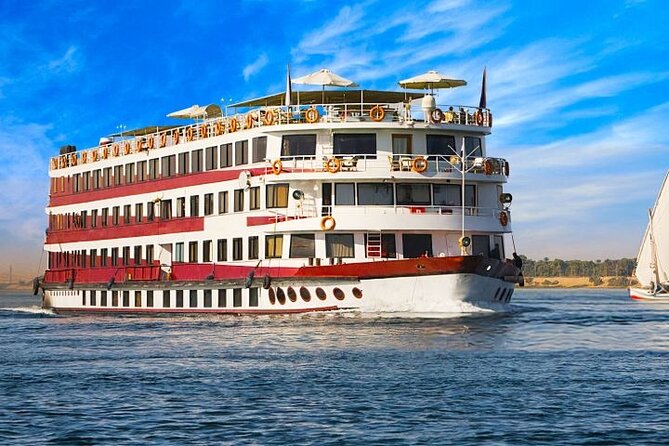
Your first day starts with a representative meeting you at the airport area, then a traditional Egyptian lunch before hotel check-in. It’s a decent way to land without immediately jumping into long walks.
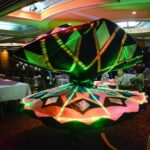
In the evening, you’ll head to a gala dinner on a Nile cruise ship, with folklore shows while the boat is moving on the river. It’s not an archaeological site. But it helps you get your bearings: lights, music, and that first “I’m really here” moment.
If you’re sensitive to nightlife noise or motion, note that you’ll be on a cruise setting for dinner. Bring something for comfort (light layers help).
Cairo days 2 and 3: Giza, Saqqara, Memphis, plus Islamic and Coptic Cairo
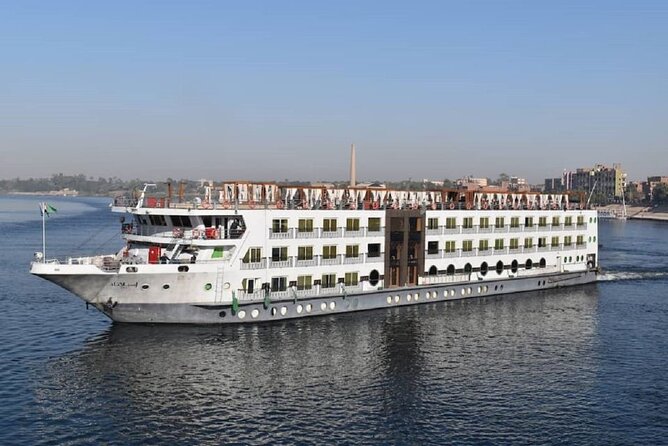
This is where the tour earns its reputation. Cairo is split into two distinct worlds—and the pacing helps you feel the difference.
Giza and the Sphinx: worth it when someone explains
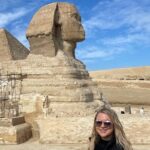
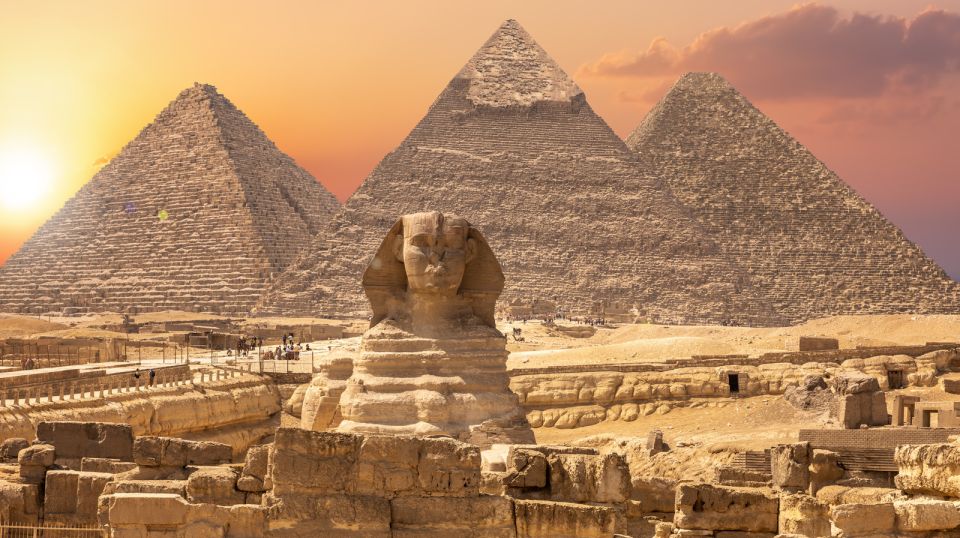
The Great Pyramids of Giza and the Sphinx are the obvious anchors. What makes them land better on a guided trip is context: how the site functioned, what to notice visually, and why the layout matters. Guides you may get mentioned in the reviews include Amr for Edfu or Mahmoud for the pyramids in Cairo, and names like Mido and Mostafa also come up for other Cairo days.
Practical tip: wear shoes you can walk in for a while. Even when the stops feel short, Giza ground is uneven and hot.
Memphis and Saqqara: the “other” pyramid story
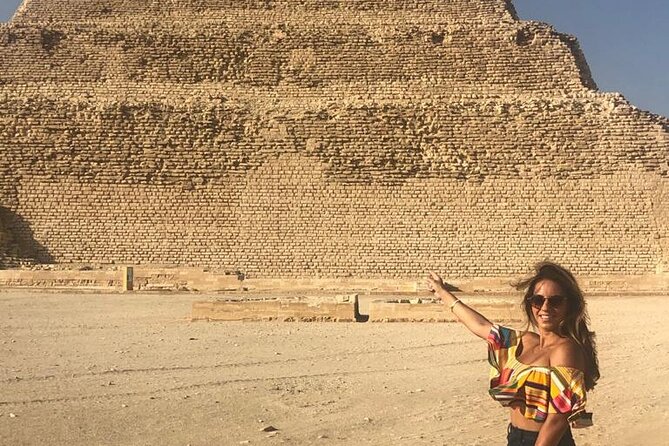
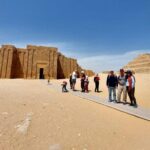
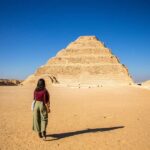
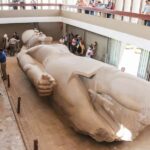
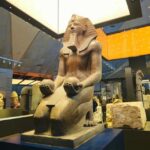
After pyramids, the tour shifts to Memphis and Saqqara—especially the Step Pyramid of Djoser. Saqqara is the moment you start seeing Egypt beyond Giza. You’ll learn how earlier rulers experimented with burial architecture, and why the Old Kingdom matters.
One drawback: these days can feel long because you’re packing multiple sites into one Cairo block. The win is that you’ll leave with a broader view, not just photos.
Islamic Cairo and Coptic Cairo: two sets of holy spaces
Day 3 is built around “two faces of Cairo”:
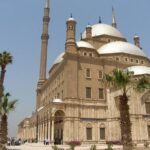
- Islamic Cairo: the Cairo Citadel, plus the Muhammad Ali Grand Mosque (often called the alabaster mosque). You’ll see its decorated interior and distinctive look.
- Coptic Cairo: St. George Church (a round church built over an older Roman tower), then the Hanging Church, known for its icons and layered history.
If you like your travel grounded in place—who built what, and why—you’ll enjoy this split. It’s also a nice counterweight to the pyramids, because you’re not chasing ancient monuments only; you’re seeing living traditions.
Luxor after the flight: Karnak, Luxor Temple, and that first Nile calm
Day 4 includes a flight to Luxor, then straight into two major temple stops.
Karnak Temple: the big “why” behind Egyptian power
Karnak Temple is visited early enough that the site still feels fresh. The guide work matters here, because Karnak is huge and layered. When the explanation is good, you stop feeling lost and start spotting patterns.
A name that pops up in reviews is Martina as a Karnak guide, noted as detailed and dedicated. That lines up with what Karnak needs: someone who can point you to the right details without rushing.
Luxor Temple and Opet connections
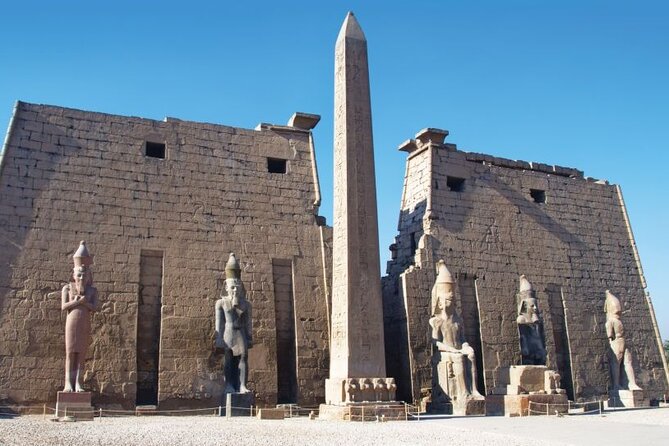
Next comes Luxor Temple, smaller than Karnak but still impressive. You’ll see well-preserved carvings and hieroglyphs, and learn how the temple connected to the annual Opet celebrations.
A short felucca ride: a gentle reset
You’ll also check in at lunch time, then later get a one-hour felucca ride. It’s a simple break from temples. You’ll see the Nile split between banks and get a first feel for the river as a travel corridor, not just scenery.
If you’re photographing, bring a phone strap or something secure. On a moving boat, small gear losses turn into big annoyances.
Luxor at sunrise: hot air balloon option, Valley of the Kings, Hatshepsut
Day 5 is about the west bank, which is where Luxor’s “afterlife landscape” lives.
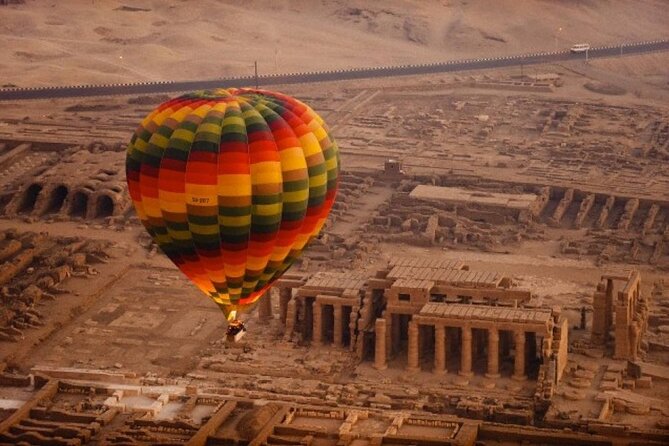
Hot air balloon: optional, and good if weather cooperates
The hot air balloon ride is not included in the base package. If you add it, it costs $130 per person, and the minimum age is 6.
If you’re booking it, treat it like a weather-dependent sunrise moment. Your day starts early, so plan a tight sleep schedule. Even without the balloon, you’ll still wake up early for west bank visits.
Valley of the Kings: tombs under the drama
Valley of the Kings can feel like a rocky gorge outside. Then you enter tombs and the walls pull you in with painted and carved scenes. This is one of those stops that becomes much more powerful when your guide gives you the rules of the afterlife world, not just the names of kings.
Hatshepsut’s temple: Egypt’s “power move”
Temple of Hatshepsut is another highlight. You’ll see inscriptions tied to the queen’s story and her trading trips (often linked to Punt). It’s a reminder that Egypt wasn’t only about pharaohs marching to battle. It was also administration, religion, and diplomacy.
Memnon statues: fun photos, real atmosphere
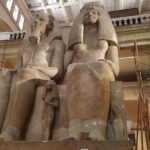
You’ll stop at the giant statues of Memnon for photos. The vibe here is less about strict archaeology and more about atmosphere—standing in a place built to impress the living and the dead.
Edfu and Kom Ombo: temples you’ll remember for their themes
On Day 6, you travel with the ship while you visit two standout temple sites.
Edfu: Horus and the “lost art” feeling
In Edfu, you’ll visit the Temple of Horus. It’s described as representing the spirit of the Ptolemaic Dynasty, which gives you a different angle on Egyptian religion than the Old Kingdom and New Kingdom sites.
Some reviews also mention offshoot activities like horse carriage in Edfu. Whether that’s offered can vary by day and guide, but the stop itself is the fixed point.
Kom Ombo: Sobek and the falcon god split the story
Then you go to Kom Ombo, dedicated to Sobek (crocodile god) and Haroeris (a falcon form of Horus). That pairing matters: the temple is designed to communicate two divine perspectives, which you can actually feel when you’re there.
One thing to watch: this is a long-day structure. You’re on a cruise schedule, but you still walk. Bring water and take shade seriously.
Abu Simbel and Philae: the two “wow” days that test your stamina
This is the signature part of the whole trip, and it’s also where the timeline can feel brutal.
Abu Simbel: long coach ride, short temple window
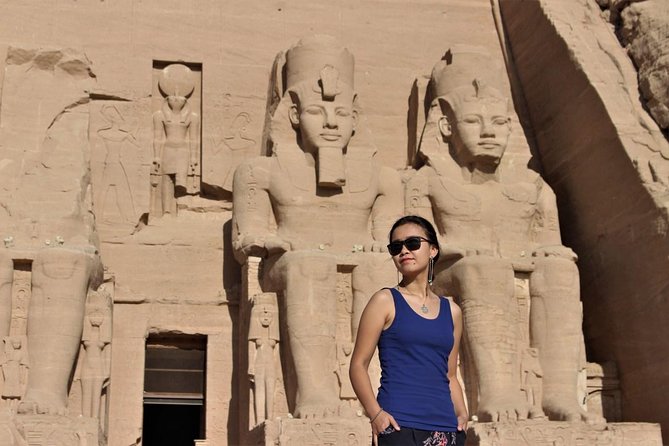
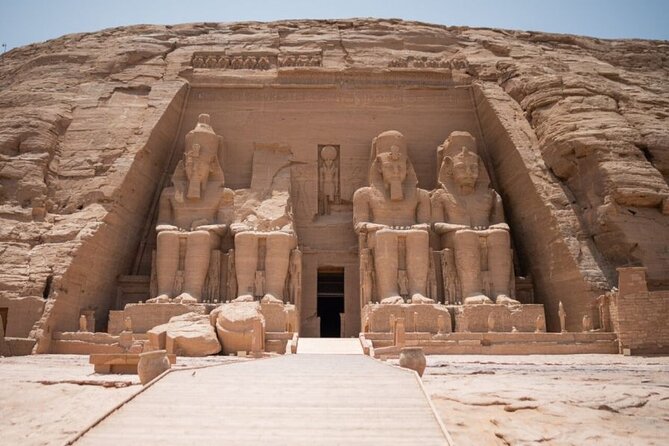
Day 7 starts with an early trip to Abu Simbel. The main temple is built by Ramesses II, dedicated to national gods like Ptah, Ra, Amun, and Ramesses himself as deified king.
Also important: you’ll hear how the temple was moved to avoid destruction after floods, and how it gained UNESCO recognition. That story adds meaning beyond the statues and carvings.
A common reality check from reviews: it can be exhausting. You may sit on a coach for about three hours each way for a roughly one-hour visit. It’s worth it, but you should treat it as a “plan for fatigue” day.
Some guides mentioned for Abu Simbel include Mohamed and George (supportive during the long ride), plus Ahmed and Khaled (noted as having strong Egyptology knowledge).
Philae: hieroglyphs with the river close by
After Abu Simbel, you return for lunch and then visit Philae Temple, often described as the pearl of Egypt. You’ll see walls covered in hieroglyphics and big sculptures of gods. The setting on its island gives the visit extra atmosphere.
Then there’s another felucca ride, this time built into the Aswan-side experience. It’s a nice reward after a hard day.
Practical: pace yourself for Philae
One downside that comes up is that Philae can feel rushed. If you’re the type who loves lingering in shadow and reading inscriptions, you might wish you had more time. The best strategy is to pick one or two areas you want to focus on with your guide, not try to cover everything.
Hotels, cruise ship, and the included meals
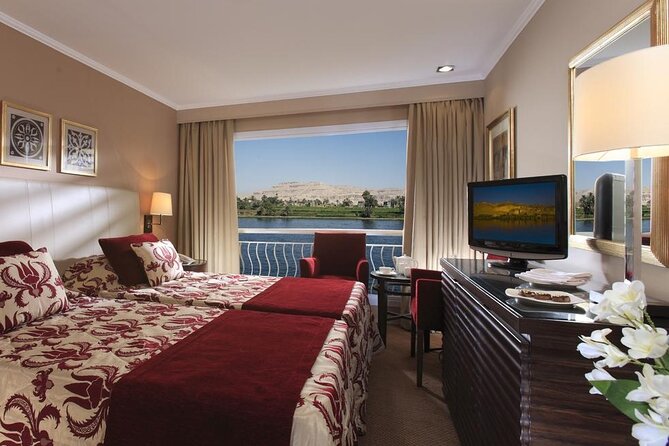
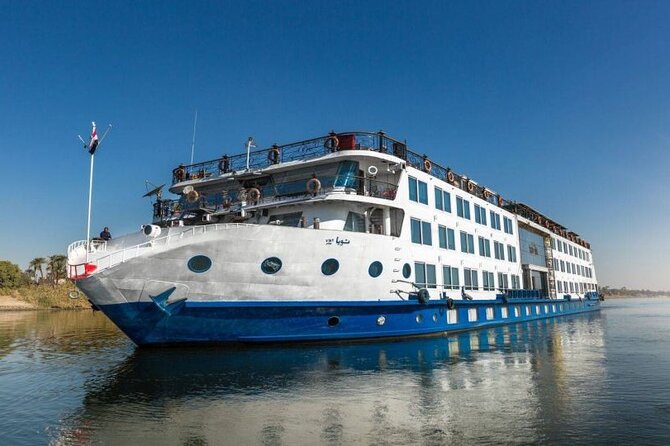
This package mixes a 5-star Cairo hotel for three nights with a 5-star Nile cruise for four nights from Luxor to Aswan.
What stands out from reviews is that the overall comfort is usually good: attentive crew, enjoyable onboard evenings, and meals that can be surprisingly accommodating. One vegetarian traveler even mentioned plenty of options on cruise meals.
But there are some real-world caveats:
- Food in some hotels can disappoint compared to the cruise experience.
- Some people noted the cruise ship can feel more comfortable than brand-new, with WiFi sometimes costing extra.
- The cruise is often rated as relaxing because you’re not constantly changing transport—but you still have early mornings and packed stops.
So think of the cruise as your moving base. It helps you breathe between temple days, but it’s not a lazy vacation.
Guides, drivers, and the WhatsApp advantage (Zeinab)
One of the most praised parts of this trip is the support system behind it. Names like Zeinab and other coordinators come up again and again. The pattern is clear:
- You get your next-day plan in advance.
- Pickups and timings are communicated.
- When problems happen, someone actually responds.
People also call out specific guides for different cities. For Cairo, names like Mahmoud, Christine, and Mira appear. In Luxor, Salah, Ahmed Bahaa, and Nirmeen show up in praise for pacing and explanations. In Aswan, Heba is mentioned as clear and passionate.
Drivers get credit too. One guide/driver combo is praised for hydration during hot days—cold water and snacks matter in Egypt heat.
English ability can vary by guide. Some reviews mention excellent English, while others mention basic English at certain stops. If English is crucial for you, you can still enjoy the tour—just come with the mindset that the guide’s style matters as much as vocabulary.
Price and logistics: what you’re really paying for
At $1,400 per person for 8 days, this isn’t a budget-style tour. But it’s priced like a “hands-off Egypt” plan. You’re paying for:
- Flights within Egypt (Cairo to Luxor, then Aswan back to Cairo)
- 5-star hotel nights in Cairo
- 5-star cruise nights on the Nile
- Private guides and private vehicle transport
- Entrance fees
- Daily breakfast, lunch, and dinner
What’s not included is the stuff that can add up fast on your own: drinks and the optional hot air balloon. And tips are almost always expected in Egypt, especially when guides and drivers are private and present every day.
So here’s the value math I’d use:
- If you’d otherwise arrange flights, entry tickets, and private guides yourself, this package can be a bargain.
- If you already planned a self-guided Egypt with cheaper transit, then this costs more because it buys you time and comfort.
Should you book it?
Book it if you want an organized, highlights-first Egypt trip that reduces stress. It’s especially good for first-timers who want Cairo plus a Nile cruise plus Abu Simbel without building the whole plan from scratch. The coordinator support—especially with Zeinab’s WhatsApp communication—can be a big safety net when Egypt throws curveballs.
Skip it or go in with eyes open if you want:
- lots of downtime and slow museum-style pacing
- an itinerary without early mornings (Abu Simbel is the big one)
- a trip where you won’t be asked to tip or handle shopping detours
If you’re flexible and you like seeing major sites in a tight window, this tour is a strong value for the money—just remember you’re signing up for intensity, not a long leisurely stroll.
FAQ
What’s included in the price?
The package includes hotel pickup and drop-off, a private guide, private car/van transportation, all entrance fees, daily breakfast/lunch/dinner, 5-star hotel accommodation in Cairo for 3 nights, a flight from Cairo to Luxor, a 5-star Nile cruise from Luxor to Aswan for 4 nights, felucca rides in Luxor and Aswan, and flights back (Aswan to Cairo).
Are drinks included?
No. Drinks are not included.
Is the hot air balloon ride included?
No. It’s an optional add-on at an additional cost of $130 per person, with a minimum age of 6 years old.
What languages are the guides available in?
Guides are listed as available in Arabic, English, French, German, and Spanish.
What are the main places you’ll visit?
You’ll cover the pyramids and Sphinx in Cairo, plus Memphis and Saqqara; Islamic and Coptic Cairo sites; Karnak and Luxor Temple; Valley of the Kings and Hatshepsut; Edfu and Kom Ombo temples; Abu Simbel; and Philae in Aswan.
Does the trip include felucca rides?
Yes. Felucca rides are included in both Luxor and Aswan.
Is there free cancellation?
Yes. Free cancellation is listed as available up to 24 hours in advance for a full refund.