Big pyramids, zero guesswork. This private Giza and Cairo experience strings together the big names—Giza’s pyramids and Sphinx, plus Cairo’s major historic neighborhoods—with a guide who helps it all make sense. I love that you can move on your schedule inside the day, without the stress of assembling transport and tickets.
Two things I especially liked: the Egyptologist guide makes the sites feel connected (not just separate photo stops), and entrance fees are included, so you can focus on the experience. You also get a handy airport meet-up and help with visa steps when you land, which removes a common first-day headache.
One thing to think about: your accommodation isn’t included, and the days are packed. If you prefer slow sightseeing with big breaks, you’ll want to plan your hotel location and rest time carefully.
In This Review
- Key highlights worth planning around
- Airport to Hotel, With Visa Help on Day One
- The Giza Plateau: Cheops, Chephren, Mycerinus, Sphinx, and a 30-Minute Camel Ride
- Saqqara’s Step Pyramid Complex and the Pyramid Texts Interior Stop
- Dahshur’s Red and Bent Pyramids, Plus Lunch Overlooking the Sphinx
- Coptic Cairo, Egyptian Antiquities, and Khan Al-Khalili on One Full Day
- Two Included Lunches and Entrance Fees: Why This Package Can Be Real Value
- Comfort, Pace, and the Smart Way to Get the Most From Private Touring
- What Might Feel Tiring (and How to Plan Around It)
- Final Transfer Day: Back to Cairo International Airport
- Should you book this private Giza and Cairo tour?
- FAQ
- FAQ
- What time does the tour start?
- Do I get airport pickup and drop-off?
- Is the camel ride included?
- Are entrance fees included?
- What meals are included?
- Is accommodation included in the price?
- Can I cancel for a full refund?
- Is this a private tour?
Key highlights worth planning around
- Private vehicle and only your group for smoother, less stressful touring
- 30-minute camel ride in Giza to get a traditional angle on the plateau
- Entrance fees included across the pyramids, museums, and key religious sites
- Two included lunches, including a specified set menu (kofta and kebab) during the Dahshur day
- A guide who’s praised for connecting dynasties and history (one name that comes up often is Bassem)
Airport to Hotel, With Visa Help on Day One
Day one starts where most Egypt trips get complicated: the moment you land. You’ll be met at Cairo International Airport, and a representative helps with visa steps, then you’re taken back to your hotel. This is small on paper, but it’s huge in real life. If you’ve ever tried to coordinate arrival logistics in a new country after a flight, you already know how fast that energy drains.
Starting with a meet-and-greet also sets the tone. Instead of arriving and immediately worrying about directions, money exchanges, and schedules, you’re simply in “tour mode.” And the tour start time is 8:00 am, so you’ll be able to align the rest of your days with the rhythm of Cairo.
One practical note: dress code is listed as smart casual, so pack accordingly—comfortable shoes matter most, because Cairo’s historic areas are best experienced by walking.
You can also read our reviews of more private tours in Cairo
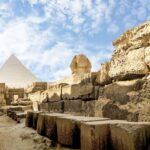
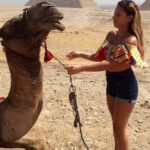
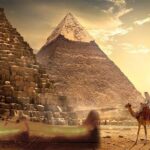
The Giza Plateau: Cheops, Chephren, Mycerinus, Sphinx, and a 30-Minute Camel Ride
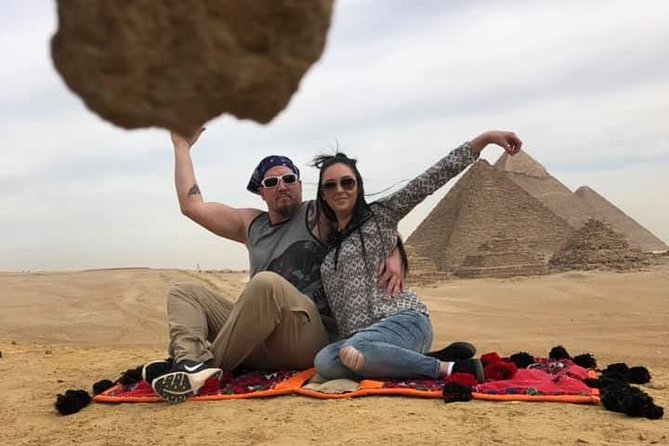
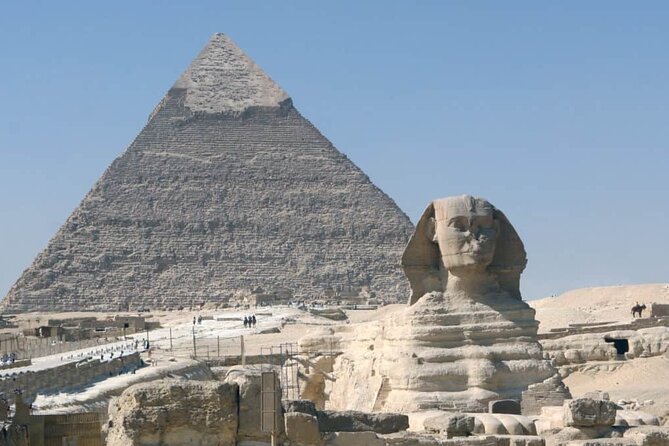
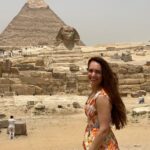
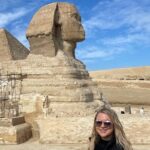
Giza is where you’ll spend the core of your first full sightseeing day, and the structure helps. You don’t just show up, take photos, and shuffle along. You start with a qualified Egyptologist-led tour of the plateau, focusing on the pyramids of Cheops, Chephren, and Mycerinus, plus the Great Sphinx and the Valley Temple.
Here’s why that matters: when you understand what you’re looking at—why each pyramid is laid out the way it is, and how the surrounding areas relate—you tend to notice more. Details jump out faster: the scale, the angles, the geometry, the way the site feels both immense and oddly personal once you’re close.
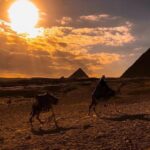
Then there’s the camel ride: included for about 30 minutes. It’s not meant to replace walking; it’s meant to give you a traditional viewpoint of the sights around the Giza area. I like it because it changes your “height and pace.” You get a different visual sweep of the plateau, and it also breaks up the walking rhythm.
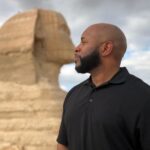
The Valley Temple and the Great Sphinx are the kind of stops that can turn into a blur if you’re rushing. With a private guide’s pacing, you can slow down where it matters—especially around the Sphinx, where you’ll want a moment to actually look.
Saqqara’s Step Pyramid Complex and the Pyramid Texts Interior Stop
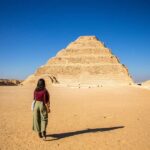
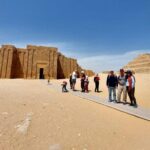
After Giza, you’ll head to Saqqara (Sakkara), home to one of Egypt’s most important early pyramid complexes: the Step Pyramid complex of Zoser. This is a great choice in a multi-day itinerary because it shows the “before” of what you’re seeing at Giza. If Giza feels like the peak of pyramid design, Saqqara helps you understand how earlier ideas evolved.
Your time here includes a few specific points:
- seeing the Step Pyramid complex of Zoser
- entering the interior of the pyramid of Teti
- studying the Pyramid Texts
- entering one of the Nobles’ tombs
That “Pyramid Texts” interior element is especially valuable, because it turns Saqqara from sightseeing into interpretation. It’s one thing to read about ancient Egyptian beliefs; it’s another to stand where the inscriptions are part of the experience.
The Nobles’ tomb stop also adds texture. Big monuments get the headlines, but tomb spaces help you understand how ordinary (for ancient elite definitions) people were positioned within a world of royalty, ritual, and writing.
In practical terms, Saqqara is a strong day if you want variety in Egypt beyond the same-shaped pyramid photos. You’ll leave with a deeper sense of how the monuments connect across time.
Dahshur’s Red and Bent Pyramids, Plus Lunch Overlooking the Sphinx
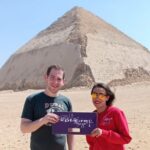
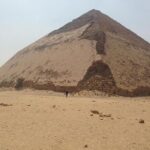
Next up is Dahshur, and this is one of the smartest picks for anyone who likes seeing structure and design decisions up close. You’ll visit the Red Pyramid and also get a chance for a closer look at the Bent Pyramid.
Why Dahshur works: the pyramids here reflect experimentation and transition. If you’ve only seen the “perfectly symmetrical” idea of pyramids in postcards, Dahshur helps correct that mental picture. You start thinking more like an architect and less like a spectator.
You’ll also get lunch during this day. Lunch is included, and it’s specified as a set menu—kofta and kebab—served in a restaurant overlooking the Sphinx. That detail is the kind of thing that turns an included meal into a memory. Instead of eating just to get through the day, you’ll pause in a view-focused spot, then get back to walking.
Coptic Cairo, Egyptian Antiquities, and Khan Al-Khalili on One Full Day
On the next day, the itinerary shifts from pyramid-focused Egypt to Cairo’s layers—religion, daily life, and museum culture. This is where the trip earns its “Cairo” identity.
Your first stop is Coptic Cairo, specifically an area where you’ll see some of the best-known Coptic churches. If you’re used to Cairo as only mosques and minarets, Coptic Cairo adds a different historical texture—early Christian presence within a city that has continually absorbed new eras.
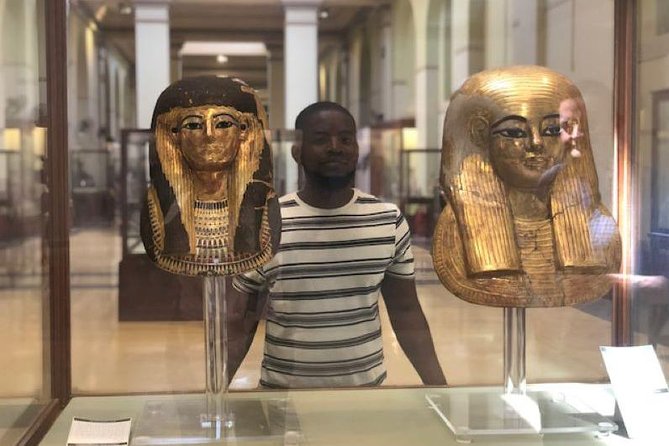
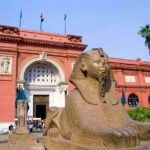
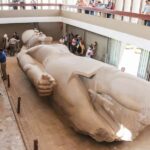
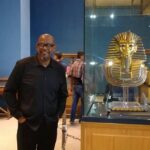
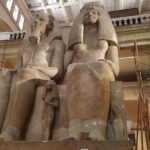
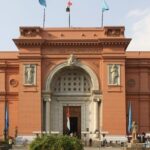
Then comes the Museum of Egyptian Antiquities, where you can see standout artifacts dating back before 4200 B.C. Spending time in a museum after big outdoor monuments can be a great rhythm. It gives your brain somewhere to “file” what you just saw, especially when you’re learning through a guided approach.
Next, you’ll head to Khan Al-Khalili, Cairo’s classic market area. Your time there is built in as a focused browsing window so you can take in the atmosphere and pick up souvenirs if you want. Markets can be chaos, but in a private, guided setting, you’re more likely to feel oriented rather than just swept along.
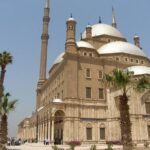
Finally, you’ll see the Mosque of Muhammad Ali, with time to notice the Islamic art inside. It’s similar in spirit to the Blue Mosque in Turkey, and that comparison helps your expectations. Even if you’re not a strict architecture person, this stop gives you a clear “signature” moment in Cairo.
A few more Cairo tours and experiences worth a look



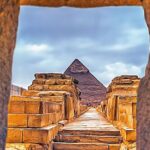


Two Included Lunches and Entrance Fees: Why This Package Can Be Real Value
The headline price is $190.00 per person, and the value comes from what’s bundled, not from what’s left to you.
Included items you’ll actually feel day-to-day:
- Hotel pickup and drop-off
- a private tour in a private vehicle
- bottled water
- qualified Egyptologist guide
- entrance fees included
- camel ride (about 30 minutes)
- lunch included (listed as two lunches)
When entrance fees and transport are included, your day becomes simpler. You’re less likely to waste time at ticket counters or scramble for money at awkward moments. It also matters for planning: you can build your energy around one schedule instead of multiple moving parts.
The lunch situation is also meaningful. A lot of “cheap-ish” tours advertise food vaguely or skip it entirely. Here, meals are explicitly included, including a set menu described for the Dahshur day.
The one cost you still have to handle yourself is accommodation. So treat the $190 as the tour package price, not the full trip cost. If you already have a good hotel booked, this can feel like a very clean way to buy back time and stress.
Comfort, Pace, and the Smart Way to Get the Most From Private Touring
A private tour is not automatically better. It only feels great if the pace suits you. This one is designed for comfort: you’re in a private vehicle, and the guide leads the stops with commentary rather than just waiting for you to catch up.
I also like the emphasis on “your pace” within the structure. You’re not forced into a group stampede. That helps in places like Giza and Cairo’s market areas, where you might want a minute longer at a particular view or detail.
There’s also a big psychological win: history sites can feel overwhelming. A guide who’s good at connecting the dots can reduce that feeling fast. One guide name that comes up strongly is Bassem, praised for making the dynasties feel connected—like you’re tracking a single story instead of bouncing between random landmarks.
What Might Feel Tiring (and How to Plan Around It)
Even with private logistics, you should expect a touring rhythm. Pyramids days mean sun exposure, walking, and stairs. Museum and church days mean still moving, still dressing appropriately, still managing your time.
A couple of practical tips that help without changing the tour:
- Wear shoes that handle uneven surfaces.
- Bring sun protection and water habits that work for you (bottled water is provided, but you’ll still want to sip).
- Dress smart casual as requested, but prioritize comfort—this isn’t a runway event.
If you like fast, structured days with clear learning targets, you’ll probably feel satisfied. If you prefer long unplanned breaks, build your down time into your hotel plan.
Final Transfer Day: Back to Cairo International Airport
Your last day is simpler: you’ll be transferred to Cairo International Airport for departure. It’s the kind of wrap-up that reduces last-minute confusion, especially after several busy sightseeing days.
If you’re flying later in the day, you may still want to keep your morning flexible. But the tour handling gets you to the airport without you having to coordinate transport on your own.
Should you book this private Giza and Cairo tour?
I’d book it if you want a high-structure, high-value way to see both Giza and major Cairo sites without turning your trip into a logistics project. The package makes sense for first-timers who want the key sights—pyramids, Sphinx, Saqqara, Dahshur, Coptic Cairo, the museum, Khan Al-Khalili, and Muhammad Ali Mosque—while still having room for a guide’s explanation.
I’d think twice if you know you dislike full days and prefer a slower, more independent pace, because this tour is built to cover a lot with a private guide and included entries.
FAQ
FAQ
What time does the tour start?
The start time is listed as 8:00 am.
Do I get airport pickup and drop-off?
Yes. The tour includes hotel pickup and drop-off, plus transfer from and to Cairo International Airport.
Is the camel ride included?
Yes. A 30-minute camel ride in Giza is included.
Are entrance fees included?
Yes. Entrance fees are included for the stops on the itinerary.
What meals are included?
Lunch is included (listed as two lunches). One lunch is specified as a set menu of kofta and kebab served at a restaurant overlooking the Sphinx.
Is accommodation included in the price?
No. Accommodation is not included.
Can I cancel for a full refund?
Yes, you can cancel up to 24 hours in advance for a full refund.
Is this a private tour?
Yes. It’s a private tour, so only your group participates.