REVIEW · LUXOR
Radamis ll Nile cruis 5 days 4 nights from Luxor to Aswan
Book on Viator →Operated by Egyptian Felucca ride On the Nile · Bookable on Viator
One trip on the Nile feels like time travel. You get a guided Luxor-to-Aswan cruise with major temples like Karnak, Hatshepsut, Horus, and Philae, plus your entrances are handled ahead of time. I also like that all meals are included, so you can focus on the sites instead of budgeting each stop.
I especially enjoy how the days are structured around the most famous ruins, not random check-the-box stops. You’ll have a guide with you throughout, with prepaid admission ticketing that helps cut down on ticket-line hassle. One thing to consider: based on past passenger experiences, cabin condition and onboard amenities can be uneven, and you may have limited dock views depending on how boats are parked.
In This Review
- Key things to know before you go
- Luxor to Aswan: what this cruise actually feels like
- Getting on board in Luxor: Karnak + Luxor Temple setup
- Day 2 on the West Bank: Valley of the Kings + Hatshepsut at Deir el-Bahari
- Edfu to Kom Ombo: Temple of Horus and the double-god temple in Kom Ombo
- Arriving Aswan: Philae, the High Dam, and the felucca sail
- The hardest day (and the biggest payoff): Abu Simbel on Day 5
- What’s included (and what that means for your day)
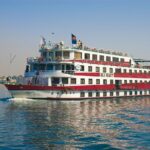
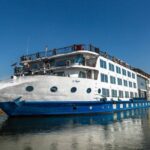
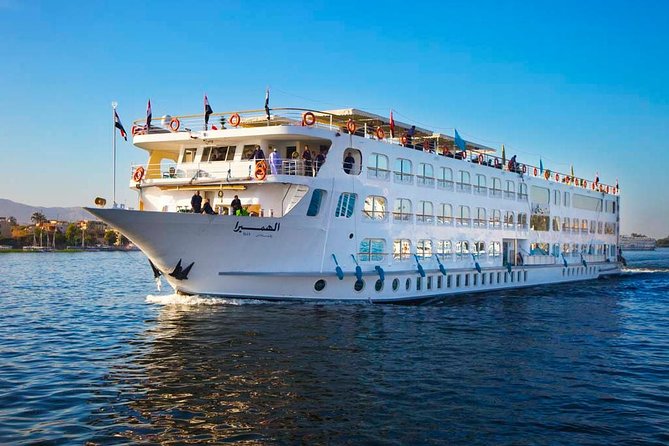
- Cruise-ship reality check: MS Concerto comfort versus mixed cabin feedback
- Price and value: $1,490 per person, and where it pays off
- Who this cruise suits best
- Should you book Radamis II Nile Cruise (Luxor to Aswan)?
- FAQ
- What is the duration of the cruise?
- What route does the tour cover?
- Does the tour include pickup and transfers?
- Is the tour guided?
- Are meals included?
- Are entrance fees included?
- What’s included in the Abu Simbel day?
- Does it include a felucca ride?
- Are tips included in the price?
- What’s the cancellation window?
Key things to know before you go
- Luxor-to-Aswan, 4 nights on the river: real cruising time between big temple days, with overnights in Edfu and Kom Ombo.
- Guide + prepaid entrance tickets: less time figuring things out, more time at Karnak, the Valley of the Kings, and Philae.
- Included meals: breakfast, lunch, and dinner are built into the schedule, which is great for value and pacing.
- Felucca add-on in Aswan: a Nile sail around Kitchener’s Island and the Agha Khan Mausoleum area.
- Day 5 includes Abu Simbel: a long, important add-on that’s often the hardest part to fit elsewhere.
- Ship reality check: some cabins and facilities have gotten mixed feedback, so it pays to confirm what you’re booking.
Luxor to Aswan: what this cruise actually feels like
This itinerary is built like a sequence of “greatest hits,” with the Nile doing the connecting work. On Day 1 you step into Luxor’s temple world right away, then you spend the next days moving west-bank landscapes, river towns, and Aswan’s granite monuments. Each day has a strong theme: one of the temple giants, then a sailing segment that resets your energy.
The most practical advantage is the pace. Instead of trying to run around cities all day and negotiate transport, you’re on a boat with a guide who keeps you moving in a logical order. That matters in Egypt, where the difference between a smooth day and a chaotic day often comes down to timing, tickets, and having clear instructions.
Two things you’ll likely feel quickly: your days are scheduled around entrances, and meals are handled. That combination makes the cruise easier to manage than DIY travel—especially if you’d rather spend your mental energy looking at stone-carved centuries rather than chasing logistics.
A few more Luxor tours and experiences worth a look
Getting on board in Luxor: Karnak + Luxor Temple setup
Day 1 starts with pickup from your Luxor hotel or the Luxor airport, then transfer to the ship. You board before lunch, eat onboard, and then tour Karnak along with Luxor Temple.
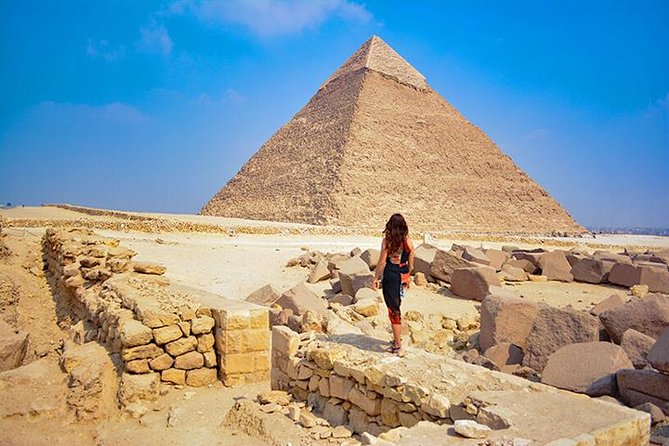
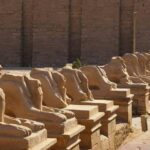
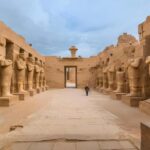
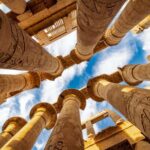
Karnak is one of those places where scale hits you in the face. You’ll walk through the Avenue of Sphinxes, then see the Unfinished Propylon and the Hypostyle Hall’s huge grid of columns. The itinerary also points out major visual anchors like the obelisks associated with Hatshepsut and Thutmose III, plus the temple of Amun decorated with lotus-and-papyrus designs.
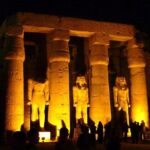
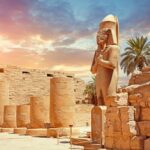
After Karnak, you also visit Luxor Temple, focusing on the courtyard and the granite statues of Ramses the Great. This pairing works well because you get two sides of the Luxor story: Karnak’s immense ritual-complex feel, then Luxor Temple’s more human-scale approach with a clearer sense of how spaces connect.
Practical note: this is a very active day. Plan for heat management (water is included, but hats and sunscreen matter), and wear shoes you’ll trust on uneven stone.
Day 2 on the West Bank: Valley of the Kings + Hatshepsut at Deir el-Bahari
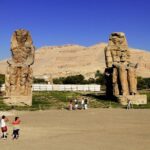
After breakfast onboard, Day 2 shifts to Luxor’s west bank. You’ll visit the Valley of the Kings, tour the Colossi of Memnon, and go to the Temple of Queen Hatshepsut at El Deir el-Bahari.
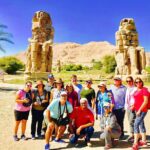
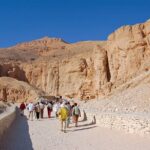
The Valley of the Kings is famous for tombs tied to different dynasties, and the itinerary is built to give you a real sense of that variety rather than a quick stare-and-go stop. You then stop at the Colossi of Memnon, the two giant seated statues facing the Nile—an easy moment to pause, because they’re so dramatically shaped against the river light.
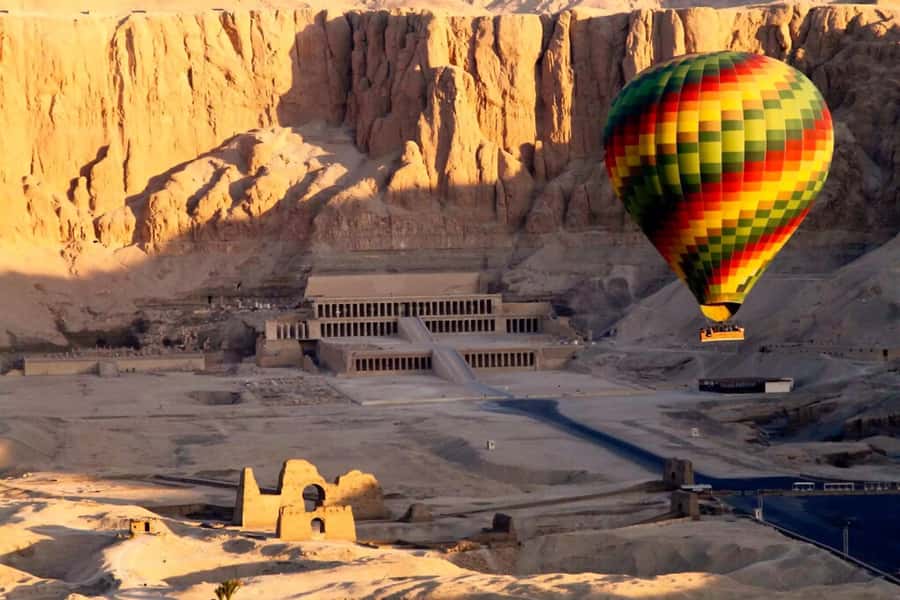
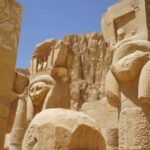
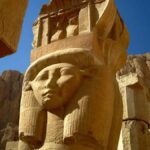
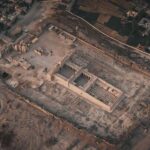
Then comes Deir el-Bahari, where Hatshepsut’s temple layout creates a strong visual rhythm as you move through the terraces. It’s not just another temple stop. It’s a reminder that Egypt’s history wasn’t linear—it was political, architectural, and personal.
Later, you sail to Esna and spend the afternoon with tea, plus a disco party and an overnight on board in Edfu. That means you’re not locked into temples until nightfall; you get downtime that feels built-in, even if you’d rather just watch the river slide by.
Edfu to Kom Ombo: Temple of Horus and the double-god temple in Kom Ombo
Day 3 begins with breakfast onboard, then you visit the Temple of Horus in Edfu. Horus temples are often described as visually bold, and the key value here is that you’re getting a major site specifically tied to Horus, not just another stop along the way.
After that, you sail to Kom Ombo, have lunch onboard, and then visit the Temple of Kom Ombo, which is shared by Sobek and Haroeris. This shared-divinity setup is a unique angle you don’t always get in other Nile itineraries, and it makes the temple feel like a place with layered meaning rather than a single-theme museum.
The day also includes afternoon tea, dinner onboard, and a galabya party. Even if you’re not interested in joining in, it’s still a nice break from constant sightseeing. It also helps you meet other people in a relaxed setting—though the level of fun you’ll have depends on your group’s energy.
Overnight is in Kom Ombo, which keeps the travel rhythm working: you tour, you sail, you sleep, then you repeat the pattern with a bigger site next.
Arriving Aswan: Philae, the High Dam, and the felucca sail
Day 4 is the “Aswan day” and it starts with breakfast onboard, then sailing into Aswan. You’ll visit the High Dam, the Granite Quarries, and the Temple of Philae.
Philae is specifically connected with Isis and is visited here with time on the island of Agilkia. The itinerary mentions the Temple of Horus earlier, but by the time you get to Philae you’re in the heart of the southern temple atmosphere—water, island access, and a setting that feels different from inland ruins.
After lunch onboard, you sail by felucca around Kitchener’s Island and near the Agha Khan Mausoleum area. This part matters more than people expect. Temples can feel like big stone facts. A felucca ride lets you slow your brain down and feel the Nile as a living travel route.
You’ll have afternoon tea, dinner onboard, and an overnight in Aswan.
The hardest day (and the biggest payoff): Abu Simbel on Day 5
Day 5 includes Abu Simbel. The itinerary describes the colossal Temple of Abu Simbel built by Ramses II, carved into a sandstone cliff, plus the smaller temple dedicated to Nefertari and the goddess Hathor.
This is the kind of visit that often defines a Nile trip. Abu Simbel’s whole story is about engineering and urgency—temples saved from the inundation risk by being relocated—so the monument doesn’t just feel old. It feels rescued.
After the visit, the day ends back at the meeting point, with your post-cruise choice of an airport transfer or a transfer to a local hotel of your choosing.
Timing can be full here. Abu Simbel is a serious commitment in both distance and emotion. If you tend to rush, this is where you’ll want to slow down and really look.
What’s included (and what that means for your day)
The package is straightforward in the best way: you get a tour guide, hotel pickup and drop-off, all transfers by private A/C vehicle, bottle water, and meals included across the cruise days.
Meals included:
- Breakfast (4)
- Lunch (5)
- Dinner (4)
What I like about that for value is simple: meals are a major hidden cost if you travel independently between stops. Here, your schedule is designed so you don’t lose time searching for food or deciding if you can afford a quick lunch.
Also included are prepaid entrance tickets and skip-the-line access to major sites. That doesn’t mean no crowds anywhere. It means you’re less likely to spend your most limited time standing around waiting to scan a ticket.
Not included:
- Tipping
You should plan a small tip budget in Egypt, even if you do not love the idea. A cruise that feels great can turn awkward fast if you’re caught unprepared.
Cruise-ship reality check: MS Concerto comfort versus mixed cabin feedback
Here’s the part you should weigh carefully before booking.
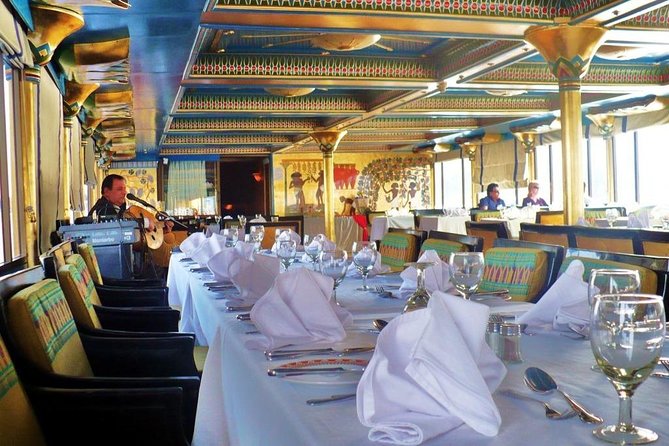
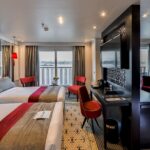
On the positive side, the best feedback tends to mention friendly staff and rooms that are kept clean. Some passengers also highlight comfortable beds and good onboard service with helpful staff who handle language barriers.
On the downside, there are repeated complaints about the ship feeling older than expected, with dated cabins and sometimes broken or unreliable basics. Several reports mention issues like non-working TV, limited power, and concerns with cleanliness details (for example, mold or odors in some bathrooms or rooms). Others complain about onboard entertainment not matching expectations, plus repetitive buffet-style meals.
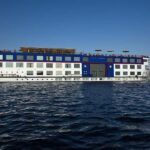
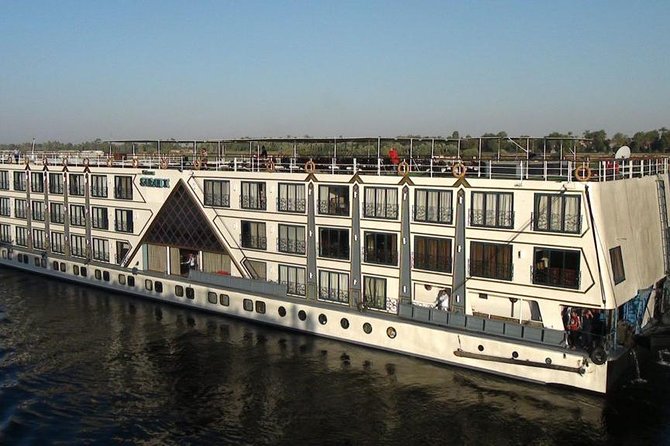
There’s also one very specific concern: limited view while docked. Some passengers described situations where multiple cruise boats parked close together, so you couldn’t enjoy a balcony view for long stretches in ports.
So what do you do with that? Two practical moves:
- If you care about cabin quality or balcony time, ask what cabin category includes and confirm the view is truly possible for your dates.
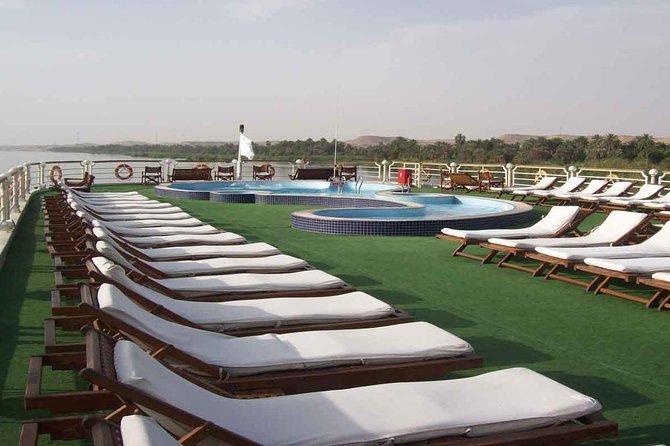
- Temper your expectations about onboard facilities. This is a temple-focused cruise first, ship-luxury second.
Price and value: $1,490 per person, and where it pays off
At $1,490 per person for roughly 5 days and 4 nights, you’re paying for three things at once: the cruise, the guided temple circuit, and the included meals and transfers.
For a value check, look at what’s doing the heavy lifting:
- Guide + prepaid entrance: you’re buying convenience and time.
- Hotel pickup/drop-off and private A/C transfers: you’re buying fewer headaches between sites.
- Meals included: you’re reducing daily spending and decision fatigue.
Where value can feel weaker is if you were expecting a brand-new ship experience and found cabins to be dated or amenities unreliable. In that case, you may feel the cruise portion doesn’t match the price you paid.
If you want the itinerary and the “single package” structure, this pricing can make sense. If your priority is a modern, smooth-ship resort style, you’ll want to shop harder—or at least request better clarity on the cabin and onboard conditions.
Who this cruise suits best
This works best if you want a guided Luxor-to-Aswan route that hits the biggest monuments without managing tickets, transport, or meal planning.
I’d especially recommend it for:
- First-time Egypt visitors who want temple days handled for them
- Travelers who prefer a structured schedule and included meals
- People who like combining a serious sightseeing plan with relaxing river time
It might not suit you as well if:
- You’re highly sensitive to cabin condition, bathroom cleanliness, or broken amenities
- You’re expecting a lot of ship-based entertainment quality beyond a simple program
- You need a guaranteed dock view for balconies or large windows
Should you book Radamis II Nile Cruise (Luxor to Aswan)?
If your priority is the monument circuit—Karnak, Valley of the Kings, Hatshepsut, Horus, Philae, and Abu Simbel—this cruise can be a very efficient way to do it with guided access and included meals.
If you book, do it with eyes open about the ship experience. Since cabin and facility quality seems to vary, you should:
- confirm your cabin category (especially if you want balcony time)
- ask what’s included in your room setup
- plan a tip budget
- keep your expectations focused on the temples, not five-star onboard gadgets
Done right, you’ll come away with the Nile feeling like a moving museum—big ruins behind you, river calm ahead, and Abu Simbel landing as the memorable crescendo.
FAQ
What is the duration of the cruise?
The cruise runs for about 5 days and 4 nights, traveling from Luxor to Aswan.
What route does the tour cover?
It’s a Luxor to Aswan Nile cruise with temple excursions including Karnak, the Valley of the Kings, Hatshepsut, Horus in Edfu, Kom Ombo, Philae (Agilkia), and Abu Simbel.
Does the tour include pickup and transfers?
Yes. Pickup and drop-off are offered, and transfers are included by private A/C vehicle.
Is the tour guided?
Yes. A tour guide accompanies you throughout the journey.
Are meals included?
Yes. Breakfast, lunch, and dinner are included as part of the itinerary.
Are entrance fees included?
Entrance tickets are included, and skip-the-line access is part of the experience.
What’s included in the Abu Simbel day?
You’ll visit the colossal Abu Simbel Temple of Ramses II and the nearby smaller Temple of Nefertari. The itinerary lists Abu Simbel admission as free.
Does it include a felucca ride?
Yes. There’s a felucca ride on the Nile around Kitchener’s Island and near the Agha Khan Mausoleum area.
Are tips included in the price?
No. Tipping is not included.
What’s the cancellation window?
You can cancel up to 6 days in advance for a full refund. A partial refund is available if you cancel 2–6 days before, and no refund is available if you cancel less than 2 days before.